What percentage of stocked trout survive at Kokee
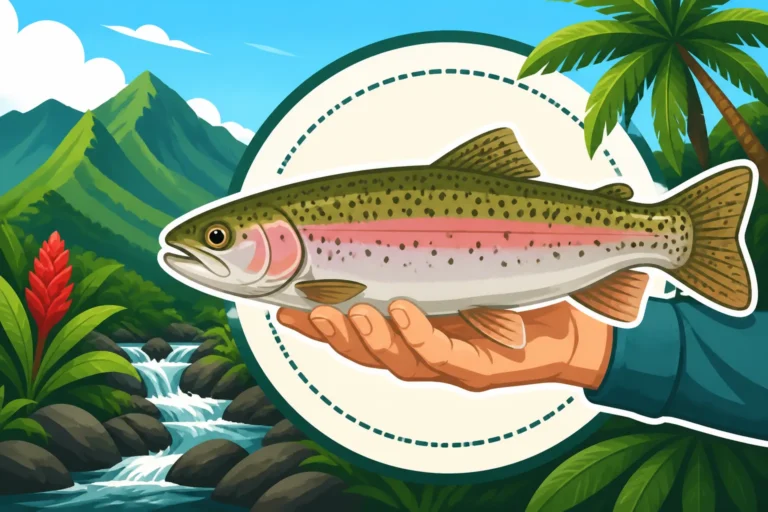
It’s a question many dedicated anglers ponder, especially when it comes to a unique fishery like the Kokee Public Fishing Area on Kauai: just how many of those diligently stocked rainbow trout actually survive and thrive? It’s not a simple number you can easily point to, and the realities are far more complex than just dropping fish into the water and hoping for the best. This guide will dive deep into the fascinating world of trout stocking in Hawaii, exploring the factors that influence survival rates and what it means for your fishing experience in Kokee.
The Dynamics of Trout Stocking in Kokee
The Kokee Public Fishing Area represents a truly unique freshwater fishery within the Hawaiian islands. Unlike many mainland trout streams, Kokee's environment is tropical, and sustaining a cold-water species like rainbow trout requires careful management and consistent effort. The Division of Aquatic Resources (DAR), under the Hawaii Department of Land and Natural Resources (DLNR), undertakes the crucial task of stocking these waters annually.
Why Kokee Stocking is Different
When you think of trout fishing, images of crisp, cold mountain streams in places like Montana or the Rockies often come to mind. Hawaii, with its warm Pacific climate, is far from that stereotypical picture. This distinction alone makes the Kokee trout fishery an anomaly and presents a unique set of challenges and considerations for trout survival. The elevation of Kokee, high on Kauai, provides the cooler temperatures necessary, but even then, conditions are on the edge for rainbow trout, which thrive in colder waters. The primary reason for stocking is to create a put-and-take fishery, meaning the fish are primarily intended for recreational harvest shortly after being released. They aren't expected to establish self-sustaining populations in most areas, which is a major difference from natural trout fisheries elsewhere. This goal directly impacts how success is measured, focusing more on angler catch rates than long-term survival in the wild.
The ecosystem itself is also different. You won't find the same aquatic insect life that typically forms the base of a trout's diet in colder, established trout rivers. Instead, these stocked trout adapt to local food sources or rely on the residual feed from their hatchery origins. This can be a tough transition for them, and it’s one of the many reasons why survival past a certain point is generally lower than in native habitats. Anglers planning a trip to this special area should definitely check the Hawaii Kokee Trout Fishing Season Dates to ensure they're visiting during the open season.
Stocking Goals and Methods
The main goal behind the annual trout stocking in Kokee is to provide a viable and enjoyable recreational fishing opportunity for residents and visitors alike. It's about maintaining a tradition and offering a unique angling experience that wouldn't exist naturally on the islands. The DAR aims to release a certain number of catchable-sized rainbow trout into the designated streams and reservoirs within the Kokee Public Fishing Area before and during the open season. This ensures that there are enough fish for anglers to target, leading to a satisfying outing.
The methods typically involve transporting hatchery-raised trout, often from facilities located on the mainland, or from local rearing ponds if available. These fish are then carefully acclimated and released into specific stretches of the Waimea River and its tributaries, as well as the Puu Lua Reservoir. The size of the fish at stocking is usually geared towards immediate catchability, rather than fostering growth over several years. This is a practical approach for a put-and-take fishery where the environmental conditions don't favor long-term survival and reproduction for an introduced species. Understanding these goals helps frame the discussion around survival rates – it’s not about long-term ecological integration, but rather short-term recreational yield. For those curious about the program's specifics, information on Rainbow Trout Stocking at Kokee is readily available from the DLNR.
Factors Influencing Stocked Trout Survival
The journey from a hatchery truck to an angler's creel is fraught with challenges for a stocked trout, especially in a non-native environment like Kokee. Many interconnected factors play a role in determining how long these fish survive after their release.
Environmental Challenges
Hawaii's streams, even at Kokee's elevation, present significant environmental hurdles for rainbow trout.
- Water Temperature and Oxygen: While Kokee is cooler than coastal Hawaii, stream temperatures can still fluctuate, especially during periods of heavy sun or low rainfall. Rainbow trout prefer cold, well-oxygenated water. Temperatures consistently above 65-70°F (18-21°C) can be stressful or even lethal. Lower oxygen levels, which often correlate with higher temperatures, further reduce their chances.
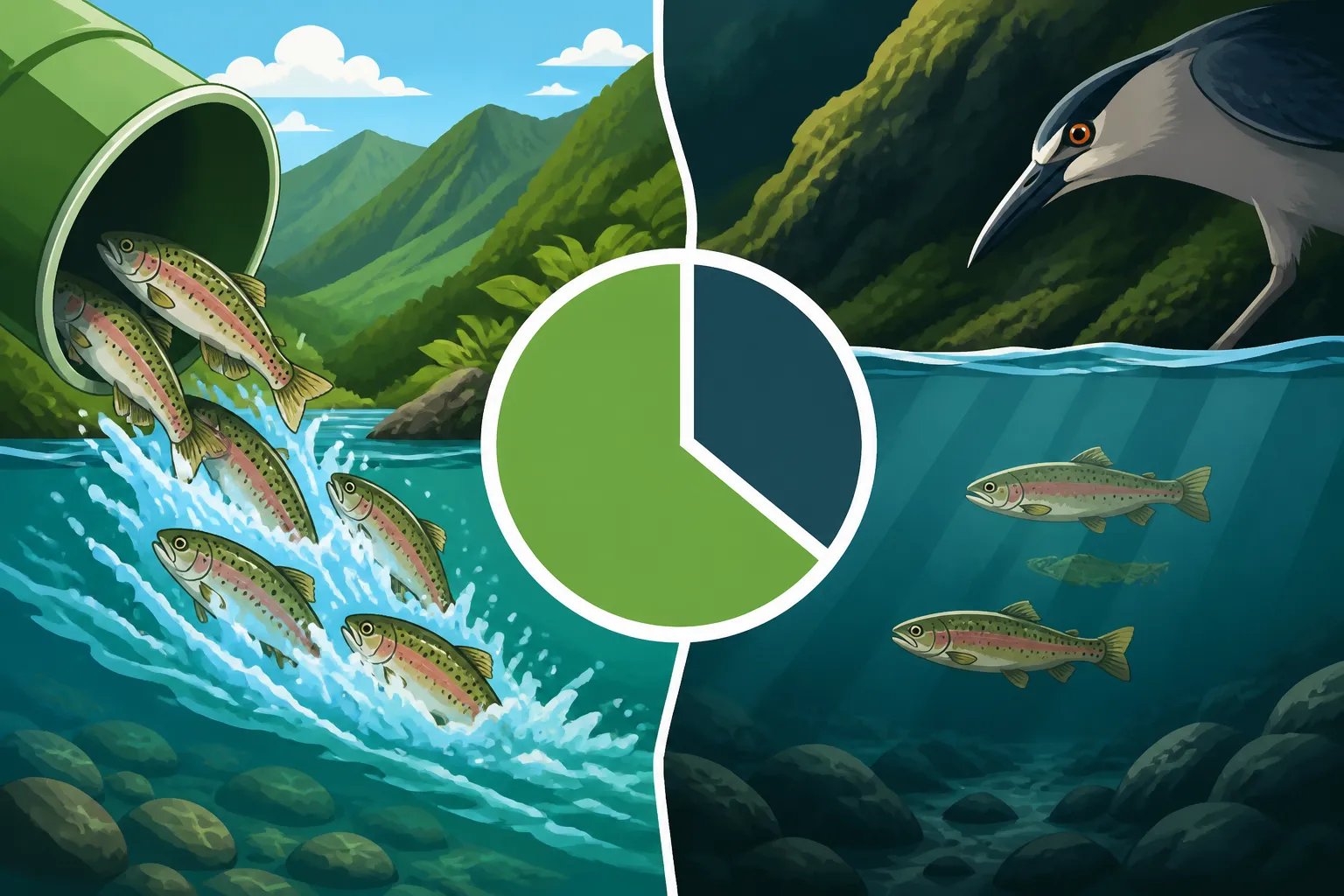
- Predation: Once released, hatchery-raised trout, often accustomed to a protected environment, become easy targets for native and introduced predators. Birds like herons, mongooses, and even larger native fish (though less common for trout in these streams) can take a toll.
- Disease and Stress: The stress of transport, handling, and adjusting to a new environment can weaken fish, making them more susceptible to diseases or parasites. While hatcheries strive for healthy stock, the transition can be tough.
- Habitat Suitability: While certain stretches of Kokee are chosen for their resemblance to trout habitat, they are not perfectly analogous to native trout streams. Food availability, cover from predators, and appropriate spawning grounds (which are generally not the expectation for these stocked fish) can all limit long-term survival.
These challenges mean that a significant portion of stocked trout may not survive for extended periods, even without angler intervention. They simply aren't built for prolonged survival in this specific habitat, making the fishery a continuous cycle of stocking and harvest.
Angler Pressure and Harvest
This is perhaps the most significant factor influencing the survival rate of stocked trout in a put-and-take fishery like Kokee. The very purpose of stocking is to create a fishing opportunity, and therefore, a high harvest rate is expected and even desired by the management program.
- Immediate Harvest: Many anglers visit Kokee specifically during the open season, often right after stocking events, to take advantage of the fresh fish. This leads to a substantial portion of the stocked fish being caught within days or weeks of their release.
- Catch Limits: Regulations on daily bag limits are in place to manage the harvest, but they also acknowledge that anglers are there to keep fish. This is different from catch-and-release-focused fisheries where survival after being caught is the primary concern.
- Skill Level of Anglers: Because hatchery fish can sometimes be less wary than wild trout, even less experienced anglers can have success, further contributing to the harvest rate. For those looking for tips on technique, articles like Best techniques for freshwater trout at Kokee can be very helpful.
Essentially, for a stocked put-and-take fishery, a low long-term survival rate for the individual fish is a sign of program success because it indicates a high catch and harvest rate by anglers. The objective isn't for these fish to live long, breeding lives in the wild, but to provide a fun and rewarding experience for those who cast a line.
Fish Health and Acclimatization
The condition of the trout when they are released into the Kokee waters plays a vital role in their immediate survival chances.
- Hatchery Conditions: The quality of the hatchery environment, including diet, water quality, and disease prevention, significantly impacts the fish's hardiness. Healthy, robust fish are better equipped to handle the stresses of transport and a new environment.
- Transportation Stress: Moving fish from a hatchery to a remote stream like those in Kokee involves confinement, vibrations, and changes in water chemistry and temperature. This process, even when done carefully, is inherently stressful and can weaken the fish, making them more vulnerable to disease or predation.
- Acclimatization: Upon arrival, fish need time to adjust to the new water temperature, pH, and flow rates. Rapid changes can be shocking and lead to mortality. Biologists often try to acclimate fish slowly, but a certain level of stress is unavoidable.
- Genetic Factors: Hatchery strains of rainbow trout are often bred for fast growth and disease resistance in a hatchery setting, not necessarily for wild survival instincts or adapting to natural food sources. This can mean they are less equipped to fend for themselves in the Kokee streams compared to a truly wild population.
Anglers can play a part in minimizing stress if they practice catch and release, although in Kokee, the emphasis is often on keeping fish. Handling fish gently, minimizing their time out of water, and using appropriate tackle (which can be found on sites like Amazon) are always good practices, regardless of whether you intend to keep or release.
Estimating Survival Rates at Kokee
Pinpointing an exact percentage for stocked trout survival in Kokee is notoriously difficult and variable. It's not a static number, but rather a dynamic outcome influenced by many factors.
The Challenges of Measurement
Imagine trying to track every single fish released into miles of stream and a reservoir, constantly exposed to anglers and natural threats. It's an immense logistical challenge that most fisheries agencies simply don't have the resources for.
- Vastness of the Area: The Kokee Public Fishing Area includes numerous streams and the Puu Lua Reservoir, making comprehensive tracking virtually impossible.
- Lack of Recapture Data: Without intensive tagging and recapture programs, it's hard to accurately assess how many fish survive beyond the initial stocking period. Such programs are costly and often not a priority for a put-and-take fishery.
- Rapid Harvest: Given the nature of a put-and-take fishery, many fish are caught and kept shortly after release, meaning their "survival" period is intentionally short in the first place.
- Environmental Variability: A particularly hot week, a sudden flood, or a disease outbreak could drastically alter survival rates from one stocking event to the next.
For these reasons, official figures on a precise survival percentage for individual stocked fish are rarely published, or even calculated, because it's not the primary metric of success for this type of fishery.
General Expectations and Typical Scenarios
Instead of a hard percentage, it's more realistic to think in terms of general expectations for a put-and-take fishery.
- High Initial Mortality: Some fish will inevitably succumb to stress from transport, handling, or immediate environmental shock within the first few days.
- Significant Angler Harvest: A large majority of the remaining fish are typically caught by anglers within weeks of being stocked, especially during the peak of the season. This is the intended outcome.
- Limited Long-Term Survival: Very few, if any, stocked trout are expected to survive for more than a few months, or certainly not a full year, especially in stream environments. Those that do survive often become "holdovers," potentially growing larger if they find good food sources and avoid capture. You might hear stories of these larger, warier holdovers, and they are truly a trophy for anglers.
- Reservoir vs. Stream: Fish stocked in a more stable environment like Puu Lua Reservoir might have slightly better short-term survival prospects compared to those in faster-moving, more volatile stream environments, simply due to more stable water conditions and potentially more diverse food sources. However, even here, angler pressure is the dominant factor.
While an exact number is elusive, it's safe to say that for the majority of stocked trout in Kokee, their "survival" is measured in days to a few weeks before they are either caught by an angler or succumb to natural pressures. The program's success is ultimately in the number of fish available for anglers during the season, reflected in discussions around the Total pounds of trout stocked at Kokee annually rather than individual fish longevity.
| Factor Affecting Survival | Impact on Trout Longevity | Likelihood of Occurrence |
|---|---|---|
| Transport Stress | Short-term (hours-days) | High |
| Angler Harvest | Short-term (days-weeks) | Very High |
| Predation (birds, mongoose) | Short-term (days-weeks) | Moderate |
| Disease/Parasites | Short-term (days-weeks) | Moderate |
| Water Temperature Fluctuations | Short-term (days-weeks) | Moderate |
| Lack of Natural Food | Mid-term (weeks-months) | High |
| Poor Habitat (cover) | Mid-term (weeks-months) | Moderate |
How Anglers Can Help Improve Survival
While the Kokee fishery is largely a put-and-take system, anglers can still contribute to the overall health and success of the program, especially if they choose to release fish (though this is less common for trout here).
- Adhere to Regulations: Strictly follow all bag limits, size restrictions, and season dates. This ensures fair distribution of the catch and manages the overall harvest. You can find comprehensive details in the Hawaii Fishing Regulations Explained.
- Practice Catch and Release Gently: If you do choose to release a fish, handle it with wet hands, minimize its time out of water, and revive it gently before letting it go. Using barbless hooks can also reduce trauma. Even if these fish aren't expected to live long, giving them the best chance possible is a responsible practice.
- Support Conservation Efforts: Purchasing a Hawaii freshwater license or a nonresident equivalent directly funds stocking programs and other aquatic resource management initiatives. This financial support is crucial for maintaining the fishery.
- Report Observations: If you notice unusual fish behavior, signs of disease, or environmental concerns, reporting them to the DLNR Division of Aquatic Resources can provide valuable information for management.
- Proper Disposal of Monofilament and Trash: Keeping the Kokee area clean and free of litter, especially fishing line, protects all wildlife, including the trout. Pack out everything you pack in! A sturdy tackle box or backpack, like many options available on Amazon, helps keep your gear organized and trash contained.
Every angler's actions contribute to the experience for everyone else, and responsible stewardship ensures that future generations can also enjoy the unique opportunity to fish for trout in Hawaii.
The Role of Anglers and the Future of Kokee Trout
The Kokee trout fishery is a testament to dedicated management and the passion of the angling community. It's a prime example of a recreational resource created and sustained through human intervention in a naturally unlikely setting. Anglers are not just participants; they are vital partners in its continued existence.
Responsible Fishing Practices
For any fishery, and especially one that relies heavily on stocking, responsible angling is paramount. It’s about more than just following the rules; it’s about understanding the spirit of why those rules exist and acting as a steward of the environment.
- Know Before You Go: Before heading up to Kokee, take the time to review all current Hawaii Fishing Regulations Explained and season dates. Rules can change, and being informed prevents accidental violations.
- Respect the Resource: Even if the fish are stocked for harvest, treat them with respect. Avoid wasteful practices, and only keep what you plan to eat.
- Leave No Trace: Kokee is a beautiful natural area. Pack out all your trash, including discarded fishing line, bait containers, and food wrappers. This protects the environment and enhances the experience for others. Bringing a small trash bag with you, perhaps even a biodegradable one you can find on Amazon, makes this easy.
- Be Mindful of Others: Fishing is often a solitary pursuit, but in popular areas like Kokee, you'll likely share the banks and streams with other anglers. Be courteous, give others space, and help maintain a positive atmosphere.
These practices ensure that the unique opportunity to fish for rainbow trout in Hawaii remains available for years to come.
Supporting the Program
The continued success of the Kokee trout stocking program hinges on ongoing support, both financial and participatory.
- License Purchases: The most direct way to support the program is by purchasing the necessary Hawaii freshwater fishing license or the nonresident equivalent. A significant portion of these funds goes directly back into fisheries management, including the cost of raising and transporting trout, as well as maintaining the public fishing areas.
- Adherence to Seasons and Limits: By respecting the Hawaii Kokee rainbow trout season opening date and subsequent closures, as well as daily bag limits, anglers help the DAR manage the resource effectively, ensuring that there are enough fish for everyone throughout the designated season. This also prevents overfishing immediately after a stocking event, allowing more people to enjoy the experience.
- Volunteerism and Advocacy: While less common for the trout program specifically, supporting general aquatic resource conservation groups and volunteering for clean-up efforts or habitat improvement projects ultimately benefits all fisheries, including Kokee.
- Educational Outreach: Sharing knowledge about responsible fishing and the unique nature of the Kokee fishery with friends, family, and new anglers helps foster a culture of stewardship. Understanding that this is a "put-and-take" fishery, and why that is, helps manage expectations and appreciation.
The Kokee trout fishery is a precious and somewhat improbable gem in Hawaii’s natural landscape. By understanding its unique dynamics, appreciating the factors that influence trout survival, and actively participating in responsible angling practices, we can all contribute to the enduring legacy of this remarkable fishing opportunity. Whether you're chasing that elusive holdover or simply enjoying a day on the stream, the spirit of Kokee is about connection to nature and community.
Disclaimer
This article is for general informational purposes only and does not constitute professional advice. Laws, prices and regulations vary by location and change over time. Consult a qualified professional for guidance on your specific situation.