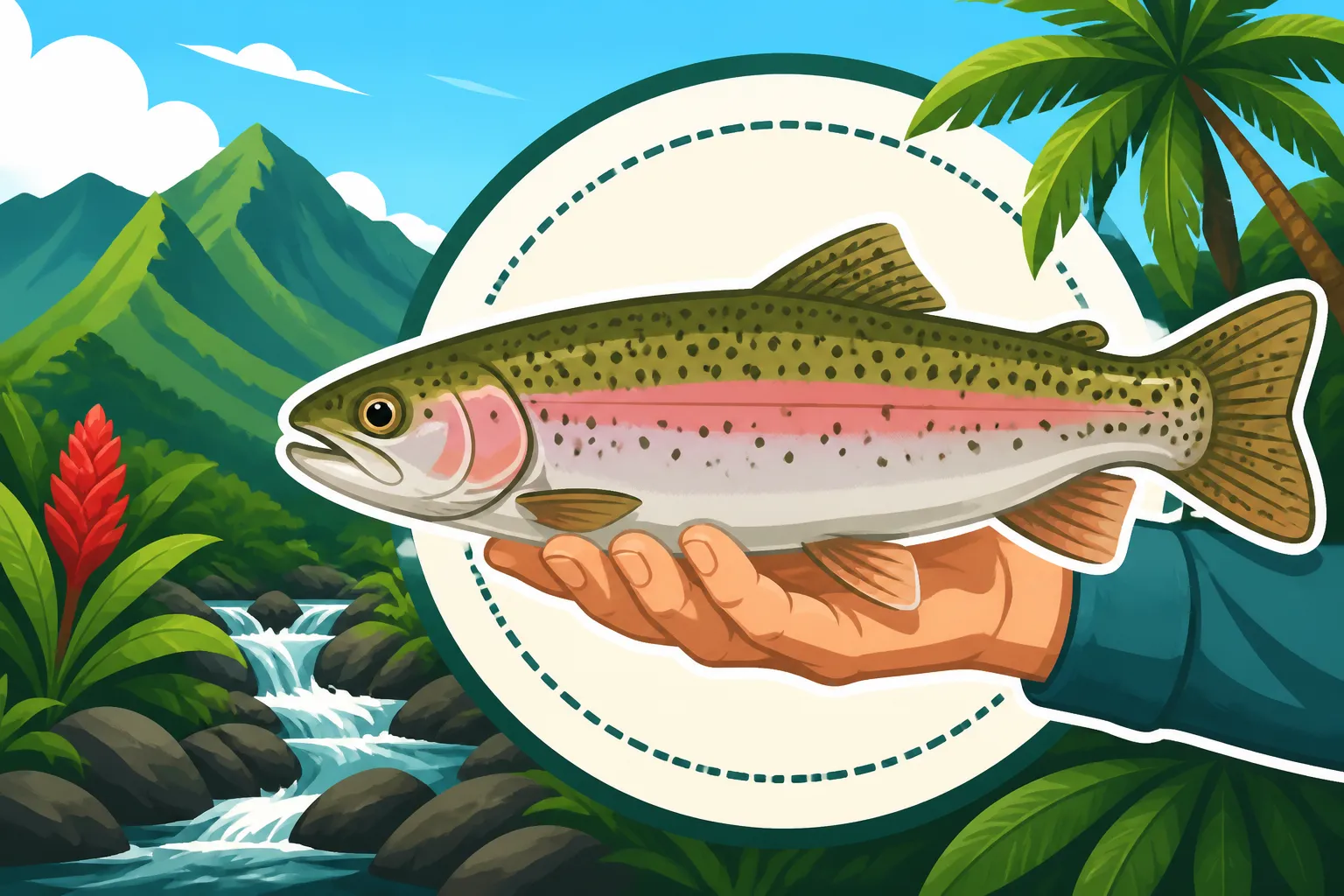
Average size of stocked trout at Kokee
For many anglers, the thought of fishing in Hawaii conjures images of giant marlin breaching sapphire waters or bonefish tailing on sandy flats. But for those who love the peace of freshwater angling, the unique rainbow trout fishery high in Kokee State Park on Kauai offers a completely different kind of Hawaiian adventure. If you're planning a trip and wondering what kind of trout you can expect to reel in, this guide will lay out the average size of stocked rainbow trout at Kokee, helping you set realistic expectations and prepare for a rewarding day on the stream.
Understanding Kokee's Unique Trout Fishery
The idea of trout fishing in the tropics might seem a little wild, but Kokee State Park on Kauai is a true anomaly. It’s a special place that offers a cool, misty contrast to Hawaii’s typical beach scene, and it holds the only put-and-take rainbow trout fishery in the entire state. This isn't just a quirky fact; it’s a dedicated effort to provide a unique recreational opportunity for residents and visitors alike.
The Legacy of Rainbow Trout in Kokee
The story of rainbow trout in Kokee began over a century ago, when these cold-water fish were first introduced to the streams of the Alakai Wilderness Preserve. The cool, high-elevation streams, fed by abundant rainfall, created an environment surprisingly suitable for trout, despite Hawaii’s generally warm climate. However, the conditions aren't perfect for natural, self-sustaining populations in all areas, which is where the stocking program comes into play. Without this careful management, the streams simply couldn't support the kind of robust fishery that anglers enjoy today. It's a testament to dedicated conservation efforts that this unique opportunity exists, allowing us to connect with a very different side of Hawaii's natural world. You can learn more about this fascinating history in our guide to Rainbow Trout: Hawaii's Only Freshwater Trout Fishery.
The Role of Stocking in Kokee's Trout Population
To maintain a healthy and accessible fishery, the Hawaii Division of Aquatic Resources (DAR) actively stocks rainbow trout into specific Kokee streams and reservoirs. This isn't just random dumping; it's a carefully planned operation. They primarily stock fish that are already of a catchable size, meaning you're not waiting for tiny fry to grow up. The goal is to ensure that when the season opens, there's a good population of fish for anglers to pursue, providing consistent opportunities year after year. This "put-and-take" system means that while some fish might survive and grow larger (becoming "holdovers"), the bulk of the catches will be from these recently introduced fish. This is crucial for managing angler expectations and ensuring a productive day on the water, especially for families or those new to trout fishing. For details on how this program works, check out Rainbow Trout Stocking at Kokee.
What to Expect: Average Size of Stocked Trout
When you cast your line into a Kokee stream, you're usually hoping for a feisty fight and a decent-sized fish. Knowing what's typical helps manage those expectations, and for the stocked rainbow trout, there's a pretty consistent range you can anticipate.
Typical Size Range for Kokee Stocked Trout
Generally speaking, the majority of rainbow trout released into Kokee's waters are in the 8 to 12-inch range. These are robust, healthy fish that are eager to bite and put up a spirited fight on light tackle. Imagine a trout that fits comfortably in your hand, with vibrant colors reflecting its freshwater home – that's your average Kokee stocked rainbow. While they might not be trophy-sized monsters, they offer consistent action and are perfect for a satisfying day of fishing. They’re great for teaching kids, and for anyone who just wants to enjoy the simple pleasure of a bend in the rod. These fish are released specifically to be caught, providing a direct and rewarding experience for anglers.
Of course, "average" doesn't mean "exclusive." You'll sometimes encounter fish on the smaller end of that spectrum, perhaps 6 or 7 inches, especially later in the season if they haven't grown much or if they were stocked at a slightly smaller size. Conversely, some might push the upper limits, occasionally reaching 13 or 14 inches. These larger ones are often fish that have been in the water a little longer, benefiting from the abundant food sources and cooler temperatures. It's these slight variations that keep things interesting, as every cast could bring a surprise.
Factors Influencing Trout Size and Growth
While stocking ensures a baseline, several environmental and biological factors can influence the actual size and health of the trout you encounter in Kokee.
Firstly, food availability plays a huge role. The streams are rich with aquatic insects, larvae, and other small organisms that provide a constant food supply. If a particular year sees a boom in these natural food sources, the trout can grow a bit faster and bulk up more effectively. Think of a stream full of plump caddisflies and stoneflies – it’s a trout buffet!
Secondly, water conditions are critical. Kokee is known for its consistent rainfall, which keeps stream levels healthy and water temperatures cool. However, extreme drought conditions could impact water flow and temperature, potentially stressing fish and slowing growth. Conversely, periods of heavy rain can bring in new nutrients and spread the fish out, reducing competition for food. The cooler temperatures at Kokee's higher elevations are what allow these trout to thrive in the first place, distinguishing it from most other Hawaiian waters.
Lastly, fishing pressure and time in the water contribute significantly. Freshly stocked fish are typically of similar size. However, some fish manage to evade anglers, surviving past the initial stocking period. These "holdover" trout have more time to feed and grow, often becoming noticeably larger than their recently stocked counterparts. They've learned a thing or two, making them a more challenging and rewarding catch. Areas with less pressure or those fished less frequently might harbor a few more of these seasoned veterans. This adds an element of challenge to the fishery, encouraging anglers to explore and refine their techniques.
Beyond Average: Catching Larger Trout and Local Records
While the average stocked trout at Kokee provides plenty of fun, there's always the thrill of hooking into something bigger. These larger fish are often the "holdovers" we talked about, and targeting them requires a bit more strategy and patience.
Strategies for Targeting Bigger Trout
If you're aiming for a rainbow trout that pushes past the average, consider these tactics:
- Go during the shoulder seasons or mid-week: The Kokee trout season typically runs from early August through the end of September. While opening weekend is a blast, it also sees a lot of pressure. Visiting a few weeks into the season, or opting for a weekday, can give you access to fish that have had more time to settle and grow.
- Venture further upstream or to less-accessible spots: Many anglers stick to the easily accessible spots along the main roads. The more adventurous angler who hikes a bit further up the trails or explores the less-frequented bends of the stream might find larger, less pressured fish. These areas often provide better cover and more untouched food sources for the trout.
- Use slightly larger baits or lures: While smaller flies and lures work for the average-sized stocked trout, a slightly larger offering might entice a bigger fish looking for a more substantial meal. Consider a bigger worm, a larger spinner, or a more substantial fly pattern. You can find a fantastic selection of these specialized trout fishing items, from ultralight spinning rods to a variety of lures and baits, on platforms like Amazon.
- Focus on deeper pools and undercut banks: Larger trout tend to be shier and will often seek refuge in deeper, darker water or under protective structures. Look for deep pockets, large boulders, or areas where the bank creates an overhang. Present your bait or lure naturally into these hiding spots.
- Fish during prime times: Early morning or late afternoon, when the light is low and insect activity is often higher, can be excellent times to target larger, more active trout.
For specific techniques to maximize your chances, delve into Best Techniques for Freshwater Trout at Kokee.
Local Lore and Record Catches
While official state records for freshwater trout exist, the true "records" in Kokee often lie in local bragging rights and stories shared around campfires. Anglers frequently report catching holdover trout that measure significantly larger than the stocked average, sometimes reaching 16 to 18 inches, or even a bit more. These are the fish that have defied the odds, grown wise to angler tricks, and gorged themselves on the rich insect life of Kokee's streams. Catching one of these older, larger trout is a special achievement and a true testament to patience and skill. They fight harder, leap higher, and are often more brilliantly colored.
The potential for these bigger fish is what keeps many seasoned anglers coming back year after year. It's not just about quantity; it's about that one exceptional fish that makes the whole trip memorable. So, while the average might be 8-12 inches, always hold out hope for that one magnificent holdover that will give you a story to tell for years to come.
Here’s a quick overview of what you might expect:
| Trout Type | Typical Size Range (inches) | Likelihood of Catch | Fishing Challenge | Prime Location |
|---|---|---|---|---|
| Freshly Stocked | 8-12 | Very High | Low to Moderate | Easily accessible stream sections |
| Smaller Stocked | 6-7 | Moderate | Low | Any stream section, especially later in season |
| Holdover/Larger | 13-18+ | Low to Moderate | Moderate to High | Deeper pools, undercut banks, less accessible areas |
Gear and Regulations for Kokee Trout Fishing
Before you head up to Kokee, it's essential to have the right gear and understand the local regulations. Being prepared ensures a smoother, more enjoyable, and legal fishing experience.
Essential Gear for Kokee Trout Fishing
Trout fishing in Kokee doesn't require overly complex or heavy gear. Light tackle is key to getting the most out of the fight these smaller, but feisty, fish offer.
- Rod and Reel: A light to ultralight spinning rod (4-6 foot) paired with a small spinning reel spooled with 4-6 pound monofilament or fluorocarbon line is perfect. This setup allows for delicate presentations and maximizes the fun of battling even an 8-inch trout. For a great selection, including combos perfect for this type of fishing, check out the fishing department on Amazon.
- Bait: Common and effective baits include worms (red wigglers or nightcrawlers), salmon eggs, and corn. These are readily accepted by stocked trout.
- Lures: Small spinners (like Rooster Tails or Mepps in sizes #0 or #1), tiny spoons, or micro jigs can be incredibly effective, especially for more active fish. Natural colors like silver, gold, and bronze often work well, as do bright colors in murkier water.
- Flies: For fly anglers, Kokee's trout respond well to nymphs (like Prince Nymphs, Hare's Ears), wet flies (Woolly Buggers), and small dry flies (Elk Hair Caddis, Adams) when conditions are right.
- Terminal Tackle: A selection of small hooks (size 10-16), split shot weights, and small bobbers or strike indicators will complete your setup. Don't forget a small pair of pliers for hook removal and a measuring tape if you want to verify your catches.
Knowing what works best can significantly improve your success rate. Our article on Best bait for opening day at Kokee offers even more specific advice.
Important Regulations and License Requirements
Fishing in Kokee is a privilege, and it comes with specific rules designed to protect the fishery and ensure sustainability.
- Fishing License: Yes, you absolutely need a freshwater fishing license to fish for trout in Kokee. This is a mandatory requirement for anyone aged 16 and older. There are different licenses available, including resident and non-resident options, and various durations. Make sure you purchase and carry your license with you. Failing to do so can result in significant penalties. You can find all the details on how and where to obtain one in our Hawaii Freshwater Fishing License and Rules guide.
- Season Dates: The Kokee trout fishing season is not open year-round. It typically runs for a limited period, usually starting in early August and concluding at the end of September. These dates can vary slightly year to year, so always check the latest regulations from the Hawaii Division of Aquatic Resources (DAR) before planning your trip. Our post on Hawaii Kokee Trout Fishing Season Dates will keep you updated.
- Bag and Size Limits: There will be specific bag limits (how many fish you can keep per day) and potentially size limits (minimum or maximum length). These rules are in place to ensure fair access for all anglers and to prevent overfishing. Always be aware of the current limits and adhere to them strictly.
- Permitted Areas: Trout fishing is allowed in designated areas of Kokee State Park, primarily within the Pu'u Lua Reservoir and specific streams like the Mohihi and Wai'alae. Always be mindful of signage and respect restricted areas.
- Artificial Lures/Flies Only (sometimes): While bait is often allowed, there might be specific stream sections or times when only artificial lures or flies are permitted. Always consult the most current regulations for any such restrictions. This helps to reduce impacts on the fish population.
Make sure you're familiar with all the current rules to avoid any issues. You can find comprehensive information on age requirements in What age requires a freshwater fishing license in Hawaii and cost breakdowns in Hawaii freshwater license cost for residents.
Ultimately, fishing for rainbow trout in Kokee is a truly unique Hawaiian experience. While the average size of stocked fish is generally 8-12 inches, the opportunity to hook into a larger, feisty holdover is always there, adding an exciting challenge to your day. With the right gear, a bit of patience, and a solid understanding of the regulations, you're set for a memorable adventure in Kauai’s stunning highlands.
Disclaimer
This article is for general informational purposes only and does not constitute professional advice. Laws, prices and regulations vary by location and change over time. Consult a qualified professional for guidance on your specific situation.