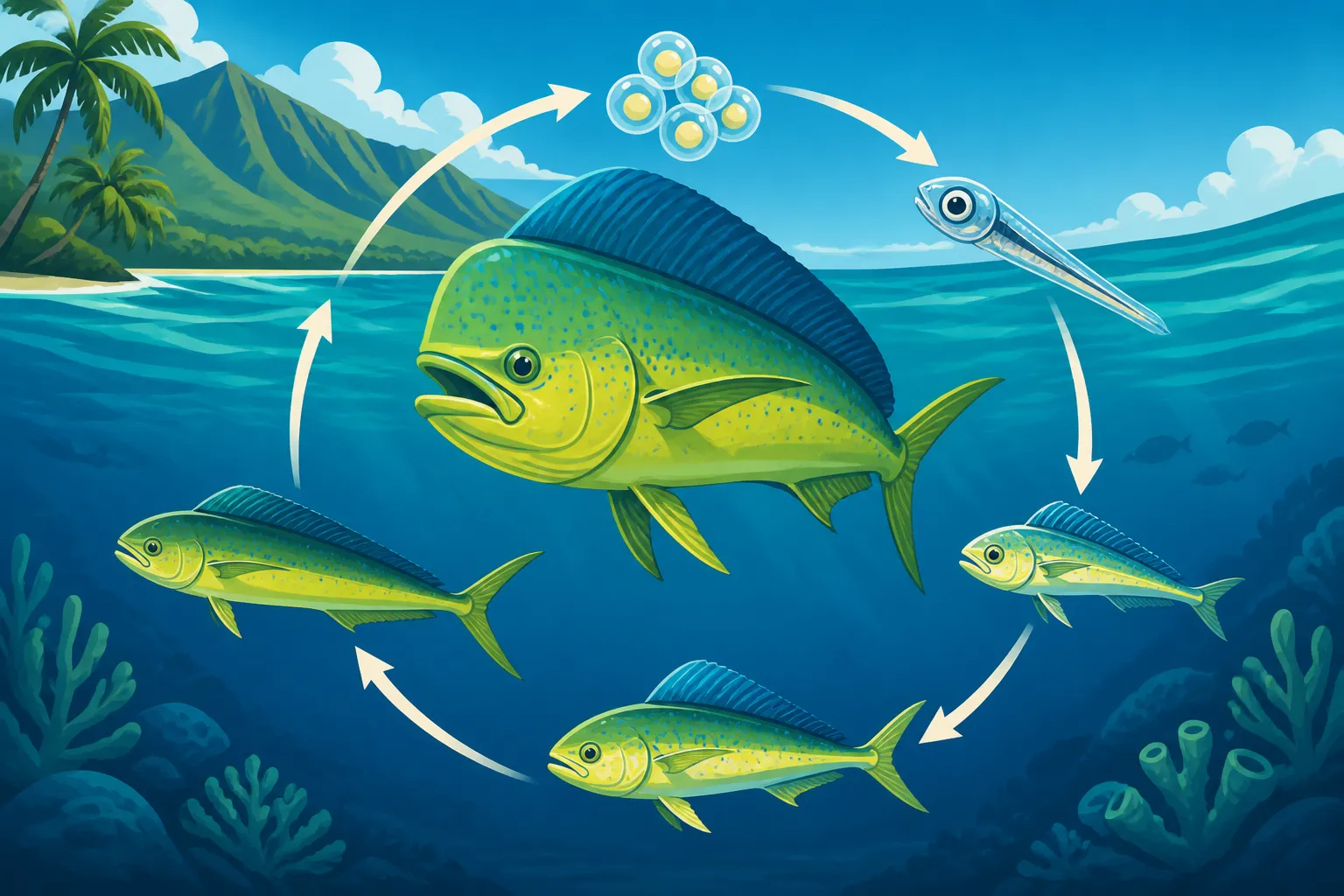
Mahimahi Life Cycle in Hawaiian Waters
The flash of iridescent blue and gold as a mahimahi breaches the surface is one of the most exciting sights for any angler in Hawaii. But behind that thrilling spectacle lies a fascinating and incredibly dynamic existence, one that unfolds rapidly and with immense purpose beneath the waves. This guide dives deep into the intricate life cycle of the mahimahi in Hawaiian waters, revealing the journey from a microscopic egg to a formidable, fast-growing predator, and helping us understand these magnificent creatures better.
The Vibrant Life of Mahimahi: An Overview
Mahimahi, also known as dolphin fish (though they are absolutely not related to marine mammals like dolphins), are truly a marvel of the open ocean. Their stunning colors and acrobatic fights make them a prized catch for sport fishermen and a delicious treat on the dinner plate. But beyond their allure, their life cycle is a testament to nature's efficiency and resilience, optimized for survival in the vast, competitive ocean environment.
What Makes Mahimahi So Unique?
What truly sets mahimahi apart is their incredible growth rate and relatively short lifespan. These fish are built for speed and prolific breeding, reaching sexual maturity in a matter of months rather than years. Their streamlined bodies, forked tails, and distinct dorsal fins that run almost the entire length of their back are all adaptations for life as apex predators in the pelagic zone. The males, often called "bulls," develop a prominent, blunt forehead that distinguishes them from the more rounded heads of the females, or "cows." This rapid development means they are constantly on the move, chasing baitfish and growing larger at an astonishing pace. This is why knowing Mahimahi Fishing in Hawaii is so popular – there's a strong chance of encountering these vibrant fish.
Their coloring is another striking feature. When alive and excited, mahimahi display an almost electric mix of iridescent blues, greens, and golds, often with bright yellow fins. These colors can shift and fade rapidly after capture, sometimes leading to the misconception that they've changed species. This vibrant display helps them blend into the varying light conditions of the open ocean, reflecting the blue of the water and the gold of the sun, making them masters of camouflage until they are hooked.
Why the "Dolphin Fish" Misnomer?
It's a common point of confusion, and frankly, a bit of a disservice to both the fish and the mammal, that mahimahi are often called "dolphin fish." This is a purely historical naming convention, stemming from old European fishing traditions where their leaping behavior at the surface might have reminded sailors of dolphins. Rest assured, the mahimahi is a finfish, not a marine mammal, and has no direct relation to the intelligent, air-breathing dolphins we know and love. It's important for everyone, especially those new to ocean fishing, to understand this distinction to avoid any misunderstanding about conservation or species identification. If you're looking for more general information on identifying various species, a comprehensive Pelagic Species Identification Guide for Hawaii can be a great resource.
The misnomer can sometimes lead to uncomfortable moments, especially for visitors unfamiliar with local terminology. When you order "dolphin" at a restaurant, you're getting mahimahi, not Flipper! Thankfully, in Hawaii, the beautiful Hawaiian name "mahimahi" (meaning "very strong") is widely used and helps differentiate it from true dolphins. This local terminology helps celebrate the fish for what it is—a powerful, fast-swimming pelagic species.
From Tiny Eggs to Ocean Wanderers: Spawning and Early Life
The mahimahi's life begins in a way that speaks volumes about their strategy for survival: through prolific spawning that ensures the next generation has every chance to thrive. Their reproductive cycle is a constant, high-stakes endeavor, reflecting their rapid growth and short lifespan.
The Spawning Rituals in Tropical Waters
Mahimahi are broadcast spawners, meaning females release their eggs and males release their milt (sperm) into the water column simultaneously, allowing external fertilization to occur. This process often takes place over extended periods, not just a single event, with females capable of spawning multiple times a year, sometimes every few days during peak seasons. They tend to spawn in offshore waters with temperatures typically between 75-84°F (24-29°C), which is prevalent in Hawaiian waters for much of the year.
The sheer volume of eggs produced by a single female is astounding – sometimes hundreds of thousands to over a million eggs per spawning event. This strategy is critical because the eggs and subsequent larval stages face immense predation pressure and environmental challenges. There's no parental care; the survival of the species relies on sheer numbers. This continuous spawning cycle contributes to the year-round availability of mahimahi in various life stages, making them a consistent target for anglers who know Best Time of Year to Fish in Hawaii.
The Fragile Larval Stage
Once fertilized, mahimahi eggs are pelagic, meaning they float freely in the open ocean currents. They are tiny, often less than a millimeter in diameter, and hatch quickly, typically within a day or two depending on water temperature. The newly hatched larvae are even more minuscule, barely visible to the naked eye. This is perhaps the most vulnerable stage of their entire life cycle.
These larvae are essentially at the mercy of the ocean currents, drifting with the plankton. They possess very limited swimming ability and are easy prey for a multitude of marine organisms, from copepods to larger fish that filter-feed. Their survival is a game of chance, relying on finding sufficient microscopic food (like zooplankton) and avoiding the hungry mouths of predators. It’s a period of intense mortality, where only a tiny fraction of the hatched larvae will make it to the next stage. This vulnerability highlights the importance of the high egg production – it's nature's way of hedging its bets. Even buying specialized fishing books from a place like Amazon can give you insights into these fascinating early stages of marine life.
Growing Up Fast: Juvenile Mahimahi Development
After surviving the perilous larval stage, mahimahi enter a period of exponential growth, transforming rapidly from helpless fry into agile, opportunistic hunters. This phase is characterized by a reliance on floating structures for protection and a voracious appetite.
Life Under Floating Debris
One of the most defining characteristics of juvenile mahimahi is their strong association with floating objects in the open ocean. These can be natural accumulations of Sargassum seaweed, driftwood, or even man-made debris. For anglers, this often translates to targeting Fish Aggregating Devices (FADs), which are essentially anchored buoys designed to attract pelagic fish. These floating structures provide crucial shelter from larger predators in the otherwise barren expanse of the open ocean. Imagine a tiny mahimahi, only a few inches long, seeking refuge beneath a tangled raft of seaweed, where it finds both cover and a concentrated food source.
Beneath these floating islands, a mini-ecosystem forms. Small baitfish, crabs, and other invertebrates also congregate, providing a ready buffet for the growing mahimahi. This protective cover and consistent food supply allow the juveniles to grow at an astonishing rate. They’ll stay within these protective zones until they are large enough to venture out into the open water with more confidence, often forming schools of similar-sized individuals. Understanding this behavior is key to successful How to Catch Mahimahi in Hawaii, as many techniques revolve around targeting these structures.
Feeding Habits of Young Mahimahi
Juvenile mahimahi are incredibly aggressive and opportunistic feeders, driven by their need for rapid growth. Their diet primarily consists of small fish, squid, and crustaceans that also aggregate around floating debris. They are visual predators, relying on their keen eyesight to spot prey. As they grow, their diet expands to include larger prey, mirroring their increasing size and swimming capabilities.
Their feeding frenzies can be quite spectacular. When a school of juveniles encounters a patch of baitfish, they will attack with speed and ferocity, often leaping clear of the water in pursuit of their meal. This high metabolic rate means they must eat constantly, making them responsive to a wide range of lures and baits. Anglers often find that when they locate one mahimahi, there are usually more in the vicinity, eager to strike anything that resembles a distressed baitfish. This makes for exciting fishing, especially when using techniques like trolling or casting small jigs.
The Peak of Life: Adult Mahimahi Behavior and Characteristics
Once mahimahi transition from their juvenile phase, they truly embody their name, becoming powerful, swift, and highly productive ocean dwellers. This adult stage is marked by relentless hunting, continued growth, and frequent reproduction.
Maturing and Reproducing
Mahimahi mature incredibly fast. Both males and females can reach sexual maturity in as little as 4-5 months, often when they are only around 1-2 feet in length. This rapid maturation ensures that they can contribute to the next generation quickly, compensating for their relatively short lifespan. Once mature, they are serial spawners, meaning they reproduce frequently throughout the year, especially during periods of warmer water. A single female can spawn multiple times within a month, releasing thousands, if not millions, of eggs over her reproductive life.
This continuous reproductive cycle is a crucial adaptation for a species that is heavily fished and also faces high natural predation. The goal is to produce as many offspring as possible in a short period. This frequent spawning also means there isn't a single "mahimahi season" in Hawaii in the way some other species have; rather, there are peak times when larger concentrations of spawning adults might be found, but they are generally present year-round. These consistent populations are a boon for operators offering Best Charters for Catching Mahimahi.
Migratory Patterns and Hunting Strategies
Adult mahimahi are highly migratory, constantly moving in search of food and favorable environmental conditions. While they don't undertake continent-spanning migrations like some tuna species, they travel widely within tropical and subtropical oceans, often following current lines, temperature breaks, and baitfish schools. In Hawaiian waters, they can be found offshore, often congregating around the same FADs and floating debris that sheltered them as juveniles, but also roaming widely in the open blue water.
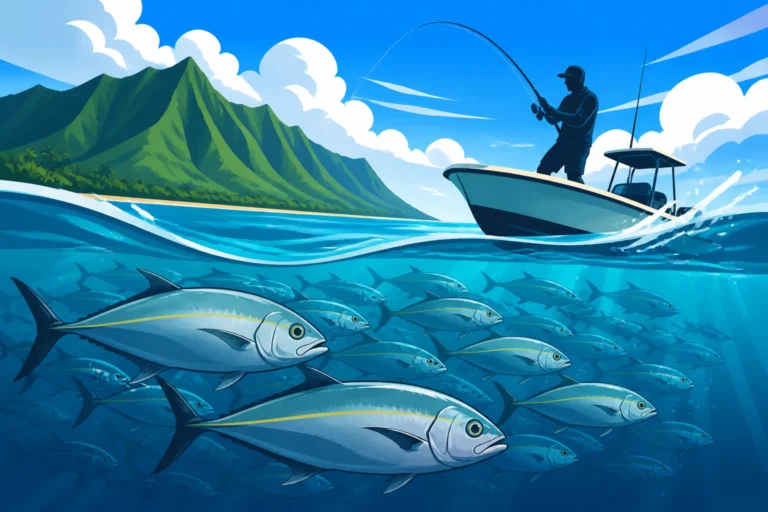
Their hunting strategy is defined by speed and aggression. They are visual predators, and their excellent eyesight combined with their explosive acceleration makes them incredibly effective hunters. Their diet as adults expands to include larger pelagic baitfish like flying fish, mackerel scad (opelu), and squid. They will often hunt in schools, herding baitfish to make attacks more efficient. This often leads to spectacular surface action, with mahimahi leaping and slashing through schools of prey. Their predatory nature means they are often found alongside other pelagic species, creating exciting opportunities for anglers targeting multiple species with techniques like Trolling Techniques for Hawaii Pelagics.
Identifying a Mature Mahimahi
Distinguishing adult mahimahi involves observing their size, shape, and sometimes subtle color variations. Males, known as bulls, develop a distinctive, steep, and blunt forehead, which becomes more pronounced as they age. This gives them a powerful, almost imposing appearance compared to the females, or cows, who retain a more rounded head profile. Both sexes display the characteristic iridescent blue, green, and gold colors, but the intensity can vary based on their excitement level and health.
Adult mahimahi can grow quite large, with many caught in Hawaii ranging from 15 to 40 pounds, though much larger specimens are certainly possible. The Hawaii Pelagic Species Bag Limits often specify regulations based on species, and while mahimahi usually have generous limits due to their abundance and rapid reproduction, it's always good to be aware of them. The sheer size and power of a large mahimahi on the line are unforgettable, a true testament to their efficiency as ocean predators.
The Circle of Life: Lifespan, Predators, and Environmental Impact
Despite their impressive growth and predatory prowess, mahimahi live a short, intense existence. Their life cycle is a delicate balance, constantly influenced by the hungry mouths of other ocean inhabitants and the ever-changing conditions of their marine environment.
How Long Do Mahimahi Live?
One of the most surprising facts about mahimahi is their incredibly short lifespan. Most mahimahi live for only about 3 to 5 years, with some possibly reaching 6 or 7 years under ideal conditions. This short life cycle is intrinsically linked to their rapid growth and early maturation. They grow quickly, reproduce prolifically, and then, after a few years of contributing to the population, their time in the ocean comes to an end.
This "live fast, die young" strategy is a common one among highly productive pelagic species. It allows them to quickly capitalize on abundant food resources and rapidly replenish their numbers, even in the face of significant fishing pressure and natural predation. It's a reminder of the dynamic nature of marine ecosystems and how different species adopt unique strategies for survival. Because of this short lifespan, they are constantly reproducing, making them a sustainable target for responsible anglers.
Natural Predators of Mahimahi
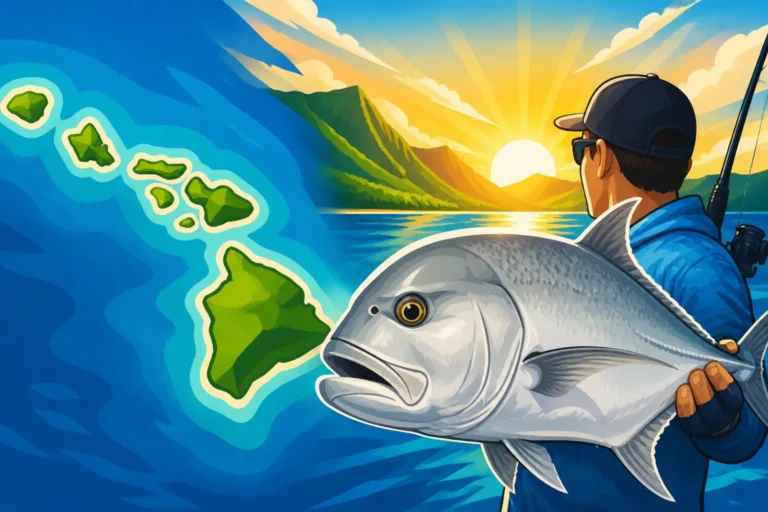
Even though adult mahimahi are formidable predators themselves, they are not at the top of the food chain indefinitely. They serve as a vital food source for larger pelagic predators in Hawaiian waters. Chief among these are larger tuna species (like ahi), various sharks, and billfish, including marlin and spearfish. Even large ulua (giant trevally) found closer to shore can prey on smaller mahimahi.
The constant threat of predation is another reason for their rapid growth and schooling behavior. There's safety in numbers for the juveniles, and larger size offers a degree of protection for adults. This dynamic interaction between predator and prey is fundamental to maintaining the health and balance of the open ocean ecosystem. It's a testament to the Hawaiian fishing food chain that the same waters where anglers search for mahimahi also hold the bigger gamefish that prey upon them.
Impact of Ocean Conditions
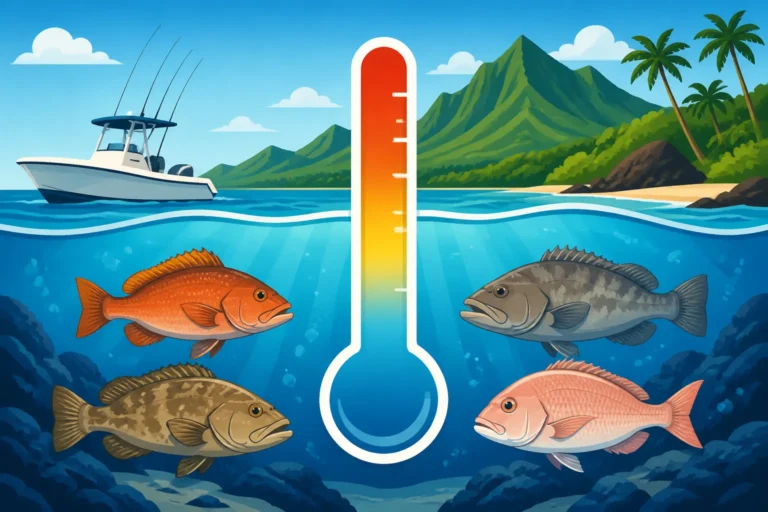
The mahimahi life cycle is highly sensitive to prevailing ocean conditions. Water temperature is perhaps the most critical factor, as they thrive in warm tropical and subtropical waters. Changes in ocean temperature, whether due to seasonal shifts or broader climate patterns, can influence their distribution, spawning success, and growth rates. Ocean currents also play a significant role, not only in dispersing their eggs and larvae but also in concentrating food sources and carrying floating debris that provides shelter.
El Niño and La Niña events, for instance, can significantly alter ocean temperatures and current patterns, leading to shifts in where mahimahi are most abundant. A strong current can bring in new baitfish schools, creating a feeding frenzy, while unusually cold water can drive them away. The availability of food, which is also influenced by these oceanographic factors, directly impacts their growth and overall health. Anglers who follow the weather and ocean reports often have better luck, as these conditions are prime indicators of where the fish might be. Some anglers even use specialized apps available on platforms like Amazon to track currents and water temperatures before heading out.
| Life Stage | Approximate Size | Key Characteristics | Diet |
|---|---|---|---|
| Egg | < 1 mm | Pelagic, translucent, floats freely | None (yolk sac) |
| Larvae | 1 mm – 1 cm | Extremely fragile, poor swimmers, drift with plankton | Zooplankton, microscopic organisms |
| Juvenile | 1 cm – ~60 cm (2 ft) | Fast growth, often school under floating debris | Small fish, squid, crustaceans (around debris) |
| Adult | ~60 cm+ (2 ft+) to 180+ cm (6 ft+) | Very fast growth, sexually mature, migratory, schooling | Flying fish, opelu, squid, larger baitfish, crustaceans |
Ensuring a Future for Mahimahi: Conservation and Management
Given the mahimahi's popularity as a food fish and sportfish, responsible management and sustainable fishing practices are paramount to ensure healthy populations for future generations. Fortunately, their "live fast, die young" strategy helps them withstand fishing pressure better than some other, slower-growing species.
Fishing Regulations in Hawaii
To maintain healthy mahimahi populations, Hawaii has implemented a set of fishing regulations. These typically include bag limits, which specify the maximum number of fish an individual angler can keep per day. While specific numbers can vary and it's always best to check the latest guidelines from the Hawaii Division of Aquatic Resources (DAR), mahimahi often have fairly generous bag limits compared to more vulnerable species, reflecting their high reproductive capacity.
Unlike some reef fish, mahimahi generally do not have minimum size limits. This is partly due to their rapid growth and the fact that most fish caught are already of a good size. However, adherence to all regulations, including those for other species you might encounter, is critical for sustainable fishing. Always ensure you are familiar with the current Hawaii Fishing Regulations Explained before heading out. These rules are in place not to hinder anglers, but to protect the marine ecosystem.
Sustainable Practices for Anglers
For recreational anglers, adopting sustainable practices goes beyond simply following the rules. It's about a mindset of respect for the resource.
- Catch and Release: While mahimahi are excellent eating fish, practicing catch and release, especially for smaller individuals or when you've already filled your cooler, helps ensure more fish can grow and reproduce. Learning proper catch and release techniques minimizes stress on the fish and maximizes their survival chances.
- Responsible Harvesting: Only take what you need and will consume. Avoid over-harvesting, even if you are within the legal bag limit.
- Gear Selection: Use appropriate gear for the size of fish you are targeting. This minimizes fight time, reducing stress on the fish if you plan to release it, and ensures a cleaner catch if you plan to keep it. Many reputable tackle brands can be found on Amazon, offering a wide array of sustainable fishing gear.
- Fish Aggregating Device (FAD) Etiquette: FADs are vital for both fishing and fish aggregation. Practice good FAD etiquette by not monopolizing them, keeping a respectful distance, and avoiding damage to the buoys or their moorings.
The Role of Scientific Research
Ongoing scientific research plays a crucial role in understanding mahimahi populations and informing management decisions. Scientists study their migration patterns, growth rates, reproductive cycles, and the impacts of environmental changes and fishing pressure. This data helps state and federal agencies make informed decisions about bag limits, seasons, and other regulations to ensure that mahimahi populations remain healthy and robust.
Anglers can also contribute to this research by accurately reporting their catches, participating in tagging programs, and respecting scientific closures or data collection efforts. A collaborative approach between anglers, researchers, and resource managers is the most effective way to ensure the long-term health of Hawaii's mahimahi, allowing generations to come to experience the thrill of encountering these magnificent fish.
Disclaimer
This article is for general informational purposes only and does not constitute professional advice. Laws, prices and regulations vary by location and change over time. Consult a qualified professional for guidance on your specific situation.