Where marlin get the biggest off Kona
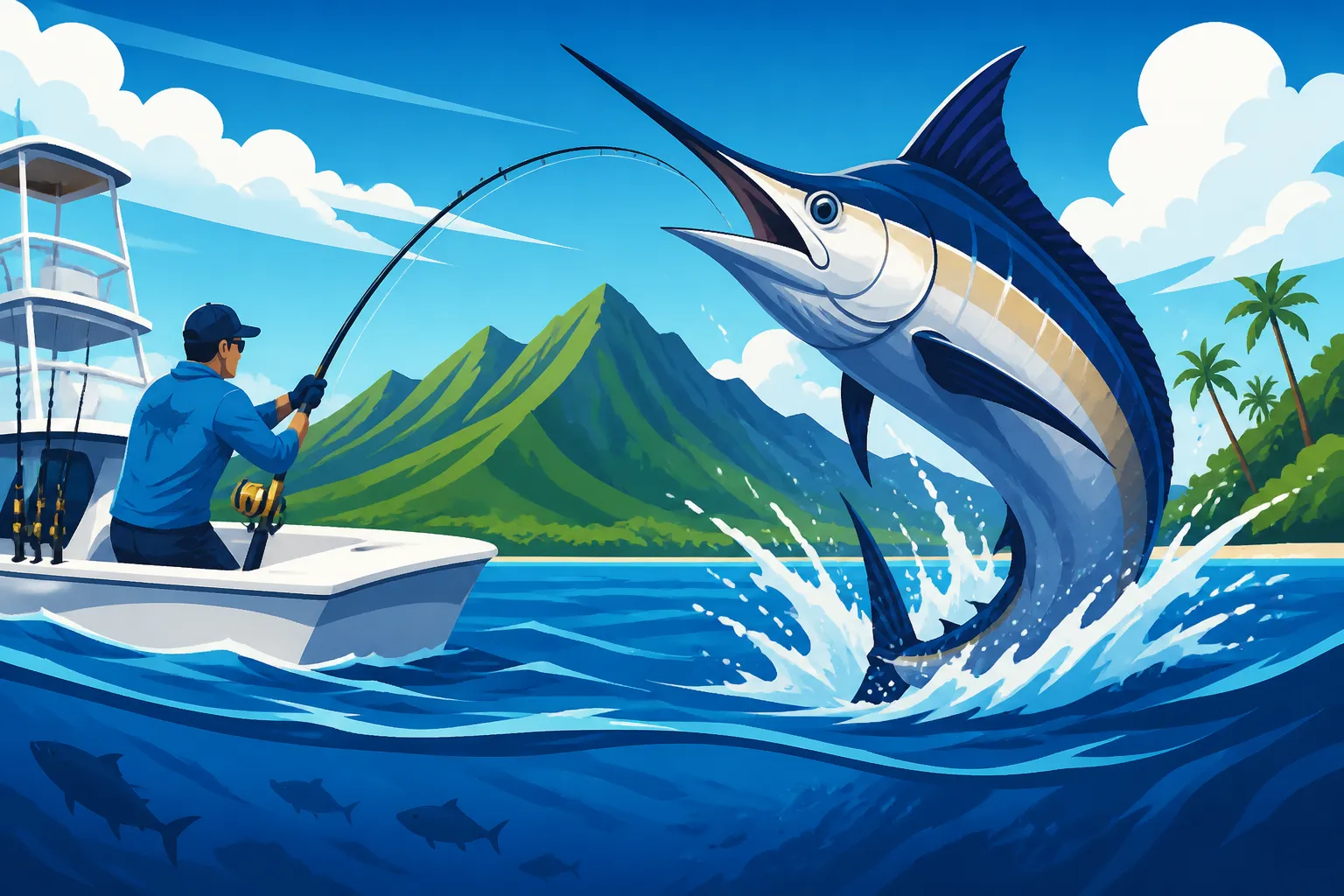
One of the most persistent dreams for any angler visiting Hawaii, especially the Big Island, is to hook into a true monster marlin. People spend countless hours, dollars, and dreams chasing after that elusive "grander" – a marlin weighing over a thousand pounds. But knowing where these giants are most likely to roam, beyond just "off Kona," can feel like searching for a needle in a vast, blue haystack. This guide is here to shed light on the specific areas, conditions, and insights that can increase your chances of finding the biggest marlin off the legendary Kona Coast.
Understanding Kona's Unique Marlin Fishery
The Kona Coast isn't just famous for its coffee; it's world-renowned for its marlin fishing, particularly for the magnificent blue marlin. There's a reason why so many anglers travel here from around the globe with a singular focus on these powerful pelagic predators. The geography here creates a perfect storm for big game fishing, unlike almost anywhere else on Earth.
Why Kona is a Marlin Hotspot
What makes Kona so special? It boils down to a remarkable combination of geology, oceanography, and biology. Unlike many other major fishing destinations, the Big Island boasts an incredibly steep drop-off just offshore. You can be fishing in hundreds or even thousands of feet of water within a mile or two of the coast. This deep-water proximity means that large pelagic species, which typically prefer open ocean environments, can feed and thrive remarkably close to land. This phenomenon is often referred to as "the Kona drop-off" and creates a natural highway for migrating fish.
Furthermore, the Big Island's volcanic shield acts as a massive current deflector. As the powerful North Pacific currents encounter the island, they create upwellings and eddies that bring nutrient-rich colder water from the depths closer to the surface. This nutrient surge fuels the entire food chain, attracting massive schools of baitfish like skipjack tuna (aku), mackerel scad (opelu), and various other small tunas. Where there's abundant bait, there are apex predators like marlin, and particularly the bigger ones that need a significant food source to sustain their immense size. It's this continuous flow of food and favorable habitat that solidifies Kona's reputation as a prime marlin destination, consistently producing some of the largest blue marlin on record. To truly appreciate the local fishery, it helps to understand Marlin Fishing off the Kona Coast.
Different Marlin Species off Kona
While blue marlin are the undisputed kings of Kona, attracting the most attention for their immense size and fighting prowess, it's important to remember that they aren't the only marlin species swimming these waters. Striped marlin are also common, especially during certain times of the year, though they rarely reach the gargantuan sizes of their blue counterparts.
- Blue Marlin: These are the giants, the ones everyone dreams of. Female blue marlin grow much larger than males, and it's these big females that account for the grander catches. They are powerful, aggressive, and can put on an aerial show that will leave you breathless. Blue marlin are a year-round presence off Kona, though certain seasons see higher concentrations. Their sheer power and size demand heavy tackle and experienced hands. Understanding How big marlin get off the Kona Coast can give you an idea of the monsters that lurk beneath.
- Striped Marlin: Smaller and more slender than blue marlin, striped marlin are nevertheless beautiful and feisty game fish. They are characterized by their distinctive vertical stripes (which fade quickly after death) and a more pronounced dorsal fin. While a "big" striped marlin might be a couple of hundred pounds, they are excellent sport on lighter tackle and often provide incredible jumps and runs. They tend to be more seasonal than blue marlin, with their peak usually occurring during the cooler months. Knowing Blue Marlin vs Striped Marlin Identification is key to recognizing your catch.
Both species are incredible, but if you're chasing truly monumental sizes, the focus will almost always be on the blue marlin.
Key Areas Where Big Marlin Roam
The Kona Coast is a long stretch, and while marlin can theoretically be found anywhere offshore, certain zones and features consistently hold the biggest fish. These aren't secret spots, but rather well-known areas that charter captains and experienced local anglers frequent due to their proven productivity.
The Kona Coastline and Its Depths
The beauty of fishing off Kona is that the deep water, which big marlin inhabit, is incredibly close to shore. You don't have to motor for hours and hours to reach prime grounds. This is a game-changer for anglers and a big reason for Kona's reputation.
- The Grander Lane: This is a term you'll hear often, and it refers to the deep waters running parallel to the Kona coastline, roughly within a few miles offshore. This "lane" follows the sharp drop-off, where depths plunge from a few hundred feet to thousands. It's essentially a superhighway for baitfish, which in turn attracts the predators. Big blue marlin cruise this lane, patrolling for schools of skipjack, mackerel, and other prey. Charter boats will often troll up and down this stretch, especially from Kailua-Kona south to Honokohau Harbor and beyond. The consistent presence of deep water and bait makes it a prime hunting ground for trophy fish. This is where many of Kona's record-breaking blue marlin have been caught, some within sight of land. It's a testament to the unique geological structure of the Big Island.
- Volcanic Ridges and Canyons: The underwater topography off Kona is not a flat, featureless plain. It's a rugged landscape of submerged volcanic ridges, pinnacles, and canyons. These structures create current breaks and upwellings that concentrate baitfish, making them irresistible to hungry marlin. While these features might be several miles offshore, their impact on fish aggregation is significant. Experienced captains use their sonar and long-honed knowledge to pinpoint these subtle underwater changes. A good captain will know exactly how to work these features, whether by trolling over them or drifting live bait nearby.
Offshore Seamounts and FADs
While the "Grander Lane" along the coast is productive, big marlin don't just stay inshore. They are pelagic wanderers, and certain offshore features act as magnets for both bait and the predators that follow them.
- Seamounts: Submerged mountains, or seamounts, rise from the ocean floor and create their own ecosystems. The upwelling currents around these underwater peaks bring nutrients to the surface, creating vibrant feeding grounds far offshore. These are prime locations for schooling baitfish, which then attract larger predators like ahi (yellowfin tuna), ono (wahoo), mahimahi, and, of course, large marlin. Fishing around seamounts often requires a longer run out, but the rewards can be immense, as these isolated oases in the open ocean are often where the biggest fish reside.
- Fish Aggregating Devices (FADs): The State of Hawaii has deployed numerous FADs (buoys) offshore. These FADs act as artificial reefs, attracting baitfish and other pelagic species. While often known for concentrating schooling tuna species like ahi and aku, big marlin will also patrol these FADs, seeing them as convenient feeding stations. It's not uncommon for a massive blue marlin to be lurking deeper around a FAD, waiting to ambush any unsuspecting tuna that ventures too close. Many of these FADs are located at varying distances offshore, providing additional targets for captains to explore. You can often find FAD coordinates online or through a good charter operator. When planning your trip, consider checking out Best Deep Sea Fishing Spots in Hawaii.
Factors Influencing Big Marlin Presence
Finding the biggest marlin isn't just about knowing where to go; it's also about understanding when and why they might be there. Several environmental and biological factors play a crucial role in the presence and activity of trophy marlin.
Baitfish Concentrations
Marlin, especially the biggest ones, are opportunistic predators, and their movements are heavily dictated by the availability of food. They need a lot of calories to sustain their massive bodies.
- Skipjack Tuna (Aku): Aku are arguably the most important baitfish for big marlin off Kona. These fast-swimming schooling tunas are abundant in Hawaiian waters and form the bulk of a marlin's diet. When schools of aku are thick along the coast or around offshore FADs, you can bet that marlin are not far behind. Savvy captains will often look for diving birds or porpoise schools, which are reliable indicators of aku concentrations. Big marlin will follow these schools, ambushing them from below.
- Mackerel Scad (Opelu): Another significant baitfish, opelu are often found closer to shore and can be caught using sabiki rigs or small hooks with bait. They make excellent live bait for marlin, particularly for those targeting truly immense fish. Marlin will cruise the reef edges and ledges where opelu tend to school. Understanding What marlin eat off the Kona Coast is fundamental to successful fishing. If you're looking for baitfish, you might find some useful casting nets or sabiki rigs on platforms like Amazon.
- Other Forage: Beyond aku and opelu, marlin will also feed on mahimahi, ono, other smaller tunas, and even squid. Anything that presents an easy meal in their deepwater cruising grounds can become prey. The presence of any dense schooling bait is a good sign that big predators are in the vicinity.
Water Conditions
Marlin are highly sensitive to changes in their environment, and water conditions can be a huge predictor of their presence and activity.
- Water Temperature: Blue marlin prefer warmer water, typically in the 75-82°F (24-28°C) range. While Kona's waters are consistently warm, subtle temperature breaks or eddies where warmer and cooler waters meet can concentrate baitfish and, consequently, marlin. These temperature anomalies create feeding zones that skilled captains can identify using their electronics.
- Currents: Ocean currents are vital. Strong currents can push baitfish into concentrated areas, making them easier targets for marlin. Conversely, stagnant water can be less productive. Kona's unique geographical setup means that currents are always a factor, creating rips, eddies, and upwellings that are constantly shifting. Understanding how these currents affect bait and marlin movement is a key skill for any successful captain.
- Clarity: While not as critical for offshore pelagics as it might be for inshore species, clear blue water is generally preferred. Murky, off-color water can sometimes indicate less productive fishing, though big marlin are adaptable.
Seasonal Patterns
While blue marlin are present year-round off Kona, there are definitely peak seasons when the chances of encountering a truly massive fish are higher.
- Summer (June-September): This is widely considered the peak "grander season" for blue marlin off Kona. The waters are warmest, and the baitfish populations, especially aku, are often at their highest. The long, calm days of summer are ideal for spending extended hours on the water, trolling large lures or live baits. Many of Kona's largest marlin are caught during these months.
- Fall (October-November): Fishing remains excellent into the fall, though the peak numbers might start to decline slightly. Big blue marlin are still around, and the weather often remains favorable. This can be a great time to fish as the crowds might thin a bit compared to the high summer season.
- Winter (December-February): While blue marlin are still present, the winter months often see higher numbers of striped marlin. The water can be a bit cooler, and conditions can be choppier, but big blues are still caught. Winter fishing offers a different challenge and reward.
- Spring (March-May): As waters begin to warm up, blue marlin numbers start to increase again. Spring can be a transitional period but can still be very productive, especially as the season progresses towards summer. Many anglers target blue marlin during this time, often finding them very active. For specific timing, you might want to review Best time to fish Kona in summer.
How Anglers Target Trophy Marlin
Successfully catching the biggest marlin off Kona requires not just being in the right place at the right time, but also employing the right techniques and having the right gear. It's a blend of science, art, and brute strength.
Trolling Techniques and Lure Selection
Trolling is the most common method for targeting marlin off Kona, especially for covering a lot of ground in the "Grander Lane."
- Spreader Bar and Daisy Chain Rigs: These rigs, often made of multiple teasers (squid or other baitfish imitations) followed by a hooked lure, are designed to create a "school" effect in the water. This mimics a baitball, triggering the predatory instincts of a marlin. They work exceptionally well to attract marlin from a distance and draw them into the spread.
- Large Lures: For the biggest marlin, you need big lures. Captains use a variety of skirted lures, often in vibrant colors like purple, black, blue, pink, or green, designed to imitate larger baitfish like tuna or mahimahi. The size of the lure is key – you're trying to appeal to a fish that weighs hundreds, if not over a thousand, pounds. Lures with a significant profile and enticing action are preferred. If you're looking to stock up on marlin lures, reputable online retailers like Amazon offer a wide selection, though your charter captain will undoubtedly have their proven favorites.
- Trolling Speed and Pattern: Trolling speed is critical, usually between 7-10 knots, depending on sea conditions and the lures being pulled. Captains will also employ specific trolling patterns, such as S-curves or figure-eights, to vary the speed and depth of the lures, making them appear more erratic and enticing to a following marlin. The goal is to make your spread look as irresistible as possible. For more details on what works, check out Best Lures for Marlin Trolling off Kona.
Live Baiting for Giants
While trolling lures is effective, many serious trophy hunters believe that live baiting is the most potent method for hooking truly immense marlin.
- Using Skipjack Tuna (Aku) as Bait: A live aku, especially a healthy one weighing 5-10 pounds, is a marlin's favorite meal. The challenge is catching them first. Captains will often spend the early morning hours catching fresh aku, either by trolling small lures or using green sticks, before transitioning to marlin grounds. The live aku is then rigged with a large circle hook, either slow-trolled or drifted in productive areas. There's nothing quite like the excitement of a marlin striking a live bait, often with an explosive surface bite.
- Drifting and Kite Fishing: When live baiting, captains might drift over promising areas, allowing the live aku to swim freely, drawing attention from nearby predators. Kite fishing, where a live bait is suspended from a kite, keeps the bait on the surface and creates a commotion that marlin find irresistible. This technique allows for a very natural presentation and can be incredibly effective for enticing a bite from a wary trophy fish. Many charters specializing in trophy marlin will employ these advanced live bait techniques, especially during peak seasons when the biggest fish are actively feeding. You can find specialized kite fishing gear and heavy-duty rods and reels perfect for live baiting on platforms like Amazon if you're looking to gear up.
When you're ready to put these techniques into action, considering a charter is often the best way to go. A good starting point would be to research Best Marlin Charters off the Kona Coast to find a reputable captain with experience in targeting these magnificent fish.
| Kona Marlin Hotspot | Typical Depth Range (Feet) | Primary Target Species | Best Time of Year | Key Feature |
|---|---|---|---|---|
| Grander Lane | 600 – 3,000+ | Blue Marlin | Summer, Fall | Steep drop-off near shore, current breaks |
| FAD Buoys | 1,000 – 6,000+ | Blue Marlin, Ahi | Year-round | Bait aggregation, offshore structure |
| Offshore Seamounts | 1,000 – 4,000+ | Blue Marlin, Ahi | Year-round | Upwellings, isolated feeding grounds |
| Specific Canyons | 800 – 2,500 | Blue Marlin | Year-round | Current funnels, concentrated bait |
This article is for general informational purposes only and does not constitute professional advice. Laws, prices and regulations vary by location and change over time. Consult a qualified professional for guidance on your specific situation.