What a peacock bass is and where they were introduced
It's easy to picture Hawaii as a paradise of endless blue ocean, teeming with marlin, ahi, and beautiful reef fish. But what if I told you there’s a vibrant, often overlooked freshwater fishing scene here, home to an incredibly aggressive and stunning fish called the peacock bass? Many anglers, even seasoned visitors, are completely surprised to learn these colorful, hard-fighting fish exist in our islands. This guide is going to pull back the curtain on these incredible introduced species, explaining exactly what a peacock bass is, why they're here, and where you can find them for an unforgettable angling experience in Hawaii's unique freshwater environments.
The Allure of Peacock Bass: Not Your Typical Hawaiian Catch
When you think of fishing in Hawaii, images of deep-sea trolling for giant pelagics or whipping for papio along rocky coastlines probably spring to mind. But tucked away in some of our larger freshwater reservoirs is a hidden gem that offers a completely different, yet equally thrilling, challenge: the peacock bass. These aren't native, mind you, and their presence tells a fascinating story of human intervention and adaptation in our island ecosystems.
What Exactly is a Peacock Bass?
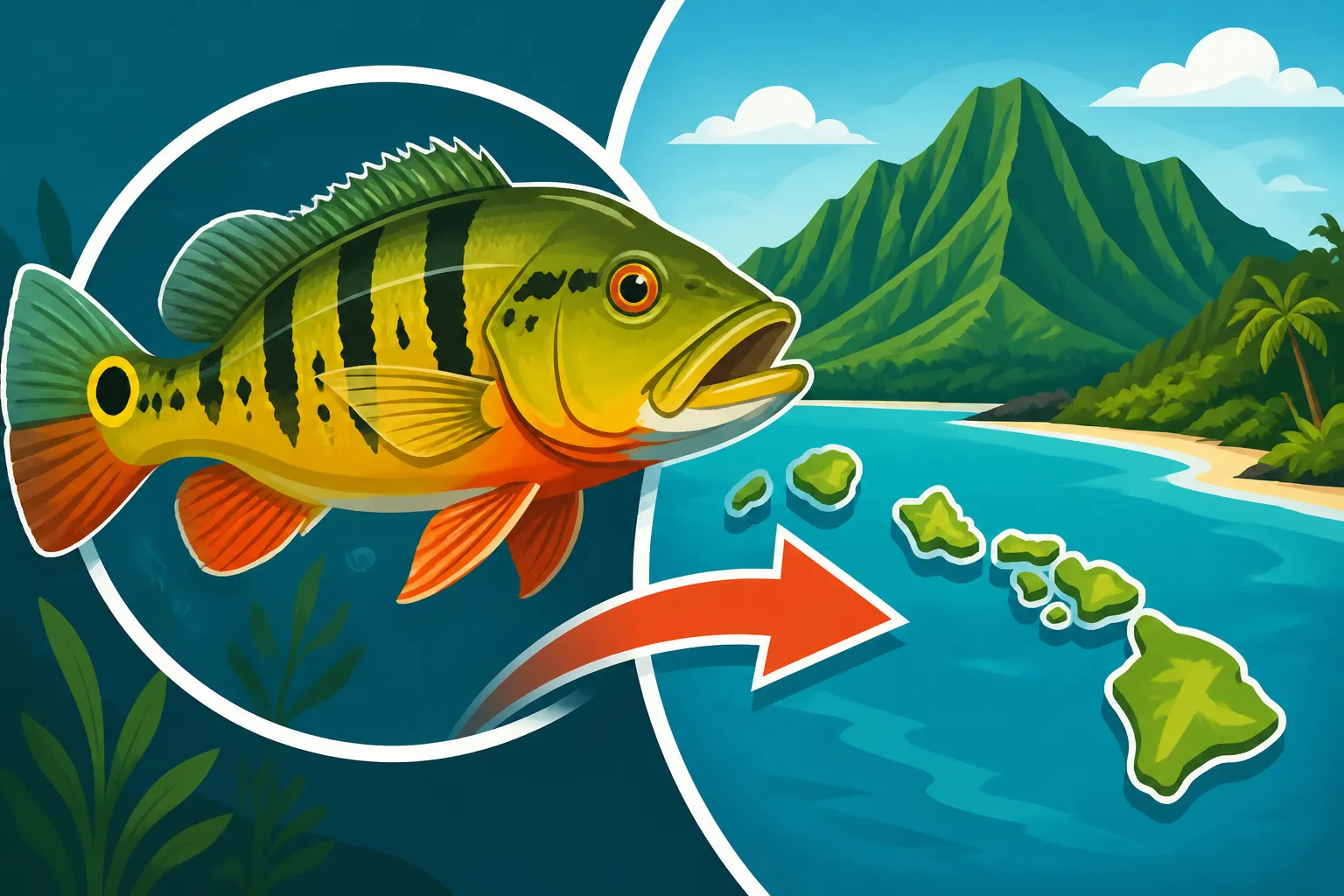
First things first, let's talk about what makes a peacock bass so special. Scientifically, they belong to the Cichla genus, and they're not actually true bass (which are usually in the Morone or Micropterus genera). Instead, they're part of the cichlid family, native to the Amazon and Orinoco basins of South America. Imagine a fish that combines the aggressive strike of a largemouth bass with the vibrant, almost iridescent colors of a tropical aquarium fish, and you're getting close. Their bodies are typically olive green or gold, adorned with three prominent black vertical bars and a distinctive black spot encircled with gold on their caudal fin—resembling a peacock's eye feather, hence the name.
These fish are pure predators. They are known for their explosive strikes and powerful fights, making them a prime target for sport fishermen. They primarily feed on smaller fish, ambushing them from cover or actively pursuing them in open water. Here in Hawaii, their diet might include tilapia, guppies, and other small introduced freshwater species. Anglers often describe the "thump" of a peacock bass strike as one of the most exciting sensations in freshwater fishing, a truly adrenaline-pumping experience that can rival many saltwater encounters.
Why Peacock Bass in Hawaii? A Story of Introduction
So, how did a fish from the Amazon end up in the middle of the Pacific Ocean? The story of peacock bass in Hawaii isn't unique; many species were introduced to the islands for various reasons, often with mixed results. Peacock bass, specifically the speckled peacock bass (Cichla temensis), were first brought to Hawaii in the early 1950s. Their introduction was primarily driven by the desire to establish a new, exciting sport fish for local anglers and to provide a biological control for undesirable introduced fish species like tilapia, which had become abundant in some reservoirs. They were also seen as a potential food source.
The initial introductions were made into specific freshwater reservoirs on Oahu, under the careful management and oversight of what is now the Division of Aquatic Resources (DAR). The idea was to create a contained fishery where these fish could thrive without posing an immediate threat to Hawaii's extremely fragile native aquatic ecosystems, which are predominantly found in streams and estuaries, not the landlocked reservoirs where peacock bass were placed. This careful, albeit controversial, approach has allowed them to establish a healthy, self-sustaining population in these specific locations, offering a unique angling opportunity not found anywhere else in the state. If you're curious about other species that have been introduced, check out our guide on Introduced freshwater species stocked in Hawaii.
Where to Find Peacock Bass in Hawaii: Specific Spots
Hawaii isn't exactly brimming with freshwater lakes, which is why the locations where peacock bass thrive are so special and well-known among local freshwater anglers. These spots offer a stark contrast to the vastness of the Pacific, providing a tranquil, verdant backdrop for a different kind of Hawaiian fishing adventure.
Oahu's Freshwater Hotspots: Wahiawa and Nuuanu Reservoirs
When it comes to peacock bass fishing in Hawaii, two names dominate the conversation: Wahiawa Public Fishing Area (also known as Lake Wilson) and Nuuanu Reservoir, both on the island of Oahu. These are the primary freshwater fishing destinations where you can reliably find peacock bass, alongside other introduced species like largemouth bass, tilapia, and channel catfish.
Wahiawa Reservoir, often referred to as Lake Wilson, is by far the most popular and accessible spot for peacock bass on Oahu. It's a large, sprawling reservoir located in central Oahu, fed by the Kaukonahua Stream. The reservoir is known for its varied structure, including submerged trees, rock piles, and points, which provide excellent habitat for peacock bass. Access is relatively easy, with designated fishing areas and boat launches available. Many anglers target peacock bass here from shore, especially around the dam area and accessible points, but fishing from a small boat, kayak, or float tube often yields the best results, allowing you to reach prime spots away from the bank. Before you head out, make sure you're up to date on all the specific rules and regulations. You can find detailed information in our article, Hawaii Wahiawa Reservoir Fishing Rules, and also specifically regarding permits in Hawaii Wahiawa Reservoir freshwater license requirement.
Nuuanu Reservoir is another location, though historically less prominent for peacock bass than Wahiawa. Nuuanu consists of several smaller reservoirs nestled in the lush Nuuanu Valley, just above Honolulu. Access here is often more restricted and can vary, so it's always critical to check current regulations before planning a trip. These reservoirs offer a different fishing experience, often more intimate and surrounded by dense forest, providing a sense of solitude. While peacock bass are present, the populations might not be as robust or as easily accessible as at Wahiawa. For those interested in exploring this area, it's vital to consult resources like Hawaii Nuuanu Reservoir fishing rules to understand access points and specific guidelines.
The Challenges and Realities of Hawaiian Freshwater Fishing
It’s important to set realistic expectations when planning a freshwater fishing trip in Hawaii. Unlike some mainland states with countless lakes and rivers, our options are limited. This means that while the fishing can be fantastic, it often requires a bit more planning and patience. The fish in these reservoirs can be pressured, and conditions like water levels and clarity can fluctuate, impacting catch rates.
Furthermore, freshwater fishing in Hawaii operates under specific regulations, and unlike ocean fishing for residents, a freshwater license is required for most anglers. This often comes as a surprise to visitors who assume all Hawaii fishing is license-free. These regulations are in place to help manage these unique fisheries and ensure their sustainability. Always make sure you have the proper Hawaii Freshwater Fishing License and Rules documentation before casting a line. While the pursuit can sometimes be challenging, the reward of hooking into a powerful peacock bass against the backdrop of Oahu's green mountains is an experience you won't soon forget. For more general information on where to cast your line, check out Best Freshwater Fishing Spots in Hawaii.
Understanding the Impact: Peacock Bass in Hawaii's Ecosystem
The introduction of any non-native species, no matter how well-intentioned, always carries ecological implications. While peacock bass provide a thrilling sport fishery, their presence in Hawaii's freshwater systems isn't without its complexities. It's a delicate balance that fishery managers constantly monitor and adapt to.
Ecological Considerations and Management Efforts
When peacock bass were introduced, the aim was to utilize them as a predator to control burgeoning populations of nuisance fish like tilapia, which can outcompete native species and degrade water quality if left unchecked. In the contained environments of reservoirs, where there are no native stream fish to directly prey upon, this strategy had some success. The peacock bass established themselves and did indeed help manage other introduced species. However, the long-term impacts of any introduced predator are always a subject of ongoing study.
The Hawaii Division of Aquatic Resources (DAR) continuously monitors these fisheries. They conduct surveys, study fish populations, and adjust regulations as needed to maintain a healthy balance. The primary goal is to ensure that these introduced sport fish remain confined to their designated areas and do not spread into Hawaii's sensitive stream ecosystems, which are home to unique native gobies and other aquatic life. Anglers play a crucial role in this management by adhering to rules about not transferring fish between bodies of water. Understanding this context helps us appreciate the careful management that goes into maintaining these unique freshwater fisheries. It answers the question, Are Peacock Bass Native to Hawaii?, with a resounding no, underscoring their unique position in the islands' ecology.
Angler Responsibility and Best Practices
As anglers, we have a responsibility to be good stewards of the environment, especially when fishing for introduced species. When you're out fishing for peacock bass, consider your approach. Catch and release is a popular practice, particularly for larger, trophy-sized fish, allowing them to remain in the gene pool and provide future angling opportunities. However, for smaller fish, keeping some for the table can also be part of responsible management, especially if population numbers are robust. Peacock bass are excellent eating fish, with firm, white, flaky meat.
It is absolutely paramount that anglers never, ever, transport live fish from one body of water to another. This act, often called "bucket biology," can have devastating consequences for ecosystems if an introduced species establishes itself where it doesn't belong. Always be mindful of the regulations regarding the release of any fish you catch. By understanding these dynamics and practicing ethical angling, we can all help ensure that Hawaii's freshwater fisheries remain vibrant for years to come.
Gear and Techniques for Hawaiian Peacock Bass
Landing a Hawaiian peacock bass is a fantastic experience, but it requires the right gear and a good understanding of their behavior. These fish are powerful, aggressive, and often ambush predators, meaning your tackle needs to be robust and your techniques well-honed.
Essential Tackle for These Aggressive Fighters
When targeting peacock bass, think heavy-duty freshwater gear. You're not after panfish here; you're looking for a fish that hits like a freight train and fights dirty.
- Rods: A medium-heavy to heavy action spinning or baitcasting rod, typically in the 6'6" to 7'6" range, is ideal. You'll need enough backbone to handle powerful strikes and to pull fish away from submerged structure like trees or rocks. Brands like St. Croix, G. Loomis, or even more affordable options available on Amazon, offer excellent choices that can stand up to the challenge.
- Reels: Pair your rod with a sturdy spinning reel in the 3000-4000 series or a reliable baitcasting reel with a smooth drag system. These fish will test your drag, so ensure it's in top condition. Again, you can find a wide range of options on platforms like Amazon, from budget-friendly to high-performance models.
- Line: Braided line is a favorite among peacock bass anglers for its strength, sensitivity, and lack of stretch, which helps with hook sets. A 30-50 lb test braided line is a good starting point. You'll want to tie on a fluorocarbon leader of 20-30 lb test; this provides invisibility in clear water and abrasion resistance against their rough mouths and any sharp structure.
- Lures: Peacock bass are visual predators, and they love a flashy, noisy presentation.
- Topwater Lures: Poppers, walk-the-dog lures, and prop baits are incredibly effective, especially during low light conditions (dawn and dusk) or when fish are actively feeding on the surface. The explosive strikes on topwater lures are legendary!
- Subsurface Lures: Jerkbaits, lipless crankbaits, and swimbaits that imitate baitfish are excellent for covering water and targeting fish holding a bit deeper.
- Soft Plastics: Flukes, paddle tail swimbaits, and even large worms rigged weedless can be effective, especially around heavy cover.
- Jigs: Bucktail jigs or jigs dressed with soft plastic trailers can be worked along drop-offs or through submerged vegetation. When choosing lures, consider vibrant colors like chartreuse, orange, and firetiger, as well as natural baitfish patterns. For a great selection, many anglers turn to Amazon for a wide variety of peacock bass lures that aren't always available in local tackle shops.
Timing and Tactics for Success
Knowing what to throw is one thing, but knowing when and how to throw it makes all the difference.
- Best Times: Peacock bass are most active during warm, sunny periods. Unlike largemouth bass that often prefer overcast days, peacocks thrive in the heat. Early mornings and late afternoons (around sunrise and sunset) are often prime times for topwater action, but they can be caught throughout the day, especially on bright, sunny days when the water is warm.
- Structure is Key: Look for areas with submerged structure—fallen trees, rock piles, weed beds, and points that drop off into deeper water. Peacock bass love to ambush prey from cover. The edges of lily pads or other aquatic vegetation are also prime spots. In Wahiawa, this might mean casting along the banks that have submerged brush or targeting points that extend into the main body of the reservoir. Our article on Best peacock bass spots on Wahiawa Reservoir can give you even more specific ideas.
- Aggressive Retrieve: Don't be shy with your retrieve. Peacock bass are drawn to fast, erratic movements that mimic a distressed baitfish. For topwater lures, create plenty of commotion. For subsurface baits, use a retrieve with plenty of pauses and jerks. Vary your speed until you find what triggers a strike.
- Follow-Up Casts: If you get a blow-up on a topwater lure but the fish misses, cast right back to the same spot immediately. Peacock bass are notoriously aggressive and will often strike multiple times before connecting.
- Patience and Persistence: While they are aggressive, fishing can still have its slow periods. Persistence is key. Keep moving, trying different lures, and experimenting with retrieve styles until you crack the code for that particular day. Many of these techniques can also be adapted if you're targeting other species, so you might find some crossover tips in Best technique for largemouth bass in Wahiawa Reservoir.
Here's a quick comparison of the two main peacock bass fishing spots on Oahu:
| Feature | Wahiawa Public Fishing Area (Lake Wilson) | Nuuanu Reservoir |
|---|---|---|
| Location | Central Oahu | Nuuanu Valley, above Honolulu |
| Primary Access | Designated public fishing areas, boat launches | More restricted, check current regulations |
| Peacock Bass Population | Robust, well-established, popular | Present, but potentially less dense/accessible |
| Boat/Kayak Fishing | Highly recommended and popular | Possible, but check specific rules/access |
| Shoreline Fishing | Good access in designated areas | Limited, can be challenging dues to terrain |
| Habitat | Submerged trees, rock piles, points, weeds | Denser forest, some submerged structure |
| Fishing Pressure | Can be high, especially on weekends | Lower, due to access limitations |
| License Required | Yes (Freshwater) | Yes (Freshwater) |
Embarking on a peacock bass fishing adventure in Hawaii is truly a unique experience. It challenges your perceptions of what fishing in these islands can be, and it offers the thrill of battling one of the most exciting freshwater game fish in the world, right here in paradise.
Disclaimer
This article is for general informational purposes only and does not constitute professional advice. Laws, prices and regulations vary by location and change over time. Consult a qualified professional for guidance on your specific situation.