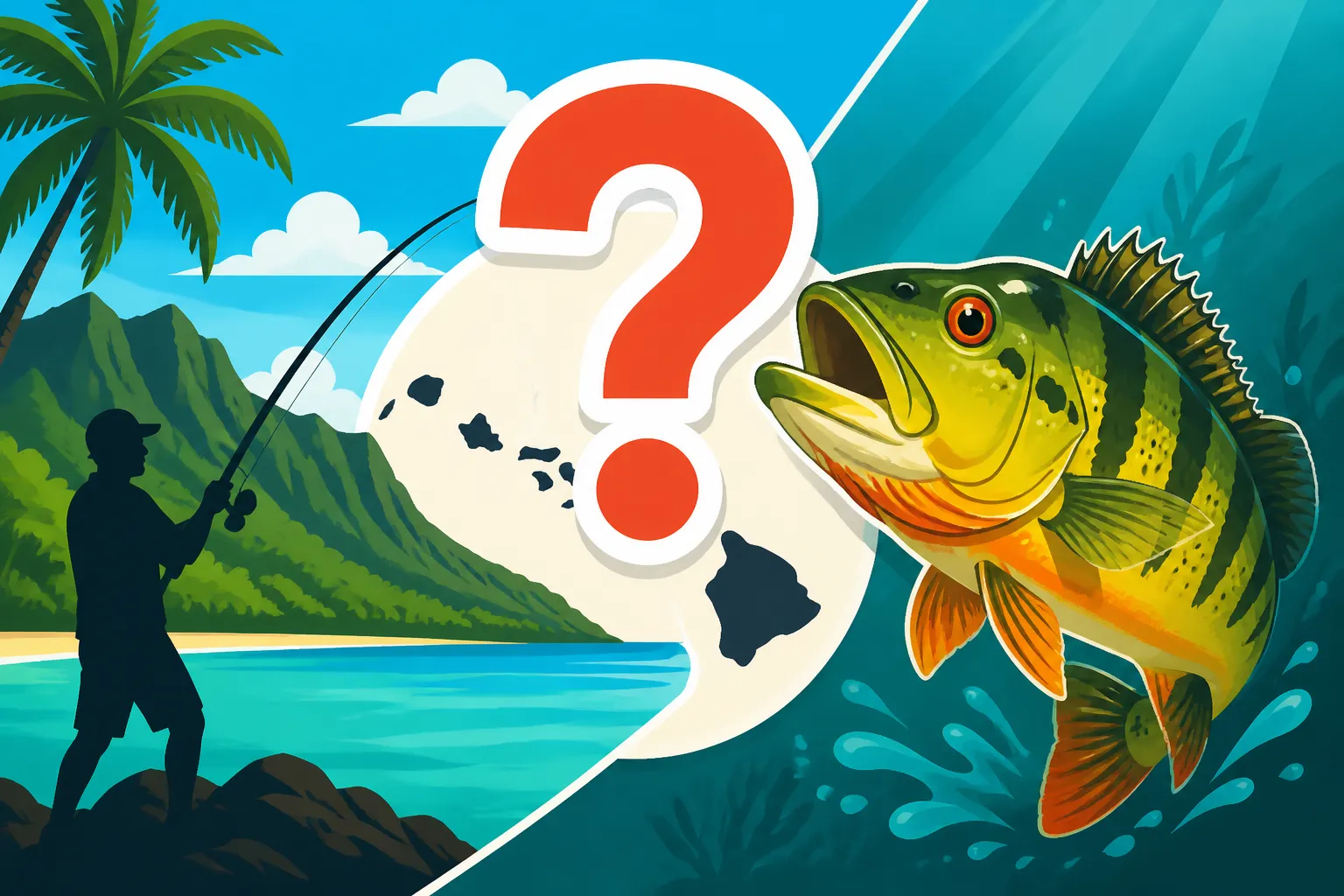
Are Peacock Bass Native to Hawaii?
It's a common question that pops up when talking about Hawaii's freshwater fishing scene: "Are peacock bass native to Hawaii?" Many anglers, especially those new to the islands, are surprised by the answer. The truth is, these vibrant, hard-fighting fish are not originally from Hawaii, and understanding their journey here is key to appreciating both their presence and the unique freshwater fishing opportunities they provide. This guide will dive into the origins of the peacock bass, how they found their way to Hawaii, and what their presence means for anglers and the local environment.
The Truth About Peacock Bass in Hawaii: Not Native!
Let's clear the air right off the bat: no, peacock bass are absolutely not native to the Hawaiian Islands. While they've become a prized sportfish in certain freshwater reservoirs, they were intentionally introduced, much like many other popular game species found throughout the islands. This might come as a shock to some, especially since they've adapted so well to their new home, but their roots lie far from the Pacific.
Where Do Peacock Bass Actually Come From?
Peacock bass, or Cichla species, are originally denizens of the Amazon River basin and other tropical and subtropical regions of South America. Think vast, slow-moving rivers, flooded forests, and nutrient-rich waters stretching across countries like Brazil, Colombia, Venezuela, and Peru. In their native habitats, they are apex predators, known for their aggressive strikes and powerful fights.
These fish are truly stunning, with their distinctive patterns of dark bars or spots, often accompanied by iridescent greens, yellows, and oranges, culminating in the "peacock" eye-spot (ocellus) near the base of their caudal fin. They thrive in warm water, which is why Hawaii’s climate provides a surprisingly suitable environment for them. In their natural range, they play a crucial role in the ecosystem, keeping populations of smaller fish in check. Anglers from all over the world travel to the Amazon just to experience the thrill of catching these magnificent creatures, using everything from large topwater lures to live bait. The experience is legendary among freshwater sportfishing enthusiasts.
The Story of Their Introduction to Hawaii
So, if they're from South America, how did peacock bass end up in Hawaii? Their introduction wasn't an accident; it was a deliberate effort by resource managers in the mid-20th century, specifically in the 1950s. The primary reason was to establish a new sport fishery in Hawaii's freshwater reservoirs. At the time, the islands had very few native freshwater fish species suitable for recreational angling. The vision was to create exciting new opportunities for anglers, diversifying the fishing landscape beyond just the ocean.
The initial stockings occurred in several key reservoirs, with the Wahiawa Reservoir on Oahu becoming particularly famous for its thriving peacock bass population. Fish were brought in from various sources and released into these impoundments, which offered the warm, stable water temperatures and abundant forage fish that peacock bass needed to flourish. They quickly adapted, reproducing successfully and establishing strong populations. Over the decades, these introduced fish have provided countless hours of enjoyment for local and visiting anglers alike. It’s a classic example of an attempt to improve recreational opportunities that has largely succeeded from an angling perspective, but it also highlights the complexities of introducing non-native species into any ecosystem, no matter how well-intentioned. It wasn't just about sport; some introductions were also considered for food sources or even for controlling mosquito populations by preying on larvae, though sportfishing was the main driver for peacock bass.
Why Non-Native Species Matter: Ecological Impact
While the introduction of peacock bass has created a fantastic fishery, it's important to understand the broader implications of introducing any non-native species into a new environment. Hawaii, being an isolated island ecosystem, is particularly vulnerable to the impacts of introduced plants and animals.
Potential Effects on Native Hawaiian Ecosystems
When a non-native species like the peacock bass is introduced, it can exert pressure on the existing ecosystem in several ways. In Hawaii's freshwater environments, which historically had very few fish species, this pressure can be significant. Peacock bass are voracious predators, and while Hawaii doesn't have a large diversity of native freshwater fish for them to prey upon, they can still impact other aquatic life.
They might compete with existing fish populations (even other introduced species like largemouth bass or tilapia) for food resources or prime habitat. For example, if a peacock bass population explodes, it could outcompete other species for baitfish or invertebrate prey. They also have the potential to introduce diseases or parasites that native species might not have immunity to, although this risk is typically mitigated through careful quarantine procedures during initial introductions. The long-term effects are always a concern, especially in sensitive island environments where native species have evolved without such aggressive predators. It's a delicate balance that resource managers continually monitor.
Coexisting with Introduced Species: A Hawaiian Reality
Despite these potential ecological concerns, the reality in Hawaii is that many of its most popular freshwater game fish are, in fact, introduced. Species like largemouth bass, channel catfish, and various types of tilapia, along with the peacock bass, all have established thriving populations in the islands' reservoirs and streams. The freshwater ecosystems in Hawaii have largely adapted to these introductions over many decades.
The focus now is on responsible management and ensuring that these fisheries remain healthy without causing undue harm to the environment. Anglers play a crucial role in this, by adhering to Hawaii freshwater fishing license cost for residents and Hawaii freshwater license cost for nonresidents, following bag limits, and practicing ethical angling techniques. For instance, releasing larger peacock bass (or any trophy fish) ensures they can continue to spawn and contribute to the fishery. The State of Hawaii's Division of Aquatic Resources (DAR) manages these populations, often conducting studies and setting rules to maintain balance. While the ideal scenario is often to protect native ecosystems from any introduced species, in Hawaii's freshwater context, coexistence and responsible management of established introduced species is the practical reality.
Fishing for Peacock Bass in Hawaii: A Unique Experience
Even though they aren't native, peacock bass offer an incredibly exciting fishing experience in Hawaii. For many, catching one of these colorful, hard-fighting fish is a highlight of their trip to the islands, a stark contrast to the deep-sea pelagic action or the shallow reef fishing.
Where to Find Them: Key Reservoirs and Waters
If you're looking to target peacock bass in Hawaii, your primary destination will undoubtedly be the Wahiawa Reservoir on Oahu. This reservoir is legendary for its peacock bass fishery and is widely considered the best spot in the state. Wahiawa Reservoir Fishing Guide provides a lot more detail on this fantastic location. The reservoir offers diverse habitat, including submerged trees, weed beds, and open water, all of which peacock bass utilize.
While Wahiawa is the king, other freshwater bodies on Oahu and potentially other islands might hold populations, though often less publicized or accessible. Always check with the Hawaii Department of Land and Natural Resources (DLNR) or the local Division of Aquatic Resources for the most current information on access and species distribution. When you visit these spots, pay attention to areas with structure—like fallen trees, rock piles, or dense vegetation—as these ambush predators love to hide and wait for unsuspecting prey. Knowing Hawaii Wahiawa Reservoir Fishing Rules is essential before heading out.
Techniques and Gear for Catching Peacock Bass
Peacock bass are aggressive, and they hit hard, making for an exhilarating fight! Their preferred diet of small fish means they respond well to lures that imitate baitfish.
Here are some popular techniques and gear choices:
- Topwater Lures: This is arguably the most exciting way to catch peacock bass. Poppers, walk-the-dog baits, and prop baits create a commotion on the surface that drives these fish wild. Early mornings and late evenings are prime times for topwater action.
- Crankbaits and Jerkbaits: These lures dive to various depths and mimic injured baitfish, making them irresistible to hungry peacock bass. Experiment with different retrieve speeds and pauses.
- Soft Plastics and Jigs: Grubs, swimbaits, and worm-style plastics rigged on jig heads can be deadly, especially when fished around submerged structure or deeper areas.
- Live Bait: If artificial lures aren't producing, live tilapia or other small baitfish can be incredibly effective. Just make sure to check local regulations regarding the use of live bait.
- Rod and Reel: A medium to medium-heavy spinning or baitcasting rod (6'6" to 7'6") with a fast action is ideal. Pair it with a reel spooled with 10-20 lb braided line, and consider a fluorocarbon leader of similar strength, especially in clear water.
You can find a great selection of all these lures, rods, and reels on Amazon, often with detailed reviews from other anglers that can help you pick the right gear for Hawaii's conditions. Many of the techniques for targeting peacock bass are quite similar to those used for largemouth bass, so if you're familiar with that style of fishing, you'll feel right at home. You can even explore Best Techniques for Largemouth Bass in Hawaii Reservoirs for more insights that can easily apply to peacock bass.
Regulations and Responsible Angling
Before you cast a line for peacock bass, it's crucial to understand and adhere to Hawaii's fishing regulations. This helps ensure the health of the fishery for future generations.
- Fishing License: As with any freshwater fishing in Hawaii, you will need a valid freshwater fishing license. Make sure to check the latest requirements, which can vary for residents and non-residents, and by age. For instance, you'll want to understand What age requires a freshwater fishing license in Hawaii.
- Bag and Size Limits: Peacock bass often have specific bag and size limits designed to manage their population and allow enough fish to reach maturity. Always consult the Hawaii Division of Aquatic Resources (DAR) website for the most current regulations before your trip. These rules can change, so a quick check ensures you're compliant.
- Catch and Release vs. Harvest: While some anglers prefer to catch and release, especially large trophy fish, peacock bass are also excellent table fare. If you choose to keep your catch, be mindful of the legal limits. For the best survival rates when practicing catch and release, use single, barbless hooks and handle fish gently.
- Protect the Environment: Always practice leave-no-trace principles. Pack out everything you pack in, avoid disturbing wildlife, and be respectful of other anglers and the natural environment. These reservoirs are valuable resources for everyone.
Understanding the unique history of Peacock Bass in Wahiawa Reservoir and respecting the rules in place, like those in the Hawaii Fishing License Guide for 2026, will ensure you have a responsible and rewarding fishing experience. While peacock bass might not be native, they are a vibrant part of Hawaii's current freshwater fishing landscape, offering exciting challenges and memorable moments for anglers who appreciate their tenacious spirit.
Disclaimer
This article is for general informational purposes only and does not constitute professional advice. Laws, prices and regulations vary by location and change over time. Consult a qualified professional for guidance on your specific situation.