Weke (Goatfish) in Hawaii
Navigating the diverse world of Hawaii's reef fish can be a little overwhelming, especially when you're trying to figure out what you've caught or spotted while snorkeling. Many anglers and ocean enthusiasts often get confused by the various types of goatfish, and understanding the nuances of weke – a prominent group of these fascinating bottom-dwellers – is key to a richer appreciation of our local marine life. This guide is designed to clarify what weke are, distinguish them from similar species, reveal their favorite haunts, and share the best ways to responsibly interact with them.
What Exactly Are Weke? Understanding Hawaii's Goatfish
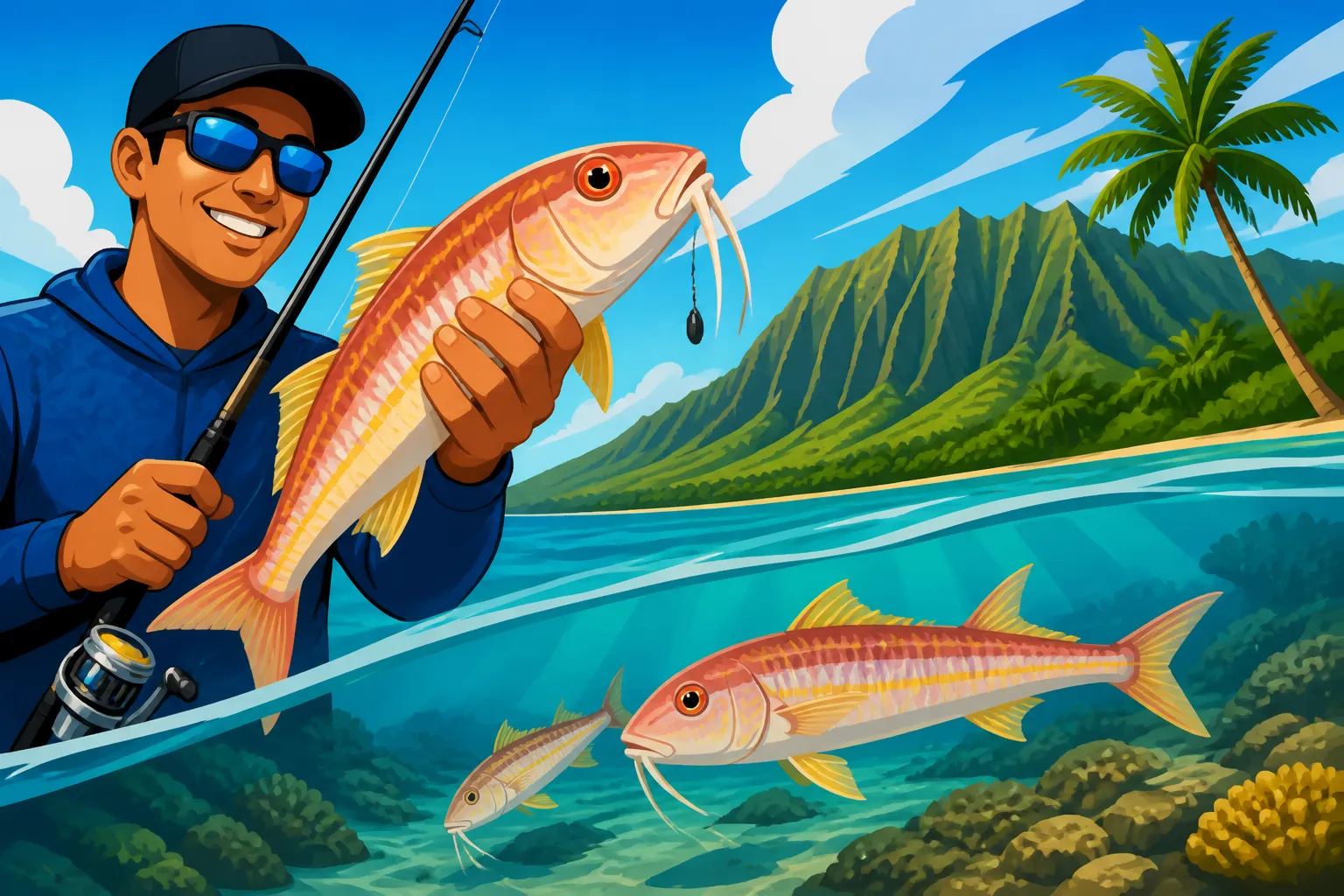
When we talk about "goatfish" in Hawaii, we're actually referring to a whole family of fish known for their distinctive pair of long, sensory barbels (like whiskers) under their chin. These barbels are their primary tools for rooting around in the sand and rubble, sniffing out hidden prey. Among this family, the various species of weke are some of the most common and sought-after, whether for a delicious meal or simply for their interesting behaviors. They're a staple of our nearshore waters, found from shallow reef flats to deeper sandy channels.
Common Weke Species in Hawaiian Waters
Hawaii is home to several types of weke, and it's easy to lump them all together, but each has its own subtle characteristics. The most commonly encountered include the Weke'a (often called the red weke), the Weke pahulu (a toxic species you definitely want to avoid eating), and the Weke nono (a smaller, striped variety). You might also hear about the Weke pueo (owl weke) and others.
The Weke'a, for instance, typically boasts a reddish or pinkish hue, often with faint stripes or spots, especially when freshly caught. They tend to be larger and are highly prized for their sweet, flaky white meat. Weke pahulu, on the other hand, can look quite similar but often have a more mottled appearance, and are infamous for sometimes carrying ciguatera toxin, a natural toxin that can cause severe illness if consumed. This is why careful identification is paramount. The Weke nono is generally smaller, often displaying horizontal yellow or brown stripes on a lighter body, making it a bit easier to distinguish from its larger cousins. Learning to spot these differences visually, perhaps with a good Reef Fish Species Identification Guide for Hawaii, is a rewarding endeavor for any angler or diver.
These weke species inhabit slightly different niches, but all share the common goatfish trait of possessing those prominent barbels. They use these barbels almost like fingers, constantly probing the substrate for small crustaceans, worms, and other invertebrates. Observing them feeding on a sandy patch next to a reef can be quite mesmerizing, as they stir up little clouds of sand in their diligent search for food. It's a reminder of how specialized each creature in our ocean environment truly is.
Weke vs. Kumu: Key Differences and Similarities
Another beloved goatfish in Hawaii is the kumu, and it's very common for people to confuse kumu with weke, particularly the red weke. While both are part of the goatfish family and share those iconic chin barbels, there are some distinct differences in appearance, habitat, and even culinary reputation that set them apart. Understanding these distinctions is crucial, especially since kumu are often considered a premium food fish, historically reserved for ali'i (royalty).
One of the most noticeable differences lies in their overall body shape and color. Kumu (often known as the white-saddle goatfish) tend to have a slightly more robust, less elongated body than many weke species, and their color is typically a vibrant reddish-pink, often with a prominent white spot or "saddle" on their back just below the dorsal fin. This white saddle is a dead giveaway for kumu. Weke'a, while also reddish, usually have a more uniform color or fainter markings and lack that distinct white saddle. You can learn more about them in our guide, Kumu (Goatfish) in Hawaii.
Habitat preferences can also differ. While both kumu and weke are found in similar nearshore environments, kumu often favor deeper reef areas and rocky ledges, tending to be a bit more solitary or found in smaller groups. Many weke, especially Weke'a and Weke nono, are quite comfortable on sandy flats and rubble zones adjacent to reefs, often in slightly shallower water. Observing their typical hangouts can often give you a clue as to which species you're seeing. For anyone serious about identifying these incredible fish, a detailed field guide, easily found on platforms like Amazon, is an invaluable tool to carry on your next ocean adventure.
Let's break down some key identifiers:
| Feature | Weke (General) | Kumu (White-Saddle Goatfish) |
|---|---|---|
| Coloration | Variable, often reddish, pinkish, or striped (yellow/brown), may have faint spots. | Vibrant reddish-pink, with a prominent white "saddle" spot below dorsal fin. |
| Body Shape | Generally more elongated, slender body. | Slightly more robust, deeper body. |
| Barbels | Present, used for foraging. | Present, used for foraging. |
| Habitat | Sandy flats, rubble zones, seagrass beds, estuaries. Often shallower. | Deeper reef areas, rocky ledges, sometimes sandy channels. |
| Size | Varies by species, some grow quite large. | Can grow to a good size, highly prized. |
| Culinary Value | Good eating, but some species (Weke pahulu) can be toxic. | Excellent eating, highly regarded. |
Weke Habitats and Behavior: Where to Find Them
Understanding where weke live and how they behave is like getting a secret map to their world. These adaptable fish are found in a variety of coastal environments, making them accessible to both shore anglers and those venturing out in kayaks or small boats. Their unique feeding style and daily rhythms play a huge role in where and when you might encounter them.
Preferred Environments: Reefs, Sand Flats, and Estuaries
Weke are masters of camouflage and foraging, perfectly suited to a range of nearshore habitats. You'll commonly find them "whispering" along sandy bottoms, using those sensitive barbels to detect hidden prey. Picture a calm morning on a Maui reef flat: as the sun begins to warm the water, you might spot schools of Weke nono, their striped bodies blending in perfectly with the sand and broken coral, diligently sifting for tiny morsels. They love the transition zones where a rocky reef gives way to sand or rubble, providing both shelter and a rich feeding ground.
Beyond the vibrant reef edges, many weke species thrive in extensive sand flats. These open areas might seem barren to the untrained eye, but below the surface, they teem with the small invertebrates that weke depend on. From the shores of Oahu to the calmer bays of Kauai, these sandy expanses are prime weke territory. Some species, particularly the Weke'a, will also venture into slightly deeper channels and even estuaries, especially those with brackish water where they can find an abundance of small crabs and worms. It's truly amazing how adaptable these fish are, making them a common sight across our archipelago. Just remember to always be mindful of local regulations, especially when fishing near designated areas like Hawaii Marine Life Conservation Districts, Explained.
Feeding Habits and Diurnal/Nocturnal Patterns
The most defining characteristic of weke, and indeed all goatfish, is their unique feeding mechanism. Those two long, fleshy barbels under their chin are not just for show; they are packed with chemosensory receptors, essentially underwater taste buds and scent detectors. Weke drag these barbels along the bottom, probing the sand, silt, and rubble, feeling and tasting for anything edible. When they detect prey – a buried shrimp, a small crab, a clam, or a worm – they quickly pounce, often spitting out mouthfuls of sand as they consume their meal. It's an incredibly efficient way to exploit a food source that many other fish might miss.
While some weke species can be active during the day, many are known for their nocturnal feeding habits. This means that as dusk settles over the water, these fish become more active, venturing out from their daytime shelters to hunt under the cover of darkness. This shift in activity can have a big impact on when and how you choose to fish for them. Night fishing, especially from shore with simple bait rigs, can be incredibly productive for weke. During the day, they might be found resting in schools, perhaps less inclined to strike aggressively, but still catchable if you present your bait enticingly. Understanding these rhythms can significantly increase your chances of success.
Fishing for Weke: Techniques and Tips
Weke are a fantastic target for anglers of all skill levels in Hawaii. They're generally not shy about taking bait, and their presence in varied habitats means you don't always need a boat to find them. Whether you're casting from a rocky point or dropping a line from a kayak, there are tried-and-true methods that will help you land these delicious goatfish.
Best Baits and Rigs for Weke
When it comes to tempting weke, remember their primary feeding strategy: grubbing around on the bottom with those sensitive barbels. This means natural baits that mimic their usual diet are incredibly effective. Small pieces of fresh shrimp are often the absolute best bait. You can buy shrimp from a local market, or even try to catch your own small ghost shrimp in sandy areas. Other excellent choices include squid pieces, small chunks of octopus (tako), or even slivers of fresh fish like opelu or akule. The key is to use small, bite-sized pieces that fit a weke's mouth and are easy for them to "taste" with their barbels.
For rigging, simplicity is usually best. A basic bottom rig works wonders. You'll want a small, sharp hook – typically a #4 to #1/0 circle hook or J-hook – tied to a leader, with a small weight (sinker) placed above it to get your bait down to the bottom. A slip-sinker rig, where the sinker slides freely above a swivel, allows the fish to pick up the bait without feeling immediate resistance, which can be very effective for weke. If you're fishing in rocky areas, a paternoster rig (or "hi-lo" rig) with two hooks suspended above a sinker can help keep your bait out of snags. Most of these basic components can be readily found at local tackle shops or online at retailers like Amazon, ensuring you're well-equipped for your weke hunt.
Shore Fishing vs. Boat Fishing for Weke
Weke are incredibly accessible, which is one of their greatest appeals. Shore fishing for weke is a classic Hawaiian pastime and requires minimal gear. You can find them lurking in many of Hawaii's accessible shoreline spots, particularly sandy beaches adjacent to reefs or rocky points. For Best Shore Fishing Spots in Hawaii, think about areas with a mix of sand and rubble, or calmer bays where the current isn't too strong. A medium-light spinning rod and reel combo, spooled with 8-15 pound monofilament or braided line, is perfect for casting small baits. Cast your rig out, let it settle on the bottom, and keep a close eye on your rod tip for the tell-tale tap-tap-tap of a weke mouthing the bait. You can refine your skills with Shore Fishing Techniques for Hawaii.
When fishing from a boat, kayak, or even a stand-up paddleboard, you can access areas that are out of reach from shore, potentially finding larger concentrations of weke or less pressured fish. This often involves techniques like Bottomfishing in Hawaii, where you anchor up (or drift slowly) over sandy patches, coral bommies, or reef edges. Using a similar bottom rig, you can drop your bait directly down to where the weke are feeding. Boat fishing also allows you to explore different depths, and sometimes the bigger weke prefer slightly deeper water, perhaps 20-60 feet. Just be sure to have all your necessary gear, including a cooler with ice, especially if you're aiming to take your catch home for dinner.
Regulations and Conservation for Weke in Hawaii
Fishing in Hawaii is a privilege, and with that comes the responsibility of understanding and adhering to the regulations designed to protect our precious marine resources. While weke are generally abundant, knowing the rules helps ensure that future generations can also enjoy the thrill of catching these distinctive goatfish. It’s not just about compliance; it’s about being a good steward of our ocean.
Size and Bag Limits: What You Need to Know
The Division of Aquatic Resources (DAR) within the Hawaii Department of Land and Natural Resources (DLNR) sets the rules for fishing. When it comes to weke, regulations can vary by species, and it's always wise to check the most current guidelines before you head out. For instance, some common weke species might not have specific size or bag limits, but others, or certain areas, might have restrictions. It’s also important to remember that general fishing licenses might be required for certain activities. Our guide, Do You Need a Fishing License in Hawaii, can help clarify those requirements.
The critical takeaway here is to always be informed. The best way to do this is to consult the official Hawaii DLNR website or pick up a fishing regulations booklet. This way, you'll know if there's a minimum or maximum size for the weke you're targeting, or if there's a limit on how many you can keep in a day. For comprehensive details on various species, you can refer to resources like Hawaii Bag and Size Limits by Species. Ignorance of the law is never an excuse, so taking a few minutes to read up on the current regulations is a small effort that contributes to the health of our fisheries.
Responsible Harvesting and Sustainable Practices
Responsible harvesting is about more than just following the law; it's about making conscious choices that support the long-term health of the ecosystem. For weke, this means only taking what you realistically plan to eat and releasing any fish that are undersized, oversized, or simply not needed. When releasing fish, handle them gently with wet hands, minimize their time out of the water, and ensure they are revived before letting them go. Small, healthy weke are the future breeding stock, so treating them with care is paramount.
Additionally, be aware of marine protected areas and conservation districts. Fishing might be restricted or prohibited in certain zones to allow fish populations to recover or thrive. Always check if you are fishing in an area designated as a Marine Life Conservation District (MLCD) or other special management area. Understanding What a Marine Life Conservation District means for anglers is vital, as regulations can be much stricter there. By practicing good catch-and-release techniques and respecting all regulations, we contribute to healthy fish populations and ensure that weke will continue to be a vibrant part of Hawaii's marine environment for years to come.
Weke as Food Fish: Culinary Aspects
Beyond their beauty and interesting behaviors, many weke species are highly regarded as a delicious food fish in Hawaii. Their mild flavor and versatile texture make them a favorite for local kitchens and community gatherings. There's a deep satisfaction in catching your own dinner, and knowing how to properly prepare and enjoy weke is part of the full Hawaiian fishing experience.
Taste, Texture, and Preparation Methods
The flesh of most edible weke species, particularly the Weke'a, is known for being delicate, white, and flaky with a mild, sweet flavor. It's not an overly "fishy" taste, which makes it appealing to a wide range of palates, even those who might be hesitant about seafood. The texture holds up well to various cooking methods, making it a versatile ingredient for everything from simple family dinners to more elaborate feasts.
In Hawaii, weke are prepared in countless ways. One of the simplest and most popular methods is to pan-fry them whole or as fillets, often seasoned simply with salt, pepper, and a little garlic. Steaming is another fantastic option, especially for whole fish, as it keeps the flesh incredibly moist and tender. You might see them prepared "lau lau" style, wrapped in taro leaves and steamed underground, or grilled over an open flame for a smoky flavor. For a quick and easy meal, a simple baked weke with lemon and herbs, perhaps a recipe found in a local cookbook or on a cooking app from Amazon, can be absolutely delightful. Just remember, as mentioned earlier, always be certain of your species identification, especially to avoid the Weke pahulu.
Handling and Storage Tips for Freshness
To truly enjoy weke at its best, proper handling from the moment it's caught is crucial. Like all fish, freshness is key. As soon as you land a weke that you intend to keep, dispatch it quickly and humanely. This not only makes the process more respectful but also minimizes stress on the fish, which can impact the quality of the meat. Bleeding the fish immediately (by cutting the gills) helps to improve flavor and shelf life by removing blood from the flesh.
Once bled, place the fish directly on ice in a cooler. Keeping it cold is the most important step to preserve its quality. Avoid letting fish sit in warm water or direct sunlight. When you get home, clean the fish promptly – scale, gut, and rinse thoroughly. If you're not planning to cook it right away, pat the fish or fillets dry and store them in an airtight container or vacuum-sealed bag in the coldest part of your refrigerator. For longer storage, weke freezes exceptionally well. Proper care ensures that the sweet, delicate flavor you sought on the hook makes it all the way to your plate.
Disclaimer
This article is for general informational purposes only and does not constitute professional advice. Laws, prices and regulations vary by location and change over time. Consult a qualified professional for guidance on your specific situation.