Hawaii state record mahimahi weight
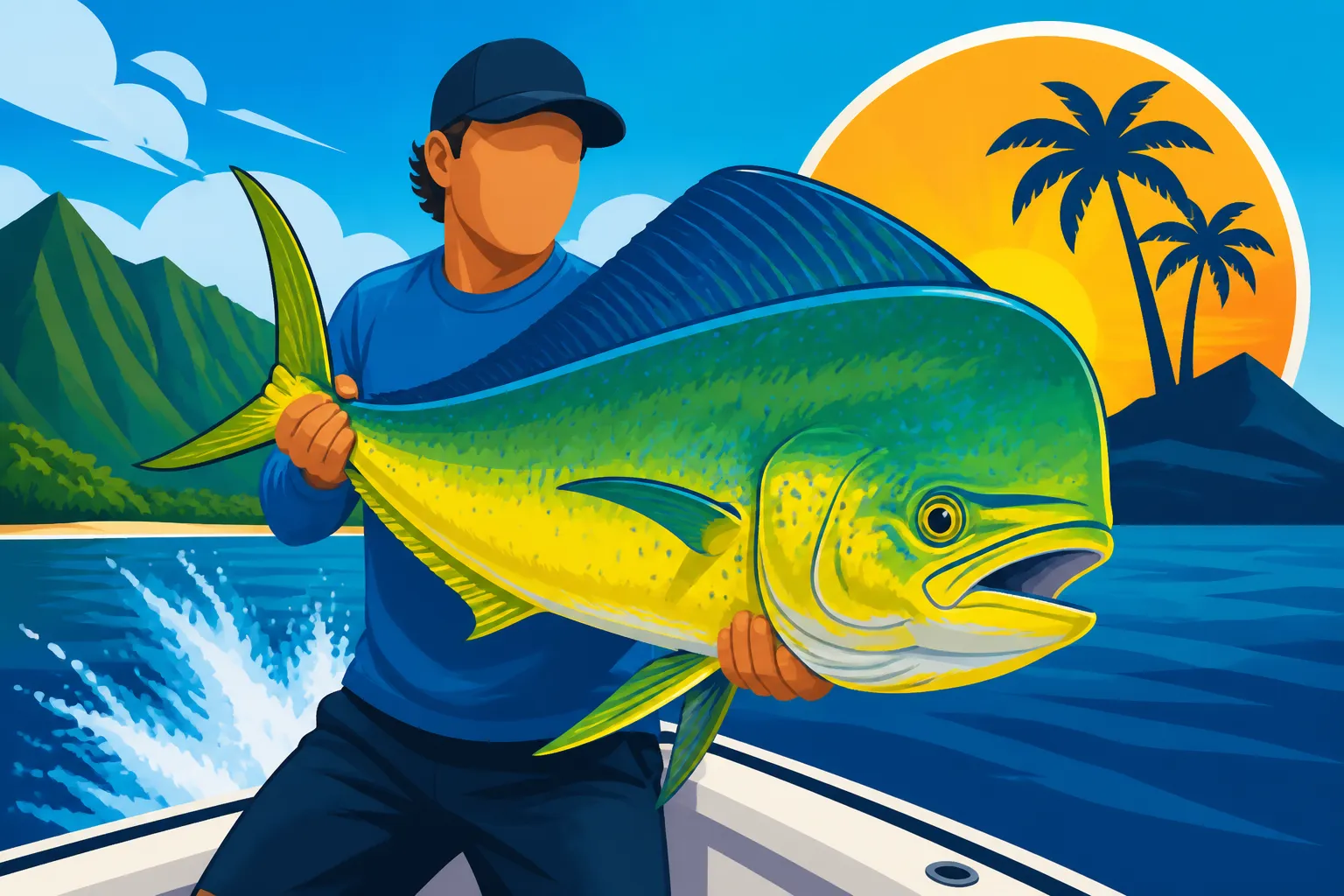
Ah, the mahimahi! There's nothing quite like the flash of electric blue and gold as one of these incredible fish jumps, battling at the end of your line in the warm Hawaiian sun. Many anglers dream of not just catching a mahimahi, but landing a true monster, a fish that makes the record books. If you've ever wondered about the pinnacle of mahimahi fishing in Hawaii – the state record weight – and what it takes to even dream of a catch like that, you've come to the right place. This guide will dive deep into the world of trophy mahimahi, explore the significance of the state record, and arm you with the knowledge to pursue your own Hawaiian angling glory.
The Thrill of Chasing Hawaii's Mahimahi
There's a reason why mahimahi, also widely known as dolphin fish (though unrelated to marine mammals), are such a celebrated catch in Hawaii. Their vibrant colors, acrobatic fights, and delicious white meat make them a top target for both recreational and commercial anglers across the islands. From the bustling harbors of the Kona Coast to the serene waters off Maui, the pursuit of mahimahi is a quintessential Hawaiian fishing experience.
Why Mahimahi are a Prized Catch
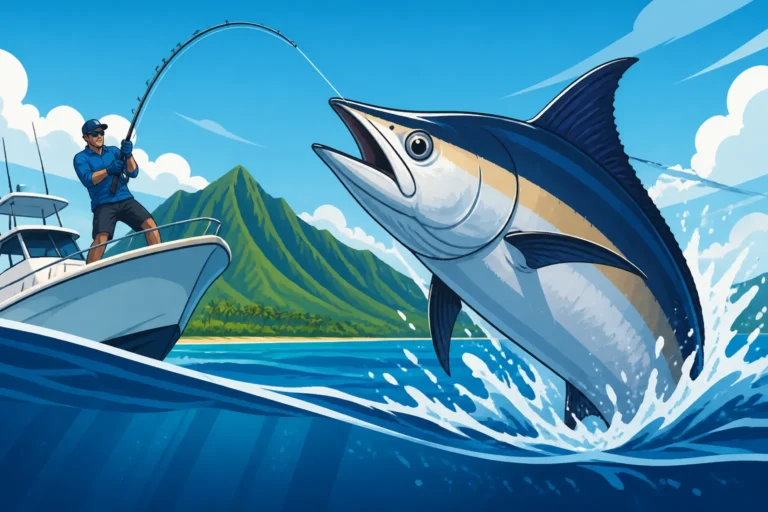
Imagine reeling in a fish that shimmers with an almost iridescent blend of green, blue, and yellow, jumping and tail-walking across the clear blue water. That's a mahimahi, and their incredible fighting spirit is what truly sets them apart. They hit lures and bait with aggressive takes, then unleash a series of powerful runs and spectacular aerial displays that will test any angler's skill and tackle. It's a full-body workout and an adrenaline rush like no other.
Beyond the fight, mahimahi are also highly regarded on the dinner plate. Their firm, flaky, and mild white meat is versatile and absolutely delicious, whether grilled, baked, or pan-seared. Many charter captains will even fillet your catch right on the boat or back at the dock, allowing you to take home fresh, incredible seafood. The opportunity to catch a challenging, beautiful fish that also provides a fantastic meal is a big part of their allure. You can learn more about how to specifically target these beauties in our guide on How to Catch Mahimahi in Hawaii.
Understanding Mahimahi Biology and Habitat
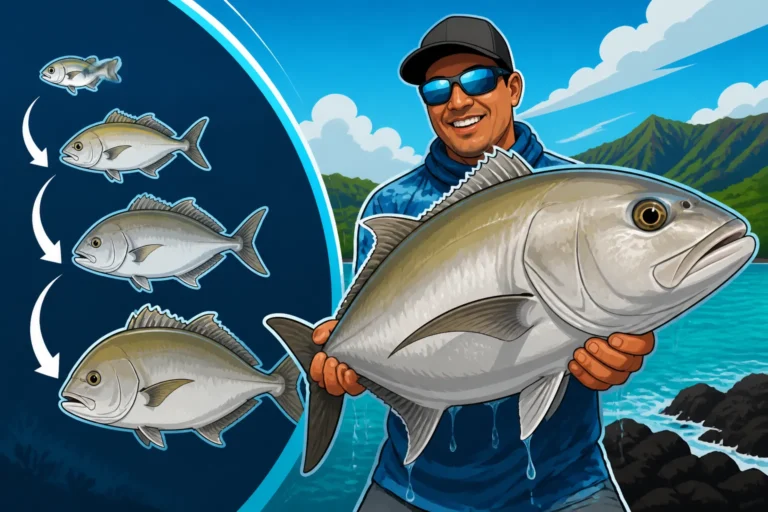
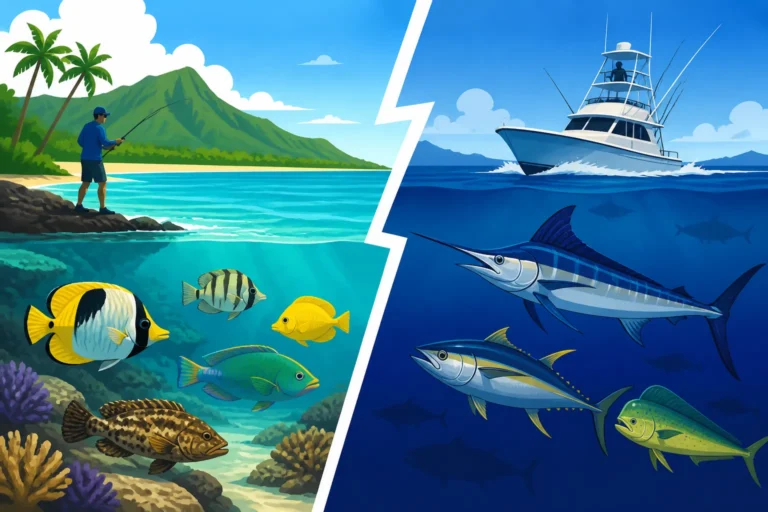
Mahimahi are truly pelagic fish, meaning they live in the open ocean rather than near the coast or bottom. They are incredibly fast-growing, short-lived fish, which explains why they can reach impressive sizes so quickly. They are voracious predators, feasting on smaller fish, squid, and crustaceans. Their life cycle is a sprint, often living only a few years, but packing on significant weight in that time.
In Hawaiian waters, mahimahi are often found near floating objects, like weed lines, logs, or debris, which create mini-ecosystems attracting baitfish. They also famously congregate around Fish Aggregating Devices (FADs), which are buoys intentionally deployed in deep offshore waters. These FADs act as magnets for baitfish, which in turn attract predators like mahimahi. Identifying these floating oases or knowing the locations of FADs can dramatically increase your chances of finding a school of mahimahi. Understanding Mahimahi Life Cycle in Hawaiian Waters can give you an edge in predicting their movements.
Understanding the Hawaii State Record for Mahimahi
Every angler dreams of catching "the big one," and for many, that means a fish worthy of a record. Hawaii, with its rich fishing tradition and abundant waters, keeps official state records for various species, including the coveted mahimahi. These records represent the pinnacle of angling achievement for each species within the state.
The Current Record Holder and Its Significance
While I can't give you a real-time, exact number for the Hawaii state record mahimahi weight as fishing records can change and precise figures require up-to-the-minute verification from official sources, it's widely known that Hawaii has produced some truly immense mahimahi. Historically, trophy mahimahi in the state have been caught in the range of 70 to 80 pounds, with some exceptional specimens pushing even higher into truly legendary territory. These aren't your average 10-pound schoolie mahimahi; these are massive, mature fish that have defied the odds to grow to an incredible size.
The significance of holding a state record is immense. It's not just about the bragging rights, though those are certainly sweet! It's a testament to incredible skill, persistence, and often, a bit of luck. It means you landed a fish that few others have ever seen, let alone brought to the boat. For the fishing community, these records serve as benchmarks, inspiring others to push their limits and explore the depths of Hawaii's bountiful oceans. They highlight the incredible marine life that thrives in these waters and showcase the angling prowess of those who pursue them.
Factors Contributing to a Record-Breaking Catch
Catching a state record mahimahi is never an accident, though sometimes it feels like a stroke of pure luck. It's usually the culmination of several crucial factors:
- Location and Conditions: Being in the right place at the right time is paramount. This means fishing where large mahimahi are known to inhabit, often near deep-water FADs or significant current breaks, and during seasons when these fish are most active and abundant. Understanding Hawaii Fishing Seasons by Month can greatly improve your odds.
- Skill and Experience: A record-breaking fish doesn't come easily. It requires a skilled captain and crew who know how to find the fish, present the bait or lure effectively, and then expertly fight a powerful adversary. The angler's technique, from hook set to reeling and maneuvering during the fight, must be flawless.
- Heavy-Duty Tackle: While mahimahi can be caught on lighter gear, landing a true record-breaker often requires robust, well-maintained offshore trolling gear. Strong rods, reels with smooth, powerful drags, heavy monofilament or braided lines, and sturdy leaders are essential to withstand the brute force of a massive mahimahi.
- Patience and Persistence: Sometimes, it's just about putting in the hours. The more time you spend on the water, targeting mahimahi, the higher your chances of encountering that once-in-a-lifetime fish.
- A Touch of Fortune: Let's be honest, fishing always involves a degree of luck. Sometimes, the fish just decides to bite your lure, and the fight goes perfectly. But as the saying goes, "luck favors the prepared."
Verifying a Potential State Record
If you're fortunate enough to land a mahimahi that you believe could be a state record, there's a specific process to follow to ensure it's officially recognized. This isn't just a casual weigh-in at the local market; it requires strict adherence to rules:
- Species Identification: First and foremost, the fish must be correctly identified as a mahimahi. While they are distinctive, sometimes similar species might be mistaken.
- Certified Scales: The fish must be weighed on a certified scale. These are scales that have been calibrated and approved for official record keeping, often found at fishing clubs, certain tackle shops, or designated weigh stations in major harbors like Honokohau Harbor or Maalaea Harbor.
- Witnesses: Typically, multiple witnesses are required to observe the weigh-in process to confirm its legitimacy. These are often other anglers, charter crew, or tackle shop owners.
- Photographic Documentation: Clear photographs of the fish, the weigh-in, and the scale reading are usually necessary.
- Official Application: You'll need to fill out an official application with the relevant state fisheries department or a recognized angling record organization, providing all the details of the catch, gear used, and witnesses.
It's a meticulous process, but it's what upholds the integrity of fishing records and ensures that only truly exceptional catches receive this prestigious recognition.
Strategies for Landing a Trophy Mahimahi in Hawaii
Catching any mahimahi is a blast, but targeting a truly massive, record-contending fish requires a focused strategy. It's about combining the right gear, the right techniques, and a deep understanding of these powerful pelagic predators.
Essential Gear and Tackle for Big Mahimahi
When you're chasing trophy mahimahi, you can't skimp on your setup. These fish are strong, fast, and will exploit any weakness in your tackle.
- Rods: Look for sturdy, fast-action offshore trolling rods, typically in the 30-50 lb or even 50-80 lb class. They need enough backbone to turn a big fish and absorb powerful head shakes. You can find a wide selection of robust trolling rods on platforms like Amazon that are well-suited for Hawaiian conditions.
- Reels: Pair your rod with a high-quality conventional reel that has a smooth, powerful drag system and a high line capacity. Lever drag reels are popular for their ease of adjustment during a fight. Make sure it can hold at least 300-500 yards of your chosen line.
- Line: Many anglers prefer heavy monofilament (e.g., 50-80 lb test) for its stretch, which acts as a shock absorber during violent runs and jumps. Braided line, with its thinner diameter and no stretch, is also an option, but you'll likely want a monofilament top shot or a longer fluorocarbon leader to provide some give and stealth.
- Leaders: Fluorocarbon leaders are crucial for their abrasion resistance and low visibility in clear Hawaiian waters. Use a leader in the 80-150 lb test range, depending on your target size and line class. Mahimahi have rough mouths, and lighter leaders can quickly chafe through.
- Hooks and Lures: For big mahimahi, larger skirted trolling lures in bright, contrasting colors (like green/yellow, blue/white, pink/purple) are very effective. Many anglers also use rigged natural baits like skipjack tuna (aku), opelu, or flying fish. Make sure your hooks are sharp, strong, and appropriately sized for the bait or lure.
Effective Techniques for Landing Large Mahimahi
Once you have your gear ready, understanding the techniques that entice big mahimahi is the next step.
- High-Speed Trolling: This is a popular method for covering a lot of water and finding active fish. Boats typically troll a spread of lures at speeds between 7-10 knots. The lures create a commotion in the water, mimicking fleeing baitfish, which attracts aggressive mahimahi. Varying your lure depth and spread can help you find what the fish are keying in on.
- Live Baiting: If you can catch or buy live bait like akule or opelu, slow trolling or drifting them near FADs or weed lines can be incredibly effective for larger, more cautious mahimahi. A frisky live bait is often irresistible.
- Casting at Debris or FADs: When you encounter floating debris, a weed line, or a FAD, it's often holding a school of mahimahi. Slow down and cast smaller lures or live baits to the edges of the structure. Be prepared for multiple hook-ups, as mahimahi are often found in schools.
- Reading the Water: Look for signs of baitfish, diving birds, or current lines. These are all indicators that pelagic predators like mahimahi might be nearby. Pay attention to water temperature breaks and color changes, as these can also concentrate fish. A quality pair of polarized sunglasses, available from retailers like Amazon, can make a huge difference in spotting these subtle clues.
Best Times and Conditions for Trophy Mahimahi
Timing and conditions play a huge role in your success.
- Seasons: While mahimahi can be caught year-round in Hawaii, their numbers and average size often peak during specific seasons. Generally, late spring through early fall offers some of the best mahimahi fishing, as warmer waters bring baitfish closer. However, significant catches can occur outside these windows too. Mahimahi Fishing in Hawaii delves into seasonal patterns.
- Moon Phases: Some anglers swear by certain moon phases for pelagic fishing, often preferring the periods around the new and full moons when tidal currents are stronger and baitfish might be more active.
- Ocean Conditions: Look for calm to moderate seas, especially on offshore trips. Choppy conditions can make it harder to spot fish activity and can be uncomfortable. Clear, blue water is usually ideal for mahimahi. After a heavy rain, avoid areas with murky runoff, as mahimahi prefer cleaner water.
- Early Morning & Late Afternoon: Like many predators, mahimahi are often most active during the low-light hours of dawn and dusk, making these prime times for trolling or live baiting. However, they can bite throughout the day, especially if you find a strong bite around a FAD.
Beyond the Record: Enjoying Your Mahimahi Catch
Even if you don't break a state record, catching a mahimahi in Hawaii is an unforgettable experience. Knowing how to properly handle and prepare your catch ensures that the delicious journey continues long after the fight is over.
Handling and Care for Quality Fish
Proper handling immediately after the catch is critical for preserving the quality of the meat, especially in Hawaii's warm climate.
- Bleeding: As soon as you land a mahimahi, it's highly recommended to bleed the fish. A quick cut behind the pectoral fins or severing the gills will allow the blood to drain, resulting in whiter, better-tasting meat.
- Icing: Get the fish on ice as quickly as possible. A well-insulated cooler filled with an ice-slurry (ice and seawater) will rapidly chill the fish and maintain its freshness. Lay the fish flat if possible to avoid bending or bruising the meat.
- Cleaning: Most charter boats offer fish cleaning services, or you can clean it yourself back at the dock. Fillet the fish and remove any bloodline from the center of the fillets. Rinse the fillets with cold, clean water and pat them dry before packaging.
Mahimahi's Culinary Delights
Mahimahi is a true culinary star, celebrated for its versatility and flavor. Its firm texture holds up well to grilling, making it perfect for a backyard barbecue or a fresh fish taco night. It can also be baked, pan-seared, broiled, or even used in ceviche.
Its mild flavor means it pairs well with a variety of seasonings and sauces. A simple preparation with lemon, butter, garlic, and fresh herbs allows its natural taste to shine. For a Hawaiian twist, try it marinated in a little soy sauce, ginger, and garlic before grilling. Having a fresh mahimahi dinner is truly one of the greatest rewards of a successful fishing trip to Hawaii, making all that effort worthwhile.
Key Factors for Catching Trophy Mahimahi
| Factor | Description | Importance |
|---|---|---|
| Location | Targeting deep offshore waters, FADs (Fish Aggregating Devices), current lines, and significant weed lines or floating debris where baitfish gather. | Critical for finding large, migratory mahimahi schools. |
| Timing/Season | Fishing during peak mahimahi seasons (often late spring through early fall), favorable moon phases, and periods of active feeding (dawn/dusk). | Increases chances of encountering active, feeding fish. |
| Tackle | Heavy-duty conventional rods (30-80 lb class), reels with strong, smooth drags, 50-80 lb mono or braid with heavy fluorocarbon leaders (80-150 lb). | Essential for handling powerful runs and preventing break-offs from big fish. |
| Technique | High-speed trolling with large, aggressive lures; live baiting around structure; casting to visible debris or FADs; reading water signs like birds and current. | Maximizes lure/bait presentation and covers prime fishing grounds effectively. |
| Boat & Crew | An experienced captain who knows the local waters and mahimahi habits, with a well-equipped boat for offshore conditions, helps put you on the fish and assist during the fight. | Significantly improves success rate, especially for offshore challenges. |
| Patience | Trophy fish don't always bite immediately. Persistence, adaptation, and enjoying the process are key, as a record catch can happen at any moment. | Essential for long days on the water and waiting for the right opportunity. |
Remember, while the lure of a state record is strong, the true joy of fishing in Hawaii comes from the experience itself – the stunning scenery, the thrill of the fight, and the satisfaction of a fresh catch. Whether you're targeting a Hawaii state record ahi weight or just looking to enjoy some recreational angling, understanding the species and environment makes all the difference. Always be sure to check the Hawaii Pelagic Species Bag Limits and all local regulations before heading out.
Disclaimer
This article is for general informational purposes only and does not constitute professional advice. Laws, prices and regulations vary by location and change over time. Consult a qualified professional for guidance on your specific situation.