Differences between Hawaii’s shore and offshore fish populations
There’s a common misconception that "fishing in Hawaii is just fishing," as if the entire ocean around our beautiful islands operates as one uniform fishing ground. But anyone who's spent more than a few hours with a line in the water here knows that couldn't be further from the truth. The reality is, the fish you'll encounter and the entire experience itself can be dramatically different depending on whether you're casting from the shoreline or venturing out into the deep blue. This guide will walk you through the fascinating distinctions between Hawaii's shore and offshore fish populations, helping you understand what to expect and where to find your next unforgettable catch.
Defining Hawaii's Distinct Fishing Zones
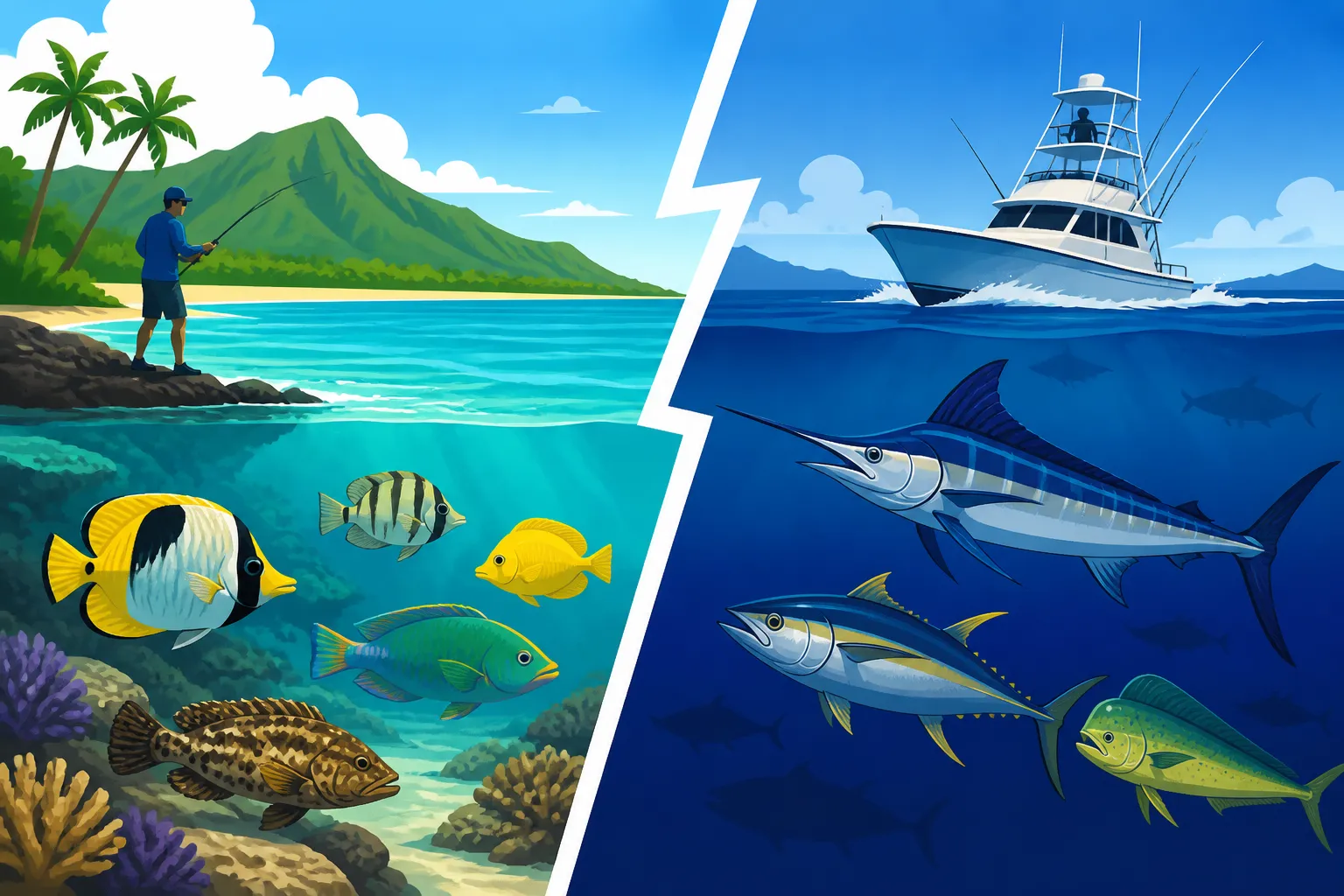
To truly appreciate the differences in fish populations, it’s essential to first understand how we delineate "shore" and "offshore" here in Hawaii. It’s not just a matter of wading versus boating; it’s about entire ecosystems with unique characteristics that dictate which species call them home.
The Nearshore Zone: Kaikai's Rich Tapestry
When we talk about the nearshore, or kaikai as many locals refer to it, we're thinking about those waters directly adjacent to the land. This typically encompasses everything from the shallow tidal pools and sandy beaches to the rocky points, volcanic ledges, and fringing coral reefs that extend out a short distance. Picture yourself casting from a lava rock outcrop on the Big Island or wading in the clear, shallow flats of Oahu – that's the nearshore experience.
These areas are incredibly dynamic, influenced by the ebb and flow of tides, wave action, and even freshwater runoff from our lush mountains after a good rain. They are often shallower, sometimes only a few feet deep, but can drop off quickly into small channels or ledges close to shore. The structure here – the reef, rocks, and sand – provides ample hiding spots and feeding grounds for a diverse array of smaller fish and baitfish, which in turn attract larger predators. Understanding the nuances of these environments is key to successful Shore Fishing Techniques for Hawaii.
The Offshore Realm: Kai Koʻa and the Deep Blue
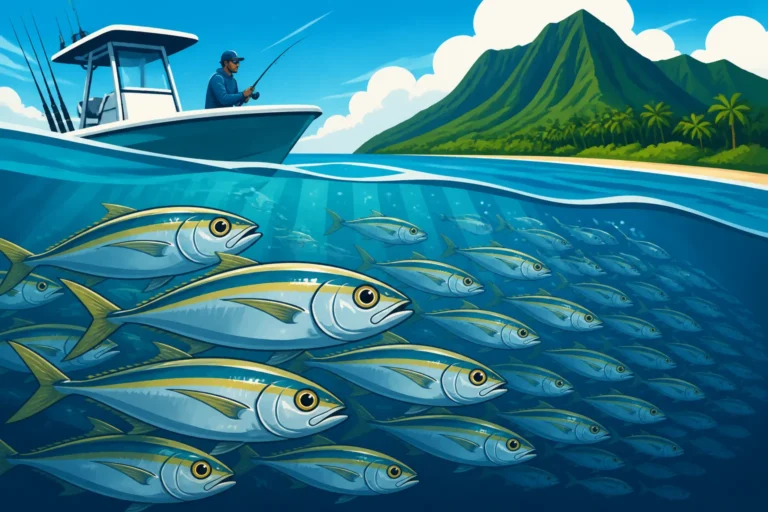
Step onto a boat and head beyond those immediate nearshore waters, and you're entering the kai koʻa, or the offshore realm. This is where the ocean floor often plunges dramatically, sometimes hundreds or even thousands of feet deep just a few miles from land. Think of the Kona Coast's famously deep water close to shore, or the vast, open expanses off Maui and Oahu. The water here takes on that unmistakable deep indigo hue, a sign of its profound depth.
This environment is characterized by strong currents, often cleaner, clearer water, and a noticeable lack of bottom structure within easy reach. The true offshore zones are dominated by the pelagic migratory species – the ocean wanderers that traverse vast distances. While there might be underwater mountains or seamounts many miles out that create hotspots, much of the offshore experience revolves around finding bait schools, current lines, and floating Fish Aggregating Devices (FADs), or "buoys" as we often call them, which act as magnets for marine life in the otherwise barren open ocean.
Shoreline Ecosystems and Their Inhabitants
The shore fishing experience in Hawaii is vibrant, challenging, and incredibly rewarding. It introduces you to a whole different class of fish, each perfectly adapted to life near the land.
Reef Dwellers and Bottom Feeders
The shallow reefs and rocky bottoms are teeming with life. Here, you'll encounter a kaleidoscopic array of fish that spend their lives grazing algae, picking at invertebrates, or ambushing smaller prey directly within the reef structure. Uhu (parrotfish) are a prime example, with their strong beaks designed for scraping algae off coral. You'll often see them in vibrant blues, greens, and reds, darting amongst the coral. Keep an eye on the Hawaii Uhu (Parrotfish) Size and Bag Limits as they are a prized catch.
Then there are the kumu and weke (goatfish), distinctive for the two long barbels under their chin, which they use to root around in the sand and rubble for crustaceans and worms. These fish are delicious table fare and provide a fun fight on lighter tackle. Knowing the behavior of these bottom feeders is essential for success. Often, a simple bait like a piece of squid or shrimp, fished on the bottom, can entice a bite. You might find a good selection of various hooks and weights perfect for this kind of setup on Amazon.
Inshore Predators and Opportunists
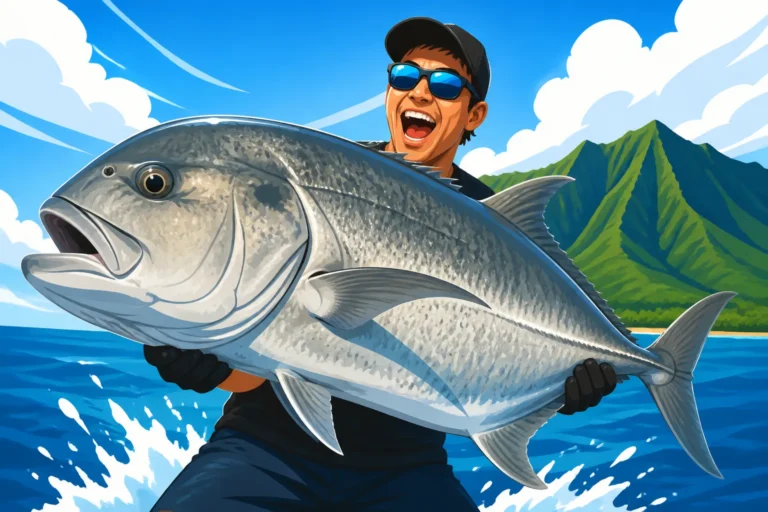
While the reef fish are fascinating, many shore anglers are after something with a bit more fight – the inshore predators. The undisputed king of the Hawaiian shoreline in this category is the ulua, or giant trevally. These powerful, silver-flanked beasts patrol the surf lines, rocky points, and channel entrances, preying on anything from smaller reef fish to crabs and squid. Landing a large ulua from shore is the ultimate Hawaiian shore fishing achievement, requiring heavy tackle, strong lines, and often, an all-night vigil. Anglers often spend years refining their How to Catch Ulua from Shore techniques.
Closely related, and equally popular, are the papio – the juvenile trevally. While not as monstrous as their ulua elders, papio provide an exciting fight on light tackle. They school up in clear water, often around rocky structures or sandy channels, and readily hit artificial lures like Kastmasters, poppers, or small soft plastics. Other common inshore predators include lai (leatherback), barracuda, and occasionally, even smaller ono (wahoo) or mahikimahi that venture close to structure during certain times of the year. For the patient and stealthy angler, the clear, shallow flats are also home to the elusive oio (bonefish), which demands a specialized approach, often with fly fishing gear.
Challenges of Shore Fishing
Don't let the beauty of the shoreline fool you; shore fishing in Hawaii comes with its own set of unique challenges. Wave action can be relentless, making it difficult to keep your bait in place or even to stand safely on slippery rocks. Strong currents can sweep your line and tackle, requiring heavier weights. Then there's the ever-present risk of snags on the coral or lava rock bottom, which can quickly strip you of expensive lures and lead to frustration. Finding prime spots that offer both good fishing and safe public access can also be a puzzle. Furthermore, anglers must always be aware of Hawaii Fishing Regulations Explained and avoid designated Marine Life Conservation Districts like those near Hanauma Bay, where fishing is prohibited.
Offshore Pelagic Zones and Their Giants
The moment you clear the reef line and the water turns that deep, intense blue, you're entering a different world entirely. This is the domain of Hawaii's legendary pelagic species, fish that spend their lives in the open ocean, constantly moving, constantly hunting.
The Migratory Hunters: Hawaii's "Big Five"
When most people dream of deep-sea fishing in Hawaii, they're thinking of the "Big Five" pelagic species:
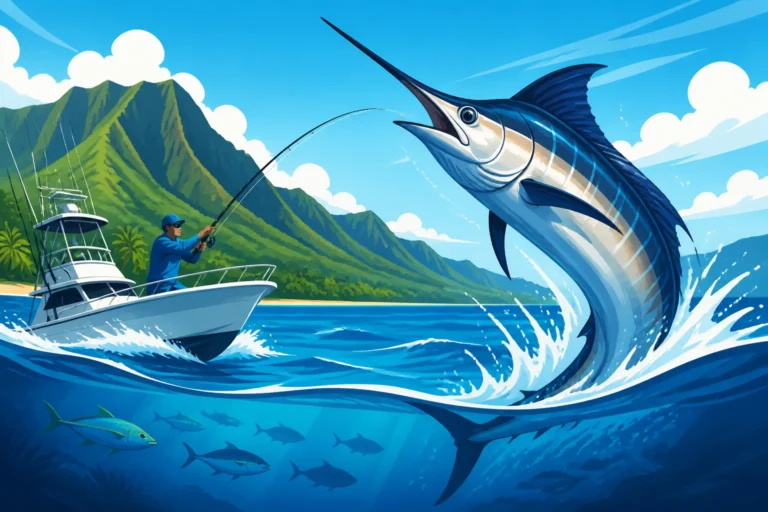
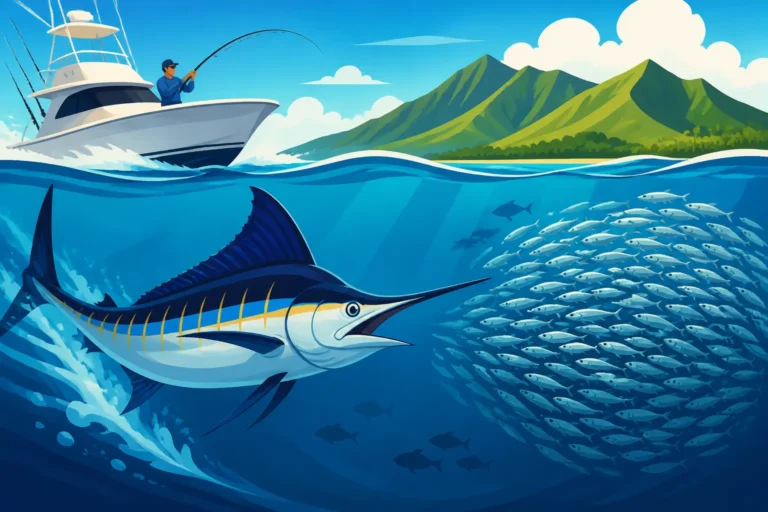
- Marlin: The ultimate prize, with the Kona Coast being world-renowned for its grander (over 1,000 lbs) blue marlin. These powerful billfish are incredible fighters, known for their spectacular aerial displays. Catching a marlin, whether a blue, striped, or black, is often a once-in-a-lifetime experience. For a deep dive, check out Marlin Fishing off the Kona Coast.
- Ahi (Yellowfin Tuna): Fast, powerful, and absolutely delicious, ahi are a staple of Hawaii's offshore fishery. They often travel in schools and can be found feeding on baitfish near FADs or across open water. Targeting these speedsters requires specialized trolling or chunking techniques. Learn more about Ahi (Yellowfin Tuna) Fishing in Hawaii.
- Ono (Wahoo): Aptly named "ono," meaning delicious in Hawaiian, these sleek, silver fish are known for their incredible speed and razor-sharp teeth. They strike lures with violent force and provide a thrilling fight. They're often caught trolling high-speed lures.
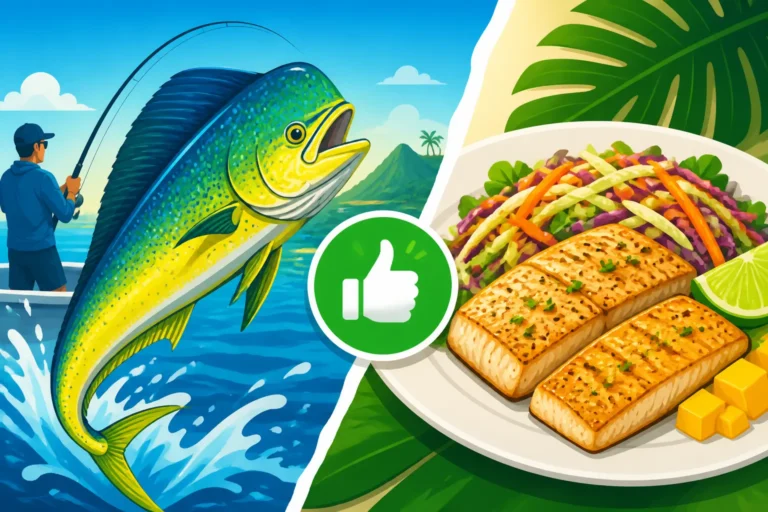
- Mahimahi (Dolphin Fish): With their vibrant colors and acrobatic leaps, mahimahi are a favorite for many anglers. They often congregate around floating debris, weed lines, or FADs, making them an exciting and relatively accessible pelagic target. You might find a good selection of the skirted trolling lures they love on Amazon.
- Spearfish: While smaller than marlin, spearfish are still powerful billfish that offer a challenging fight on lighter tackle. They are characterized by their slender bodies and long, thin bills.
These fish are migratory, often following warm currents and baitfish schools across vast stretches of the Pacific. Their presence is less about fixed structure and more about dynamic ocean conditions and the food chain.
Deepwater Bottomfish: Hidden Treasures of the Abyss
While the "offshore" usually conjures images of trolling for marlin, it also includes a very different kind of fishing: deepwater bottomfishing. Far from the reefs, in depths ranging from a few hundred to over a thousand feet, live a variety of highly prized snapper and grouper species. Opakapaka (pink snapper) and onaga (ruby snapper) are two of the most sought-after, known for their beautiful color and exquisite taste.
Targeting these species requires specialized electric reels and heavy-duty setups to manage the immense depths and the weight of the lead needed to reach the bottom. It's a precise and patient endeavor, often done over specific underwater ledges, seamounts, or pinnacles identified by sonar. This is a very different game from surface trolling, but equally rewarding. If you're planning a trip, be sure to be up-to-date on Hawaii Bag and Size Limits by Species.
The Lure of the Deep
There's an undeniable allure to offshore fishing. The vastness of the ocean, the anticipation of a screaming reel, and the sheer power of a large pelagic fish create an experience unlike any other. It's a battle of wills, skill, and endurance against some of the ocean's most formidable creatures. The absence of land, the changing conditions, and the challenge of finding fish in such a huge expanse add to the thrill. It's also an incredible opportunity to see Hawaii from a completely different perspective, with stunning ocean vistas and the chance to encounter whales, dolphins, and seabirds far from shore.
Fishing Techniques and Gear Differences
Given the radically different environments and fish species, it's no surprise that the gear and techniques used for shore fishing versus offshore fishing in Hawaii are worlds apart.
Shore Fishing Tackle: Light and Heavy Combat
For those targeting smaller papio, bonefish, or reef species from shore, light to medium spinning setups are common. A 7-9 foot rod paired with a 3000-5000 series reel spooled with 10-20 lb braided line is a versatile choice. Lures like small poppers, Kastmasters, or soft plastic grubs are popular, alongside natural baits such as squid, shrimp, or pieces of fish.
However, if you're serious about battling a trophy ulua from the rocks, you'll need to step up your game considerably. This requires heavy-duty surfcasting rods, often 10-14 feet long, paired with large conventional or spinning reels (10,000-20,000 series) spooled with 50-100 lb braided line. Sliding sinker rigs with large circle hooks and whole baits like fresh baitfish (akule, opelu), octopus, or chunks of larger fish are typical. You'll also need robust leader material to handle the abrasive rocks and powerful jaws. You can find a vast array of specialized shore fishing tackle, from line to lures, on platforms like Amazon.
Offshore Trolling and Deep Dropping: Power and Precision
Offshore fishing primarily relies on sturdy boats and specialized heavy tackle. For trolling for marlin, ahi, ono, and mahimahi, you'll typically use 50-80 lb class conventional rods and reels, sometimes even 130 lb class for giant marlin. These are paired with large, colorful lures (skirted or hard-bodied) or rigged natural baits (like skipjack tuna or mackerel) designed to attract these fast-moving predators. The boat's speed, lure spread, and ability to read the water are paramount. Trolling Techniques for Hawaii Pelagics are a science in themselves.
For deepwater bottomfishing, the gear shifts again. Heavy conventional rods capable of handling significant weight are used, but often paired with electric reels. These reels take the grueling work out of cranking up heavy lead weights and potentially large fish from depths of several hundred feet. Baits for deep dropping are usually squid, cut fish, or even specialized artificial jigs. Sonar and GPS are indispensable for locating the precise deepwater structures where these fish reside.
| Feature | Shore Fishing | Offshore Fishing |
|---|---|---|
| Typical Depth | Shallows, reef flats, surf zone (0-100 ft) | Deep water, open ocean (100 ft to thousands of ft) |
| Primary Species | Papio, Ulua, Bonefish, Uhu, Kumu, Weke, Barracuda | Marlin, Ahi, Ono, Mahimahi, Spearfish, Opakapaka, Onaga |
| Gear | Light to heavy spinning/surfcasting rods, often 10-14ft | Heavy conventional rods (50-130lb class), electric reels for bottomfish |
| Techniques | Whipping, sliding bait, throwing lures, baitcasting | Trolling, deep dropping, chumming, live baiting |
| Access | Public beaches, rocky points, piers | Requires a boat (charter, private) |
| Bait/Lures | Live bait, squid, shrimp, cut fish, poppers, Kastmasters | Large skirted lures, rigged natural baits, deep jigs, chunk bait |
| Common Challenges | Snags, waves, currents, public access, lighter tackle for big fish | Seasickness, weather, finding fish in vast ocean, heavy tackle logistics |
Conservation and Regulation Nuances
Hawaii's marine environment is incredibly precious, and both shore and offshore fisheries are managed with conservation in mind, though the specific rules often reflect the different habitats and species involved.
Shoreline Restrictions and Local Management
Nearshore waters are often subject to very specific local regulations designed to protect vulnerable reef ecosystems and replenish popular food fish. Marine Life Conservation Districts (MLCDs) are common in many popular shore fishing areas, and within these zones, fishing may be completely prohibited, or only certain types of fishing (e.g., throw net for bait) allowed. It's crucial for any angler to understand Hawaii Marine Life Conservation Districts, Explained before casting a line. Additionally, many reef fish and invertebrates have specific bag limits, size restrictions, and even closed seasons, such as for Hawaii Moi Closed Season, Explained or specific limitations on harvesting opihi (limpets). These rules are often set by the Hawaii Division of Aquatic Resources (DAR) and are vital for sustainable fishing. Understanding Hawaii Fishing Regulations Explained is key to avoiding penalties like Fishing Without a Required License in Hawaii: Penalties.
Pelagic Management: Sustaining the Migratory Giants
The management of pelagic species is often more complex, involving both state and federal regulations, and sometimes international agreements, due to their migratory nature. While Hawaii has its own rules for certain pelagic species, many are managed as part of larger Pacific tuna and billfish stocks. Regulations for species like ahi, marlin, ono, and mahimahi typically focus on minimum sizes and bag limits for recreational anglers. For instance, there are specific Hawaii Ahi Bag Limit Rules that anglers must adhere to. The emphasis here is on ensuring the long-term health of these highly mobile populations that cross vast ocean expanses.
Responsible Angling: Respecting the Resource
Regardless of whether you're fishing a shallow reef or the deep blue, responsible angling practices are paramount in Hawaii. This includes knowing and adhering to all regulations, practicing proper catch and release techniques for species you don't intend to keep or that are undersized, and minimizing your impact on the environment. Disposing of trash properly, avoiding damage to coral, and respecting wildlife (like turtles and monk seals) are fundamental. The health of Hawaii's unique marine life depends on all of us being good stewards of the ocean.
Ultimately, both shore and offshore fishing in Hawaii offer incredible experiences, each with its own charm, challenges, and target species. Whether you prefer the quiet solitude of casting from a secluded beach or the adrenaline-pumping thrill of battling a marlin far out at sea, Hawaii's diverse waters truly offer something for every angler.
Disclaimer
This article is for general informational purposes only and does not constitute professional advice. Laws, prices and regulations vary by location and change over time. Consult a qualified professional for guidance on your specific situation.