Average cost of a full-day bottomfishing charter in Hawaii
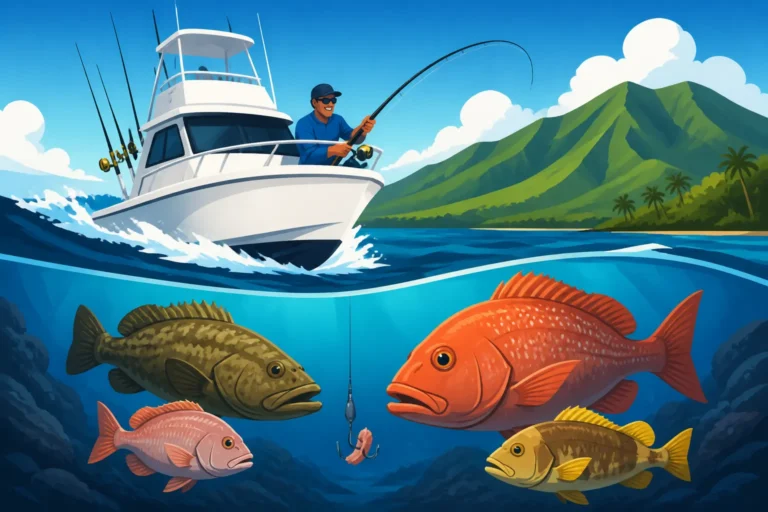
Dreaming of hooking into some deep-water Hawaiian bottomfish, like a gorgeous opakapaka or a ruby red onaga, is a common fantasy for many anglers visiting the islands. But once that dream takes hold, the practical questions quickly surface, with "How much does it actually cost?" often being the first. This guide will take a deep dive into the various factors that influence the price of a full-day bottomfishing charter in Hawaii, helping you understand the investment for this unforgettable experience.
What Influences the Cost of a Full-Day Bottomfishing Charter?
The cost of a full-day bottomfishing charter in Hawaii isn't a one-size-fits-all number. It's a dynamic figure that dances with several key variables, much like the currents offshore. Understanding these factors will help you make an informed decision and manage your expectations for your deep-sea adventure.
Location, Location, Location
Just like real estate, where you choose to fish in Hawaii significantly impacts the charter cost. The Big Island, particularly the Kona Coast, is renowned globally for its deep-sea fishing, and as such, charters operating out of Honokohau Harbor might have a different price point compared to those departing from Maalaea Harbor on Maui or even harbors around Oahu. This isn't just about demand; it's also about the operational costs in different regions, fuel prices, and the availability of specialized gear required for deep dropping. Some areas might have more competition, which can sometimes drive prices down, while others with fewer boats might command a premium.
Think about it: a charter working the deep ledges off Kona might need to travel less distance to hit prime bottomfishing spots, potentially saving on fuel, but the boat itself might be rigged for bigger, tougher fish, leading to a higher base rate. Conversely, an operation on a less-frequented island might have higher logistics costs for maintenance or bait. Always factor in the specific island and even the specific port when comparing prices, as costs can vary even within the same island.
Boat Size and Amenities
You can imagine that a sleek, 50-foot sportfisher with air conditioning, a full galley, and multiple fighting chairs will cost more to operate—and thus to charter—than a more modest 28-foot center console. The size of the vessel often dictates the number of passengers it can comfortably carry, the amount of gear it can accommodate, and the level of comfort it offers. A larger boat generally provides a smoother ride in choppier conditions, more deck space for moving around, and sometimes even a proper head (bathroom) onboard, which can be a huge plus for a full-day trip.
Consider your comfort priorities. If you're prone to seasickness, a larger, more stable platform might be worth the extra investment. If you're an experienced angler focused purely on the fight and don't mind a more rugged experience, a smaller, faster boat might suit you just fine. Boats with advanced electronics for finding fish, top-tier fishing tackle, and specialized deep-drop electric reels will naturally come with a higher price tag due to the capital investment and maintenance involved.
Duration and Type of Trip
While we're discussing full-day charters, it's worth noting that "full-day" can sometimes mean different things to different captains. A standard full-day might be 8 hours, but some charters offer extended full-days of 9 or 10 hours, or even specialized multi-day trips. Clearly, the longer you're out on the water, the higher the cost will be, primarily due to increased fuel consumption, crew hours, and wear and tear on the vessel.
Moreover, a dedicated bottomfishing trip, especially one targeting ultra-deep species like onaga or opakapaka, requires very specific gear and techniques, as discussed in Bottomfishing in Hawaii. This can sometimes be priced differently than a mixed bag trip that might also include trolling for pelagics like mahimahi or ono. When booking, always confirm the exact duration and the primary target species to ensure the trip aligns with your expectations and budget.
Types of Bottomfishing Charters and Their Price Structures
Understanding the different ways charters are structured is paramount when looking at the average cost of a full-day bottomfishing trip. There are typically two main approaches: booking a private charter or joining a shared (or "split") charter. Each has its own benefits and its own pricing model, catering to different groups and budgets.
Private Charters: Tailored Experience, Higher Upfront Cost
Private charters mean you're booking the entire boat for your group, and the cost reflects that exclusivity. You get to decide who is on board, within the boat's capacity limits, which is fantastic for families, friends, or corporate outings. With a private charter, you have much more flexibility over the day's itinerary. Want to spend extra time targeting a specific bottomfish species, or try a different spot if the bite is slow? The captain can often accommodate your preferences. This personalized experience is a huge draw for many anglers who value privacy and customization.
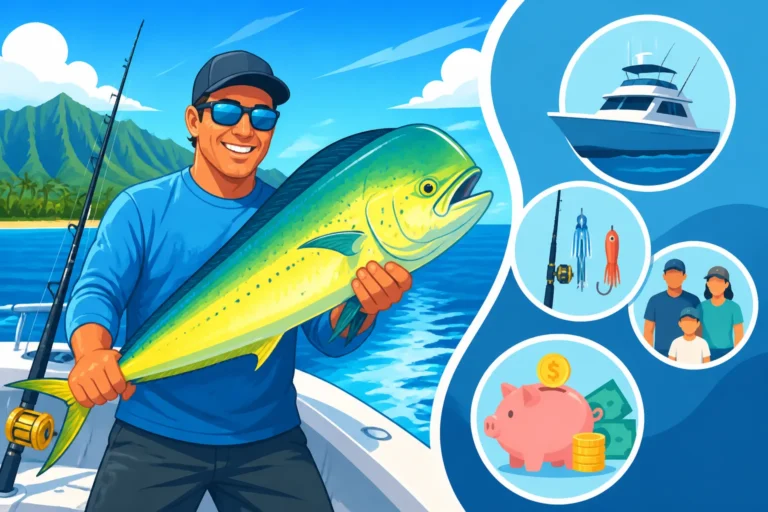
The upfront cost for a private full-day bottomfishing charter will naturally be significantly higher than a per-person rate on a shared trip. However, if you have a group of four to six people, the cost per person can become quite comparable, or even better, than individual spots on a shared charter. It's a straightforward calculation: divide the total boat cost by the number of anglers in your party. You're paying for the dedicated time of the captain and crew, the entire boat's resources, and the freedom to fish exactly how you want. When researching, platforms like FishingBooker make it easy to filter for private charters and see their total boat rates, allowing you to quickly compare options for your group.
Shared Charters: Budget-Friendly, Less Flexibility
Shared charters, also known as "open boat" or "split" charters, are a more budget-friendly option for individual anglers or smaller groups. On these trips, you book a spot (or multiple spots) on the boat, and you'll be fishing alongside other anglers who have also booked individual spots. The cost per person is much lower because the total cost of the charter is split among all the passengers. This is a fantastic way to experience a full-day bottomfishing trip in Hawaii without having to pay for an entire boat yourself.
The tradeoff for the lower cost is often less flexibility. The captain will generally have a pre-determined plan for the day, which might involve targeting certain species or fishing specific areas that are known to produce for the group as a whole. You'll also be sharing the deck space, the catch, and the attention of the crew with other anglers. While you might make new friends and share in the excitement, it's not the same personalized experience as a private trip. However, for many, the opportunity to get out on the water and experience Hawaii's incredible bottomfishing is well worth it, and Best Bottomfishing Charters in Hawaii can offer some great starting points for finding shared trips.
Comparing Charter Types
Here's a quick comparison to help you weigh your options:
| Feature | Private Full-Day Charter | Shared Full-Day Charter |
|---|---|---|
| Cost | Higher total boat cost | Lower per-person cost |
| Flexibility | High (custom itinerary, target species) | Low (captain's plan, group consensus) |
| Companions | Your chosen group only | Other individual anglers, strangers |
| Space | More deck space per person | Shared deck space, can be more crowded |
| Suitability | Groups, families, serious anglers | Solo anglers, small groups, budget-conscious |
| Catch Share | Entire catch for your group | Catch usually divided among all anglers |
Hidden Costs and What to Expect Beyond the Base Fare
When you're budgeting for a full-day bottomfishing charter in Hawaii, it's easy to focus solely on the advertised base price. However, just like planning any travel, there are often additional expenses that can add up. Being aware of these "hidden" or supplementary costs upfront will help you avoid surprises and ensure your day on the water is stress-free.
Gratuity for the Crew
This is perhaps the most significant additional cost that many first-time charter guests overlook. Tipping the captain and deckhand is customary in the charter fishing industry, much like tipping in a restaurant. These hardworking individuals are responsible for your safety, comfort, and, most importantly, putting you on the fish. They prepare the bait, rig the lines, untangle snags, gaff fish, and make sure your experience is memorable.
A standard gratuity is typically 15-20% of the total charter cost. For a full-day trip, especially if the crew went above and beyond, provided excellent service, or if you had a particularly successful day catching some prized opakapaka or onaga, you might consider tipping towards the higher end of that range. This is a direct way to show your appreciation for their efforts. It's always a good idea to bring cash for tips, as it's the easiest way to give it directly to the crew. You can learn more about this in Tipping Etiquette for Hawaii Fishing Charters.
Fish Processing and Packaging
You've landed that beautiful amberjack or maybe even a snapper, and now you're wondering what happens next. Some charters include basic fish cleaning (filleting) as part of the service, while others might charge a small fee, especially for larger catches or if you want it prepared a specific way. If you plan to take your catch home, consider how it will be processed and transported.
For visitors planning to fly, you'll likely need your fish vacuum-sealed and frozen, which can be done by specialized fish processors near the harbors. These services come with an additional charge, depending on the weight and type of processing. Always ask your charter captain or booking agent, like those you can find on FishingBooker, about their policy on fish cleaning and if they recommend local processors. It's exciting to bring home fresh Hawaiian fish, but ensure you've factored in the logistics and cost.
Food, Drinks, and Sun Protection
A full day on the ocean means you'll need sustenance and protection from the elements. While some premium charters might include a light lunch, snacks, and beverages, many standard charters expect you to bring your own. It's always best to clarify what's provided when you book. Packing your own cooler with water, sodas, sandwiches, and snacks is a great idea.
Beyond food, sun protection is non-negotiable in Hawaii's intense sun. Bring a wide-brimmed hat, polarized sunglasses, long-sleeved shirts, and plenty of reef-safe sunscreen. While these aren't "charter costs," they are essential expenses for your comfort and safety during your fishing adventure. Don't forget any personal medications, especially if you're prone to seasickness, as the charter won't provide them. For a comprehensive list, check out What to Bring on a Hawaii Fishing Charter.
Fishing Licenses
This is a point of frequent confusion! For marine recreational fishing, Hawaii has a specific licensing requirement for non-residents, and even residents now need a license for ocean fishing. However, many established fishing charters often operate under a blanket commercial license or specific permits that cover all passengers onboard for ocean fishing, meaning you might not need to purchase your own individual marine license for a charter trip.
It is absolutely crucial to confirm this with your specific charter operator before your trip. Never assume. If they do not cover it, you'll need to purchase a license yourself. For freshwater fishing in Hawaii, it's a different ballgame altogether, and individual licenses are almost always required. So, if your "bottomfishing" idea veers towards freshwater species, make sure you're properly licensed. You can find more details on this often-misunderstood topic in Do You Need a Fishing License in Hawaii.
Finding the Best Value for Your Hawaii Bottomfishing Adventure
Navigating the various costs and options for a full-day bottomfishing charter in Hawaii can feel a bit overwhelming, but with a strategic approach, you can absolutely find a trip that offers incredible value without breaking the bank. It's all about doing your homework and knowing what to prioritize for your ideal fishing experience.
Research and Compare
Your first step should always be thorough research. Don't just pick the first charter you see. Look at multiple operators across different islands if your travel plans are flexible. Compare their offerings: what's included in the base price? What are the boat sizes? How experienced is the crew? What kind of tackle do they use? Read reviews from past customers to get a sense of their experience. Were they happy with the fish caught, the crew's professionalism, and the overall value?
Online booking platforms, such as FishingBooker, are invaluable resources for this. They allow you to easily compare dozens of charters side-by-side, filter by location, boat size, price range, and even see what species they specialize in catching. You can often see real-time availability and what's included, which simplifies the comparison process immensely. Looking at Hawaii Fishing Charter Cost Guide can also provide broader context on pricing across the islands.
Consider Shared Charters for Budget-Friendly Options
As we discussed, if you're traveling solo or with a small group and budget is a primary concern, a shared charter is almost always going to be the most cost-effective way to get out on the water for a full day of bottomfishing. While you might sacrifice some flexibility, the experience of deep dropping for snappers and groupers in Hawaiian waters is still phenomenal.
When looking at shared charters, ensure you understand how the catch is distributed. Some boats divide it equally, some might keep it all for the boat, and others might let the anglers decide. This is an important detail if you're hoping to take some fresh fish home for dinner. Don't hesitate to ask these questions before you book your spot.
Book in Advance, Especially During Peak Seasons
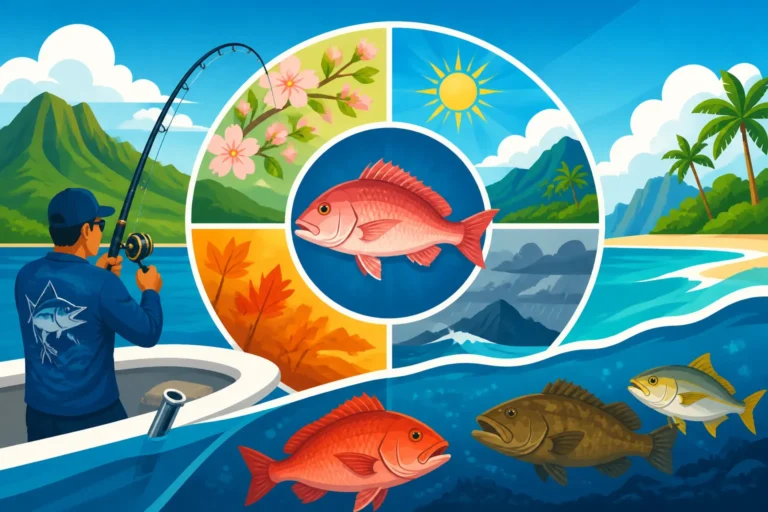
Hawaii is a popular destination year-round, but certain times of the year, like spring break, summer, and the winter holidays, see an influx of visitors. During these peak seasons, good charters with experienced captains book up quickly, and prices might be less negotiable. To secure your preferred boat and date, and potentially get a better rate, it's always advisable to book your full-day bottomfishing charter several months in advance.
Booking early also gives you more time to communicate with the charter operator, ask all your questions, and finalize your plans, leading to a smoother experience overall. It also offers more flexibility if you need to reschedule due to unforeseen circumstances, assuming the charter has a reasonable cancellation policy.
Don't Be Afraid to Ask Questions
Seriously, ask away! A reputable charter company or booking agent will be happy to answer all your questions. Before committing, confirm:
- The exact duration of the "full day" trip.
- What species they typically target for bottomfishing.
- What's included in the price (bait, tackle, water, snacks, license?).
- Their policy on fish cleaning and whether you can keep your catch.
- Their cancellation policy in case of bad weather or other issues.
- How many other anglers will be on board if it's a shared charter.
Understanding these details upfront will prevent any misunderstandings and help you compare apples to apples when looking at different charter options. A great place to start with questions is often a direct message or call to the captain through a platform like FishingBooker, which facilitates direct communication. Ultimately, finding the best value isn't just about the lowest price; it's about getting the experience you desire for a price you feel is fair and transparent.
Disclaimer
This article is for general informational purposes only and does not constitute professional advice. Laws, prices and regulations vary by location and change over time. Consult a qualified professional for guidance on your specific situation.