Best Half-Day Fishing Charters in Hawaii
Planning a fishing trip to Hawaii can be daunting, especially when you're balancing a packed vacation schedule or trying to stick to a budget. Many anglers dream of hitting the deep blue but feel a full-day charter is too big a commitment, leaving them wondering if there's a more manageable option. This guide is here to unravel the ins and outs of half-day fishing charters in Hawaii, showing you exactly what these shorter trips offer and how they can be the perfect solution for experiencing Hawaii's incredible fisheries without sacrificing your entire day or breaking the bank.
The Allure of Half-Day Fishing Charters in Hawaii
There’s a common misconception that to really experience deep-sea fishing in Hawaii, you need to commit to a full-day excursion. While those longer trips certainly have their place for hardcore anglers chasing trophy fish, half-day charters often get overlooked, and that’s a real shame! These shorter trips offer a fantastic blend of adventure, accessibility, and affordability that makes them incredibly appealing, especially if you're traveling with family, new to fishing, or simply short on time. It's about getting a taste of that legendary Hawaiian bite without the full-day commitment.
Balancing Adventure with Time Constraints
One of the biggest struggles for visitors to Hawaii is fitting everything into their itinerary. You want to hike, surf, snorkel, relax on the beach, try all the amazing food, and maybe even squeeze in a helicopter tour. A full 8-10 hour fishing trip can feel like it devours an entire day, leaving you feeling rushed and missing out on other experiences. This is precisely where half-day charters shine. Typically lasting between 4 to 6 hours, they allow you to hit the water in the morning and be back by lunchtime, or head out in the afternoon after a leisurely morning.
Imagine waking up, enjoying a quick breakfast, and then spending a few exhilarating hours battling a feisty skipjack tuna or a colorful reef fish. You're back on shore with plenty of daylight left to explore a local market, hit a surfing lesson, or just relax by the pool. This flexibility is a game-changer for families with young children whose attention spans might not last a full day, or for travelers who want to sample a bit of everything Hawaii has to offer. It removes the pressure of an all-day commitment, making the adventure feel more like an exciting bonus rather than a demanding schedule obligation. Plus, if you're prone to seasickness, a shorter trip can be a much more comfortable introduction to offshore fishing.
Cost-Effectiveness and Accessibility
Let's be real, Hawaii isn't always the cheapest destination, and fishing charters can be a significant investment. Full-day charters, especially private ones, can easily run into four figures. For many, that price point might feel out of reach or simply too much to spend on a single activity during their vacation. Half-day charters significantly lower that barrier to entry. They are generally much more affordable, making the dream of fishing in Hawaii accessible to a broader range of budgets.
This cost difference is particularly noticeable if you're considering a private charter. A private half-day trip can be comparable in price to a shared full-day trip, giving you the luxury of having the boat and crew all to yourselves for a more personalized experience, but for a shorter duration. This makes it an excellent option for couples or small families who desire privacy without the hefty price tag of a full-day private booking. The reduced cost also means you might be able to try fishing on multiple islands or even combine it with another activity, turning one expensive outing into two memorable, budget-friendlier experiences. For those who are just dipping their toes into fishing or aren't sure if they'll love it, the lower cost of a half-day trip reduces the financial risk, allowing for a no-pressure introduction to the sport.
Perfect for a Taste of Diverse Hawaiian Fisheries
Hawaii boasts an incredible diversity of marine life, from the shallow reef fish to the behemoths of the deep blue. A half-day charter, while shorter, still offers ample opportunity to experience a good cross-section of these fisheries. While you might not be running 50 miles offshore for a giant marlin on a half-day, you can certainly target a variety of exciting species.
Nearshore half-day charters, for example, often focus on reef fishing, where you can catch colorful and delicious species like snapper (opakapaka, onaga), trevally (papio), or even a triggerfish (humuhumu). These trips can be incredibly productive and offer constant action, which is fantastic for keeping engagement high, especially for kids. On the other hand, many offshore half-day charters, particularly out of ports like Honokohau Harbor on the Big Island, can still get you into pelagic action, targeting smaller tuna like skipjack (aku), mahimahi, or even smaller ono. The captains are experts at maximizing the limited time, often focusing on productive fishing grounds closer to shore or known FADs (Fish Aggregating Devices) that don't require extensive travel time. It’s a great way to experience both the thrill of offshore trolling and the steady action of bottom fishing, depending on the charter's specialization and your preferences. You might even discover a new favorite type of fishing you never knew you loved!
What to Anticipate on Your Half-Day Excursion
Stepping onto a charter boat, whether it's for a full day or a half-day, always comes with a mix of excitement and a few questions. What's the routine? What kind of fish are we actually going for? What's the vibe like with the crew? Understanding these elements before you go can help you set realistic expectations and ensure you have the best possible time. A half-day charter is specifically designed to deliver a concentrated dose of fishing excitement within a shorter timeframe.
Typical Trip Duration and Schedule
Most half-day fishing charters in Hawaii typically run for about 4 to 6 hours. You'll usually find two main departure windows: a morning trip, often leaving between 6:00 AM and 7:30 AM, and an afternoon trip, usually departing around 12:00 PM to 1:30 PM. The morning trips are incredibly popular because they often coincide with the cooler parts of the day and historically productive feeding times for many fish species. Plus, being back on shore by lunch means you still have your entire afternoon free for other activities or just to unwind.
Afternoon trips offer a more relaxed start to the day. You can enjoy a leisurely morning, perhaps hit the beach, and then head out for your fishing adventure. These trips can sometimes offer beautiful sunset views on the return, which is an added bonus. The exact duration and schedule will be clearly stated when you book, so always double-check. Don't expect to venture too far offshore on these shorter trips; the captains are strategic about hitting known spots within a reasonable cruising distance to maximize your fishing time. This means less time spent traveling and more time with lines in the water, which is the whole point of a half-day adventure!
Common Target Species and Fishing Methods
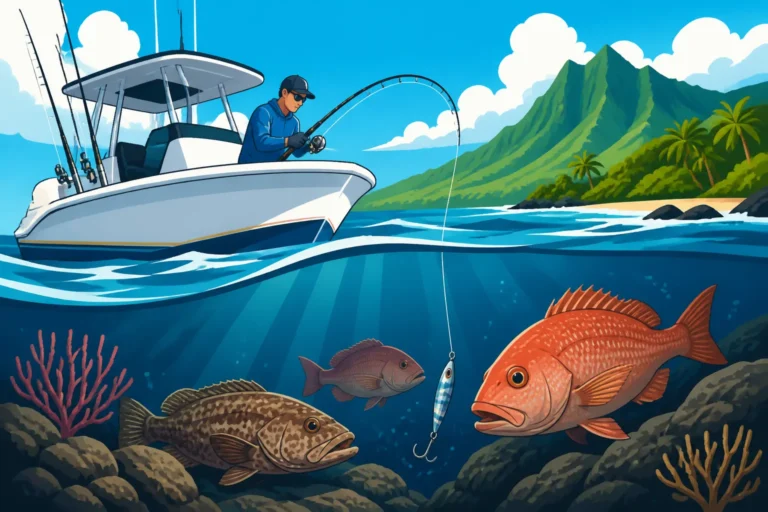
While a half-day charter might not take you on a grueling hunt for a grander marlin, you'd be surprised at the variety and quality of fish you can target. Nearshore charters often focus on bottom fishing or light tackle trolling closer to the reef lines. Here, you might reel in species like colorful snappers (opakapaka, taape, onaga), various goatfish (kumu, weke), or even some feisty papio (young trevally). These trips offer consistent action, which is fantastic for keeping everyone engaged, especially beginners and kids. Bottomfishing in Hawaii is a popular technique often utilized on these trips.
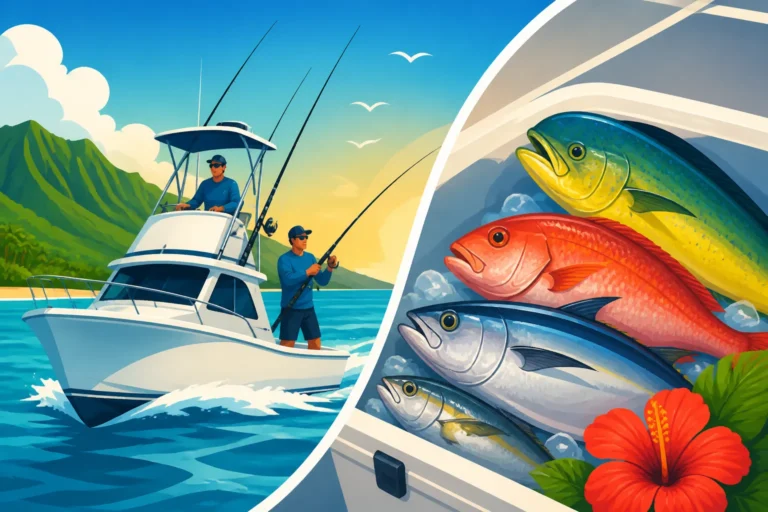
For those looking for a taste of pelagic action, many half-day offshore charters will target smaller tuna, primarily aku (skipjack tuna), which are plentiful and put up a great fight. You can also frequently encounter mahimahi (dorado) and sometimes even smaller ono (wahoo) or spearfish, particularly if the boat is trolling near FADs or current lines a few miles offshore. The fishing methods will typically involve trolling lures or live bait for the pelagics, or dropping baited lines to the bottom for reef fish. Captains will adapt their strategy based on current conditions, recent reports, and the desires of the anglers, aiming to put you on fish quickly and efficiently within the limited time frame. You can learn more about specific species like Ahi (Yellowfin Tuna) Fishing in Hawaii, though half-day trips are more likely to target their smaller skipjack cousins.
The Boat, Crew, and Onboard Experience
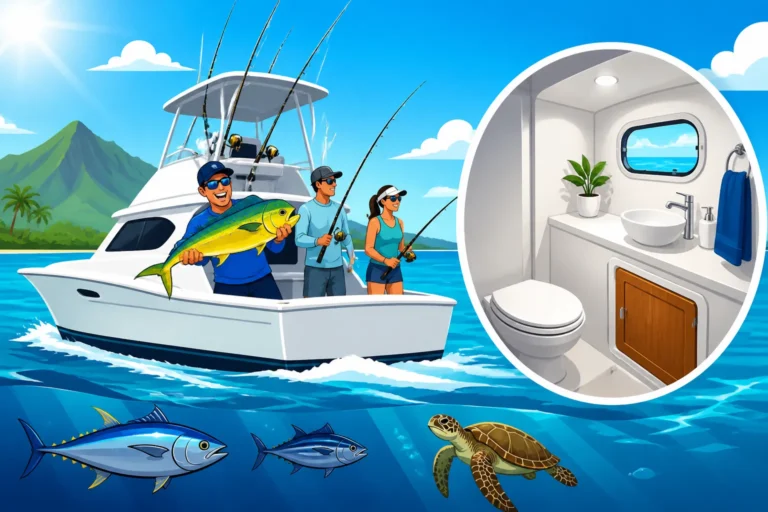
When you book a half-day charter, you can expect a professional and well-maintained vessel, typically a sportfisher or a center console, designed for fishing comfort and efficiency. While these boats might be slightly smaller than those used for multi-day expeditions, they are perfectly equipped for the task. The crew, usually consisting of a seasoned captain and often a helpful deckhand, are the heart of the operation. They are experienced locals who know these waters like the back of their hands – where the fish are biting, what baits they prefer, and how to maximize your chances of a successful catch.
The onboard experience is generally quite active. The crew will handle setting up lines, baiting hooks, and assisting with any catches. They’re there to ensure your safety, teach you techniques if you're new, and most importantly, make sure you have a memorable time. Expect a friendly atmosphere, but also appreciate their expertise and hard work. They're often multitasking, watching for birds, checking sonar, and managing multiple lines, all while keeping an eye on the guests. Don't hesitate to ask questions; they love sharing their knowledge of Hawaii's marine environment. Many charters operate on a shared basis for half-day trips, so you might be fishing alongside other enthusiasts, which can be a fun way to meet new people. However, private half-day charters are also available if you prefer a more exclusive outing. For a general overview of what to expect, refer to What to Expect on a Hawaii Fishing Charter.
Choosing Your Half-Day Charter by Island
Hawaii is an archipelago of diverse islands, each offering its own unique fishing opportunities and charter experiences. What you can catch and the style of fishing can vary significantly from one island to the next, even on a half-day trip. Understanding these regional differences is key to picking the perfect charter that aligns with your fishing goals and the specific island you're visiting.
Big Island Kona Coast: Pelagic Dreams in Shorter Bursts
The Kona Coast of the Big Island is world-renowned as a fishing mecca, especially for big game. The unique geological features here, with deep water close to shore, mean that you don't have to travel far to get into serious pelagic action. Even on a half-day charter out of Honokohau Harbor, you have a legitimate shot at encountering impressive fish.
While targeting a grander marlin might be a stretch on a 4-hour trip, smaller marlin, powerful ahi (yellowfin tuna), swift ono (wahoo), and vibrant mahimahi are all fair game. Captains often run a spread of lures relatively close to the coast, capitalizing on known feeding grounds and current lines. This means less travel time and more fishing time, which is invaluable on a shorter trip. If your dream is to experience the thrill of offshore trolling and battle a strong pelagic fish, even for just a few hours, Kona is arguably your best bet for a half-day trip. Charters here are incredibly efficient, focusing on maximizing your chances within the timeframe. You can find excellent options through platforms like FishingBooker, which makes it easy to compare boats and their target species. For more on this iconic fishery, check out Marlin Fishing off the Kona Coast and Best Charters Out of Honokohau Harbor.
Oahu: Urban Access to Diverse Waters
Oahu, being the most populated island, offers incredible accessibility to diverse fishing opportunities, with several harbors providing convenient half-day charter options. Honolulu, with Kewalo Basin and Ala Wai Harbor, serves as a bustling hub for fishing excursions. From here, you can quickly get into productive waters targeting a variety of species.
Half-day charters off Oahu often focus on both offshore trolling and inshore bottom fishing, depending on the captain's specialty and current conditions. Offshore, you're likely to find good numbers of aku (skipjack tuna), mahimahi, and sometimes ono, especially if the current lines are close to shore. Inshore, the reefs and ledges can yield excellent catches of snapper, trevally (papio), and various reef fish. Charters departing from Waianae on the leeward coast of Oahu can also offer access to good fishing grounds with less boat traffic. The convenience of Oahu means you can often be on the water within minutes of leaving your hotel, making it incredibly easy to fit a half-day trip into a busy vacation schedule. The sheer number of charters available also means a competitive market, providing a wide range of options to suit different budgets and preferences. If you're staying in or around Honolulu, Best Charters Out of Honolulu might be a good starting point for your research.
Maui and Kauai: Scenic Beauty and Productive Reefs
Maui and Kauai, while offering equally stunning scenery, present slightly different half-day fishing experiences compared to the Big Island or Oahu. These islands are often lauded for their natural beauty, and fishing here allows you to enjoy that beauty from a unique vantage point on the water.
On Maui, charters often depart from harbors like Ma'alaea or Lahaina. Half-day trips here are excellent for bottom fishing, targeting a variety of snappers, goatfish, and trevally along the island's expansive reef systems. You can also find trolling opportunities for smaller pelagics like mahimahi and aku, especially around channel crossings between Maui and nearby islands like Lanai or Molokai. The waters between these islands can create rich feeding grounds. Kauai's half-day charters, typically out of Port Allen or Nawiliwili, offer similar opportunities. The lush green mountains and dramatic coastline provide a breathtaking backdrop to your fishing adventure. While the focus might lean more towards reef fishing and light tackle trolling for smaller game, the consistent action and beautiful surroundings make for a truly memorable experience. These islands are particularly well-suited for families or beginners looking for a more relaxed and scenic introduction to Hawaiian fishing, often with a higher chance of continuous hookups on smaller, fun-to-catch fish.
| Island | Primary Half-Day Focus | Common Target Species | Typical Departure Harbors |
|---|---|---|---|
| Big Island | Offshore Pelagics (Trolling) | Smaller Marlin, Ahi, Ono, Mahimahi, Aku | Honokohau Harbor |
| Oahu | Diverse: Pelagics & Reef Fish | Aku, Mahimahi, Papio, Snapper, Goatfish | Kewalo Basin, Ala Wai, Waianae |
| Maui | Bottomfishing, Light Pelagic Trolling | Snapper, Goatfish, Papio, Aku, Mahimahi | Ma'alaea Harbor, Lahaina Harbor |
| Kauai | Bottomfishing, Light Pelagic Trolling | Snapper, Goatfish, Papio, Aku, Mahimahi, Barracuda | Port Allen, Nawiliwili |
Selecting the Best Half-Day Charter for Your Needs
With so many charter options available, choosing the right one for your half-day adventure can feel a bit overwhelming. It's not just about finding an open spot on a boat; it's about matching the charter's style, reputation, and offerings to your personal expectations and fishing goals. A little research upfront can make all the difference between a good trip and a truly great one.
Private vs. Shared Charters: Weighing Your Options
This is often one of the first decisions you'll make when booking any charter, and it's especially relevant for half-day trips.
Shared Charters:
- Pros: Significantly more affordable per person, as the cost is split among all passengers (typically 4-6 anglers). Great for solo travelers or couples who don't mind fishing with strangers. Can be a fun social experience, sharing the excitement of catches and learning from others.
- Cons: Less flexibility in terms of target species, fishing methods, or departure times – you're on the boat's schedule and the captain's plan. Limited space and individual attention from the crew might be reduced. You might spend more time waiting for others to reel in fish or deal with tangles.
- Best For: Budget-conscious anglers, solo travelers, or those just looking to experience Hawaiian fishing without a specific agenda.
Private Charters:
- Pros: The entire boat and crew are dedicated to your group. Maximum flexibility to discuss target species, fishing techniques, and even preferred areas with the captain. More personalized attention from the crew. Ideal for families or groups of friends who want an exclusive experience. More room to move around the boat.
- Cons: Higher upfront cost, as you're covering the entire charter fee yourself. Can be significantly more expensive than a shared trip.
- Best For: Families with young children, groups of friends, experienced anglers with specific fishing goals, or those celebrating a special occasion.
When making this choice, consider your budget, the size of your group, and how much control you want over the fishing experience. For a half-day trip, a private charter can feel like a luxurious yet still manageable splurge.
Researching Reputation and Specializations
Once you decide on shared or private, it's time to dive into the specifics of available charters. Don't just pick the first one you see! Online reviews and testimonials are your best friends here. Look for consistent positive feedback regarding the crew's professionalism, the boat's condition, and the overall fishing experience. Pay attention to comments about how the crew interacts with beginners or families if that's relevant to your group. FishingBooker, for example, is an excellent platform for this, allowing you to filter by location, boat size, and read reviews from previous anglers.
Also, consider the charter's specialization. Some boats are known for their prowess in bottom fishing, while others excel at light tackle trolling for smaller pelagics. If you have a specific fish in mind (e.g., "I really want to catch a mahimahi!"), try to find a charter that highlights success with that species on their half-day trips. While a half-day might not allow for a deep-sea marlin hunt, many captains are very good at putting you on active schools of smaller tuna or mahimahi closer to shore. Don't be shy about looking for charters that cater to your skill level; Best Guided Trips for Beginners in Hawaii are definitely out there and make a great choice for a half-day trip.
Asking the Right Questions Before You Book
Before you commit, arm yourself with a few key questions. Transparency is crucial, and a good charter will be happy to provide all the details.
- What's included in the price? This is vital. Does it cover all fishing gear, bait, tackle, ice, and bottled water? Some charters might include snacks or even a cooler for your own drinks. Clarify if a Hawaii Fishing License Guide for 2026 is needed for guests, or if the charter covers a blanket license (often, recreational marine fishing in Hawaii doesn't require a license for guests on a licensed charter boat, but it's always good to confirm).
- What is your catch policy? This varies widely. Some charters are strictly catch-and-release, especially for certain species. Others allow you to keep a portion of your catch, or they might fillet it for you to take home. Some might keep all the fish for commercial sale. Make sure you understand this upfront, especially if bringing fresh fish home for dinner is part of your dream.
- What happens in case of bad weather? Tropical weather can be unpredictable. Ask about their cancellation or rescheduling policy for inclement weather conditions.
- Are children welcome, and what's the minimum age? If you're bringing kids, ensure the charter is family-friendly and has appropriate safety equipment for youngsters. Many half-day trips are marketed as Best Family-Friendly Fishing Charters in Hawaii.
- What kind of fish are you typically catching on half-day trips right now? "Right now" is key. Fishing is seasonal and dynamic, so what was biting last month might not be biting today. A good captain will give you an honest assessment of current conditions and likely target species.
By asking these questions, you'll not only gain clarity but also gauge the charter's customer service and commitment to a positive experience.
Essential Preparations for a Successful Half-Day Trip
You've booked your half-day charter, the excitement is building, and now it's time to get ready! While the crew will handle most of the heavy lifting when it comes to the actual fishing, a little preparation on your part can significantly enhance your comfort, enjoyment, and overall success. Thinking ahead about what to bring, how to manage the elements, and understanding local customs will set you up for a fantastic experience.
What to Bring and What the Charter Provides
Most reputable fishing charters in Hawaii will provide all the necessary fishing gear, including rods, reels, bait, and tackle. You typically don't need to bring your own unless you have a specific preference and have cleared it with the captain beforehand. However, there are several personal items that are absolutely essential for your comfort and safety:
- Sun Protection: The Hawaiian sun is intense, even on cloudy days. Bring a wide-brimmed hat, polarized sunglasses, and plenty of reef-safe sunscreen. Long-sleeved, light-colored shirts and pants or shorts are highly recommended to minimize sun exposure.
- Snacks and Drinks: While some charters might offer basic refreshments, it's always a good idea to bring your own water, sodas, and favorite non-messy snacks. A small cooler with ice can be a lifesaver. Avoid anything that might make you feel queasy, like greasy foods.
- Camera: You'll want to capture those memories, whether it's the stunning coastline views, the excitement of a hookup, or your prize catch! Just make sure it's well-secured or waterproof.
- Appropriate Footwear: Wear non-slip, closed-toe shoes. Boat decks can get wet and slippery, and hooks or fish spines are a real hazard. Flip-flops are generally not recommended.
- Rain Gear (Light Jacket): Even on sunny days, a squall can pop up quickly, or the ocean spray might catch you off guard. A lightweight, waterproof jacket can be invaluable.
- Medication: If you take any personal medications, don't forget them. This includes any seasickness remedies you might plan to use.
For a more comprehensive list, refer to What to Bring on a Hawaii Fishing Charter. Remember, the goal is to be comfortable and prepared so you can fully immerse yourself in the fishing experience.
Managing Seasickness and Sun Exposure
Seasickness can ruin an otherwise perfect day on the water, but it's often preventable! If you're prone to motion sickness or unsure how you'll react, it's wise to take preventative measures. Over-the-counter medications like Dramamine or Bonine work best when taken before you board the boat, usually an hour or so beforehand. Acupressure wristbands can also provide relief for some. During the trip, try to stay on deck in the fresh air, focus on the horizon, and avoid reading or looking down at your phone for extended periods. Staying hydrated and avoiding heavy, greasy foods before and during the trip can also help.
As for sun exposure, it's not just about comfort; it's about protecting your skin from harmful UV rays. Layering up with sun-protective clothing, reapplying sunscreen every few hours (especially after getting wet), and seeking shade when available are crucial. Even on an overcast day, the sun's rays can penetrate the clouds and reflect off the water, leading to severe sunburns. Don't let a bad sunburn cut your fishing trip or your vacation short!
Understanding Charter Etiquette and Expectations
Knowing the unwritten rules of charter fishing can make the experience smoother for everyone.
- Listen to the Crew: The captain and deckhand are in charge of your safety and the fishing operation. Pay attention to their instructions, especially when they're giving safety briefings or explaining how to handle a rod or a fish. They are the experts, and their guidance will help ensure a successful trip.
- Respect Others (on shared charters): Be mindful of your fellow anglers. Give everyone space, especially when a fish is on the line. Be patient and understand that everyone wants a turn.
- Handling Your Catch: If you catch a fish, the deckhand will typically assist you with getting it into the boat, unhooking it, and either releasing it or putting it on ice. Follow their lead. If you plan to keep fish, verify the charter's catch policy beforehand.
- Tipping: It's customary and greatly appreciated to tip the captain and deckhand for their hard work and service. A general guideline is 15-20% of the charter fee, especially if they worked hard, provided excellent service, and put you on some fish. This is a significant part of their income. For more details on this, see Tipping Etiquette for Hawaii Fishing Charters.
- Alcohol: Most charters allow you to bring your own alcoholic beverages, but always drink responsibly. Excessive drinking can impair judgment and increase the risk of seasickness or accidents.
By being prepared and considerate, you'll contribute to a positive and memorable fishing experience for yourself and everyone else on board.
Navigating the Costs of Half-Day Fishing Charters
One of the big draws of a half-day charter is the more approachable price point compared to its full-day counterpart. However, "affordable" is a relative term, and the actual cost can still vary quite a bit depending on several factors. Understanding these variables and what's typically included can help you budget effectively and avoid any unpleasant surprises once you're on the water.
Factors Influencing Pricing
The price you pay for a half-day fishing charter in Hawaii isn't a fixed number; it's a dynamic figure influenced by several key elements:
- Private vs. Shared: As discussed, a private charter (where your group has the entire boat) will always be more expensive upfront than a shared charter (where you pay per person and share the boat with others). However, for larger groups, a private half-day might actually be more cost-effective per person than multiple individual spots on a shared trip.
- Island and Location: Fishing charters out of popular, well-established ports like Honokohau Harbor on the Big Island or Kewalo Basin in Honolulu might have slightly different pricing structures due to demand, operating costs, and the specific types of fishing available. Remote harbors might offer slightly lower prices or unique packages.
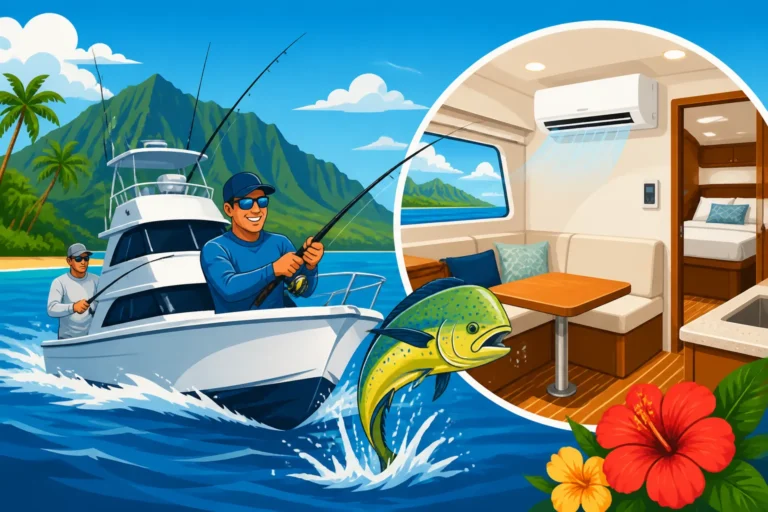
- Boat Size and Amenities: Larger, more luxurious sportfishing yachts with air-conditioned cabins, multiple fighting chairs, and high-end electronics will naturally command a higher price than smaller, more basic center consoles. Consider if these extra amenities are truly necessary for a half-day trip.
- Crew Experience and Reputation: Highly experienced captains and deckhands with a long track record of success often charge a premium for their expertise. This can be well worth it, as their knowledge can significantly increase your chances of a successful trip.
- Time of Year: Peak tourist seasons or specific fishing seasons (e.g., peak marlin season on Kona) might see higher prices due to increased demand. Conversely, booking during the shoulder seasons could offer slight savings.
- Inclusions: What's covered in the base price (bait, tackle, drinks, etc.) will impact the overall cost. Some charters are all-inclusive, while others might charge extra for certain items.
As a rough guideline, you might find shared half-day trips ranging in price (check current rates directly with operators or on booking sites like FishingBooker), while private half-day charters will be significantly more. Remember, these are general indications, and prices can fluctuate. For comparison, you can also look at Best Full-Day Fishing Charters in Hawaii to see the price difference.
What's Typically Included in the Price
Most reputable half-day fishing charters aim to make your experience as hassle-free as possible by including essential items in their base price. This usually covers:
- Fishing Gear: Rods, reels, lines, and gaffs are standard.
- Bait and Tackle: Live bait, dead bait, lures, hooks, and weights are all typically provided.
- Ice: For keeping drinks cold and preserving your catch (if allowed).
- Water/Basic Beverages: Many charters will provide bottled water and sometimes a few sodas.
- Safety Equipment: Life jackets, first-aid kits, and other safety gear are legally required and always on board.
- Experienced Crew: The expertise of the captain and deckhand is, of course, a core part of the cost.
Always confirm these inclusions when booking. It's frustrating to arrive and find out you need to pay extra for bait or water when you weren't expecting it.
Hidden Costs and How to Avoid Surprises
While the base price covers a lot, there can be a few "hidden" or overlooked costs that can add up if you're not aware of them.
- Gratuities for the Crew: This is the most significant "hidden" cost and, as mentioned, is an industry standard. Budget for 15-20% of your charter fee for the crew. If you had an exceptional experience, feel free to give more. It's often cash, so come prepared.
- Fish Cleaning/Filleting: Some charters will fillet your keepers for free; others might charge a small fee, especially for larger fish that require more effort. Clarify this beforehand if taking fish home is important to you.
- Food and Specialty Drinks: Beyond basic water, if you want specific snacks, sandwiches, or alcoholic beverages, you'll almost certainly need to bring your own.
- Transportation to the Harbor: Remember to factor in the cost of a taxi, rideshare, or rental car to get to and from the departure point, especially if your accommodation isn't within walking distance.
- Motion Sickness Medication: If you need to purchase this, it's an additional expense, but a small one that can prevent a miserable trip.
- Souvenirs/Photos: Some charters might offer professional photos or merchandise for purchase.
- Special Requests: If you make a special request, like a specific type of bait not normally used, be prepared for a potential extra charge.
To avoid surprises, always read the fine print when booking and don't hesitate to ask clarifying questions before you confirm. A good charter operator will be upfront about all potential costs, ensuring you have a clear picture of your total investment in this unforgettable Hawaiian fishing adventure.
Disclaimer
This article is for general informational purposes only and does not constitute professional advice. Laws, prices and regulations vary by location and change over time. Consult a qualified professional for guidance on your specific situation.