Best Guided Trips for Beginners in Hawaii
Venturing out to fish in Hawaii for the first time can feel incredibly daunting, can't it? You arrive on these stunning islands, eager to experience the legendary fishing, but then reality hits: where do you even start? The waters are vast, the species are unfamiliar, the regulations seem complex, and you might not have the right gear. It’s easy to feel overwhelmed before you even cast a line. This guide is here to walk you through why a guided trip is the absolute best way for beginner anglers to unlock Hawaii's incredible fishing potential, offering insights into what to look for and how to prepare.
Why a Guided Trip is Perfect for Beginner Anglers in Hawaii
Let's be real, showing up in Hawaii with a basic spin rod from your local big box store and expecting to land a trophy ulua or a feisty papio is probably setting yourself up for disappointment. The unique ecosystem, diverse species, and specific techniques required here are a world away from many other fishing destinations. This is precisely where a guided trip shines, especially for those just starting out or new to island fishing. It’s not just about catching fish; it’s about gaining invaluable experience and understanding from someone who lives and breathes Hawaiian fishing.
Overcoming the Intimidation Factor
When you're new to fishing, or new to a particular style of fishing, the sheer amount of specialized gear, the jargon, and the unspoken rules can be incredibly intimidating. Imagine trying to figure out which size leader you need for a specific reef fish, or how to tie a proper knot that won't fail when a strong Hawaiian fish hits. A guided trip completely removes this burden. Your guide provides all the necessary equipment, from rods and reels perfectly suited for the target species, to the right baits and lures. You won't have to worry about buying expensive gear you might only use once, or fumbling with unfamiliar tackle.
Furthermore, guides are experts at breaking down complex techniques into easy-to-understand steps. They'll teach you the right way to cast for bonefish on a shallow flat, how to set the hook on a fast-striking mahi-mahi, or the subtle nuances of jigging for bottomfish. This hands-on instruction is invaluable. Instead of trial and error (which usually leads to frustration for beginners), you get direct, personalized coaching. It transforms what could be a confusing and unproductive day into a focused learning experience where you actually build confidence.
Navigating Hawaii's Unique Regulations and Species
Hawaii's marine and freshwater environments are incredibly rich, but they're also delicate and heavily regulated to protect native species and ensure sustainability. For a beginner, understanding all the local rules – such as size limits, bag limits, seasonal closures, and protected areas like Marine Life Conservation Districts – can feel like studying for a complex exam. Trying to decipher the Hawaii DLNR Fishing Regulations can be a head-scratcher. What's the minimum size for an uhu? Is moi in season? Can you even keep that fish you just caught?
A professional guide handles all of this for you. They are intimately familiar with all current Hawaii Fishing Regulations Explained and will ensure that every aspect of your trip is compliant with local laws. This means you can focus entirely on the joy of fishing without the stress of accidentally breaking a rule. They'll also educate you on the local species you encounter, helping you identify different types of fish and understand their habits. This educational aspect is a huge bonus, turning a simple fishing trip into a deeper appreciation for Hawaii's aquatic life. For instance, they might point out the differences between an ulua and a papio, or explain why certain areas are closed for Hawaii Moi Closed Season, Explained.
Maximizing Your Chances for Success
Let's be honest, everyone wants to catch fish! While there are no guarantees in fishing, a guided trip dramatically increases your odds, especially in unfamiliar waters. Local guides have spent years, if not decades, on the water, understanding the currents, tides, weather patterns, and where different species congregate at various times of the year. They know the secret spots that aren't marked on any map and can read the water in ways an outsider simply can't.
Think about it: a guide knows that certain reef structures hold kumu, or that a specific drop-off might be holding onaga. They've tracked Ahi Migration Patterns Around Hawaii for years and know which buoys are producing. They'll put you in the right place at the right time, armed with the right bait or lure. This local expertise is the biggest advantage for a beginner. Instead of spending your precious vacation time blindly casting into empty water, you're learning directly from someone who knows the area like the back of their hand, setting you up for a much more rewarding experience. Many guides use services like FishingBooker to showcase their experience and specialties, making it easier for beginners to find someone with a proven track record.
Types of Beginner-Friendly Guided Fishing Experiences
Hawaii offers a diverse range of fishing environments, from shallow reef flats to deep offshore waters, and even a unique freshwater fishery. For beginners, certain types of guided trips are far more accessible and enjoyable than others. It's all about finding an experience that matches your comfort level and what you hope to gain from the adventure.
Shore Fishing Guides: Learning the Ropes from Land
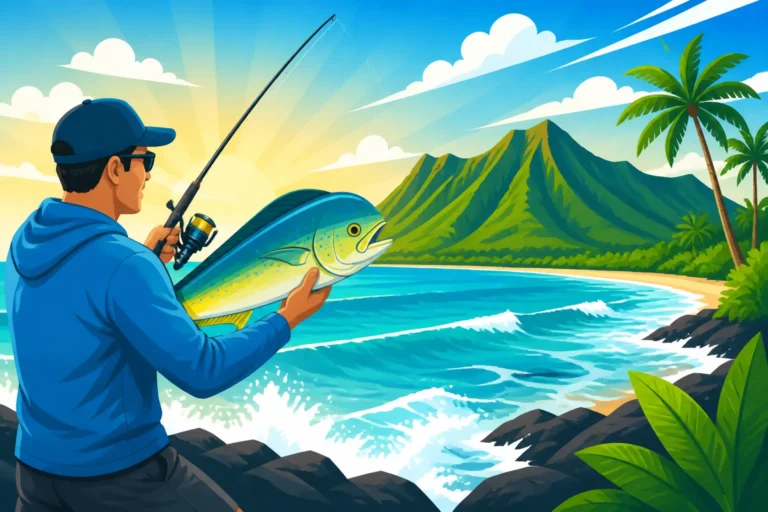
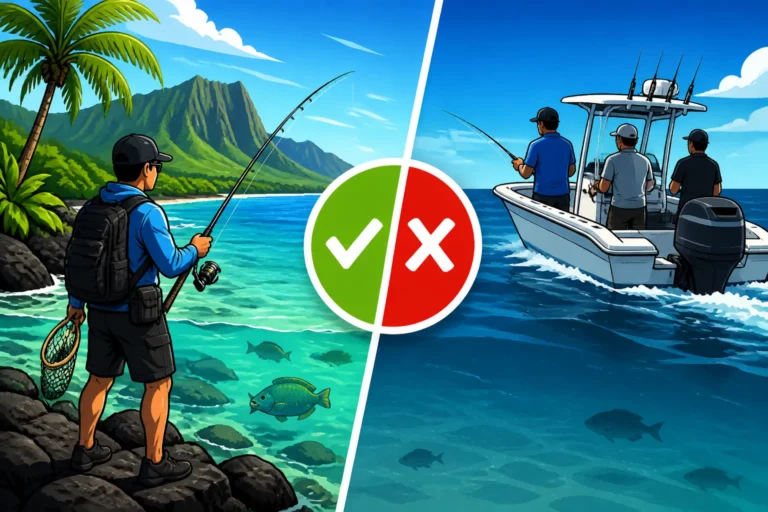
Shore fishing, or "uli" as it's often called locally, is a fantastic entry point for beginners. It allows you to stay on solid ground, eliminating any concerns about seasickness, and often takes place in calmer, more accessible areas. A shore fishing guide will meet you at a predetermined location – perhaps a sandy beach, a rocky point, or even a local pier – and teach you the specific techniques tailored for that environment. You'll learn how to read the waves, identify promising structure, and cast effectively from land.
These trips often focus on species like papio (juvenile trevally), smaller ulua, various reef fish, and occasionally even bonefish on the flats. Your guide will teach you about bait presentation, retrieve methods, and how to handle fish safely on the shore. Imagine learning to "whip" a lure for papio along the beautiful Oahu coastline, or setting up a sliding bait rig for a bigger ulua from a rocky outcrop. It’s a very hands-on experience that builds fundamental skills without the complexities of navigating a boat. Many guides specialize in teaching Shore Fishing Techniques for Hawaii specifically designed for beginners, ensuring you get personalized attention.
Nearshore & Reef Boat Charters: Gentle Introduction to Boat Fishing
For those who want to experience fishing from a boat but aren't ready for the rigors of deep-sea sportfishing, a nearshore or reef charter is an excellent choice. These trips typically stay closer to shore, in calmer waters, and focus on the abundant reef and bottomfish species. You might target opakapaka, onaga, kumu, or various jacks. The boats are often smaller than the big offshore sportfishers, creating a more intimate and less intimidating environment.
On these charters, the guide or deckhand will teach you how to use a conventional reel for bottomfishing, how to feel for bites, and how to safely bring fish aboard. It’s a great way to get comfortable on the water and experience the thrill of catching multiple species. The action can be quite consistent, which is perfect for keeping beginner anglers engaged and excited. These trips are also often more family-friendly, allowing everyone to participate in a comfortable setting. When looking for these, consider charters that specifically advertise themselves as Best Half-Day Fishing Charters in Hawaii or those focusing on Bottomfishing in Hawaii.
Freshwater Guided Trips: A Different Kind of Adventure
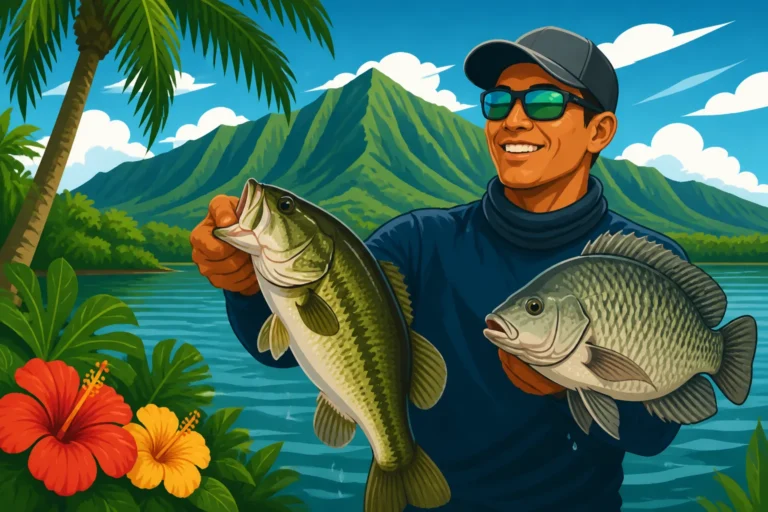
Surprise! Hawaii isn't just about ocean fishing. The islands, particularly Kauai and Oahu, offer unique freshwater fishing opportunities, primarily for introduced species like rainbow trout, largemouth bass, peacock bass, and tilapia. A freshwater guided trip can be a fantastic, serene alternative for beginners, especially if you prefer tranquil settings or have prior freshwater experience.
For example, on Kauai, you can find guides who specialize in fly fishing for rainbow trout in the Kokee Public Fishing Area. This is a truly unique experience, fishing in cool mountain streams with stunning views. On Oahu, places like Wahiawa Reservoir are home to hard-fighting largemouth bass and vibrant peacock bass. A freshwater guide will know the best spots, the right flies or lures to use, and how to navigate the specific terrain. It’s a completely different pace than ocean fishing, often focused on finesse and stealth, and can be incredibly rewarding. If you're interested in something truly different, look for guides specializing in Best Freshwater Fishing Spots in Hawaii or even Rainbow Trout: Hawaii's Only Freshwater Trout Fishery.
What to Look for in a Beginner-Friendly Guide or Charter
Choosing the right guide or charter is paramount for a successful and enjoyable beginner fishing trip. It’s not just about finding someone with a boat and some rods; it’s about finding a true educator and hospitality provider who understands the unique needs of novice anglers. A great guide can make all the difference between a frustrating day and an unforgettable introduction to fishing in Hawaii.
Patience, Teaching Style, and Communication
For a beginner, patience is perhaps the most crucial quality in a guide. You're going to make mistakes – tangles happen, casts go awry, and sometimes you just don't feel the bite. A good beginner-friendly guide won't get frustrated; instead, they'll calmly explain what went wrong and how to improve. Look for guides who genuinely enjoy teaching and who can explain concepts in simple, clear terms without being condescending.
Their teaching style should be hands-on but also encouraging. They should be willing to demonstrate techniques, help you untangle lines, and celebrate every small success, whether it's a perfect cast or reeling in your first papio. Excellent communication also extends to before the trip – a good guide will answer your questions thoroughly, set clear expectations, and make you feel comfortable and informed even before you step on the boat or hit the shore. You might find guides on platforms like FishingBooker who specifically highlight their experience with novice anglers or families.
Comprehensive Gear and Tackle Provision
One of the biggest advantages of a guided trip for beginners is not having to worry about gear. A truly beginner-friendly guide or charter will provide everything you need. This includes appropriate rods and reels for the target species, fresh bait, a variety of lures, and all the terminal tackle (hooks, weights, leaders). They should also have essential safety equipment, first-aid kits, and potentially even snacks and drinks.
It's wise to confirm this upfront. Ask explicitly: "What fishing equipment do you provide?" and "Do I need to bring anything besides personal items?" You want a guide who is not only equipped with high-quality gear that is well-maintained but also has a diverse selection to adapt to changing conditions. For example, if you're bottomfishing, they should have various jig weights and bait rigs. If you're shore fishing, they should have a range of lures suitable for different water conditions. This ensures you're always using the right tools for the job without any hidden costs or surprises.
Focus on the Experience, Not Just the Catch
While catching fish is undeniably exciting, a truly great beginner's fishing trip prioritizes the overall experience. This means the guide focuses on teaching, creating a fun and positive atmosphere, and sharing their knowledge about Hawaii's unique marine environment, even if the fish aren't biting aggressively that day. They understand that for a beginner, the joy often comes from learning a new skill, spending time outdoors, and connecting with nature.
A guide who understands this will tell stories about the local area, explain the behavior of the fish you're targeting, and point out other marine life you might encounter, such as turtles or dolphins. They'll celebrate the small victories – a strong retrieve, a well-placed cast, or identifying a subtle bite – more than just the size or quantity of the fish caught. This holistic approach ensures that even if the fishing is slow, you still have a memorable and enriching experience. You'll leave feeling more knowledgeable and appreciative of Hawaiian fishing, regardless of the size of your cooler.
Essential Questions to Ask Before Booking Your Trip
Once you've identified a few potential guides or charters that seem like a good fit, it's crucial to ask a few key questions before committing to a booking. This due diligence ensures there are no misunderstandings and that your trip aligns with your expectations, especially as a beginner angler. Don't be shy – a reputable guide will be happy to answer all your queries.
Understanding Costs and Inclusions
Cost is always a factor, and it's essential to understand exactly what your booking fee covers. Prices for guided trips can vary significantly based on the duration, type of fishing, boat size, and whether it's a private or shared charter. Ask directly: "What is the total cost for the trip, and what exactly is included?"
Clarify if the price includes all gear, bait, tackle, and any necessary licenses. While most reputable charters handle the permits for their passengers, it’s always good to ask, "Do You Need Your Own Fishing License for a Hawaii Charter?" Sometimes, freshwater trips might require a separate individual license. Inquire about any potential hidden fees, such as fuel surcharges, fish cleaning services, or even taxes. Also, discuss payment methods and cancellation policies upfront. A clear understanding of the financial aspect will prevent any unpleasant surprises and help you budget appropriately. Many guides list these details clearly on platforms like FishingBooker, but a direct conversation is always best.
Safety Protocols and What to Bring
Safety should always be a top priority, especially when venturing out on the water. Don't hesitate to ask your guide about their safety measures. Inquire about their experience, whether they are CPR and first-aid certified, and what safety equipment is on board. This is especially important for boat charters, where Coast Guard regulations are in place.
For shore fishing, ask about any specific hazards at the chosen location, like strong currents or slippery rocks. Beyond safety, ask what you need to bring. While the guide provides fishing gear, you'll still be responsible for personal items. Common suggestions include: "What to wear on a Hawaii fishing charter?" (light, breathable clothing, possibly long sleeves for sun protection), sunglasses, a hat, sunscreen, and any personal medications. If you tend to get seasick, ask about the typical water conditions and bring appropriate remedies. Always ensure you have enough water and snacks, even if the guide provides some.
Catch Policy and Expectations
Every guide and charter has a different policy regarding what happens to the fish you catch. Some are strictly catch-and-release, especially for certain species or in specific areas. Others encourage keeping legal fish for dinner. For beginners, it’s important to know this beforehand to manage your expectations. Ask, "What is your catch policy?" and "If we keep fish, do you clean them?"
If you're hoping to take some fresh fish home, ensure the guide offers cleaning services and understands how much you can reasonably take. Conversely, if you're a strong proponent of catch-and-release, communicate that preference. Discussing this upfront helps align your desires with what the guide can offer. Also, be realistic about expectations. While a guide greatly increases your chances, fishing is still fishing – there are no guarantees. A good guide will explain the typical success rates for the time of year and target species, helping you understand what a "good day" might look like.
Preparing for Your First Guided Fishing Adventure
You've booked your trip, asked all the right questions, and now the day is approaching! Proper preparation can make a huge difference in your enjoyment and comfort level during your first guided fishing adventure in Hawaii. It's about more than just remembering your sunscreen; it’s about having the right mindset and respecting the local environment and customs.
What to Wear and Pack
Layering is usually the key in Hawaii, even if it feels warm on land. Offshore, it can get breezy, and splashing is always a possibility. Start with a light, breathable base layer. Long-sleeved shirts made of quick-dry material are excellent for sun protection, even if you don't typically wear them. A wide-brimmed hat and polarized sunglasses are absolute musts, not just for comfort but also for spotting fish in the water, especially if you're shore fishing or sight casting for Bonefish (Oio) in Hawaii. Comfortable, non-slip footwear is also crucial, particularly on a boat deck or slippery rocks.
Beyond clothing, a small backpack for personal items is handy. Think about bringing reef-safe sunscreen (required in Hawaii), a reusable water bottle, any medications you need, and a camera to capture the memories. If you're prone to motion sickness, take preventative measures before you leave, not when you start feeling queasy on the boat. Many guides will have a cooler with ice, but confirm if you need to bring your own snacks or drinks.
Managing Expectations and Embracing the Learning Curve
Approach your first guided trip with an open mind and a willingness to learn. Remember that even the most experienced anglers have "slow" days. The goal isn't just to fill a cooler, but to enjoy the process, learn new skills, and appreciate the unique Hawaiian environment. Embrace the fact that you are a beginner, and allow yourself to make mistakes without getting discouraged. Your guide is there to teach you, so ask questions!
Think of this trip as an investment in your future fishing adventures. The knowledge you gain about reading water, proper casting, knot tying, and fish behavior will serve you well for years to come, whether you continue to fish in Hawaii or elsewhere. Focus on the nuances the guide points out – the slight twitch of the rod, the way the current pulls the line, the subtle differences in local baitfish. These are the details that turn a novice into a more competent angler.
Local Customs and Etiquette on the Water
Fishing in Hawaii comes with its own set of customs and etiquette, deeply rooted in respect for the ocean (malama kai) and the land. Listen to your guide regarding local practices. For instance, some areas may have cultural significance where certain activities are discouraged, even if not strictly illegal. Always treat the fish with respect, whether you're keeping them or releasing them. If releasing, ensure you handle them carefully to maximize their survival rate.
On a shared charter, be mindful of your fellow anglers. Give them space, respect their lines, and avoid excessive noise. Tipping your guide and any deckhands is customary if you've had a good experience. A standard tip, similar to other service industries, is greatly appreciated for their hard work and expertise. Finally, always leave the fishing grounds cleaner than you found them, carrying out any trash you generate. Respecting the Aina (land) and Kai (ocean) ensures these beautiful fishing grounds remain vibrant for generations of anglers to come.
| Type of Guided Trip | Pros for Beginners | Cons for Beginners | Typical Target Species | Environment Type |
|---|---|---|---|---|
| Shore Fishing Guide | No seasickness, learn fundamental casting, affordable | Limited range, dependent on accessibility of spots | Papio, smaller Ulua, various reef fish, Bonefish (Oio) | Beaches, rocky points, piers |
| Nearshore/Reef Boat | Stable boat, diverse species, good action potential | Possible mild seasickness, higher cost than shore | Opakapaka, Onaga, Kumu, Menpachi, various jacks, reef fish | Calmer nearshore waters, reefs |
| Freshwater Guide | Serene environment, unique species, less strenuous | Limited availability, often specific to certain islands | Rainbow Trout, Largemouth Bass, Peacock Bass, Tilapia | Mountain streams, reservoirs |
Disclaimer
This article is for general informational purposes only and does not constitute professional advice. Laws, prices and regulations vary by location and change over time. Consult a qualified professional for guidance on your specific situation.