Best charters for chumming for ahi
It's no secret that Hawaii offers some of the most incredible fishing experiences in the world, and for many anglers, catching a magnificent ahi (yellowfin tuna) is the ultimate dream. But when you’re looking to specifically target these powerful pelagics using the highly effective method of chumming, finding the right charter can feel like searching for a needle in a very vast ocean. This guide is here to cut through the confusion and help you identify the best charters specializing in chumming for ahi, ensuring you have the best possible chance at a thrilling and successful outing.
Understanding Chumming for Ahi in Hawaii
Chumming for ahi isn't just about throwing bait over the side; it's a strategic and often highly productive technique that requires knowledge, patience, and the right setup. Many visitors envision trolling lures when they think of offshore fishing in Hawaii, but for specific species like ahi, especially in certain conditions, chumming can be a game-changer.
Why Chumming is Effective for Ahi
Ahi are intelligent and highly migratory fish, constantly on the move in search of food. The beauty of chumming is its ability to create an artificial feeding frenzy, drawing fish from deeper waters or farther afield directly to your boat. When done correctly, a consistent chum line acts like a dinner bell, attracting not just ahi but also their smaller cousins and other baitfish, which further excites the ahi. It stimulates their predatory instincts, making them more aggressive and willing to strike. It’s a method that plays on their natural feeding behavior, turning a vast ocean into a focused strike zone. This can be particularly effective when traditional trolling isn't yielding results, or when targeting a specific school identified on sonar.
The Art of a Good Chum Line
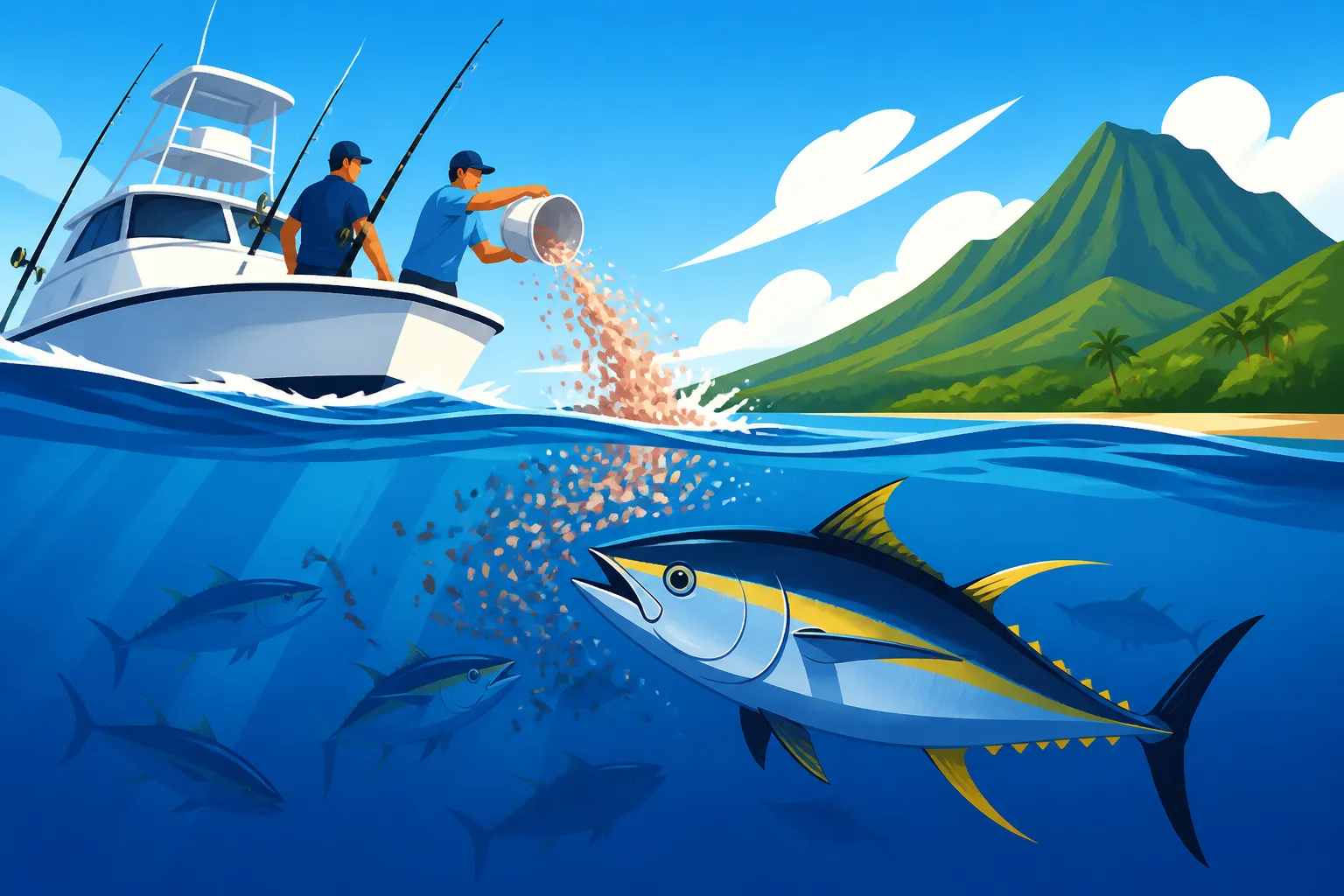
Developing an effective chum line is truly an art form, not just a science. It involves a delicate balance of quantity, consistency, and dispersion. A good chum line typically consists of finely ground fish scraps, often mackerel or bonito, mixed with fish oils. The goal is to create a scent and visual trail that mimics a natural food source drifting in the current, without feeding the fish so much that they become satiated.
The captain and crew are constantly monitoring current, wind, and boat drift to ensure the chum spreads effectively and draws fish toward the stern. Too much chum in one spot, and you might just feed the sharks. Too little, and the trail dissipates before the ahi can find it. Many experienced charters will use a combination of frozen blocks of chum that slowly melt, along with periodic handfuls of fresh cut bait, creating both a long-lasting scent trail and enticing visual morsels. Best Bait for Ahi Fishing dives deeper into what gets these magnificent fish biting.
Gear and Setup for Chumming Success
The gear used for chumming for ahi often differs significantly from that used in high-speed trolling. When trolling, you're relying on heavy tackle to pull large lures. With chumming, the goal is often to present a bait that looks as natural as possible within the chum line. This usually means lighter, more sensitive rods, conventional reels spooled with strong but often thinner monofilament or braided line, and fluorocarbon leaders for invisibility.
Since you’re casting or free-lining baits directly into the chum, presentation is everything. Live bait, if available, is king, but fresh cut bait works incredibly well too. The terminal tackle — hooks, swivels, and leader material — needs to be robust enough to handle a powerful ahi, which can easily spool an unprepared angler, yet subtle enough not to spook the fish. Many charters specializing in chumming will have a range of gear onboard, from medium-heavy setups for larger ahi to lighter spinning gear for the smaller tuna or skipjack that might come into the chum line first. Understanding this specific gear is crucial, as a charter equipped primarily for trolling might not have the optimal setup for a dedicated chumming trip.
Identifying Charters Specializing in Chumming for Ahi
Finding a charter that actively focuses on chumming for ahi isn't always as straightforward as searching for "ahi charters." Many will troll, and some might chum opportunistically, but you're looking for those who consider it a primary and preferred method.
What to Look For in a Charter Operator
When seeking out the perfect ahi chumming charter, experience and local knowledge are absolutely paramount. A captain who has spent decades on these waters will understand the subtle nuances of currents, bait movements, and ahi behavior, which are critical for successful chumming. Look for operators with a proven track record, not just of catching ahi, but specifically employing chumming techniques.
Beyond general experience, inquire about their boat setup. Do they have dedicated chum grinders, large bait tanks for live bait, and enough space to work a chum line effectively? Do they have the right tackle explicitly for light-line chumming presentations, or is their gear primarily heavy trolling setups? Reputation is key; seek out charters known by local anglers for their deep-sea prowess and particular skill in specific techniques. Websites like FishingBooker can be an excellent resource to read reviews and filter for charters that mention specific techniques or target species. Always remember that the crew plays a huge role; an experienced deckhand is invaluable in maintaining the chum line and assisting anglers.
Popular Ports and Their Chumming Expertise
While ahi can be found throughout Hawaii's waters, certain ports are renowned for their access to prime ahi grounds and, consequently, have charters specializing in this pursuit. The Kona Coast of the Big Island stands out as a world-class destination for ahi fishing. Its calm waters and close proximity to deep ocean drop-offs make it ideal for various pelagic species, including ahi. Many charters operating out of Honokohau Harbor are highly experienced in various ahi tactics, including chumming. Best Charters Out of Honokohau Harbor provides more insight into these specific operations.
Other islands like Maui and Oahu also have robust offshore fishing fleets, and some charters there may also employ chumming techniques, particularly when fishing around Fish Aggregating Devices (FADs) or during peak ahi seasons. However, for a dedicated ahi chumming experience, Kona often leads the pack due to its consistent access to tuna grounds. Kona Coast Fishing Guide offers a broader look at the incredible fishing opportunities available in that region.
Asking the Right Questions Before Booking
Don't be shy about asking direct and specific questions when booking your charter. This isn't just a generic fishing trip; you're looking for a specialized experience. Here are some key questions to consider:
- "Do you regularly employ chumming techniques for ahi?"
- "What kind of chum do you use, and do you typically have live bait available for chumming trips?"
- "What's your typical approach for finding ahi when chumming?"
- "What kind of tackle is provided for chumming? Are there lighter setups available for a more sporting fight?"
- "How many lines do you typically run when chumming, and how many anglers can comfortably fish simultaneously using this method?"
- "What's your success rate with chumming for ahi during the time of year I'm looking to book?"
A reputable captain will be happy to discuss their strategies and honest about what to expect. Platforms like FishingBooker allow you to message captains directly with these kinds of detailed questions, helping you confirm their specialty before committing. You might also want to ask about Hawaii Pelagic Species Bag Limits for ahi, so you know what to expect regarding retention.
What to Expect on an Ahi Chumming Charter
Once you've booked your specialized ahi chumming charter, understanding the flow of the day can help you prepare and get the most out of your experience.
The Typical Day on the Water
An ahi chumming trip typically starts early, often before dawn, to maximize fishing time when ahi are most active. After leaving the harbor, the captain will head to known ahi grounds, which might be anywhere from a few miles offshore to much further, often near FADs or areas with specific underwater topography that holds bait. The journey itself can be a beautiful experience, watching the sunrise over the Hawaiian islands.
Once on location, the real work begins. The crew will start deploying the chum, creating that enticing scent trail. This is a critical period of patient waiting and observation. The captain will constantly watch the sonar for signs of fish below and the surface for birds, which often indicate feeding activity. As the chum line builds, you might start seeing smaller baitfish or even skipjack tuna ("aku") appear. This is a good sign, as bigger ahi often follow. When the ahi appear, the action can be explosive. Anglers will free-line baits, often live bait or a fresh chunk, into the chum line, trying to present it as naturally as possible. The strike of a large ahi is unmistakable – a powerful run that tests both angler and tackle. For a broader overview of catching these fish, see How to Catch Ahi in Hawaii.
Preparing for Your Chumming Adventure
Preparation is key for any offshore fishing trip in Hawaii, and an ahi chumming charter is no exception. Here’s a checklist of essentials:
- Sun Protection: The Hawaiian sun is intense. Bring a wide-brimmed hat, polarized sunglasses, long-sleeved UPF clothing, and plenty of reef-safe sunscreen.
- Seasickness Medication: Even on calm Kona waters, it's wise to take preventative measures if you're prone to seasickness. Take medication the night before and again in the morning as directed.
- Comfortable Clothing: Light, quick-drying clothing is ideal. A light jacket might be welcome in the early morning or if there's a breeze.
- Food and Drink: While some charters provide snacks and drinks, it’s always a good idea to bring your own water and energy-boosting snacks.
- Camera: You'll want to capture the stunning scenery and hopefully, your trophy ahi!
Remember, you'll be spending several hours on the water, potentially fighting a powerful fish, so being comfortable and well-hydrated is crucial.
The Thrill of the Fight: Landing Ahi on Chum
The fight with an ahi hooked in a chum line is an exhilarating experience that every angler dreams of. These fish are renowned for their incredible strength and endurance. Unlike trolling, where the fish is already running hard when it hits, an ahi hooked while chumming might be closer to the boat, but it will still make powerful, deep runs, stripping hundreds of yards of line in seconds. It's a test of stamina, technique, and teamwork with your captain and crew.
You'll need to stay focused, maintaining pressure on the fish while conserving your energy. The crew will be guiding you, advising on drag settings, rod angles, and when to pump and reel. Landing a big ahi can take anywhere from 20 minutes to over an hour, depending on its size and your luck. There's nothing quite like seeing the flash of yellow and silver as a beautiful ahi finally comes alongside the boat. The memories of such a fight will last a lifetime. Many charters are also excellent at coordinating efforts to target Best Charters for Catching Marlin and Ahi Together, adding another layer of excitement.
Maximizing Your Chances: Tips for Ahi Chumming
While much of the success relies on the captain and crew, there are definitely things you, as an angler, can do to enhance your experience and increase your chances of hooking up.
Listening to Your Captain and Crew
This might seem obvious, but it's perhaps the most important tip. Your captain and crew are seasoned professionals who live and breathe Hawaiian fishing. They know the waters, the fish, and the specific nuances of their boat and gear. When they tell you to drop your bait, reel slowly, or adjust your body position during a fight, listen carefully and follow their instructions precisely. They are your coaches, and their guidance can be the difference between a missed opportunity and a fish in the boat. They're also often fantastic storytellers, so don't be afraid to engage with them and learn more about their experiences.
Patience and Persistence
Chumming for ahi isn't always instant gratification. There can be periods of quiet, where it feels like nothing is happening. This is where patience comes in. The chum line is working, attracting fish from afar, but it takes time for them to find it and commit. Keep your bait in the water, stay alert, and trust the process. Sometimes, the bite turns on in an instant, and those who are persistent are the ones ready when it happens. Think of it as a chess game with nature; sometimes you have to wait for the right move. Knowing Best Time of Day to Book a Charter for Ahi can also improve your chances.
The Importance of Fresh Bait and High-Quality Chum
The quality of the chum and bait cannot be overstated. Ahi are discerning predators, and they're more likely to respond enthusiastically to fresh, natural offerings. Charters specializing in chumming for ahi will invest in high-quality frozen chum and will often go to great lengths to catch fresh live bait like opelu or skipjack before or during the trip. This fresh bait, presented naturally within the chum line, is often irresistible to ahi. If you're discussing your trip beforehand, ask about their bait and chum sourcing. This dedication to quality is a hallmark of a truly effective ahi chumming operation. For more in-depth techniques, check out Best Techniques for Chumming for Ahi.
Here’s a quick comparison of chumming versus traditional trolling for ahi:
| Feature | Chumming for Ahi | Trolling for Ahi |
|---|---|---|
| Technique | Attracts fish by scent & visual bait trail, then casts | Boat moves, lures mimic swimming baitfish |
| Target Depth | Can draw fish from deeper water to surface | Primarily targets fish actively feeding near surface |
| Bait Used | Ground fish, cut bait, live bait | Artificial lures (skirted, diving plugs, plastics) |
| Angler Role | Active casting/free-lining, precise bait presentation | Setting lines, watching lures, waiting for strike |
| Fight Style | Often a direct, powerful run from a stationary boat | Fish already running, potentially longer, boat-chasing |
| Gear Focus | Lighter rods, fluorocarbon leaders, natural presentation | Heavier rods, thicker leaders, strong lure connections |
| When Effective | When fish are scattered, deep, or less aggressive | When fish are actively hunting and spread out |
| Boat Motion | Drifting, less boat movement | Consistent forward motion |
Disclaimer
This article is for general informational purposes only and does not constitute professional advice. Laws, prices and regulations vary by location and change over time. Consult a qualified professional for guidance on your specific situation.