Best charters offering instructional casting lessons
So, you're dreaming of casting a line into Hawaii's crystal-clear waters, but maybe your casting technique isn't quite where you want it to be? Or perhaps you've been on guided trips before where the captain just puts you on fish without actually teaching you how to become a better angler. It's a common frustration, wanting to not just catch fish, but to truly understand the art and science behind it. This comprehensive guide is here to help you navigate the vibrant world of Hawaii's fishing charters to find those special operators who don't just guide, but actively offer instructional casting lessons, empowering you to hone your skills and truly immerse yourself in the local fishing culture.
Why Seek a Casting Lesson Charter in Hawaii?
Many folks come to Hawaii with visions of reeling in a monster marlin or a vibrant mahimahi, and while those experiences are incredible, some anglers long for more than just a successful catch. They want to improve their fundamental skills, to truly grasp the mechanics and strategy of casting, especially in new and challenging environments like the Hawaiian Islands.
The Frustration of "Just Fishing" vs. "Learning to Fish"
Let's be honest, a lot of fishing charters out there are geared towards one thing: getting fish in the boat. And there's absolutely nothing wrong with that! For many, it's the perfect vacation experience. You show up, hop on a boat, the crew handles the gear, and you get to battle some amazing fish. However, for those of us who are genuinely passionate about angling, this can sometimes feel a bit like being a passenger rather than a participant.
You might go home with some fantastic fish stories and photos, but your personal skill set hasn't necessarily grown. You haven't learned why the captain chose that spot, how they worked the lure, or what subtle cues they were reading. A charter focused on instruction fills that gap, transforming a simple fishing trip into a valuable learning experience. It's about empowering you to eventually replicate some of that success on your own, rather than just relying on the guide.
Elevating Your Angling Game
Imagine confidently casting a light tackle lure precisely where you know a papio might be hiding along a reef edge, or executing a flawless fly cast to a cruising bonefish on a shallow flat. These are skills that take practice and proper instruction, and Hawaii offers a fantastic classroom. An instructional casting charter helps you break down bad habits and build new, more effective techniques.
This isn't just about throwing further; it's about accuracy, understanding wind resistance, knowing how to present different baits and lures, and truly feeling the rod and line work together. By focusing on these core elements, you'll not only catch more fish in Hawaii but also develop transferable skills that will benefit your fishing endeavors anywhere in the world. It’s an investment in your personal growth as an angler, paying dividends far beyond just one trip.
Understanding Hawaii's Unique Casting Challenges
Hawaii's diverse fishing environments present some very specific casting challenges that differ greatly from freshwater lakes or calmer coastal areas on the mainland. From gusty trade winds that can turn a simple cast into a tangled mess, to the shallow, coral-strewn flats where stealth and precision are paramount, or the pounding surf that requires power and timing for shore casting, there's a lot to learn.
A local guide offering casting lessons understands these nuances intimately. They can teach you how to read the water, predict wind patterns, and adjust your technique for the specific conditions you'll encounter. For instance, whipping for papio along a rocky shoreline demands a different approach than sight casting to bonefish on a calm flat. Learning these specialized techniques directly from someone with years of local experience can dramatically shorten your learning curve and significantly increase your chances of success.
What to Look For in an Instructional Casting Charter
Not all charters are created equal when it comes to teaching. When seeking out a charter focused on instructional casting lessons, you need to know what questions to ask and what qualities to prioritize. It's about finding a guide who is not just good at catching fish, but genuinely excels at teaching others how to do it.
Types of Casting Instruction Offered
The first thing to clarify is what kind of casting instruction the charter provides. Hawaii offers a spectrum of fishing opportunities, each potentially requiring different casting skills.
- Spin Casting & Baitcasting: These are the most common forms of casting and often the starting point for many anglers. An instructional charter focusing on these will help you with proper grip, stance, timing, and line management. This is fantastic for shore fishing for species like papio or ulua, or even light tackle boat fishing around the reefs. You might learn about Best Techniques for Whipping for Papio or how to set up a Sliding Bait Techniques for Ulua.
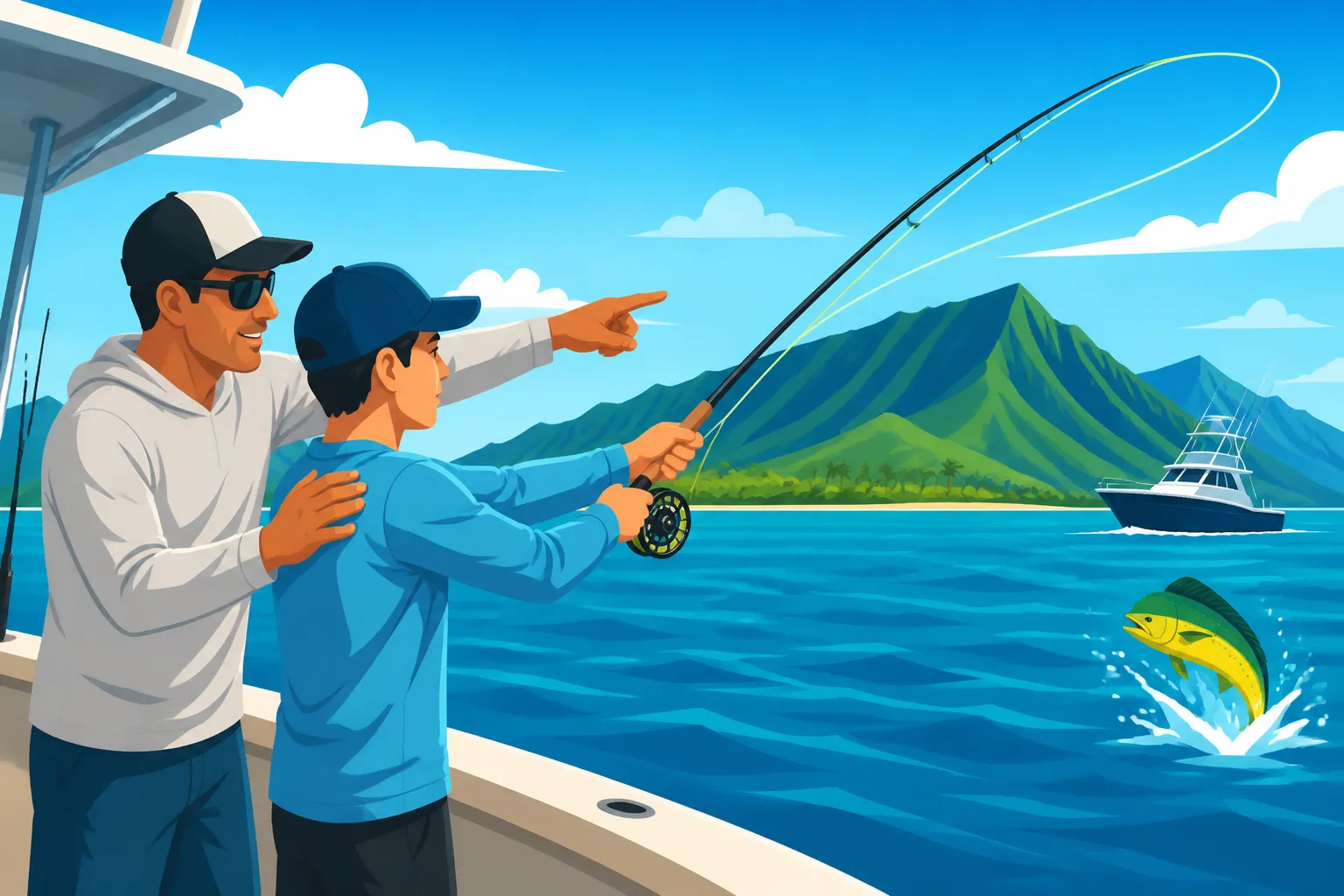
- Fly Casting: Hawaii, particularly Oahu, is renowned for its excellent bonefishing flats. If you've always wanted to try fly fishing for hard-fighting oio (bonefish), finding a guide who specializes in fly casting instruction is key. They'll teach you the basics of loading the rod, double hauling, presentation, and accuracy in windy conditions – skills crucial for success on the flats. You can learn more about Best Bonefishing Techniques for Oahu Flats.
- Specialized Shore Casting: Many of Hawaii's most iconic fishing experiences happen from shore. This can involve long-distance surf casting, precise presentations into reef channels, or even casting nets for bait. A charter focused on Shore Fishing Techniques for Hawaii can teach you specific methods like whipping, dunking, or sliding, which are often unique to the islands.
Instructor Experience and Teaching Philosophy
A skilled angler isn't automatically a skilled teacher. Look for guides who genuinely enjoy mentoring and have a proven track record of helping clients improve. Don't be afraid to ask about their teaching philosophy. Do they break down techniques into simple steps? Are they patient and encouraging, especially with beginners or those struggling with specific movements?
A good instructional guide will be able to adapt their teaching style to your learning pace and prior experience. They should be able to identify specific areas for improvement in your casting motion and offer clear, constructive feedback. Reading reviews can be very helpful here; look for comments that specifically mention a guide's patience, instructional ability, and willingness to share knowledge. A guide who takes pride in seeing their clients "get it" is worth their weight in gold.
Gear and Technique Focus
Before booking, clarify what equipment the charter provides and if the lessons will be focused on a specific type of gear or technique. For instance, if you're keen on learning to cast a specific type of lure or bait, ensure the guide is proficient in that method and has the appropriate gear on board.
Some charters might offer introductory lessons suitable for absolute beginners, covering everything from knot tying to basic casting mechanics. Others might cater to more experienced anglers looking to refine specific techniques, like increasing casting distance, improving accuracy for sight fishing, or learning how to properly "work" a popper. Ask about the "curriculum" – what specific skills will be covered during the lesson? Will they go over things like reading the water, identifying structure, or understanding fish behavior in relation to your cast?
Target Species and Environments
While the goal is casting instruction, it's also important to consider what you'll be casting for and where. Different species and environments necessitate different casting approaches.
If you're interested in honing your light tackle casting skills for smaller reef fish, you might look for a charter that fishes inshore areas and targets species like papio, small trevally, or even some of the invasive species like taape. These often involve lighter rods and reels and require finesse and accuracy around coral and rocks. On the other hand, if your ambition is to master the powerful casts needed for large ulua from shore, you'll need a guide experienced in that specific, more heavy-duty style of How to Catch Ulua from Shore.
For those drawn to fly fishing, a guide specializing in bonefish on the flats will teach you the unique presentation and casting techniques needed for these notoriously spooky fish. Similarly, if your focus is offshore, while pure "casting lessons" might be less common than trolling, some charters might offer instruction on jigging or casting poppers for schooling pelagics like tuna or mahimahi when opportunities arise. Confirming the target species and the types of environments you'll be fishing will help ensure the casting instruction is relevant to your goals.
Finding and Booking Your Ideal Instructional Charter
Now that you know what to look for, the next step is actually finding that perfect guide who offers the casting lessons you're seeking. It might take a little digging, as not every charter overtly advertises "casting lessons" as their primary service.
Online Resources and Dedicated Platforms
Start your search online. Websites like FishingBooker are excellent resources, as they allow you to filter by location and even type of trip. While you might not find a specific "casting lesson" filter, you can look for keywords in charter descriptions or reviews that mention "instruction," "teaching," "beginner-friendly," or "learning opportunities."
Once you've identified a few promising options on platforms like FishingBooker, don't hesitate to reach out to the captains directly. Their booking pages usually have contact information. Be upfront about your desire for casting instruction, rather than just a guided trip. Explain your current skill level and what you hope to achieve. Sometimes, a guide might be willing to tailor a trip to your instructional needs even if it's not their standard offering. Local fishing forums and social media groups dedicated to Hawaii fishing can also be valuable for recommendations, as seasoned locals often know which guides are true educators.
Key Questions to Ask Before Booking
When you contact a potential charter, have a list of questions ready to ensure they align with your instructional goals. This is crucial for managing expectations and guaranteeing you get the learning experience you desire.
Here are some essential questions:
- "Do you offer specific casting instruction during the trip, or is it primarily focused on catching fish?"
- "What type of casting (spin, baitcast, fly) are you most experienced in teaching?"
- "Are you comfortable working with beginners, or anglers looking to refine specific techniques?"
- "What kind of gear do you typically use for instructional purposes, and will it be provided?"
- "What specific casting techniques related to Hawaii fishing will we cover?"
- "What's your teaching style like? Are you patient and hands-on?"
- "Can we dedicate a portion of the trip specifically to casting practice?"
A guide who answers these questions enthusiastically and demonstrates a clear understanding of teaching will be a much better fit than someone who seems hesitant or evasive. Remember, you're investing in an experience, and clarity upfront prevents disappointment later. This also goes for general charter considerations, which you can read up on in How to Choose a Hawaii Fishing Charter.
Tailoring Your Lesson: Private vs. Group, Half-Day vs. Full-Day
Consider whether a private or shared charter is best for your instructional needs. For dedicated casting lessons, a private charter is almost always superior. It allows the guide to focus solely on your progress, provide immediate feedback, and tailor the entire trip to your learning goals without having to juggle multiple anglers with different skill levels and objectives. While private charters typically cost more, the personalized attention for instructional purposes is often well worth the investment.
The duration of your trip also plays a role. A half-day trip might be enough for a quick refresher or to learn basic mechanics, but a full-day instructional charter will allow for more in-depth teaching, practice, and the opportunity to apply new skills in various fishing scenarios. For example, if you're looking for comprehensive guidance, a full day allows for morning instruction and then applying those skills in the afternoon. Platforms like FishingBooker often allow you to specify trip duration, making it easier to compare options.
Making the Most of Your Learning Experience
Booking an instructional casting charter is just the first step. To truly get the most out out of your investment and accelerate your learning curve, there are a few things you can do before, during, and after your trip.
Pre-Trip Preparation and Mindset
Before you even step on the boat or hit the shoreline, a little preparation can go a long way. Mentally prepare yourself to be a student. This means being open to feedback, even if it feels critical, and being willing to try new techniques that might feel awkward at first. If you have a specific goal – say, casting further, or more accurately with a certain lure – communicate that clearly to your guide beforehand.
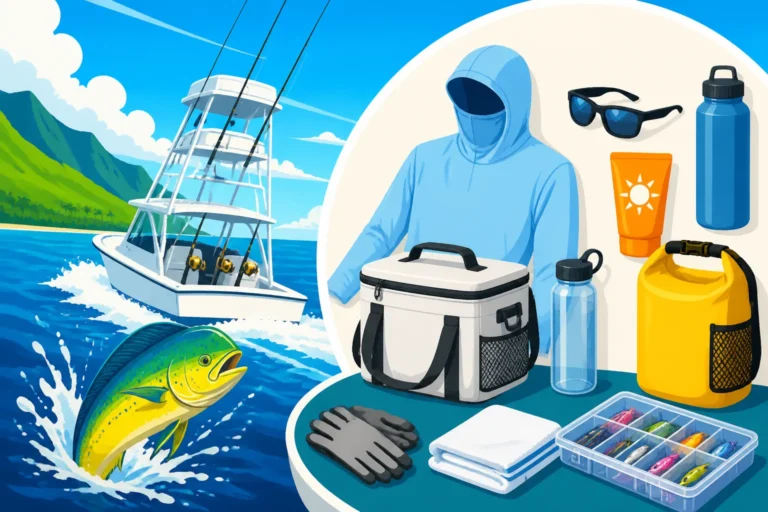
It can also be beneficial to watch some instructional videos on basic casting techniques before your trip. This will familiarize you with terminology and concepts, allowing your guide to dive deeper into advanced aspects rather than spending precious time on absolute fundamentals. Ensure you wear comfortable clothing, protective eyewear, and a hat, and bring plenty of water and snacks. Staying comfortable and hydrated will help you focus better on the instruction. Don't forget to review what to generally expect on a fishing trip by checking out What to Expect on a Hawaii Fishing Charter.
Practicing Your New Skills
The real magic happens when you apply what you've learned. During your charter, ask your guide for drills or exercises you can do on your own time. Many guides are happy to share tips for practicing your casting at a local park or even in your backyard. Don't let the lessons end when the charter does!
After your instructional trip, dedicate time to practicing your new casting techniques. Find an open field or a safe, uncrowded stretch of beach and practice casting a weighted plug or a lure with the hooks removed. Pay attention to your form, timing, and release point. Repetition is key to building muscle memory and making those smooth, efficient casts second nature. The more you practice, the more confident and successful you'll be on your next fishing adventure, whether it's back in Hawaii or closer to home.
Safety and Etiquette on the Water
While learning to cast, safety should always be a top priority, both for yourself and for those around you. Your guide will undoubtedly cover basic safety protocols, but it's important to internalize them. Always be aware of your surroundings, especially when casting. Look behind you before making a backcast, and ensure no one is in your casting path. Hooks are sharp, and lures can fly at high speeds, so caution is paramount.
Additionally, observe proper fishing etiquette. Listen to your guide, follow their instructions, and be respectful of the marine environment. If you're on a shared trip, be mindful of other anglers' space and casting lanes. A good guide will integrate these aspects naturally into their instruction, reinforcing that responsible angling is just as important as effective casting. For those considering any guided trips, whether shore-based or offshore, resources like Best Guided Trips for Beginners in Hawaii will often touch upon these crucial aspects.
| Casting Technique | Primary Application in Hawaii | Key Focus Areas for Instruction | Common Target Species |
|---|---|---|---|
| Spin Casting | Shore, Reefs, Light Boat | Accuracy, Distance, Line Control | Papio, Smaller Trevally, Reef Fish |
| Baitcasting | Shore (Ulua), Heavier Inshore | Power, Thumb Control, Anti-Backlash | Ulua, Larger Trevally |
| Fly Casting | Shallow Flats, Estuaries | Double Haul, Presentation, Stealth | Bonefish (Oio) |
| Whipping | Rocky Shores, Nearshore | Fast Retrieval, Jigging Action | Papio, Smaller Ulua |
| Sliding Bait | Surf, Deep Water Shore | Deploying Live Bait, Line Management | Ulua, Larger Trevally |
This table can give you a quick reference when discussing your goals with potential charter captains. Remember, finding a charter that offers genuine instructional casting lessons can transform your Hawaii fishing trip into a truly enriching experience, equipping you with skills that will last a lifetime. Check out FishingBooker and other local resources, ask those crucial questions, and get ready to cast with confidence!
Disclaimer
This article is for general informational purposes only and does not constitute professional advice. Laws, prices and regulations vary by location and change over time. Consult a qualified professional for guidance on your specific situation.