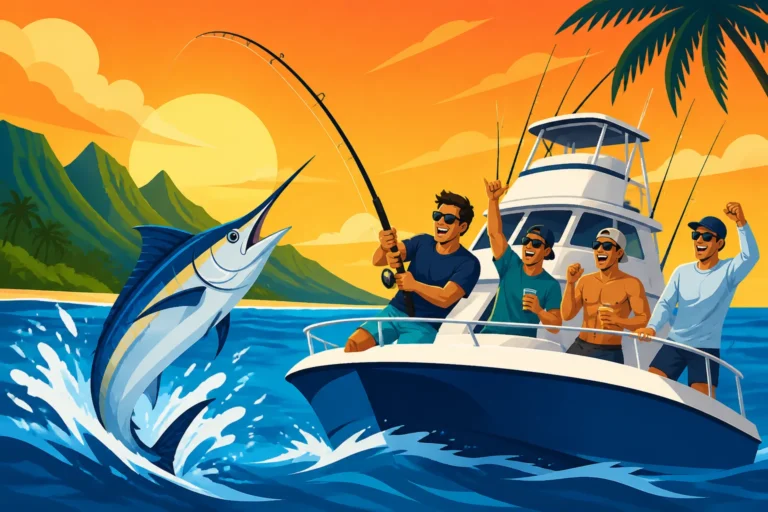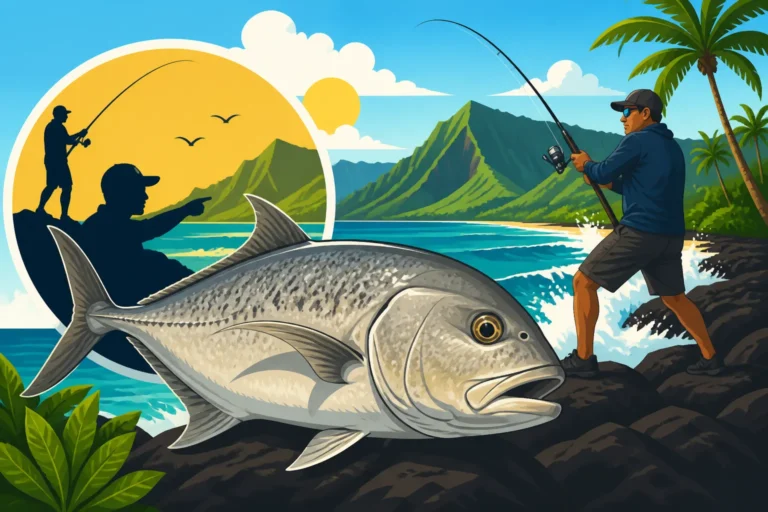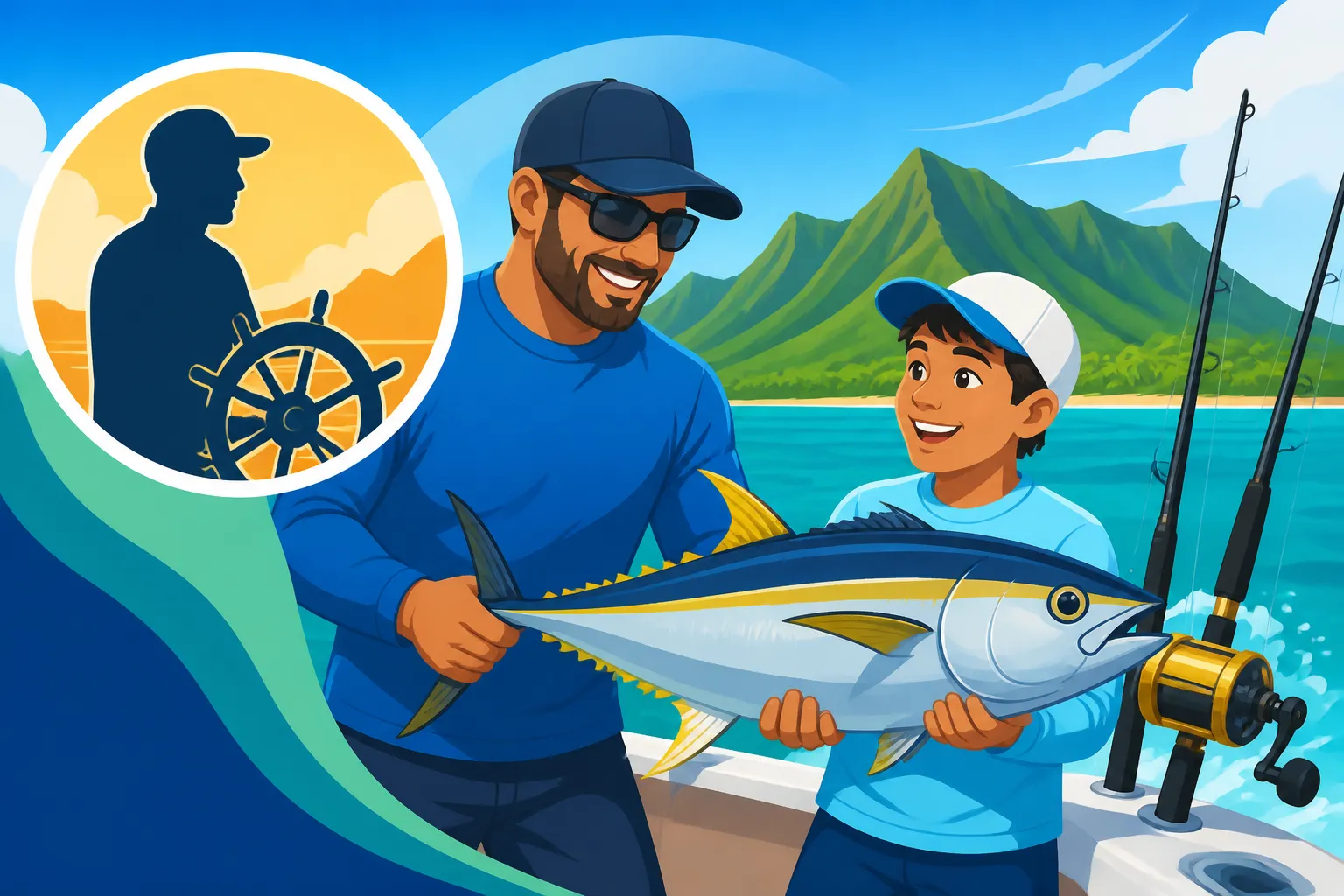
Best charter captains for beginners in Maui
Venturing out for your first fishing trip in Maui can feel like a big adventure, full of excitement but also a good dose of uncertainty. Many folks, especially those who haven't spent much time on the water, worry about looking foolish, getting tangled, or simply not knowing what to do. This guide is all about helping you find those truly special charter captains on Maui who excel at making beginners feel welcome, confident, and, most importantly, successful, ensuring your first Hawaiian fishing experience is nothing short of amazing.
Why a Beginner-Friendly Captain is Key in Maui
Maui's waters are breathtaking, teeming with incredible marine life and offering some of the best fishing opportunities in the world. However, for a beginner, the sheer scale of the ocean, the various techniques, and the powerful fish can be overwhelming. That's why having a captain who understands your needs as a novice is absolutely paramount. It's not just about catching fish; it's about learning, having fun, and feeling comfortable every step of the way.
The Maui Fishing Scene for Novices: What Makes It Unique
Maui presents a unique blend of fishing environments, from the calm, inshore reefs to the deep, blue pelagic waters just a few miles offshore. This diversity means you could be targeting colorful reef fish one day and powerful tuna or mahi-mahi the next. For a beginner, this can be a double-edged sword: exciting possibilities but also a lot to grasp. The local currents, the specific habits of Hawaiian fish, and even the names of the species can all be foreign. You might envision a serene day on the water, only to be met with a fast-paced trolling session that feels more like a workout than a leisurely activity.
A truly beginner-friendly captain understands these potential anxieties. They know you might not know the difference between "whipping" for papio and "bottomfishing" for opakapaka. They anticipate questions you might be too shy to ask and create an atmosphere where every query is welcomed. Imagine arriving at the harbor, seeing all the experienced anglers with their gear, and feeling a pang of self-consciousness. A good beginner captain instantly dissolves that feeling, making you feel like part of the crew from the moment you step on board. They often start with a simple rundown, explaining the boat, the safety gear, and what the day's plan entails, allowing you to settle in comfortably. What to Expect on a Hawaii Fishing Charter dives deeper into the general experience.
Qualities That Make a Great Teacher
Beyond just knowing how to catch fish, the best captains for beginners possess a distinct set of teaching skills. They don't just hand you a rod; they explain why you're using that particular setup, how to hold it, and what to do when a fish bites. It's an educational experience woven into the adventure.
First and foremost, patience is a virtue. Fishing can involve tangled lines, missed strikes, and moments of fumbling. A patient captain will calmly help untangle a knot without a hint of frustration, or gently guide your hand as you try to reel in your first fish. They understand that learning takes time and repetition. Clear communication is another critical trait. They use simple, easy-to-understand language, avoiding jargon where possible, and are always ready to re-explain something if it didn't click the first time. They'll demonstrate techniques rather than just describing them, letting you observe and then try it yourself with their supervision. Finally, a strong emphasis on safety and building confidence is key. They'll ensure you know how to safely handle your gear, how to move around the boat, and what to do in case of a bigger fish or unexpected conditions. They celebrate small victories, like a successful cast or a good hookset, making you feel competent and encouraging you to keep trying. This supportive environment is crucial for transforming a hesitant beginner into an enthusiastic angler by the end of the trip.
Navigating Your Options: Finding the Best Match
Finding the ideal beginner-friendly captain in Maui requires a bit of research and knowing what questions to ask. It's not about picking the biggest boat or the one with the most impressive trophy photos, but rather finding a crew that prioritizes a positive learning experience.
Where to Look and What to Ask
The journey to finding your perfect charter often begins online. Large booking platforms like FishingBooker are fantastic resources because they aggregate numerous charter listings, complete with photos, details about the boat, and, most importantly for beginners, a wealth of customer reviews. When you're sifting through these options, don't just look at the star ratings. Dig into the comments and search for keywords like "patient," "great with kids," "excellent teacher," or "first-time angler." These are goldmines for identifying captains who genuinely enjoy guiding novices. Local fishing forums and social media groups can also offer personal recommendations, as can checking with local tackle shops once you're on the island. Often, the folks behind the counter know which captains have a reputation for being great with beginners.
Once you've narrowed down a few potential captains, don't hesitate to call them directly. This is your chance to ask specific questions tailored to a beginner's experience. You might ask:
- "What kind of fish are we likely to target that are good for first-time anglers?"
- "Do you provide instruction on how to use the equipment?"
- "What's your approach to helping beginners who might get tangled or struggle with reeling?"
- "Is there a dedicated deckhand who can offer assistance throughout the trip?"
- "What's your philosophy on catch and release versus keeping fish for dinner?"
A great captain will answer these questions enthusiastically and help set your expectations. If they seem rushed or dismissive of your beginner status, that's a good sign to look elsewhere. Remember, you're investing in an experience, and you deserve one that caters to your comfort and learning. For a broader perspective, check out How to Choose a Hawaii Fishing Charter.
Reading Between the Lines: Interpreting Reviews and Testimonials
Online reviews are your best friend when selecting a beginner-friendly charter. However, it's not enough to just read them; you need to interpret them carefully. A review that raves about landing a 500-pound marlin might indicate a highly skilled captain, but it doesn't necessarily mean they're good with beginners. You want to find reviews that specifically mention how the captain or crew interacted with less experienced anglers, children, or even those prone to seasickness.
Look for phrases like:
- "Captain John was incredibly patient with my son's first time fishing."
- "The deckhand took the time to show us how to cast and explain everything."
- "Even though we were total novices, we felt completely at ease."
- "They made sure everyone had a chance to reel in a fish, no matter their skill level."
Conversely, be wary of reviews that are vague or only focus on the size of the fish caught. If there are any mentions of impatience, lack of attention, or feeling rushed, those are clear red flags for a beginner. It's also helpful to look at reviews across different platforms. While FishingBooker offers a comprehensive overview, checking the captain's own website or other travel review sites can sometimes provide additional insights. Sometimes, a charter will specialize in a certain type of fishing (e.g., exclusively targeting large pelagics), which might be less suitable for a true beginner looking for a gentler introduction.
Making the Most of Your First Maui Fishing Trip
You've done your homework and picked a fantastic, beginner-friendly captain. Now it's time to prepare yourself to truly enjoy the experience. A little foresight and preparation can go a long way in ensuring your first Maui fishing trip is memorable for all the right reasons.
Understanding Different Fishing Styles
Maui offers a spectrum of fishing experiences, and knowing what to expect from each can help you manage your expectations and even discuss preferences with your captain. Generally, trips fall into two main categories: inshore and offshore, with various techniques used in each.
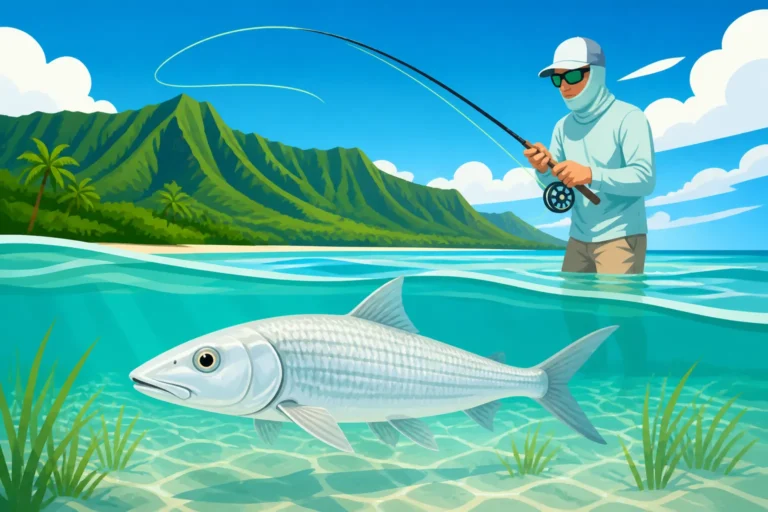
Inshore fishing typically takes place closer to shore, often over reefs or shallower banks. This style is generally more relaxed and can be fantastic for beginners and families. You might be dropping bait to the bottom for various reef fish like triggerfish, goatfish (kumu or weke), or even small snappers. Sometimes, this involves light tackle and techniques like "whipping" for papio (juvenile trevally), which are abundant and provide exciting action. Inshore trips are often less prone to rougher seas, making them a good choice if you're worried about seasickness. The captain or deckhand can easily demonstrate techniques in these calmer waters, and the frequent bites keep engagement high. These trips are often Best Half-Day Charters in Hawaii, perfect for a shorter, less intense introduction.
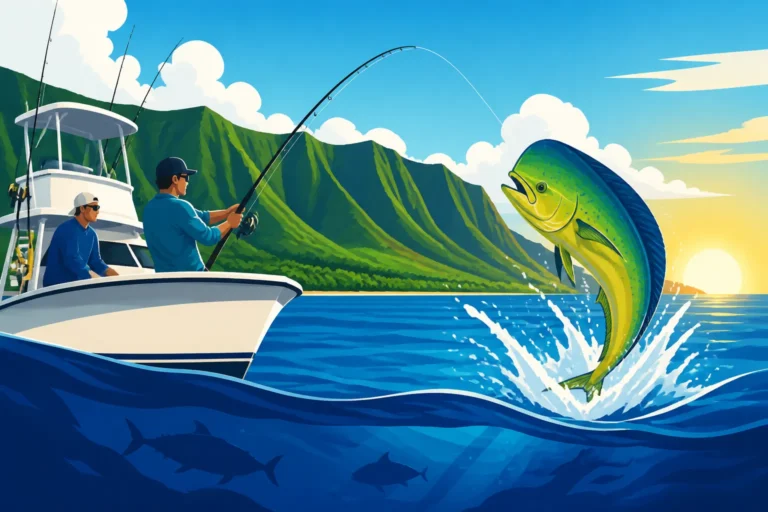
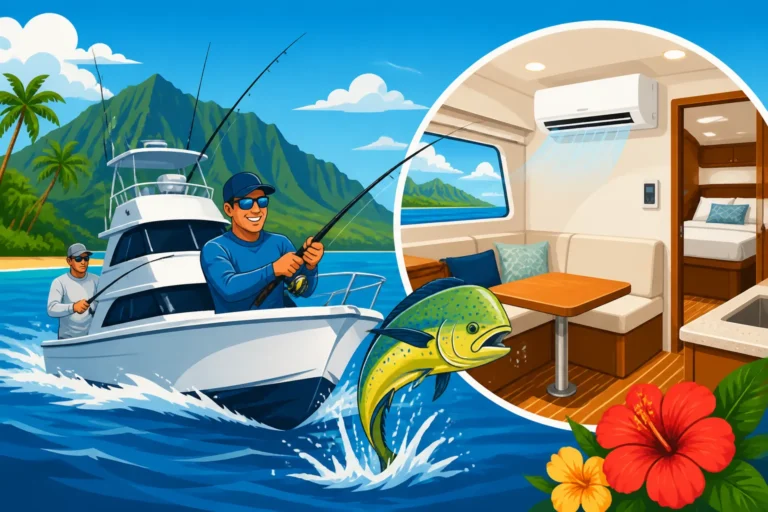
Offshore fishing ventures further out into the deeper waters, often targeting pelagic species like ahi (yellowfin tuna), mahi-mahi (dorado), ono (wahoo), and marlin. This usually involves trolling lures or live bait behind the boat, covering significant distances. When a fish strikes, the action can be explosive and require more physical effort. While incredibly thrilling, it can also involve longer periods without a bite and potentially rougher conditions. For a beginner, an offshore trip might be better if the charter explicitly caters to teaching or if it's a shared trip where you can observe others. A good captain for beginners on an offshore trip will ensure everyone gets a turn on the rod, provides clear instructions, and helps with the physical demands of fighting a big fish. How to Catch Ahi in Hawaii and How to Catch Mahimahi in Hawaii are great resources to learn about these exciting species.
What to Pack and How to Prepare
Preparation is key to a comfortable and enjoyable day on the water. Even with a fantastic captain, showing up unprepared can detract from your experience. Think about sun protection, hydration, and comfort.
First, sun protection is non-negotiable in Hawaii. The tropical sun can be intense, even on cloudy days. Pack a wide-brimmed hat, sunglasses (polarized ones are a bonus for seeing fish!), and apply reef-safe sunscreen generously and frequently. Long-sleeved, breathable shirts and light pants can also offer excellent protection. Secondly, hydration is vital. Bring plenty of water, and maybe a sports drink or juice. While many charters offer drinks, it's always good to have your own supply, especially if you get thirsty often. Snacks are also a good idea; a light bite can help settle an uneasy stomach or keep your energy up during a long fight.
Consider comfortable, non-slip shoes that you don't mind getting wet. A light jacket or rain shell is also a smart addition, as conditions can change quickly on the ocean, and it can be cooler out on the water, especially early in the morning. If you're at all prone to seasickness, take preventative measures before you even get on the boat. Over-the-counter medications work best if taken an hour or two in advance. Many charters depart from bustling spots like Maalaea Harbor or Lahaina Harbor, and you'll want to be feeling your best. Finally, bring a camera to capture the memories, but make sure it's secure or waterproof. And don't forget to ask the charter about What to Bring on a Hawaii Fishing Charter specifically, as some might have particular recommendations or prohibited items. You'll likely find that most charters provide all the necessary fishing gear, so you won't need your own rod and reel.
Understanding the Catch: Keeping or Releasing
A common question among first-time anglers is what happens to the fish you catch. This is an important topic to discuss with your captain beforehand, as different charters and captains have different policies, and it can significantly impact your experience.
Many recreational fishing charters in Maui operate on a "share the catch" basis, especially for larger pelagic species. This often means the crew keeps the majority of the fish to sell, which helps offset their operating costs, but they will typically fillet a portion for you to take home and enjoy for dinner. It’s always a good idea to confirm this policy when booking. Some charters, particularly those focused on sportfishing for billfish like marlin, are primarily catch-and-release, especially for protected species or to promote conservation. They might take photos and then safely release the fish. For smaller, abundant reef fish or certain bottomfish, you might be able to keep a larger portion of your catch, provided it meets local Hawaii Bag and Size Limits by Species regulations.
For beginners, understanding this policy helps manage expectations. If your dream is to bring home a fresh mahi-mahi for a BBQ, ensure the charter's policy allows for it. If you're more interested in the thrill of the fight and conservation, a catch-and-release-oriented charter might be a better fit. A good beginner-friendly captain will clearly explain the rules and regulations regarding species, size limits, and what fish you can expect to take home. They'll also demonstrate ethical handling practices, whether for release or for keeping your catch in prime condition. This transparency ensures there are no surprises and that your fishing experience aligns with your personal preferences for how the day concludes.
Here's a quick comparison of what makes a captain great for beginners versus more seasoned anglers:
| Feature | Beginner-Friendly Captain | Experienced Angler-Focused Captain |
|---|---|---|
| Patience | High; takes time for instruction, re-ties knots, explains all steps. | Moderate; expects some prior knowledge, less hands-on teaching. |
| Communication | Clear, simple language; explains jargon, demonstrates techniques. | Uses technical terms, assumes understanding of fishing lingo. |
| Teaching Style | Hands-on, encouraging, celebrates small successes; focuses on skill-building. | Focuses on advanced tactics, finding fish, maximizing catch. |
| Gear Provided | Explains each piece of gear; assists with baiting, casting, reeling. | Provides high-performance gear; expects self-sufficiency. |
| Fish Target | Often targets active, abundant species for consistent bites (e.g., papio, smaller reef fish, mahi-mahi). | Targets trophy fish or specific species (e.g., grander marlin, deep-drop onaga). |
| Trip Pace | Relaxed, flexible; takes breaks, focuses on enjoyment and learning. | Fast-paced, intense; focuses on efficiency and maximizing fishing time. |
| Safety Briefing | Thorough, detailed; ensures everyone understands boat rules and safe handling. | Assumes basic safety knowledge; brief overview. |
| Catch Policy | Clear explanation of keep/release, filleting services, conservation. | Assumes angler knows regulations; often focuses on limits or specific goals. |
| Overall Goal | Fun, education, and a positive first fishing memory. | Big fish, high numbers, challenging angling experience. |
Charter Captains Known for Beginner-Friendly Experiences in Maui
While I can't name specific captains directly without real-time data, I can guide you on the types of charters and approaches that are historically popular for beginners and frequently receive positive reviews for their teaching skills. When you're searching on platforms like FishingBooker, use these insights to pinpoint the best fits.
Charters Emphasizing Education and Family Fun
Many Maui charters specifically market themselves as family-friendly or beginner-oriented. These are often excellent starting points. They understand that for many on board, it's their first time, or they're bringing children along. Such charters typically have a more relaxed atmosphere, sometimes offering half-day trips which are perfect for testing the waters without committing to a full day offshore. They often have dedicated crew members whose primary role is to assist and teach, not just to handle the lines.
These captains and crews shine at explaining the basics: how to hold the rod, when to set the hook, how to reel in a fish without losing it, and what different types of bites feel like. They make it an interactive experience, encouraging questions and patiently guiding each participant. Look for charters that highlight "light tackle," "reef fishing," or "family adventures" in their descriptions. These often prioritize action and engagement over targeting a single, massive trophy fish, which is usually more rewarding for a beginner. Imagine a captain patiently helping a child reel in their first papio, showing them how to hold it for a photo, and then gently releasing it, explaining the importance of conservation. This kind of interaction is a hallmark of a truly beginner-friendly operation. Best Family-Friendly Fishing Charters in Hawaii will offer more insights.
Captains Specializing in Inshore and Nearshore Techniques
For your very first fishing experience, sticking to inshore or nearshore waters can be a fantastic way to ease into it. Captains who specialize in these techniques often work with lighter gear and target more abundant species, which increases the likelihood of consistent bites. This frequent action is invaluable for beginners, as it provides more opportunities to practice reeling, setting hooks, and feeling the thrill of a fish on the line.
These captains are usually experts at identifying local reef structures, sandy bottoms, or small coves where fish are likely to congregate. They might focus on bottomfishing with bait, or light tackle casting for species like papio or small trevally. The calmer waters closer to shore also mean a lower chance of seasickness, which is a major concern for many first-timers. They understand that a steady stream of smaller fish is often more satisfying for a beginner than a long wait for one huge, elusive catch. When researching, seek out charters that mention "reef fishing," "shoreline excursions," or "light tackle adventures." For example, some charters operating out of ports like Maalaea Harbor or Lahaina Harbor often have excellent access to these productive nearshore grounds. Checking out a Maui Fishing Guide can give you a general overview of the types of fishing available on the island, and Best Shore Fishing Guides in Hawaii could even point you to land-based options if a boat feels too intimidating at first.
How Reviews Indicate a Great Beginner Captain
As mentioned, reviews are key. Beyond general comments, specific mentions of a captain's "demeanor," "teaching abilities," or "patience with kids" are incredibly telling. When you see multiple reviews, perhaps on platforms like FishingBooker, praising a captain for their calm approach or for making a first-timer feel confident, you've likely found a gem.
Sometimes, reviews might not explicitly say "great for beginners," but they'll use language that implies it. For instance, a review stating, "The captain and crew were attentive to everyone on board," or "They went out of their way to ensure every angler caught something," often indicates a charter that is inclusive and supportive of all skill levels. Pay attention to how the crew is described – are they enthusiastic, friendly, and helpful? These personal attributes contribute significantly to a beginner's enjoyment. It's not just about the technical skill of finding fish, but the interpersonal skill of creating a positive and memorable experience for someone new to the sport. A captain might even have a specific "first fish" policy or souvenir for beginners, showing their dedication to introducing people to the joys of fishing.
Disclaimer
This article is for general informational purposes only and does not constitute professional advice. Laws, prices and regulations vary by location and change over time. Consult a qualified professional for guidance on your specific situation.