Best guide services for shore-based ulua fishing
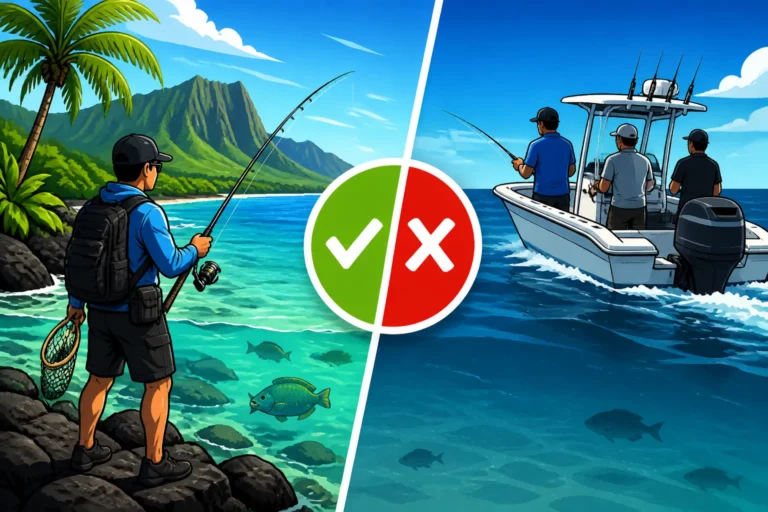
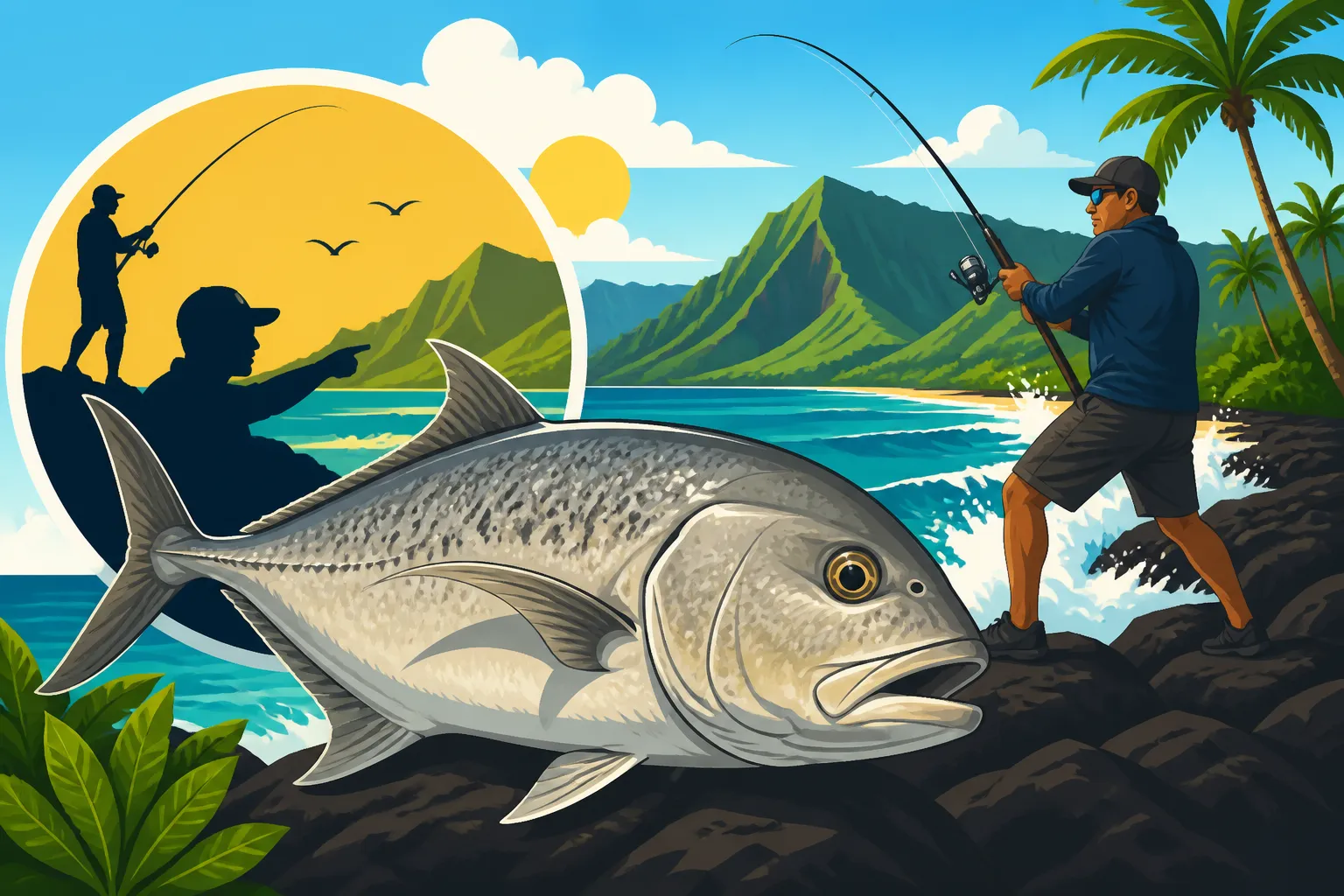
For anyone who’s ever stood on a lava-strewn shoreline in Hawaii, casting into the vast Pacific, the dream of hooking into a powerful ulua (Giant Trevally) is a powerful one. But let’s be real – it’s not easy. This isn't your casual pier fishing session; it’s a demanding, often humbling pursuit that requires immense knowledge, specialized gear, and incredible patience. If you're looking to significantly increase your chances of landing one of these legendary fish from shore, finding the right guide service is paramount, and this guide will walk you through exactly how to do that, and what to expect.
Why Hire a Guide for Shore-Based Ulua Fishing?
Let's face it, the idea of DIY shore fishing in Hawaii for ulua sounds romantic, but the reality can be a grueling exercise in frustration. The Hawaiian shoreline is rugged, the fish are formidable, and the conditions are constantly changing. Hiring a knowledgeable guide isn't just about catching fish; it's about gaining access to an education, a safer experience, and ultimately, a much higher chance of success.
The Ulua Challenge from Shore
Ulua are apex predators, incredibly strong and intelligent. Catching them from shore is arguably one of the most challenging forms of fishing in Hawaii. You're dealing with powerful currents, sharp lava rocks that can shred your line in an instant, and fish that can weigh well over 100 pounds. Many anglers spend years, even decades, trying to consistently hook and land these magnificent creatures from land. Without local expertise, it's easy to waste countless hours in unproductive spots, using the wrong bait, or employing ineffective techniques. It’s truly a different ballgame than boat fishing, requiring specific skills to navigate the coastal terrain and currents.
Moreover, the best times to target ulua often involve fishing through the night, or during specific tides and swells. These conditions can be intimidating for newcomers, or even experienced anglers who aren't familiar with the local nuances. A guide provides invaluable insight into these timing factors, ensuring you're fishing when the odds are most in your favor. They understand the subtle shifts in the ocean that signal prime feeding windows, which a casual observer would easily miss.
Guide Expertise: Your Local Advantage
This is where a dedicated shore-based ulua guide becomes your secret weapon. These aren’t just any fishing guides; they are specialists who have spent a lifetime learning the intricacies of Hawaii's rocky coasts and the habits of ulua. They know the hidden trails to access remote fishing points, the subtle signs of fish activity, and exactly how to rig for the notoriously powerful fight an ulua puts up. Their expertise extends beyond simply putting a hook in the water; it encompasses everything from reading the waves to understanding the moon phases, and even predicting the Best Time of Day to Catch Ulua.
A good guide will teach you invaluable skills, like how to properly cast heavy bait rigs for maximum distance, how to read the complex currents and bottom structure from shore, and the art of "sliding bait" – a unique technique often used for ulua. They'll show you how to safely navigate slick lava rocks, identify prime ambush points for ulua, and adapt to changing conditions. This isn't just a fishing trip; it's a mentorship that can significantly shorten your learning curve and make you a more competent and confident shore angler in Hawaii. Their local insight is truly irreplaceable.
Specialized Gear and Access
Ulua fishing from shore requires heavy-duty tackle that most recreational anglers don't have lying around. We're talking custom-built rods, massive reels spooled with heavy braid, and specialized terminal tackle designed to withstand the brutal power of an ulua and the abrasive volcanic rock. A professional guide comes equipped with all this high-end gear, meticulously maintained and perfectly suited for the task at hand. This saves you the significant expense and hassle of acquiring it yourself, only to potentially find it's not quite right for the specific conditions.
Beyond just gear, guides offer access. They know which spots are publicly accessible but rarely fished, which ones produce during certain tides or swells, and importantly, where it's safe to be. Some of the most productive ulua spots are off the beaten path, requiring local knowledge to reach safely and legally. They can get you to spots that might be difficult or even dangerous for an uninitiated angler to attempt on their own. This can include navigating treacherous trails in the dark or understanding local access rights that aren’t always clearly marked.
What to Look for in a Shore-Based Ulua Fishing Guide
Choosing the right guide is critical to your success and enjoyment. It’s not just about finding "a" guide; it’s about finding "the" guide who aligns with your goals and provides a safe, educational, and productive experience. Since this isn't as common as offshore charters, you'll need to be more discerning.
Local Knowledge and Experience
This is non-negotiable. For shore-based ulua fishing, you need someone who has practically grown up on the Hawaiian shoreline, intimately familiar with its every nook and cranny. Look for guides who specialize specifically in shore fishing for ulua and other local species, not just someone who occasionally takes clients out from the beach. Their knowledge should encompass specific locations on the island you're visiting, the nuances of different tides, moon phases, and ocean swells, and how these factors influence ulua behavior. They should be able to tell you stories of their own triumphs and challenges, demonstrating a deep, personal connection to the fishery.
Ask about their background: How long have they been guiding? How long have they been fishing for ulua from shore? A truly experienced guide will have a profound respect for the ocean and its creatures, understanding that catching an ulua is a privilege, not a guarantee. They'll also be up-to-date on all Hawaii Fishing Regulations Explained specific to the species and locations they fish, ensuring your outing is compliant and ethical. A guide who can effortlessly point out local landmarks, explain Hawaiian names for various fish, or share cultural insights about the fishing grounds adds immense value to the experience.
Specialized Ulua Techniques
Shore-based ulua fishing employs a distinct set of techniques. The guide you choose should be a master of these. This includes:
- Sliding Bait: This involves casting a heavy sinker out, then clipping a live or dead bait onto the main line and allowing it to "slide" down to the desired depth or structure. It’s an art form that requires precision casting and understanding currents.
- Whipping/Casting Lures: While less common for the largest ulua, whipping with heavy plugs and jigs can be incredibly effective for papio (juvenile ulua) and even smaller ulua. A good guide will know the right lures, retrieve speeds, and locations for this active style of fishing.
- Night Fishing: Many of the biggest ulua are caught after dark. A guide should be proficient in Night Fishing for Ulua in Hawaii, understanding the nocturnal movements of baitfish and ulua, and how to operate safely in low light conditions.
They should be able to clearly explain these techniques, demonstrate them, and patiently guide you through the process. It's not just about them fishing; it's about them teaching you how to fish effectively in this unique environment. Don't be afraid to ask about their preferred methods and how they plan to approach your trip based on current conditions.
Safety and Professionalism
Shore fishing in Hawaii can be inherently risky. Jagged lava rocks, powerful waves, slippery algae, and nocturnal conditions all present hazards. A reputable guide prioritizes your safety above all else. They should have:
- First Aid Training: Basic first aid knowledge is crucial in remote locations.
- Proper Safety Gear: This includes sturdy, non-slip footwear, headlamps for night fishing, a cell phone for emergencies, and a clear safety briefing before you even step foot on the rocks.
- Clear Communication: They should communicate expectations, potential risks, and their plan for the day (or night).
- Proper Licensing (if applicable): While not all individual shore guides are required to have the same federal licenses as boat charter captains, they should operate legally and responsibly, especially if they are transporting clients or charging a fee. It’s always good to confirm any local business licensing requirements.
Professionalism also means being punctual, having well-maintained gear, and respecting the environment. They should lead by example in terms of conservation practices, such as proper catch and release techniques for Ulua (Giant Trevally) Fishing in Hawaii you don't intend to keep for the table.
Client Reviews and Reputation
In the age of online information, checking reviews is easier than ever. Look for consistent positive feedback regarding a guide’s knowledge, patience, safety protocols, and overall client experience. Websites like FishingBooker can be a great resource for finding reviews for various fishing guides and charters in Hawaii, allowing you to filter by specific types of trips, including those that cater to shore fishing. While shore guides may not always be listed as extensively as offshore charters, you might find mentions of their services or contact information through these platforms or local forums.
Pay attention to comments that specifically mention their ability to teach, their willingness to go the extra mile, and their honesty about the challenges of ulua fishing. A guide who sets realistic expectations is far more valuable than one who promises a guaranteed trophy. Also, consider their reputation within the local fishing community. Sometimes, the best guides are known by word-of-mouth among local anglers and tackle shop owners.
How to Find and Book the Best Ulua Shore Guides in Hawaii
Finding a specialist ulua shore guide requires a bit more digging than simply searching for "Hawaii fishing charter." These guides often operate independently and rely heavily on their reputation.
Online Platforms and Directories
While many major platforms focus on boat charters, some, like FishingBooker, do list shore guides or offer options to search for specialized trips. You'll need to be specific in your search terms, looking for "shore fishing guide Hawaii," "ulua fishing guide," or "land-based fishing guide." Pay close attention to the guide's description of their services, ensuring they clearly state their expertise in heavy tackle shore fishing for ulua. Many smaller, independent guides might also have their own websites or social media pages where they showcase their catches and share client testimonials.
Don't be afraid to send inquiries through these platforms or direct emails. Ask clarifying questions about their experience with ulua from shore, their typical trip format, and what's included. This initial communication is key to determining if they're the right fit. Remember, a good guide will be just as interested in understanding your expectations as you are in vetting their services.
Local Word-of-Mouth
This is often the gold standard for finding truly exceptional, specialized guides. If you're already on the islands, visit local tackle shops in areas known for ulua fishing, such as those on Oahu's North Shore or certain areas of the Big Island. Strike up conversations with local anglers. They often know the best, most respected shore guides who might not have a huge online presence. Where and How to Buy a Hawaii Fishing License will often lead you to these local shops, which are hubs of fishing knowledge.
Beyond tackle shops, online fishing forums or local social media groups dedicated to Hawaiian fishing can be invaluable. Post your inquiry, explaining what you’re looking for. You might get recommendations for guides or even connect with experienced local anglers willing to share their knowledge or even fish with you. Just be respectful and genuinely interested in learning.
Direct Contact and Vetting
Once you have a few potential guides in mind, reach out directly. Prepare a list of questions that go beyond just pricing:
- "What is your experience specifically with ulua fishing from shore?"
- "What kind of tackle do you provide, and is it appropriate for large ulua?"
- "What safety measures do you have in place, especially for night fishing or slippery conditions?"
- "What is your philosophy on catch and release for ulua?"
- "What areas do you typically fish, and how do you decide on a location for the day?"
- "Do you focus on teaching techniques, or is it more about putting clients on fish?"
- "What should I bring for the trip (e.g., food, water, specific clothing, footwear)?"
A thorough guide will appreciate your questions and provide detailed, honest answers. This conversation will give you a good feel for their personality, professionalism, and passion. Don't rush this step. It's an investment in your experience and a chance to build rapport.
Preparing for Your Shore-Based Ulua Fishing Adventure
You've found your guide, booked your trip, and now the excitement is building! To make the most of your guided ulua fishing experience, a little preparation on your part goes a long way.
Physical Preparation and Expectations
Shore-based ulua fishing is physically demanding. You'll likely be walking over uneven terrain, climbing on lava rocks, and spending long hours, often at night, casting heavy gear. It’s not a sedentary activity. Ensure you are in reasonable physical condition and prepared for a challenging outing. This isn't just a leisurely day on the water; it's an adventure.
Mentally, set realistic expectations. Ulua fishing, especially from shore, can be feast or famine. Even with the best guide, there are no guarantees. The goal is to learn, enjoy the unique Hawaiian environment, and appreciate the challenge. If you approach it with an open mind and a willingness to learn, you'll have a fulfilling experience, regardless of whether you land a trophy fish. Focus on the process and the knowledge you gain from your guide, rather than solely on the outcome. This journey is often more about the pursuit itself, the quiet moments under the stars, and the raw power of the ocean.
What to Bring
Your guide will likely provide the specialized fishing gear, but you’ll be responsible for personal items. Here’s a general checklist, but always confirm with your specific guide:
| Item | Day Trip Consideration | Night Trip Consideration | Importance |
|---|---|---|---|
| Footwear | Sturdy, closed-toe, non-slip shoes (aqua shoes, hiking sandals, or old sneakers with good grip) | Same as day, absolutely crucial for navigating in dark | High |
| Clothing | Lightweight, quick-drying, sun-protective | Layers for warmth, rain jacket | High |
| Sun Protection | Hat, sunglasses, reef-safe sunscreen | N/A (but bring a hat to keep warm at night) | Medium |
| Hydration | Plenty of water (more than you think you need!) | Thermos with hot coffee/tea can be a lifesaver | High |
| Snacks/Food | High-energy snacks, packed meal | Same as day, perhaps more substantial for long nights | High |
| Headlamp/Flashlight | Useful for rigging | ESSENTIAL for safety and mobility | Very High |
| Bug Spray | Depends on location, but often a good idea | Especially crucial near vegetation or still water | Medium |
| Small Backpack | To carry personal items | To keep items dry and secure while moving | High |
| Towel | To dry hands, wipe gear | Good for keeping warm or wiping dew | Medium |
| Camera (waterproof) | To capture memories (be mindful of conditions) | Ensure it's good in low light, or bring supplemental light | Low |
Always communicate with your guide about the specific conditions expected, as they'll have the best insight into what you'll need. For instance, if you're fishing a very exposed point, a lightweight rain jacket might be necessary even on a clear day due to ocean spray. Remember, a well-prepared angler is a more comfortable and focused angler.
Understanding Catch and Release
Many shore-based ulua anglers, and especially guides, practice catch and release for larger ulua. These magnificent fish are long-lived and play a crucial role in the reef ecosystem. Discuss your guide's philosophy on Marlin catch and release survival tips – which can also apply to ulua in terms of handling large, powerful fish – and be prepared to follow their lead. Proper handling, quick photography (if desired), and a gentle release are essential for the survival of these incredible fish.
While papio (smaller ulua) and other species might be kept for consumption, it's vital to know and adhere to all Hawaii bag and size limits for specific species you encounter. Your guide will be well-versed in these regulations and will ensure your trip is both successful and responsible. Being aware of and participating in conservation efforts ensures that these amazing fish will be there for future generations of anglers to pursue.
Disclaimer
This article is for general informational purposes only and does not constitute professional advice. Laws, prices and regulations vary by location and change over time. Consult a qualified professional for guidance on your specific situation.