Best Shore Fishing Guides in Hawaii
It's a dream for many anglers to cast a line in Hawaii's stunning waters, but the reality of actually finding fish from shore can be intimidating. You arrive with your gear, ready for that iconic Hawaiian catch, only to discover the best spots are guarded secrets, the tides are tricky, and the regulations feel like a foreign language. This guide is here to demystify the process and explain why hiring a shore fishing guide can transform your Hawaiian angling dreams into a successful, frustration-free reality.
Why Hire a Shore Fishing Guide in Hawaii?
Fishing in Hawaii isn't like fishing back home; it's an intricate dance with unique ecosystems, powerful currents, and a rich cultural heritage. Many visitors quickly realize that what looks like a promising spot from a postcard might actually be barren, unsafe, or even illegal to fish. This is where the local expertise of a shore fishing guide becomes not just helpful, but truly invaluable. They bridge the gap between your desire to fish and the practical realities of doing so effectively and responsibly in the islands.
Unlocking Local Knowledge and Secrets
Imagine spending hours trying to figure out where the fish are biting, only to come up empty-handed. Hawaii's shorelines are incredibly diverse, from expansive sandy beaches to rugged lava rock points and calm reef flats. Each type of environment holds different species and requires specific techniques, and what works one day might fail spectacularly the next. A good shore fishing guide has spent a lifetime observing these patterns, reading the currents, and understanding the nuances of the local fish behavior. They know precisely where the papio school at dawn, which rocky outcroppings hold ulua, and when the bonefish are cruising the flats. This isn't knowledge you can glean from a quick internet search; it's passed down through generations or painstakingly acquired through countless hours on the water. They know the subtle signs, like a specific swell direction or a change in water clarity, that indicate a hot bite is imminent. It's like having a secret map with all the "X" marks the spot already highlighted for you.
Furthermore, guides often have a network of fellow local anglers, constantly sharing real-time information about recent catches, bait movements, and productive areas. This continuous flow of information means they can adapt your trip plan to current conditions, ensuring you're always fishing the most promising spots. For example, if a particular stretch of beach has been unproductive due to an unusual swell, your guide will know to pivot to a protected bay or a different island side where conditions are more favorable. This flexibility and deep understanding of the environment are precisely what you're paying for – not just access to a spot, but access to a wealth of living, evolving knowledge.
Navigating Complex Regulations and Access
Hawaii's fishing regulations can feel like a labyrinth, especially for visitors. There are specific size limits, bag limits, and even closed seasons for various species like Hawaii Uhu (Parrotfish) Size and Bag Limits or Hawaii Moi Closed Season, Explained. Add to that the existence of Marine Life Conservation Districts (MLCDs) where fishing is strictly prohibited, Hawaii Marine Life Conservation Districts, Explained, and you have a recipe for inadvertent rule-breaking, which nobody wants. A local guide is intimately familiar with all these rules, ensuring that your fishing adventure is not only productive but also completely legal. They'll tell you what you can keep, what needs to be released, and where you absolutely cannot cast a line.
Beyond regulations, public access to Hawaii's beautiful shorelines isn't always straightforward. Some areas might require specific parking permits, involve navigating private land (even if the shoreline itself is public), or demand challenging hikes to reach. A guide knows these access points, often having established relationships with landowners or understanding the subtle public rights-of-way that a visitor would never discover. They can also advise on necessary permits, such as Do You Need a Fishing License in Hawaii for certain freshwater species, ensuring you have everything in order before you even wet a line. This eliminates the stress of wondering if you're trespassing or if your hard-earned catch will lead to a hefty fine, allowing you to relax and focus on the joy of fishing.
Maximizing Your Catch and Experience
Let's be honest, we all want to catch fish when we go fishing! While no guide can guarantee a catch – it's still fishing, after all – they drastically increase your odds. They provide the right gear, often perfectly matched to the local species and conditions, from specialized whipping rods for papio to heavy-duty setups for ulua. They know the best baits, lures, and Shore Fishing Techniques for Hawaii to entice a bite, whether it's casting a popper for a schooling trevally or presenting a live bait for a lurking barracuda. This means less time fumbling with unfamiliar tackle and more time with a bending rod.
Moreover, a guided trip isn't just about catching fish; it's about the entire experience. Guides often share stories about the islands, teach you about the marine ecosystem, and immerse you in the local fishing culture. They can offer insights into the history of the areas you're fishing, point out interesting wildlife, and generally enhance your appreciation for Hawaii beyond just the fishing itself. For families, a patient guide can be a fantastic teacher for kids, showing them how to cast, identify fish, and practice responsible angling. It transforms a potentially frustrating solo outing into a rich, educational, and memorable adventure, increasing your chances of success and enjoyment tenfold.
What to Look for in a Great Hawaii Shore Fishing Guide
Choosing the right shore fishing guide is crucial for a successful and enjoyable trip. It's not just about finding someone who knows how to fish; it's about finding someone who is a good fit for your style, expectations, and safety. There are many guides out there, and taking the time to vet them will pay dividends when you're standing on the shoreline, rod in hand.
Experience and Expertise with Local Species
The first and foremost quality in a great Hawaii shore fishing guide is their deep, verifiable experience. You want someone who has spent years, if not decades, fishing the specific shorelines you plan to explore. Ask about their background: how long have they been guiding? What species do they specialize in? A guide who primarily focuses on big ulua using heavy slide bait rigs might not be the best choice if your goal is light tackle whipping for papio, and vice versa. Look for a guide who is genuinely passionate about the specific type of shore fishing you're interested in, whether it's fly fishing for bonefish on the flats or targeting specific reef species.
A truly expert guide will not only know where the fish are but why they are there. They understand the tides, moon phases, swell patterns, and feeding behaviors that influence success. They should be able to identify a wide range of local species quickly and accurately, distinguishing between different types of trevally or goatfish. Don't be shy about asking about their success rates, or, more importantly, their approach when the bite is slow. A good guide isn't afraid to admit that fishing can be tough, but they'll have a game plan for adapting to challenging conditions. Online reviews can also be a goldmine here, offering insights into other anglers' experiences with a guide's expertise. You'll often find comments about a guide's ability to put clients on fish, even on difficult days, which speaks volumes about their true skill.
Communication Style and Teaching Approach
Beyond pure fishing prowess, a great guide is also an excellent communicator and a patient teacher. Think about what kind of experience you want. Are you an experienced angler looking for someone to put you on fish and leave you to it? Or are you a beginner hoping to learn the ropes, requiring clear instructions and hands-on guidance? Discuss this with potential guides upfront. A guide who is constantly yelling or impatient won't make for an enjoyable day, no matter how many fish you catch. You want someone who is enthusiastic, encouraging, and willing to share their knowledge in a way that resonates with you.
Their teaching approach should be adaptable. For instance, if you're struggling with a casting technique, they should be able to offer various tips and demonstrations until something clicks for you. They should clearly explain the "why" behind their methods – why they're using a particular bait, why they chose this specific spot, or why a certain retrieve speed is effective. This educational aspect is what makes a guided trip truly enriching, allowing you to not only catch fish but also develop your own skills for future solo adventures. Look for guides who value sharing their passion and insights, making you feel more like a fishing partner than just a client.
Safety First: Gear, Locations, and Protocols
Shore fishing in Hawaii, especially from rocky points or in areas with strong currents, can pose safety risks. A top-notch guide prioritizes your safety above all else. This means they should provide and insist on appropriate safety gear, such as reef shoes or sturdy footwear for slippery lava, and potentially even personal flotation devices if wading or kayaking is involved. Their equipment should be well-maintained and reliable, from strong lines and reels capable of handling powerful Hawaiian fish to safe hooks and tools.
A responsible guide will also be acutely aware of ocean conditions, knowing when a spot is too dangerous due to high surf, rogue waves, or strong rip currents. They should have a clear safety briefing before starting the trip, explaining potential hazards and how to react in an emergency. Wading Techniques for Hawaii Shore Fishing often involve navigating uneven terrain and unpredictable waves, so a guide's experience in these situations is critical. Ask about their first aid training and emergency protocols. You want to feel confident that your guide is not only focused on finding fish but also on getting you home safely. Don't compromise on safety; a truly great guide will never take unnecessary risks for the sake of a catch.
Types of Shore Fishing Experiences with a Guide
Hawaii offers an incredible array of shore fishing opportunities, and a good guide can tailor the experience to your preferences and skill level. Whether you're chasing elusive bonefish on shallow flats or battling powerful trevally from deep ledges, there's a guided trip designed to match your angling dreams.
Light Tackle and Whipping for Papio
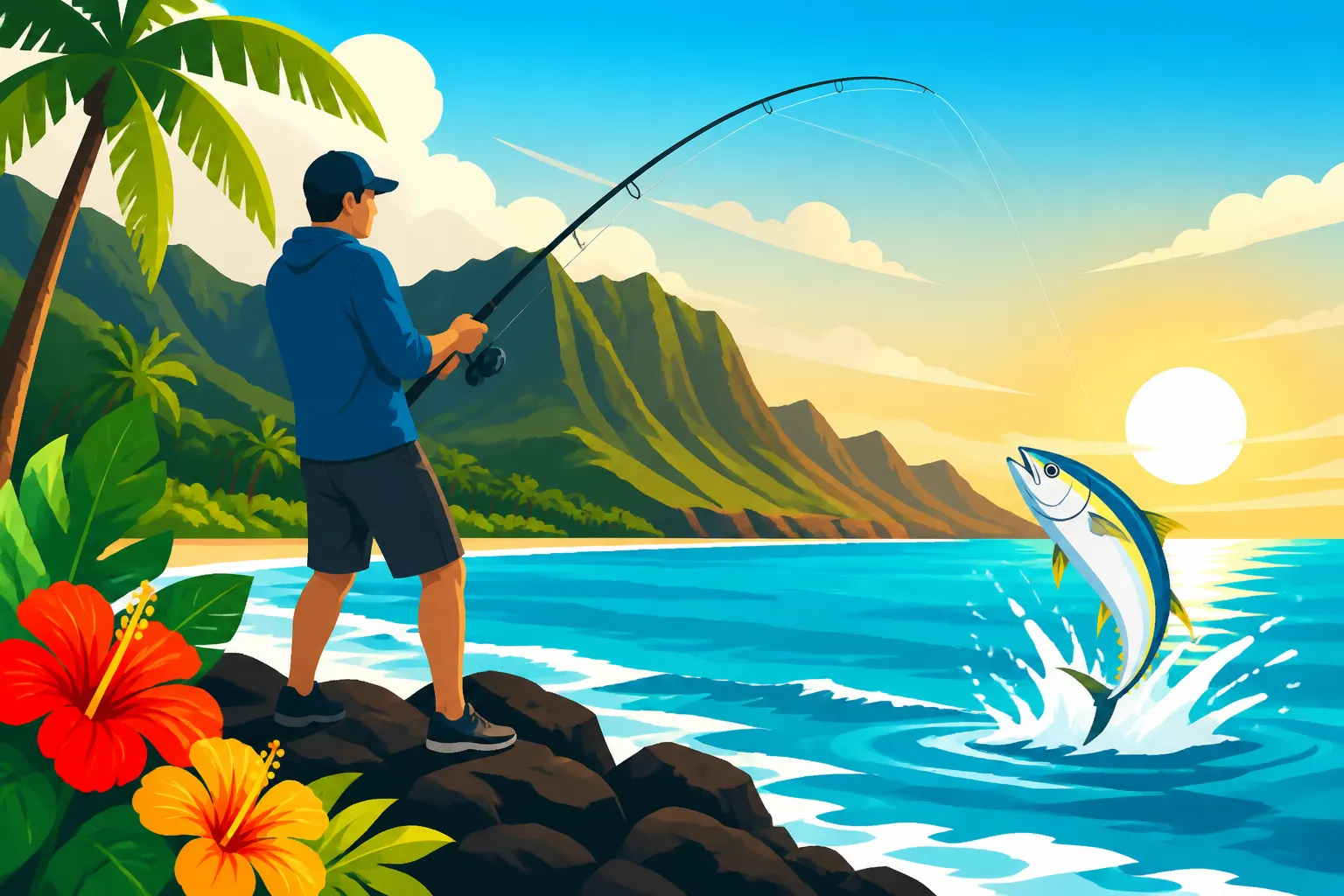
If you're looking for fast action and the thrill of a fight on lighter gear, a guided trip focused on "whipping" for papio (juvenile trevally) is an excellent choice. Papio are abundant in Hawaii's nearshore waters, frequenting reef edges, sandy pockets, and even harbor entrances. Guides specializing in this technique will equip you with light to medium spinning rods, small spoons, jigs, or artificial lures that mimic the baitfish these aggressive predators feed on. The technique often involves continuous casting and retrieving, covering a lot of water to locate schools of feeding fish. It's a highly engaging and active form of fishing that's perfect for anglers of all skill levels, including beginners or families with kids.
Your guide will not only show you the best casting techniques – often a quick, flicking motion to get lures out quickly – but also how to "read" the water for signs of papio activity, like schooling baitfish or subtle disruptions on the surface. They'll know the productive times of day, like dawn and dusk, and the tidal movements that bring these fish closer to shore. Imagine standing on a beautiful Hawaiian beach, casting a small lure, and feeling that electrifying strike as a feisty papio takes the bait. This experience, guided by a local expert who knows Best Techniques for Whipping for Papio, is incredibly rewarding and offers a fantastic introduction to Hawaiian shore fishing.
Sliding Bait and Heavy Tackle for Ulua
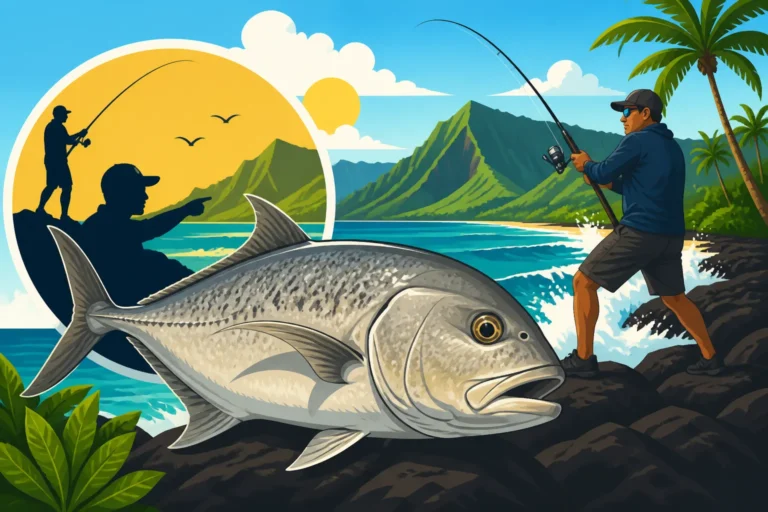
For the angler seeking a true Hawaiian trophy, a guided trip targeting ulua (giant trevally) from shore is an unforgettable challenge. Ulua are powerful, hard-fighting fish that require heavy-duty tackle, robust lines, and a specific technique known as "slide baiting" or "dunking." This involves casting out a heavy lead weight with a long leader, then attaching a live bait (like an opelu or akule) to the main line with a specialized slide clip, allowing it to "slide" down to the weight and settle on the bottom. It's a waiting game, often done at night, but the reward of hooking into an ulua that can weigh well over 50 pounds is unparalleled.
A guide for ulua fishing is absolutely essential. They'll know the specific rocky points, deep channels, or ledges where these nocturnal giants cruise. They'll provide the specialized rods (often 12-14 feet long), heavy-duty reels, and strong lines (upwards of 80-100 lb test) needed to withstand the immense power of an ulua. More importantly, they'll teach you the proper rigging techniques for How to Catch Ulua from Shore, how to secure large live baits, and how to detect the subtle "tap-tap" that signifies a massive fish picking up your offering. When that rod doubles over, your guide will be right there, coaching you through the epic battle to land one of Hawaii's most revered game fish. It’s a truly immersive, local experience that few visitors could successfully attempt on their own.
Fly Fishing for Bonefish on the Flats
If you're a fly fishing enthusiast, Hawaii's shallow, clear water flats offer world-class opportunities to target bonefish (oio). These "ghosts of the flats" are incredibly wary and challenging to catch, demanding stealth, accurate casting, and a keen eye. A specialized fly fishing guide is crucial for this pursuit, as they possess the intricate knowledge required to navigate these delicate ecosystems and spot these camouflaged fish. They know the best tide windows, the subtle movements that give away a bonefish's presence, and the specific fly patterns that entice a strike.
Your guide will lead you across expansive flats, often wading quietly in knee-deep water, teaching you how to sight-fish for these silver bullets. They'll provide specialized saltwater fly rods (typically 8-10 weight), durable reels, and specific flies that imitate shrimp or small crabs. Beyond just finding fish, a good guide will coach you on your casting presentation, emphasizing delicate landings and accurate placement to avoid spooking the fish. The thrill of spotting a cruising bonefish, making a perfect cast, and watching it inhale your fly is an experience that resonates deeply with fly anglers. Areas like Keehi Lagoon or Sand Island on Oahu are renowned bonefishing locales, and a guide can unlock these Best Bonefishing Spots in Hawaii for an unforgettable, sight-fishing adventure.
Preparing for Your Guided Shore Fishing Trip
Once you've booked your guide, a little preparation on your part can go a long way in ensuring a comfortable, safe, and productive day on the water. While your guide will provide most of the necessary gear, understanding what to bring and how to mentally prepare will enhance your overall experience.
What to Pack and What to Wear
Comfort and sun protection are paramount when shore fishing in Hawaii. The tropical sun can be intense, even on cloudy days, and reflection off the water amplifies its effects. Always wear light, breathable clothing that covers as much skin as possible, such as long-sleeved shirts with UPF protection and lightweight pants. A wide-brimmed hat is essential, along with polarized sunglasses to reduce glare and help you see into the water. Don't forget reef-safe sunscreen, even for areas covered by clothing. For footwear, closed-toe water shoes or sturdy reef boots are critical, especially if you'll be navigating rocky shorelines or wading. Slippery lava rock and sharp coral are common, and flip-flops simply won't cut it.
Beyond clothing, a few personal items will make your trip more enjoyable. Bring a reusable water bottle to stay hydrated, as you'll be out in the sun and potentially doing a lot of walking or casting. Snacks are also a good idea, as shore fishing trips can often last several hours, and you'll want to keep your energy up. A small, waterproof bag or backpack can protect your phone, keys, and other essentials from splashes or unexpected rain showers. While your guide will usually have a first-aid kit, it's always wise to carry any personal medications you might need. Check with your guide beforehand; they might have specific recommendations based on the day's planned activities.
Physical Fitness and Ocean Awareness
Shore fishing, particularly in Hawaii, can be more physically demanding than many realize. Depending on the chosen location, you might be hiking over uneven lava rock, scrambling down steep paths, or wading through currents. While your guide will match the location to your stated fitness level, being in reasonable physical condition will undoubtedly enhance your enjoyment and safety. If you have any mobility concerns or physical limitations, communicate these clearly with your guide when booking so they can select an appropriate and accessible location.
Equally important is developing an awareness of the ocean. Hawaii's waters are beautiful but can also be powerful and unpredictable. Pay close attention to your guide's instructions regarding safety, particularly when it comes to rogue waves, strong currents, or slippery conditions near the water's edge. Never turn your back on the ocean. Understand the concept of "lull sets" – periods of calm waves followed by larger, more powerful sets. Your guide will be constantly monitoring conditions, but your own vigilance is an important layer of safety. Familiarize yourself with basic ocean safety principles, and don't hesitate to ask your guide questions if you feel unsure about anything. This combination of physical readiness and ocean respect ensures a safer, more confident angling experience.
Setting Realistic Expectations
While a guide dramatically increases your chances of success, it's crucial to remember that fishing is still fishing. There are no guarantees, and even the most experienced guides have slow days. Approach your trip with a positive attitude and a focus on the entire experience – the beauty of Hawaii, the thrill of the hunt, and the opportunity to learn – rather than solely on the number or size of fish you catch. Celebrate every bite, every cast, and every moment spent on the water.
Your guide will do their absolute best to put you on fish, but factors like unexpected weather changes, unusual tides, or just plain finicky fish can all play a role. Trust your guide's judgment; if they suggest moving spots or changing tactics, it's because they believe it will improve your chances. A good guide will also manage your expectations upfront, explaining what species are likely to be targeted and what a realistic catch might look like for the day. Embrace the challenge, enjoy the process, and appreciate the unique environment you're fishing in. This mindset will ensure that regardless of the exact outcome, you'll still have an amazing Hawaiian fishing adventure.
Cost and Booking Considerations for Shore Guides
Understanding the financial aspects and the best way to secure a reputable guide is key to planning your Hawaiian shore fishing trip. Costs can vary significantly based on the guide's experience, the duration of the trip, and the type of fishing.
Understanding Pricing Structures
The cost of a Hawaii shore fishing guide generally varies based on several factors: the duration of the trip (half-day vs. full-day), the number of anglers, and the specialized nature of the fishing. For a half-day trip (typically 4-5 hours), you might expect a certain rate, while a full-day excursion (6-8 hours) will naturally be higher. Many guides price their services per group rather than per person, or have a base rate for one or two anglers with an additional charge for each extra person. This makes it more economical for small groups.
Specialized trips, like serious ulua hunting which might involve significant travel to remote locations or nocturnal hours, or highly technical fly fishing for bonefish, could command a higher premium due to the expertise and specialized gear involved. Always clarify what is included in the price: Does it cover all tackle, bait, and lures? Are refreshments provided? Are there any hidden fees? A transparent guide will itemize everything. While you might be tempted by a cheaper option, remember that quality often comes at a cost, and investing in a reputable, experienced guide is usually worth it for a safer and more productive outing. Hawaii Fishing Charter Cost Guide might offer some context, though shore guide costs can differ.
How to Find and Book Reputable Guides
Finding a good shore fishing guide in Hawaii can sometimes feel like searching for a needle in a haystack, as many operate on word-of-mouth recommendations rather than extensive online advertising. However, several strategies can help. Online booking platforms are becoming increasingly popular for fishing charters and guides, and some, like FishingBooker, specifically list shore fishing guides. These platforms often allow you to read client reviews, view photos, and compare services, providing a layer of transparency and accountability. They also often handle the booking and payment process securely.
Beyond online platforms, you can also ask at local tackle shops, visit online fishing forums dedicated to Hawaii, or seek recommendations from travel forums. When you find potential guides, don't hesitate to call or email them directly. Ask specific questions about their experience, what kind of fishing they offer, their safety protocols, and what you can expect from the day. Look for guides who respond promptly, professionally, and enthusiastically. Booking well in advance, especially during peak tourist seasons, is highly recommended to secure your preferred dates and guide. A quick search for "Best Guided Shore Fishing Trips on Oahu" or "Best Guided Bonefishing Trips on Oahu" can start your research.
Tipping Etiquette and Appreciation
Tipping your Hawaii shore fishing guide and any assistants is customary and a great way to show your appreciation for their hard work and expertise. Guides typically work long hours, often starting long before you arrive to prepare bait and gear, and staying long after you leave to clean up and maintain equipment. They are also sharing their invaluable local knowledge, which is the cornerstone of your successful trip.
While there's no strict rule, a tip of 15-20% of the total trip cost is generally considered standard practice if you had a good experience. If your guide went above and beyond – perhaps they worked extra hard to find fish on a slow day, provided exceptional instruction, or handled a particularly challenging situation with grace – a larger tip is always appreciated. Present the tip directly to your guide at the end of the trip, perhaps with a sincere "Mahalo" (thank you). This small gesture goes a long way in acknowledging their efforts and contributing to their livelihood, especially since many guides rely on tips to supplement their income.
Popular Shore Fishing Destinations and Their Guides
Hawaii's islands each offer unique shore fishing landscapes and opportunities. While specific guide availability can change, knowing the general characteristics of each island's fishing scene can help you narrow down your search for the perfect shore fishing adventure.
Oahu's Diverse Shorelines
Oahu, with its bustling capital Honolulu, might seem heavily developed, but it still boasts incredibly diverse shorelines that offer fantastic fishing opportunities. From the sandy beaches of the North Shore to the rugged cliffs of Kaena Point and the protected bays around Diamond Head, there's a spot for almost every type of shore angler. Guides on Oahu are often highly specialized, reflecting the variety of fishing available. You'll find experts in light tackle whipping for papio along reef flats and beaches, especially around areas like Sandy Beach or Makapuu Point.
Oahu is also a prime destination for bonefishing on the flats, with guides frequently leading trips into Keehi Lagoon or near Sand Island where these elusive fish thrive. For those chasing larger quarry, there are guides who focus on the challenging pursuit of ulua from the island's many rocky points and ledges, often fishing at night. The accessibility of Oahu means guides can quickly adapt to changing conditions by moving from one side of the island to another. Whether you're a beginner looking for an easy catch or a seasoned angler seeking a challenge, Oahu's shore guides can point you to the Best Shore Fishing Spots in Hawaii on this vibrant island.
Maui's Rocky Coasts and Beaches
Maui's stunning coastline offers a mix of picturesque sandy beaches and dramatic lava rock shores, both yielding excellent shore fishing. The island is particularly known for its abundance of reef fish and the chance to hook into pelagic species that cruise surprisingly close to shore. Guides on Maui often focus on a combination of light tackle fishing for papio and other reef inhabitants, as well as targetting larger game from the island's more exposed points. Areas like La Perouse Bay on the south side offer extensive lava fields that are home to a variety of species, while the calmer waters near Maalaea Harbor or Lahaina Harbor can be productive for different targets.
Maui's guides are adept at teaching anglers how to navigate its unique coastal terrain safely, which is often crucial on the rugged lava flows. They'll know which beaches offer the best access for whipping, and which rocky outcrops provide the deep water access needed for ulua. Some guides might even incorporate aspects of cultural education, sharing the history of fishing techniques unique to Maui. For those who appreciate dramatic scenery alongside their angling, Maui's shorelines provide a truly beautiful backdrop for a guided fishing adventure, with experts ready to unlock its secrets.
Big Island's Lava Flows and Deep Water Access
The Big Island, Hawaii's largest landmass, presents a rugged and often wild shore fishing experience defined by its vast lava flows and rapid drop-offs into deep ocean waters. This island is legendary for its deep-water access directly from shore, allowing anglers to target larger pelagic species that are typically only accessible by boat elsewhere. Guides here often specialize in heavy tackle fishing for ulua, kahala (amberjack), and even smaller tuna species that venture close to the dramatic coastlines. Famous spots like South Point (Ka Lae) offer unique challenges and incredible rewards for those willing to brave its remote, wind-swept shores.
Shore fishing guides on the Big Island are experts at navigating the often treacherous lava fields, identifying safe casting platforms, and understanding the powerful currents that sweep along its coasts. They'll have intimate knowledge of specific ledges and pinnacles that hold fish, often using large baits or heavy jigs to reach the deep-dwelling species. A trip with a Big Island shore guide is an adventure in itself, often involving off-road travel and significant hikes to reach prime, unpressured fishing grounds. It's an experience for the adventurous angler who seeks to connect with the raw power of Hawaii's volcanic landscape and its incredible marine life. Best Shore Fishing Spots at South Point is a popular query for this area.
Kauai's Lush and Remote Spots
Kauai, the "Garden Isle," offers a more serene and often remote shore fishing experience compared to its busier neighbors. Its lush, verdant landscapes meet the ocean in a dramatic fashion, with pristine beaches, river mouths, and rocky points all offering angling opportunities. Guides on Kauai cater to those looking for a more tranquil experience, often focusing on light tackle fishing for papio, barracuda, and various reef species in its many secluded bays and along its less-trafficked shorelines. Areas like Hanalei Bay or Poipu offer accessible yet productive spots, while more adventurous guides might lead you to remote, hike-in locations along the Na Pali Coast or other less-traveled areas.
Kauai's guides are often skilled at identifying productive spots near river mouths where freshwater runoff meets saltwater, creating unique feeding opportunities. They'll also know the calmer, protected areas that are ideal for families or those looking for a more relaxed fishing pace. While the emphasis might be less on monster fish and more on the peaceful enjoyment of the surroundings and consistent action, Kauai still offers the chance for respectable catches. A guided trip here often feels like a personalized expedition into nature, combining stunning scenery with rewarding fishing.
Disclaimer
This article is for general informational purposes only and does not constitute professional advice. Laws, prices and regulations vary by location and change over time. Consult a qualified professional for guidance on your specific situation.