Best charters for catching dinner to keep
Many visitors and even kama'aina (locals) dream of reeling in a magnificent fish in Hawaii and taking it home to enjoy as the freshest dinner imaginable. But navigating the world of fishing charters to find one that truly caters to catching dinner, rather than just catch-and-release, can feel like trying to catch an ulua with a handline – confusing and sometimes fruitless. This guide will walk you through exactly what to look for and the questions to ask to secure the best charter for bringing home a delicious Hawaiian feast.
The Quest for Dinner: What "Catch and Keep" Means on a Hawaiian Charter
Many people come to Hawaii with a vision of catching a trophy marlin, but just as many, if not more, harbor a simpler, yet equally satisfying, desire: to put fresh fish on the grill. They want to experience the thrill of the catch and then savor the taste of their success. However, not all fishing charters operate with this "dinner first" mindset. Some are purely sportfishing operations, focused on large pelagic species that are often catch-and-release, or whose meat distribution is solely at the captain's discretion due to commercial licensing. Understanding this distinction is the first crucial step in planning your trip.
The phrase "catching dinner to keep" really boils down to two main things: first, that the target species are generally considered excellent eating fish and are within legal bag and size limits for recreational anglers. Second, and perhaps more importantly, that the charter captain is willing and able to portion out a fair share of the catch to the paying customers. This isn't always a given, especially on commercial vessels, where the entire catch might be sold to local restaurants or fish markets. A good charter for catching dinner will be transparent about their policy from the outset, ensuring you don't end up disappointed after a great day on the water.
This desire for fresh-caught dinner is deeply rooted in the Hawaiian fishing culture. For generations, fishing wasn't just a sport; it was a way of life, a means of sustenance. While modern charters offer a recreational experience, that primal satisfaction of providing food for your family or friends from the ocean is still a powerful draw. You're not just buying fish at the market; you're earning it, connecting with the ocean in a profound way. It’s a completely different experience to tell the story of how you landed that mahimahi that's now sizzling on your plate, knowing you contributed directly to the meal.
Selecting Your Feast-Focused Fishing Expedition
Choosing the right charter for your dinner quest involves more than just picking a boat with a catchy name. You need to align your expectations with the charter's offerings. It’s about ensuring their operational model supports your goal of bringing home some delicious fillets.
Charter Type and Duration: Finding Your Perfect Fit
When you're aiming to catch dinner, the type and duration of your charter can significantly impact your success. Half-day charters, typically around four hours, are fantastic for families or beginners who might not want to spend an entire day battling the ocean. These shorter trips often focus on inshore species or smaller pelagics that are excellent table fare, such as smaller mahimahi, ono, or various reef fish. A common scenario might be a morning trip out of Maalaea Harbor, where you target a specific area known for good eating fish, getting back to shore in time for a late lunch or early dinner. These shorter trips are often more affordable and less strenuous, making them ideal for casual anglers.
Full-day charters, on the other hand, usually last eight hours or more and venture further offshore. While they open up opportunities for larger game fish like marlin or big ahi, they also increase the chances of encountering schools of mahimahi and ono. The extended time allows the captain to try different techniques or move to multiple spots, increasing your odds. For example, a full-day trip out of Honokohau Harbor might start with trolling for pelagics and then transition to bottomfishing if the offshore bite is slow. This flexibility can be a huge advantage when your primary goal is to stock the cooler. You might find a wider range of options available on platforms like FishingBooker that clearly state their trip durations and typical target species, allowing you to compare easily.
Private charters offer the ultimate flexibility. You can communicate your exact desires – "we really want to catch some mahimahi to cook tonight!" – directly to the captain, and they can tailor the trip to maximize that specific goal. This personalized approach is invaluable, as the captain can focus entirely on your party's preferences and adjust the fishing strategy throughout the day. Shared charters are more budget-friendly, but you might be sharing the deck with anglers who have different priorities, some perhaps only interested in catch-and-release sportfishing. While you'll still get a share of the catch on most dinner-focused shared trips, a private charter gives you more control over the experience and the types of fish pursued, ensuring everyone on board is on the same page.
Target Species for the Table: Pelagics vs. Bottomfish
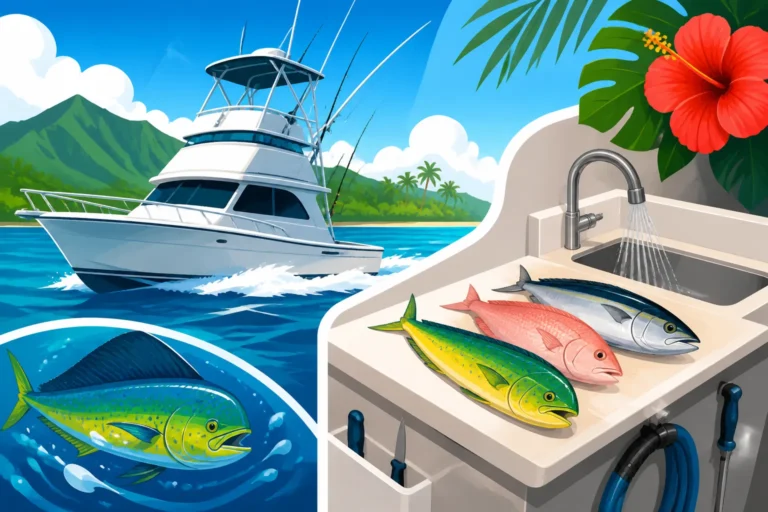
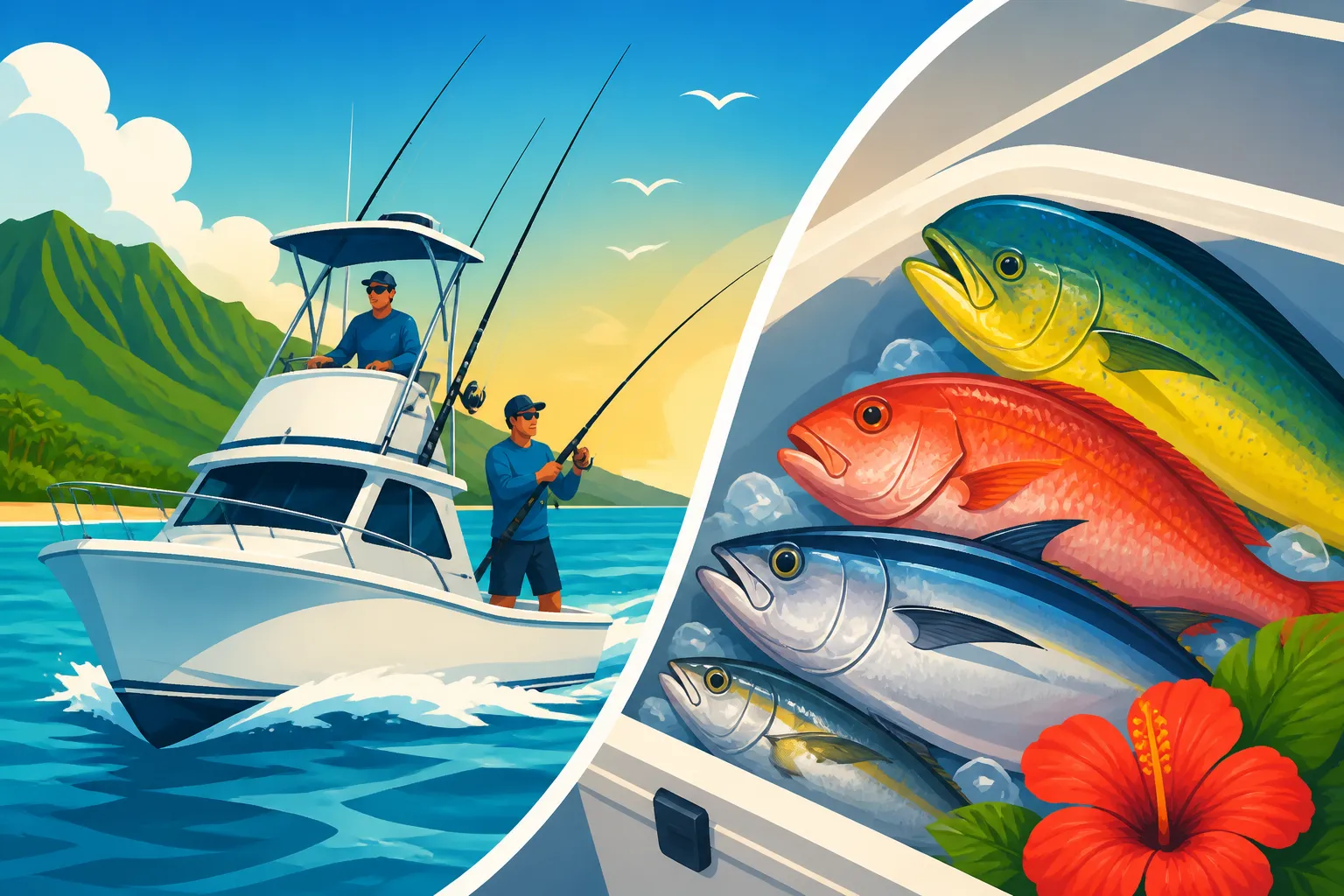
Hawaii boasts an incredible diversity of fish, but not all are created equal when it comes to table fare. Broadly, you'll be looking at two main categories: pelagic (open ocean) and bottomfish. Pelagic species like mahimahi (dolphin fish), ono (wahoo), and ahi (yellowfin tuna) are highly sought after for their delicious, firm, white, or red meat. They are fantastic grilled, seared, or even prepared as sashimi. A charter targeting these species often uses trolling methods, dragging lures or baits through the open ocean, which can be an exciting, fast-paced form of fishing. You can often check the current Hawaii Pelagic Species Bag Limits to understand what you might be able to keep and ensure you're within regulations.
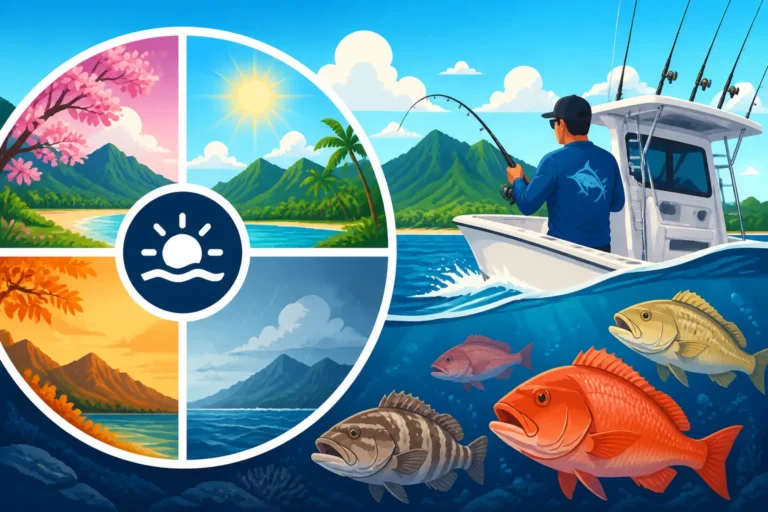
Bottomfishing charters, sometimes called "deep drop" or "reef fishing," focus on species that live near the ocean floor, often over reefs or deep ledges. These can include opakapaka (pink snapper), onaga (ruby snapper), ehu (red snapper), and various types of ulua (trevally) or kumu (goatfish). These fish are renowned for their delicate, flaky white meat and are considered gourmet options by many. Bottomfishing typically involves dropping weighted lines with multiple hooks down to significant depths, a more stationary style of fishing compared to trolling, often requiring specialized electric reels due to the depths involved. If you're staying near Kailua-Kona, you might specifically look for Best Bottomfishing Charters in Kona as the Big Island offers some prime bottomfishing grounds. Both pelagic and bottomfish trips can be excellent for catching dinner, but your preference might depend on the type of fishing experience you seek and the specific flavors you're hoping to enjoy.
Captain's Philosophy on Catch Sharing and Keeping
This is arguably the most critical factor. Before booking, you absolutely must clarify the charter's policy on catch distribution. Some captains operate strictly as commercial fishermen, meaning they keep and sell all fish caught, regardless of size or species. Others have a "boat keeps all" policy, sometimes offering to cut you a small piece of a larger fish if you'd like. Neither of these scenarios aligns with the "catching dinner to keep" goal, and understanding this upfront prevents major disappointment at the end of what might have been an otherwise fantastic day of fishing.
You want a captain whose philosophy includes sharing the catch with clients. This might mean the boat keeps larger, commercially valuable fish like a grander marlin, but guests get to keep a generous portion of smaller pelagics or all legal bottomfish caught. Some charters even have a "shared cooler" policy where the entire day's catch (minus any that are strictly C&R) is divided among the guests, ensuring everyone goes home with a fair share. It’s always best to have this conversation upfront, ideally before you even confirm your booking. For instance, you could be browsing options on a platform like FishingBooker and find charters explicitly stating their fish-keeping policies in their descriptions, or at least encourage direct communication with the captain. Don't assume; always ask directly to avoid disappointment at the end of a long day, wondering why your impressive catch won't be gracing your plate.
Onboard Amenities and Fish Processing Services
Once you've caught your dinner, what happens next? A good charter for keeping your catch will have the necessary facilities and services to handle the fish properly. This includes a fish box or cooler with ice to keep your catch fresh throughout the day. Nothing ruins a beautiful fish faster than improper handling, especially in Hawaii's warm climate, so a well-maintained cooler with plenty of ice is non-negotiable for preserving your dinner-bound catch.
Furthermore, inquire about fish processing. Does the crew offer cleaning and filleting services right on the boat or back at the dock? Many top-tier charters will skillfully clean, fillet, and bag your fish, making it ready for your cooler or immediate cooking. They might even have a vacuum sealer for an extra charge, which is fantastic if you plan to freeze portions for later or transport them home. This service is a huge convenience, saving you the messy work and ensuring your prized catch is handled by experienced hands, maximizing its quality and taste. Without this, you might be left with a whole fish, wondering how to get it ready for your plate, which can be quite a challenge for an inexperienced angler without the right tools or knowledge.
Prime Hawaiian Waters for Your Dinner-Catching Adventure
While all Hawaiian islands offer incredible fishing, some areas are particularly well-suited for charters focused on putting fresh fish on your plate. Each island has its unique characteristics, influencing the types of fish you'll encounter and the overall fishing experience.
Kona Coast, Big Island: Beyond the Big Game
The Kona Coast on the Big Island is world-renowned for its calm waters and incredible big-game fishing, particularly for marlin and ahi. While many charters here are geared towards trophy hunting, there's also a thriving sector that caters to anglers wanting delicious eating fish. The FADs (Fish Aggregating Devices) offshore often hold schools of mahimahi and ono, which are fantastic table fare. Charters here will often troll these FADs, giving you a great shot at multiple hookups for dinner. Don't be shy about telling a Kona captain that while a grander marlin would be amazing, you're really hoping to fill the cooler with some mahimahi or ono for the BBQ tonight; many are more than happy to accommodate.
Many Kona charters are also excellent for deep-drop bottomfishing. The dramatic underwater topography, with steep drop-offs close to shore, creates ideal habitats for highly prized bottomfish like onaga and opakapaka. These fish fetch a premium at local markets, and catching them yourself for dinner is a truly luxurious experience. You might specifically seek out Best Bottomfishing Charters in Kona if those exquisite deep-water species are what you're after, as the deep waters here are particularly productive. The calm leeward waters make for a comfortable ride, even for those prone to seasickness, increasing the enjoyment of your dinner-focused trip without the added discomfort of rough seas.
Maui & Oahu: A Balance of Nearshore and Offshore Bounty
Maui offers a fantastic mix of fishing opportunities. Charters often depart from Maalaea Harbor or Lahaina Harbor, accessing both productive inshore reefs and offshore pelagic grounds. You'll find plenty of charters here that are happy to focus on catching mahimahi, ono, or various reef fish that make for excellent eating. The channels between Maui, Lanai, and Molokai are also prime areas for targeting these delicious pelagics, often yielding multiple fish per trip. These waters act as natural funnels for baitfish, attracting predatory species. Many families find Maui a great destination for a charter, balancing scenic beauty with solid fishing action, perfect for creating lasting memories and a memorable meal.
Oahu, being the most populated island, also has a robust charter fleet, primarily out of Kewalo Basin or Honolulu Harbor. While offshore sportfishing for tuna and marlin is popular, there are also many charters that specialize in closer-to-shore fishing for smaller pelagics and reef fish, perfect for dinner. Anglers might target species like papio (juvenile trevally), kumu, or weke, which are delicious and provide a good fight on lighter tackle. Best Half-Day Fishing Charters in Hawaii on Oahu can be a great option if you want to get out, catch some fish for dinner, and still have plenty of time for other island activities. The convenience of Oahu means many options are available, often year-round, making it easier to plan a trip focused on bringing home the catch without a lengthy travel commitment.
Kauai: Laid-Back Charms and Dinner Delights
Kauai, often called the "Garden Isle," provides a more tranquil fishing experience while still offering excellent opportunities for catching dinner. Charters typically depart from Nawiliwili Harbor. While not as famous for giant marlin as Kona, Kauai's waters are abundant with mahimahi, ono, and various types of snapper and trevally closer to shore. Many charters here are smaller, more intimate operations, making it easier to discuss your desire to keep fish for dinner directly with the captain and get a personalized experience.
The reef systems around Kauai hold a good variety of eating fish, and the less crowded waters can sometimes lead to more consistent action, as the fish may be under less pressure. It’s a fantastic choice for families or groups who prioritize a relaxed fishing environment and a guaranteed fresh meal over chasing record-breaking fish. Imagine grilling your freshly caught mahimahi with a view of the Napali Coast – that's the kind of experience Kauai can offer, combining stunning scenery with culinary reward. When browsing options, consider filtering for charters that emphasize "family fishing" or "light tackle reef fishing" as these are often more aligned with the goal of bringing home dinner, providing a comfortable and productive outing.
Your Checklist for Booking a Dinner-Focused Charter
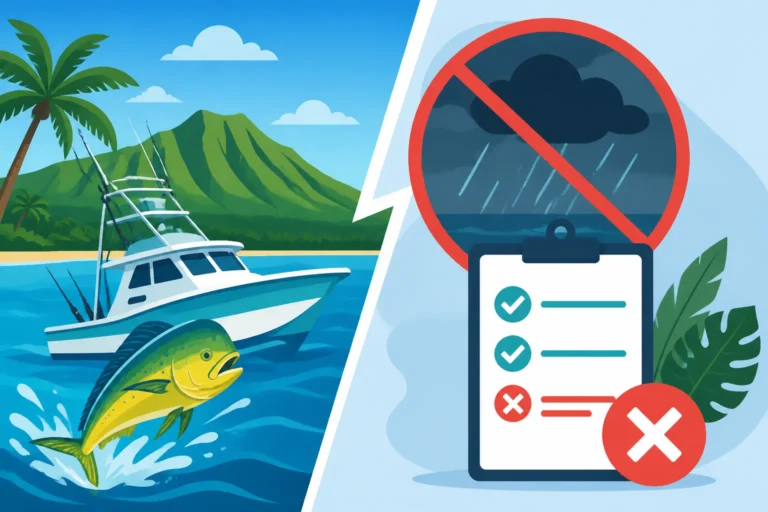
Booking a fishing charter can sometimes feel like a leap of faith, especially when you have specific hopes like catching dinner. To ensure your trip is a success, being prepared with the right questions is essential. Don't assume anything; clear communication upfront will save you from potential disappointment later, ensuring you get exactly the kind of fishing experience you're hoping for.
Essential Questions to Ask Your Charter Captain
Before you commit to a booking, whether it's directly with the captain or through a service like FishingBooker, make a list of these crucial questions. You're looking for transparency and a clear understanding of their policies, which will empower you to make an informed decision.
- "What is your policy on sharing the catch with clients?" This is the absolute first question. Some captains keep everything, some offer a portion of certain species, some divide it evenly. Get it in writing or at least a clear verbal confirmation to avoid any misunderstandings at the end of the trip.
- "Which species are we likely to target that are good for eating, and what are the typical bag/size limits we can expect to keep?" This helps set realistic expectations about what might end up on your plate and allows you to confirm that the target species align with your culinary preferences. They should be knowledgeable about Hawaii Bag and Size Limits by Species.
- "Do you offer fish cleaning and filleting services, and is there an additional cost for this?" Knowing if your fish will be prepped for cooking is a huge convenience and can save you a lot of time and effort once you're back on shore. Clarifying fees upfront prevents surprises.
- "Do you provide ice and a cooler to keep our catch fresh?" Proper handling ensures your dinner will taste its best, and a lack of adequate cooling can significantly degrade the quality of your fish. This is a basic but critical amenity for any dinner-focused trip.
- "What happens to any fish that aren't kept by clients? Are they donated, sold, or is it a 'boat keeps all' situation?" This provides insight into the captain's overall approach and can help you understand the full scope of their catch policies beyond just your personal share.
- "Are there any specific regulations or seasons that might affect our ability to keep certain species during our trip?" For instance, Hawaii Moi Closed Season, Explained or Hawaii Uhu (Parrotfish) Size and Bag Limits could impact what's available and allowable for harvest, so it's vital to be aware.
- "What's your recommendation for a trip (e.g., half-day vs. full-day, inshore vs. offshore) if our main goal is to catch fish for dinner?" Leverage their local expertise. They can guide you to the best option based on current conditions, fish activity, and your specific culinary desires.
- "Do we need our own fishing license for this trip?" In Hawaii, recreational marine fishing licenses are now required for most anglers, and some charters might include this, but it's best to confirm this responsibility. You can find more details on Do You Need a Fishing License in Hawaii to be fully prepared.
By asking these questions, you're not being demanding; you're being a smart consumer. A reputable charter will appreciate your clear communication and be happy to answer your concerns, ensuring a great experience for everyone involved.
| Question Category | Key Questions to Ask | Why It's Important |
|---|---|---|
| Catch Policy | What's your policy on guests keeping fish? | Directly addresses your goal of taking fish home. |
| What's a typical "share" for a party of our size? | Sets expectations for how much fish you can realistically expect. | |
| Target Species | What edible species are we likely to target? | Helps you understand what kinds of dinner options are probable. |
| Any seasonal restrictions on desirable eating fish? | Prevents disappointment if a favorite species is out of season. | |
| Fish Processing | Do you clean and fillet the fish for us? | Essential for convenience and proper handling of your catch. |
| Is there a fee for processing? | Avoids unexpected charges at the end of the trip. | |
| Logistics | Do you provide coolers and ice for the catch? | Ensures your fish stays fresh until you get it home. |
| Do we need to bring a fishing license? | Clarifies your personal responsibility for regulatory compliance. |
Remember, the goal is not just to catch fish, but to enjoy the bounty of the Hawaiian ocean at your dinner table. With a bit of research and clear communication, you'll find the perfect charter to make that dream a reality. Platforms like FishingBooker can be very useful here, as many listings include details about catch policies, or they provide direct messaging capabilities to ask these questions before you book, giving you peace of mind.
This comprehensive approach will ensure you walk away from your Hawaiian fishing adventure not just with memories, but with a delicious meal to share.
Disclaimer
This article is for general informational purposes only and does not constitute professional advice. Laws, prices and regulations vary by location and change over time. Consult a qualified professional for guidance on your specific situation.