Best Molokai Fishing Charters
Molokai, often called the "Friendly Isle," offers a fishing experience unlike any other in Hawaii, but navigating the options for charters can feel a little daunting when you're used to the bustling harbors of Oahu or Maui. It’s not always as straightforward to find detailed listings, which can leave you wondering about the best way to get out on the water. This comprehensive guide will help you understand the unique charter landscape of Molokai, what kind of fishing you can expect, and how to book an unforgettable trip.
Why Molokai is a Unique Fishing Destination
Molokai holds a special place in the Hawaiian islands, not just geographically, but in its very soul. It’s an island where time seems to slow down, where the aloha spirit is palpable, and where commercialization hasn't taken root in the same way it has on some of its more famous neighbors. This translates directly into a fishing experience that feels more intimate, more authentic, and often, more rewarding.
The 'Friendly Isle' Charm and Fishing Vibe
Stepping onto Molokai feels like stepping back in time, in the best possible way. There are no stoplights, no major resorts crowding the shoreline, and a genuine sense of community pervades. This laid-back atmosphere extends to its fishing scene. You won't find dozens of massive sportfishing yachts vying for space at the dock. Instead, you'll discover a fleet of dedicated local captains, many of whom have fished these waters their entire lives, carrying on traditions passed down through generations.
These captains often run smaller, more personal operations, focusing on providing a quality experience rather than maximizing passenger numbers. The vibe is less about the grand spectacle and more about the connection to the ocean, the thrill of the catch, and sharing the beauty of Molokai's natural environment. It's a place where you might learn as much about Hawaiian culture and marine conservation from your captain as you do about fishing techniques. This makes for an incredibly rich and memorable adventure, far removed from the hustle and bustle you might find elsewhere.
Diverse Marine Environment
Despite its smaller size and quiet demeanor, Molokai boasts an incredibly diverse marine environment that supports a wide array of fish species. The island’s north shore features some of the tallest sea cliffs in the world, plummeting deep into the Pacific, creating dramatic underwater topography. Its south shore, meanwhile, is home to the longest fringing reef in the U.S., stretching for miles and providing rich habitat for inshore species.
These varied depths and structures, combined with the currents flowing around the island, create prime fishing grounds for both prized pelagic (open ocean) species and abundant reef and bottom dwellers. From casting near the shallow flats for hard-fighting bonefish to trolling the deep blue for marlin, Molokai's waters offer something for every kind of angler. The health of these marine ecosystems, largely due to less human impact, also means vibrant reefs and often robust fish populations. You can explore more about the fishing opportunities around the island in our guide to Molokai Fishing Spots.
Types of Fishing Charters Available on Molokai
Molokai's fishing charters reflect the island's unique character – they might be fewer in number than on Maui or the Big Island, but they are often run by seasoned local experts dedicated to sharing their passion for the ocean. When you consider booking a trip here, you'll generally find options tailored to both the big game enthusiast and the angler looking for a more relaxed, nearshore experience.
Offshore Sportfishing Adventures
If your dream is to battle a colossal Yellowfin Tuna or go head-to-head with a powerful Marlin, Molokai's offshore sportfishing charters are exactly what you need. These trips typically involve heading several miles offshore, often along the deep water ledges and FADs (Fish Aggregating Devices) that attract large pelagic species. The captains running these boats are intimately familiar with the movements of game fish like Ahi (Yellowfin Tuna), Ono (Wahoo), and Mahimahi, knowing where to find them based on seasonal patterns, currents, and baitfish activity.
A typical offshore trip usually lasts a full day, or at least a significant half-day, to allow ample time to reach the fishing grounds and give you plenty of opportunity for bites. Trolling with artificial lures or live bait is the predominant method, covering large swaths of ocean to entice these fast-moving predators. What you can expect is an adrenaline-pumping experience, where patience can be rewarded with truly epic fights. Many charters offer all necessary gear, bait, and often ice for your catch, ensuring you're well-equipped for the deep blue.
Nearshore and Reef Fishing Expeditions
For those who prefer to stay closer to shore, or who are looking for a more relaxed, family-friendly outing, Molokai offers excellent nearshore and reef fishing charters. These trips focus on the vibrant ecosystems found along the island's extensive fringing reefs and coastal waters. Here, you can target a variety of exciting species such as Papio (juvenile Trevally), various types of Ulua (Giant Trevally), Kumu (Goatfish), Weke (Goatfish), and an assortment of colorful snappers and groupers that call these reefs home.
These expeditions often employ lighter tackle and techniques like bottom fishing with bait, or casting artificial lures. They are fantastic for anglers of all skill levels, from beginners and children to experienced light tackle enthusiasts. Nearshore trips provide a wonderful opportunity to appreciate Molokai's stunning coastline while enjoying consistent action. Many captains will also share insights into the local marine life and Hawaiian fishing practices, adding an educational and cultural dimension to your trip. It's a great way to combine sightseeing with the thrill of catching dinner.
Specialized Charter Experiences
Beyond the traditional offshore and nearshore trips, some Molokai operators might offer more specialized fishing experiences that cater to specific interests. While not as widely advertised as on bigger islands, it's worth inquiring if you're looking for something a little different. For instance, some local guides might offer guided shore fishing tours, where they take you to their favorite local spots along the coastline, teaching you traditional Hawaiian casting or whipping techniques for species like Papio and Ulua. These land-based excursions can be incredibly immersive, connecting you directly with the island's fishing culture.
Another niche option, though less common for formal charters, could be guided spearfishing trips for experienced free divers, where local knowledge of reef structure and fish behavior is paramount. However, always ensure any spearfishing activity adheres strictly to Hawaii's Hawaii Spearfishing Regulations to ensure sustainability and legality. Kayak fishing guides might also be available, offering a more serene and eco-friendly way to explore the nearshore waters, paddling to remote spots that larger boats can't access. These specialized trips often provide a deeper, more personalized connection to Molokai's unique fishing heritage.
What to Look for in a Molokai Fishing Charter
Choosing the right fishing charter on Molokai is key to ensuring you have a fantastic experience. Because the island's charter scene is more low-key, it’s even more important to know what to look for beyond just the advertised price. You're not just booking a boat; you're booking an experience with a local expert who will guide your adventure.
Captain Experience and Local Knowledge
On an island like Molokai, where the fishing grounds are diverse and sometimes less trafficked, the captain's experience and local knowledge are paramount. You want a captain who has spent years, if not a lifetime, learning the intricacies of Molokai's waters – the currents, the seasonal movements of baitfish, the hidden reef structures, and the behavior of the targeted species. This isn't just about finding fish; it's about knowing when and where they'll be, and how to approach them respectfully.
A good Molokai captain will often have a deep connection to the ocean and the island, offering insights into Hawaiian culture, marine conservation, and local folklore. They should be able to adapt their techniques based on conditions, ensuring you have the best possible chance of success. Don't be afraid to ask about their experience, their preferred fishing styles, and what species they typically target during your visit. Platforms like FishingBooker often allow you to read reviews that highlight a captain's expertise and personality, which can be incredibly helpful for gauging their local savvy.
Boat Features and Safety Standards
While Molokai charters might not always boast the flashy, multi-million dollar vessels you see in some major sportfishing hubs, the boat itself should still be well-maintained, comfortable, and, most importantly, safe. Look for a vessel that is appropriate for the type of fishing you plan to do. For offshore trips, a boat designed to handle open ocean conditions with a stable ride is crucial. For nearshore excursions, a smaller, nimble vessel might offer better access to reef areas.
Consider the amenities: is there a head (restroom) onboard? Is there shade from the Hawaiian sun? Does the boat have modern electronics like GPS, fishfinders, and radar? Crucially, ensure the charter adheres to all U.S. Coast Guard safety regulations. This means having proper life jackets for all passengers, communication equipment, first-aid supplies, and an experienced crew who know how to use them. A reputable captain will prioritize safety above all else, and a well-equipped boat is a reflection of that commitment.
Inclusions and Exclusions (Licenses, Gear, Fish Handling)
Before you book, always clarify what is included in the charter price and what you might need to bring or pay for separately. This is a common point of confusion for many anglers. Generally, most Hawaiian fishing charters provide all the necessary fishing gear, including rods, reels, bait, and tackle. However, if you have a favorite rod or specific lures you want to use, it's always good to check if you can bring them.
One of the most frequently asked questions revolves around fishing licenses. For most reputable Hawaii fishing charters, the boat itself operates under a commercial license that covers all passengers, meaning you typically do not need to purchase an individual recreational fishing license. However, it's always wise to confirm this directly with your chosen charter, especially if you're not going on a traditional boat charter. For more details, you can consult our guide on Do You Need Your Own Fishing License for a Hawaii Charter?.
Finally, discuss fish handling. What happens to the catch? Some charters operate on a "catch and release" policy for certain species, while others allow you to keep a portion of the edible fish. If you plan to keep fish, ask if the crew will clean and fillet it for you. This service is often included and highly appreciated after a long day of fishing.
Booking Your Molokai Fishing Charter
Once you've decided on the type of fishing you want to do and what you're looking for in a charter, the next step is booking your trip. Given Molokai’s smaller scale, a little planning goes a long way to secure your spot and ensure a smooth experience.
When and How to Book
Molokai's fishing charter scene isn't as saturated as other Hawaiian islands, meaning that the best captains and most sought-after boats can get booked up quickly, especially during peak travel seasons or school holidays. It's generally a good idea to book your charter at least a few weeks in advance, and even further out if your travel dates are during popular times like summer, winter breaks, or major fishing tournaments. Procrastination can lead to disappointment, leaving you scrambling for last-minute options that might not perfectly match your preferences.
When it comes to "how" to book, you have a few avenues. Many Molokai captains operate independently and can be reached directly via phone or email, which you might find through local recommendations or a quick online search. Additionally, online booking platforms have become increasingly popular for their convenience and ability to compare various options in one place. Websites like FishingBooker often feature a selection of Molokai charters, allowing you to view boat details, read reviews, check availability, and secure your booking with a deposit. This can be a particularly helpful resource for visitors who are not on the island to make arrangements in person.
Understanding Pricing and Packages
The cost of a Molokai fishing charter can vary significantly based on several factors, including the duration of the trip, whether it's a private or shared charter, the size of the boat, and the type of fishing. Half-day trips are generally more economical and perfect for families or those with limited time, while full-day excursions offer more time on the water and a greater chance to target diverse species or bigger game. Our detailed Hawaii Fishing Charter Cost Guide can give you a broader understanding of pricing across the islands.
Private charters, where you have the entire boat to yourself and your group, offer the most flexibility in terms of target species, departure times, and fishing methods. They are ideal for serious anglers or groups who want an exclusive experience. Shared or "split" charters, on the other hand, are a more budget-friendly option where you share the cost (and the boat) with other anglers. While you might have less control over the specific fishing plan, they're a great way to experience offshore fishing without the full private charter expense. Always ask for a clear breakdown of costs and what is included versus any potential add-ons before finalizing your booking.
Preparing for Your Trip
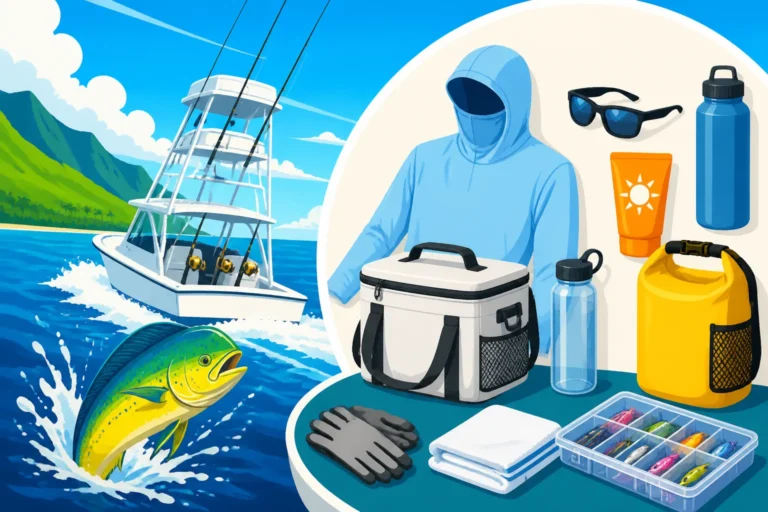
Once your Molokai fishing charter is booked, a little preparation can make a big difference in your overall enjoyment. First and foremost, check the weather forecast for your trip date. While Hawaiian weather is generally pleasant, conditions can change, especially offshore. Dress appropriately in layers, and consider sun protection like long-sleeved shirts, hats, and plenty of reef-safe sunscreen. Sunglasses are also a must to reduce glare on the water.
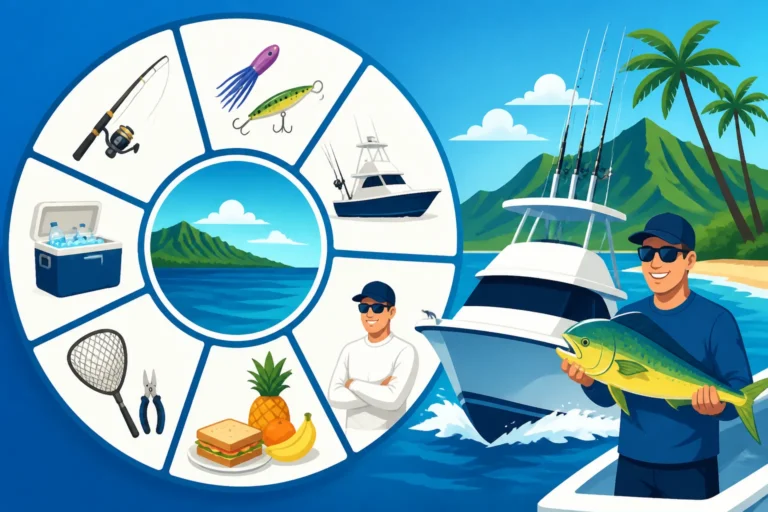
Seasickness can sometimes be an issue, even for seasoned anglers, especially on open ocean trips. If you're prone to motion sickness, take preventative measures such as over-the-counter medication the night before and again an hour before departure. Our Seasickness tips for a Hawaii fishing charter article offers more in-depth advice. Pack snacks and drinks, even if some are provided, to keep your energy up. Don't forget your camera to capture those memorable moments! Finally, arrive at the dock a little early to meet your captain and crew, and be ready for an incredible day on the beautiful waters surrounding Molokai. For a comprehensive list, check out What to Bring on a Hawaii Fishing Charter.
Common Fish Species Targeted Around Molokai
The waters surrounding Molokai are teeming with a diverse array of fish, offering exciting opportunities for anglers of all stripes. From the shallow reef flats to the deep blue, you can find a remarkable variety of game fish. Understanding what's commonly targeted can help you decide which type of charter is right for you.
Pelagic Powerhouses
Molokai's offshore waters are prime hunting grounds for some of the most sought-after game fish in the Pacific. These pelagic species are known for their incredible fighting power and often delicious table fare, making them a top target for many sportfishing enthusiasts.
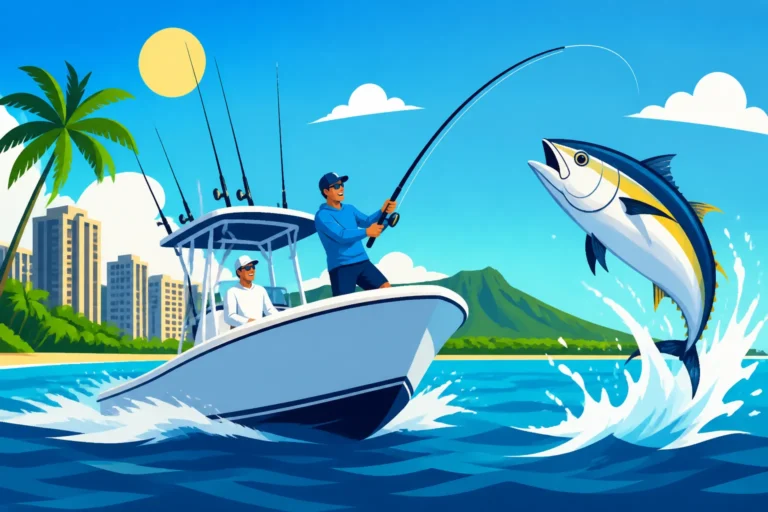
- Ahi (Yellowfin Tuna): These torpedo-shaped powerhouses are a favorite for their brute strength and delectable meat. Ahi can be found year-round in Hawaiian waters, but certain seasons see larger schools and bigger fish. They are typically targeted by trolling lures or chunking bait around FADs and schools of skipjack tuna. You can dive deeper into catching these magnificent fish with our guide to Ahi (Yellowfin Tuna) Fishing in Hawaii.
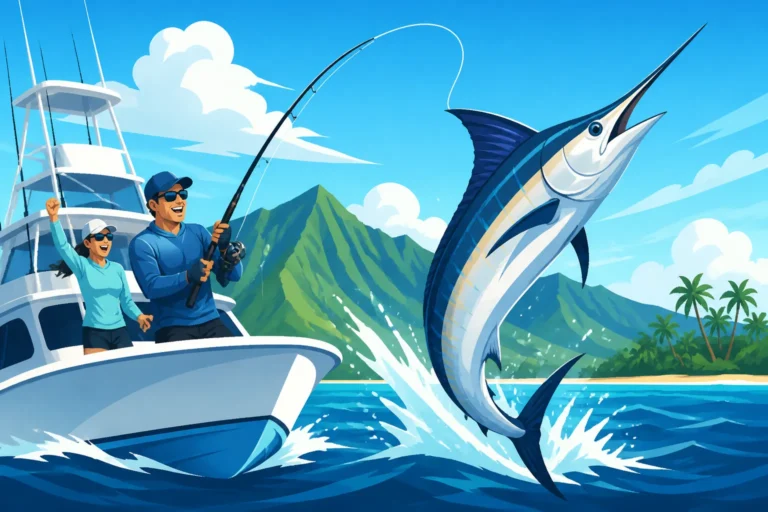
- Marlin (Blue, Striped, and Shortbill Spearfish): While Kona on the Big Island is world-renowned for its marlin fishing, Molokai also sees its share of these majestic billfish. Blue Marlin are the largest and most sought-after, known for their incredible acrobatics. Striped Marlin and the smaller Shortbill Spearfish are also present. Trolling large lures is the primary method for these powerful predators. Our Marlin Fishing off the Kona Coast guide provides excellent insights into billfish behavior that are also applicable to Molokai’s waters.
- Ono (Wahoo): "Ono" means "delicious" in Hawaiian, and this sleek, fast-moving fish certainly lives up to its name. Wahoo are prized for their speed, sharp teeth, and excellent white meat. They often run in schools and are typically caught by fast trolling with artificial lures or natural baits. Learn more about targeting them in Ono (Wahoo) Fishing in Hawaii.
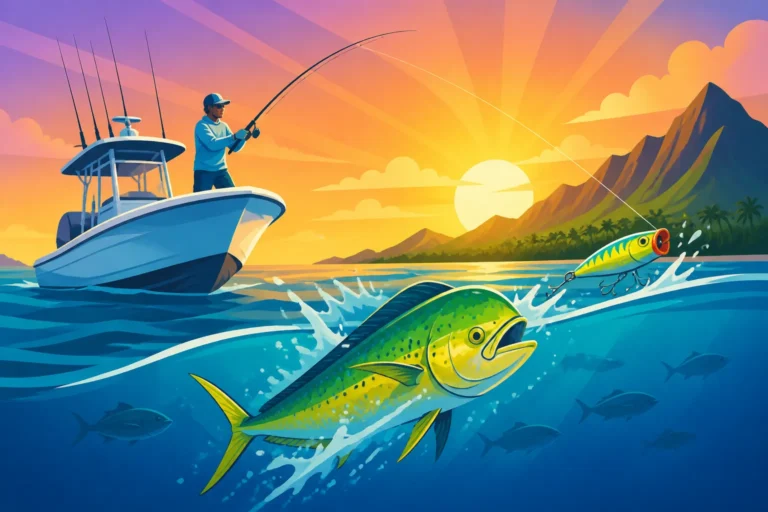
- Mahimahi (Dorado/Dolphin Fish): With their vibrant colors and acrobatic fights, Mahimahi are a blast to catch and are fantastic eating. They often congregate around floating debris or weed lines offshore. These fish are aggressive feeders and will readily strike trolled lures or pitched baits. Discover the thrill of catching them in Mahimahi Fishing in Hawaii.
Reef and Bottom Dweller Delights
Closer to Molokai's shores and around its extensive reef systems, a different but equally exciting array of fish awaits. These species offer incredible light tackle action and are often perfect for family-friendly trips or anglers looking to bring home some delicious local fish for dinner.
- Ulua (Giant Trevally) and Papio (Juvenile Trevally): The Ulua is one of Hawaii's most iconic and powerful inshore game fish. These hard-fighting jacks are known for their incredible strength and endurance. Their younger counterparts, Papio, are abundant in shallower waters and provide excellent sport on lighter tackle. Both can be caught by casting lures, whipping, or using live and cut baits. Explore the world of these powerful fish in our Ulua (Giant Trevally) Fishing in Hawaii guide.
- Bottomfish (Opakapaka, Onaga, Ehu): Molokai's deep ledges and underwater pinnacles are home to a variety of delicious bottomfish, collectively known as "opakapaka," "onaga," and "ehu." These deep-water snappers are highly prized for their delicate white meat. Bottomfishing charters will typically use electric reels and specialized rigs to target these species in depths ranging from hundreds to over a thousand feet. For more on these deep-water delicacies, check out Bottomfish Species of Hawaii.
- Goatfish (Kumu, Weke): Kumu and Weke are two types of goatfish commonly found on Hawaii's reefs. They are distinctive for their two barbels (whiskers) which they use to forage for food on the sandy bottoms near reefs. These fish offer good light tackle action and are excellent eating. They are often caught using small hooks with cut bait or shrimp.
Here’s a quick overview to help you decide which type of Molokai fishing charter might be the best fit for your adventure:
| Charter Type | Target Species | Typical Duration | Ideal Angler Type |
|---|---|---|---|
| Offshore Sportfishing | Ahi (Yellowfin Tuna), Marlin, Ono, Mahimahi | Full Day (8+ hrs) | Experienced anglers, thrill-seekers, groups |
| Nearshore Reef Fishing | Papio, Ulua, Kumu, Weke, various snappers | Half Day (4-6 hrs) | Families, beginners, light tackle enthusiasts |
| Deep Bottomfishing | Opakapaka, Onaga, Ehu, other deepwater snappers | Full Day (8+ hrs) | Patient anglers, those seeking premium table fish |
| Specialized/Shore Guided | Papio, Ulua, Bonefish (Oio) | Half Day (4-6 hrs) | Anglers seeking local insight, cultural experience |
Disclaimer
This article is for general informational purposes only and does not constitute professional advice. Laws, prices and regulations vary by location and change over time. Consult a qualified professional for guidance on your specific situation.