Best charters for drifting for mahimahi
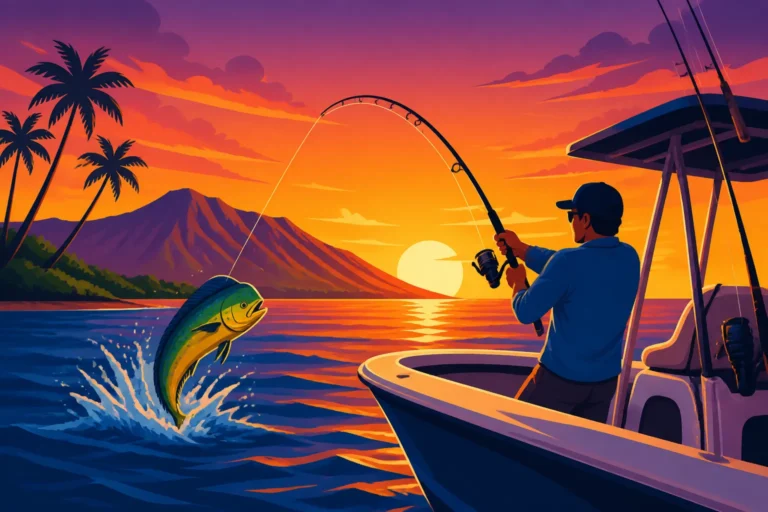
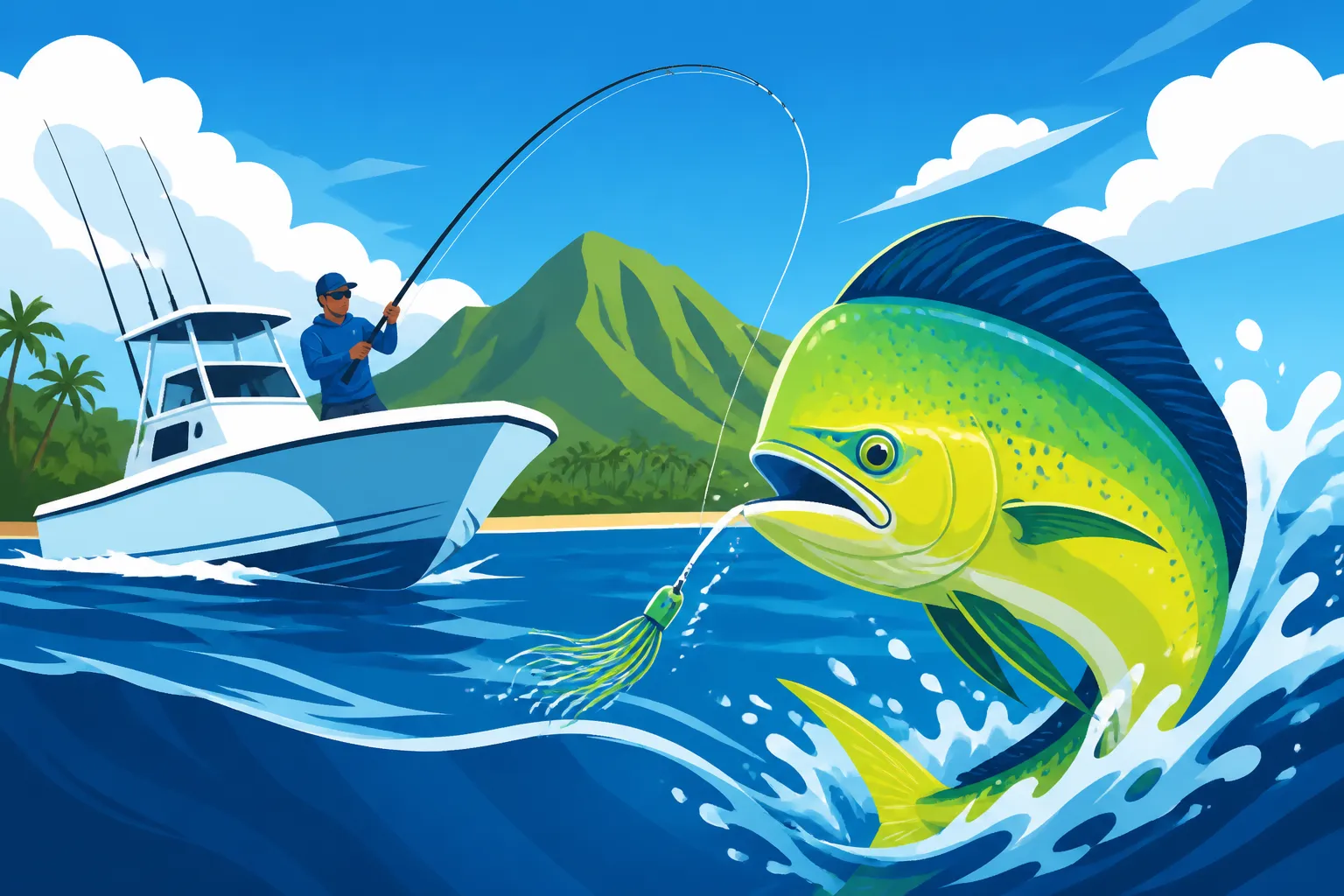
The shimmering, acrobatic dance of a mahimahi on the line is a dream for so many anglers visiting or living in Hawaii. But finding the right charter, one that specializes in the more nuanced and often incredibly effective technique of drifting for these vibrant fish, can feel like searching for a needle in a haystack of generic "offshore fishing" tours. This guide is here to cut through the noise and help you pinpoint the best charters in Hawaii for that truly special mahimahi drifting experience.
Why Drifting for Mahimahi is an Unforgettable Hawaii Experience
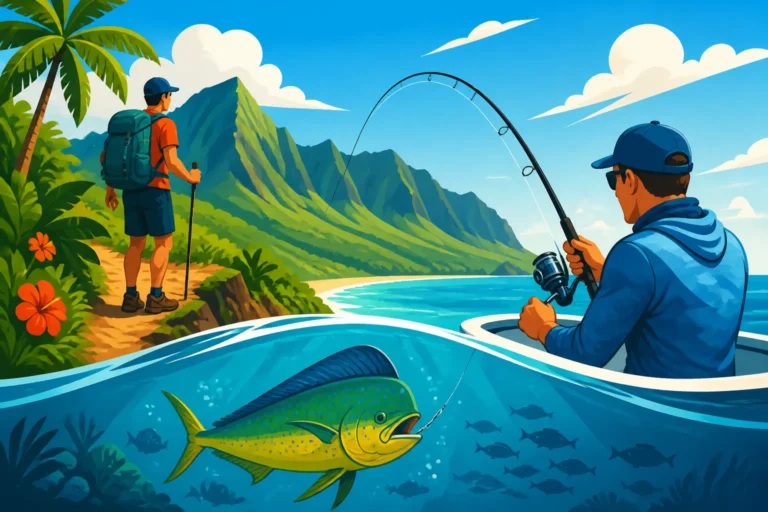
You've likely seen pictures or heard stories about mahimahi, also known as dolphin fish (though they're not related to mammals, thankfully!). Their electric blue, green, and yellow hues make them one of the most visually stunning fish in the ocean, and their speed and aerial acrobatics once hooked are truly exhilarating. While many charters focus on high-speed trolling, which is effective for covering ground and finding aggressive feeders, drifting offers a different, often more strategic, and incredibly rewarding approach.
Drifting allows your bait or lures to sink naturally through the water column, mimicking injured baitfish or unsuspecting prey. This can be particularly effective when mahimahi are deeper, shy, or scattered, rather than actively chasing trolled lures on the surface. It provides a more subtle presentation, letting the boat move with the currents and wind, covering a wider area vertically and horizontally without the constant noise and disturbance of engines at high speed. Imagine your line descending slowly past a floating debris field or a submerged FAD (Fish Aggregating Device), perfectly presenting a juicy live bait or an enticing jig to a mahimahi that might have ignored a fast-moving lure. It's a game of patience, finesse, and deep understanding of ocean currents and mahimahi behavior, and when it pays off, it's absolutely spectacular.
Essential Qualities of a Top Mahimahi Drifting Charter
When you're seeking out a charter specifically for drifting for mahimahi, you're looking beyond just a boat and a captain. You need a team and a setup that truly understands and embraces this particular method. It's about combining local knowledge with the right equipment and a willingness to work the water in a way that maximizes your chances for these incredible fish.
Captain's Expertise and Local Knowledge
The captain is the linchpin of any successful fishing trip, but for drifting, their expertise is paramount. They need an intimate understanding of ocean currents, wind patterns, and how these interact with submerged structures, temperature breaks, and baitfish aggregations. Mahimahi often congregate around floating debris, current lines, and FADs, and a seasoned captain knows how to position the boat to drift through these high-percentage zones repeatedly.
A captain who excels at drifting for mahimahi isn't just dropping lines; they're reading the water like an open book. They're looking for subtle signs: changes in water color, concentrations of birds, or patches of Sargassum weed. They know when to adjust the drift, how to use a sea anchor effectively, and where the mahimahi are likely to be holding based on recent reports and their own extensive experience. It’s not just about getting offshore; it’s about knowing where to drift and how to present the bait to get the bite. When interviewing potential charters, don't be shy about asking specific questions about their experience with drifting for How to Catch Mahimahi in Hawaii.
Boat and Gear Tailored for Drifting
While many offshore boats can technically drift, some are simply better suited for it. You'll want a vessel that offers stability, even when the engines are off or at idle. Good deck space is a plus, allowing multiple anglers to work lines without getting tangled. Beyond the boat itself, the gear is critical.
Look for charters that emphasize lighter, more sensitive tackle than what you might use for heavy marlin trolling. Drifting for mahimahi often involves smaller baits or jigs, and a more responsive rod and reel combo allows you to detect subtle bites and enjoy the fight to its fullest. Live bait is often king for drifting, so charters with robust live bait wells capable of keeping a good supply of opelu or akule frisky are a huge advantage. They should also have a variety of terminal tackle, from fluorocarbon leaders to circle hooks, suitable for delicate presentations. If they talk about "light tackle" or "live baiting" for mahimahi, you're probably on the right track.
Crew's Engagement and Instructional Approach
A fantastic crew can make all the difference, especially if you're new to drifting techniques. The best charters for drifting mahimahi will have deckhands who are not only skilled but also enthusiastic about teaching and assisting. They'll help you rig baits, explain how to work a jig, identify a subtle take, and guide you through the fight. They should be patient, helpful, and genuinely invested in your success.
When the bite is on, a well-coordinated crew is invaluable. They'll manage multiple lines, gaff fish efficiently, and keep the deck clear and safe. This collaborative environment ensures that everyone on board, from seasoned anglers to first-timers, has an enjoyable and productive experience. Don't hesitate to ask about the crew's typical role and how much instruction they provide; it speaks volumes about the charter's dedication to the overall experience.
Prime Hawaii Locations for Mahimahi Drifting Charters
While mahimahi can be found throughout Hawaii's waters, certain areas and islands offer particularly favorable conditions and consistent opportunities for drifting, thanks to unique oceanographic features. These spots often combine deep water access, prevailing currents, and concentrations of baitfish or FADs that draw in the vibrant dorado.
Kona Coast, Big Island
The Kona Coast on the Big Island is world-renowned for its calm, deep, leeward waters, making it an absolute hotspot for pelagic species, including mahimahi. The island's steep volcanic slopes drop off quickly into abyssal depths, often just a mile or two from shore. This means less travel time to reach prime fishing grounds where deep-sea species roam.
For drifting, Kona is exceptional due to the consistent presence of FADs (Fish Aggregating Devices) and natural current lines that form along the coast. These FADs act like magnets for baitfish, which in turn attract mahimahi. A good Kona captain specializing in drifting will know how to work the currents around these FADs, presenting baits to mahimahi holding beneath the structure or cruising nearby. The relatively calm seas on Kona's leeward side are also a major plus, making long drifts comfortable and enjoyable, even for those prone to seasickness. Many of the Best Marlin Fishing Charters off the Kona Coast also happen to be excellent mahimahi charters, as they understand the broader pelagic ecosystem.
Maui's Leeward Coasts
Maui's leeward coasts, particularly out of harbors like Ma'alaea and Lahaina, also offer fantastic opportunities for mahimahi drifting. The channels between Maui, Lanai, and Kaho'olawe create complex current patterns that concentrate baitfish and debris, forming prime hunting grounds for mahimahi. These areas can sometimes offer slightly choppier conditions than Kona, but the rewards are often worth it.
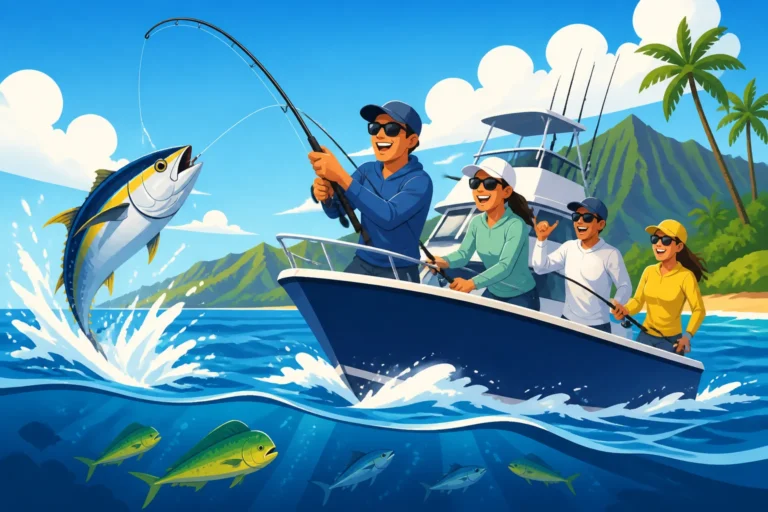
Charters operating from Maui's west side know these channels intimately. They'll often focus their drifting efforts around visible debris, current seams, or near the many FADs deployed in these waters. The varied bottom topography, with underwater ridges and shelves, also plays a role in influencing currents and attracting bait, providing excellent structure for drifting. It's not uncommon to encounter other pelagics like ono and small tuna while drifting for mahimahi here.
Oahu's Offshore Waters
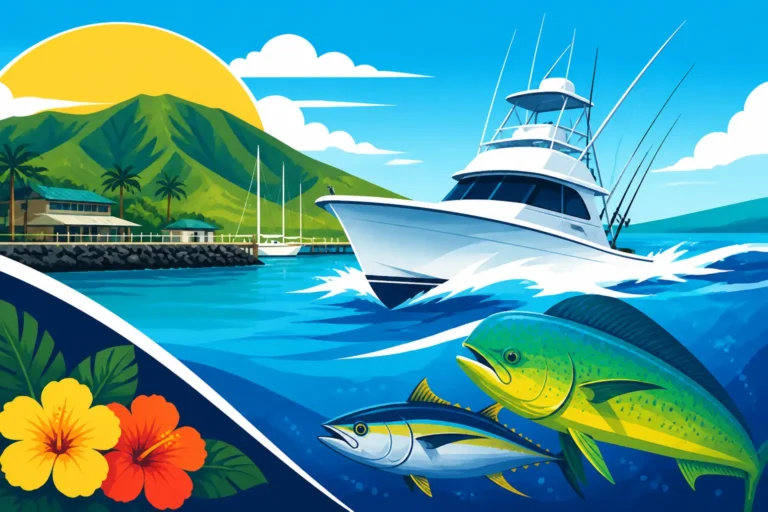
Oahu, being the most populated island, also has a vibrant charter fleet that targets mahimahi. Charters departing from Honolulu, Kewalo Basin, or the Waianae Coast can access productive offshore waters relatively quickly. The waters off Oahu's Waianae Coast are particularly known for their deep-water access and a good network of FADs.
Similar to Kona and Maui, Oahu's charters for drifting mahimahi will focus on current lines, floating debris, and the many FADs strategically placed around the island. The advantage of Oahu is the sheer number of experienced captains and vessels, offering a wider range of options. If you're staying in Waikiki or Honolulu, charters are easily accessible, making a day trip for mahimahi drifting a convenient reality. Understanding Hawaii Fishing Seasons by Month can also help you determine the best times to target mahimahi specifically off Oahu.
Booking Your Ideal Mahimahi Drifting Charter
Finding and booking the perfect mahimahi drifting charter doesn't have to be a guessing game. With a little research and knowing what questions to ask, you can ensure your Hawaiian fishing adventure is exactly what you envision.
Research and Reviews: Digging for Details
Start by doing your homework. Look beyond generic "deep sea fishing" charters and specifically search for captains or boats that mention "drifting," "live bait," or "light tackle mahimahi." Online reviews are a treasure trove of information, but pay attention to what people are saying. Are they raving about a captain's ability to find fish when others couldn't? Do they mention the crew's patient instruction? Did they catch mahimahi using methods other than just trolling? These specific details can point you towards a charter that understands your intent.
Platforms like FishingBooker are incredibly useful for this research phase. You can often filter by location, boat type, and even read detailed descriptions of fishing techniques offered by different captains. Don't just scan the star ratings; dive into the actual comments to see if past clients had an experience similar to what you're seeking.
What to Discuss Before Booking
Once you've narrowed down your options, pick up the phone or send an email to the captain directly. This personal interaction is invaluable. Here are some key questions to ask:
- "What are your preferred methods for targeting mahimahi, and do you frequently drift for them?" This gets straight to the heart of your request.
- "What kind of bait do you typically use for drifting mahimahi?" If they say live bait, that's a good sign.
- "What's your approach if the mahimahi aren't biting on the drift?" A good captain will have contingency plans and be flexible.
- "How do you handle the catch? Is it kept, shared, or catch-and-release?" Clarify expectations regarding fish ownership and filleting services.
- "What tackle do you provide, and is it suitable for lighter drifting presentations?"
A captain who is enthusiastic and knowledgeable about drifting for mahimahi will be happy to discuss these details with you. This conversation helps set expectations for both sides and ensures you're booking a charter that aligns with your fishing goals. You'll also want to inquire about things like Hawaii Fishing Charter Cost Guide and What to Expect on a Hawaii Fishing Charter to be fully prepared.
Booking Platforms and Tips
Online booking platforms like FishingBooker streamline the process of finding and securing your charter. They often provide comprehensive profiles for each captain, including photos of their boats, a list of target species, and the specific techniques they specialize in. This makes it much easier to compare options side-by-side.
When using such platforms, always read the entire boat description and the captain's bio. Some captains explicitly mention their preference for drifting or live baiting in their profiles. If it's not explicitly stated, use the platform's messaging system to ask the captain directly before committing. Be clear about your interest in drifting for mahimahi. Confirm what's included in the price – tackle, bait, snacks, drinks – and what you might need to bring yourself. And remember, for certain species, there might be Hawaii Pelagic Species Bag Limits or other regulations, so it's always good to be aware. Booking in advance, especially during peak season, is always a wise move to ensure you get the charter and date you want.
| Charter Quality Factor | What to Look For (for Drifting Mahimahi) | Why It Matters |
|---|---|---|
| Captain's Experience | Explicit mentions of drifting, live baiting, or light tackle for mahimahi; knowledge of local FADs, currents, and debris fields. | Drifting requires specific knowledge of hydrodynamics and mahimahi behavior to be effective. |
| Boat Features | Stable platform, ample deck space, well-maintained live bait wells (if using live bait), comfortable ride during slow drifts. | Stability and space are key for managing lines during a drift; live bait is often superior for mahimahi. |
| Provided Gear | Lighter to medium-heavy rods and reels; fluorocarbon leaders; a variety of hooks and jigs suitable for mahimahi. | Sensitive gear helps detect subtle bites; correct tackle ensures better presentation and fighting experience. |
| Crew Interaction | Enthusiastic, knowledgeable, and patient crew willing to teach drifting techniques and assist with rigging. | A good crew enhances the experience, helps with challenges, and ensures safety and fun for all. |
| Communication | Captain is responsive to questions about specific techniques; transparent about fishing methods and catch policy. | Ensures your expectations align with the charter's offerings, leading to a more satisfying trip. |
Ultimately, whether you're chasing the thrill of a grander marlin or the vibrant dance of a mahimahi on the drift, Hawaii's waters offer incredible opportunities. By focusing your search on charters that genuinely understand and excel at drifting for mahimahi, you're setting yourself up for an unforgettable and often incredibly productive day on the water.
Disclaimer
This article is for general informational purposes only and does not constitute professional advice. Laws, prices and regulations vary by location and change over time. Consult a qualified professional for guidance on your specific situation.