Best Shared Fishing Charters in Hawaii
The dream of casting a line into Hawaii's pristine blue waters often bumps right up against the reality of charter boat prices. Many aspiring anglers find themselves wishing for that incredible offshore experience without having to book an entire boat, especially if they're traveling solo or as a small group. This comprehensive guide is here to shed light on shared fishing charters, a fantastic and often more affordable way to get out on the water, providing you with everything you need to know to make your Hawaiian fishing adventure a reality.
What Exactly Are Shared Fishing Charters?
When you imagine a deep-sea fishing trip, you might picture a private boat exclusively for your group. While that's certainly an option, it comes with a significant price tag. Shared fishing charters, also known as "join-in" or "walk-on" charters, offer a brilliant alternative. Instead of reserving the entire vessel, you book a spot for yourself or a small party on a boat that will accommodate other individual anglers or small groups, filling up the remaining spots until the boat reaches its capacity.
The essence of a shared charter is the pooling of resources. Think of it like a carpool for fishing; everyone pays a portion of the boat's operating cost, making the overall experience far more accessible. This model is incredibly popular in prime fishing destinations like Kona, Maui, and Oahu, where the demand for offshore adventures is high but not everyone can justify the expense of a private trip. It allows more people to experience the thrill of chasing pelagic species without breaking the bank.
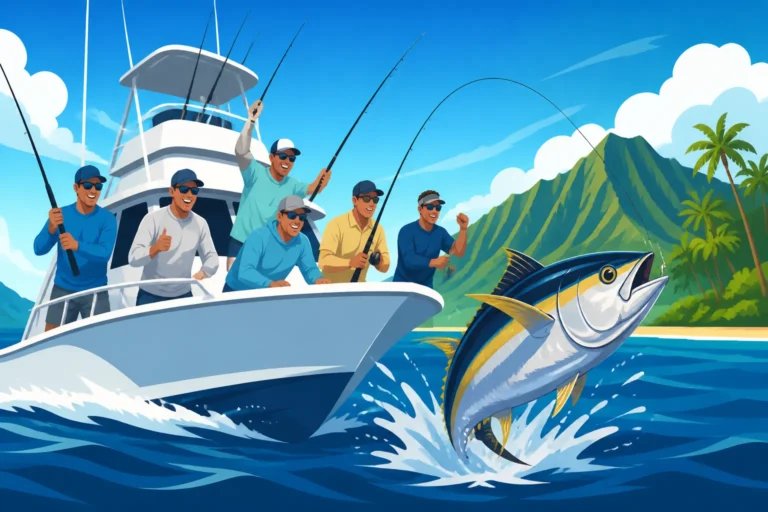
This approach means you'll be fishing alongside fellow enthusiasts, often strangers at first, but quickly united by the common goal of landing a great catch. It's a fantastic way to meet new people who share your passion for the ocean and fishing, and often leads to some memorable stories and new friendships. The camaraderie on a shared boat can be just as rewarding as the fishing itself, especially when everyone is cheering on a hook-up.
The Big Benefits of Going Shared on a Hawaii Charter
Choosing a shared fishing charter in Hawaii offers a multitude of advantages, making it an attractive option for many different types of anglers. From financial relief to unexpected social connections, these charters provide a unique and rewarding experience.
Cost-Effectiveness: Your Wallet Will Thank You
Let's be real: Hawaii isn't the cheapest place to visit, and private fishing charters can easily become one of the most expensive activities on your itinerary. A full-day private charter, especially for offshore big game fishing, can be a significant investment. Shared charters drastically reduce this financial burden by splitting the cost among all passengers. This means you can still experience the thrill of deep-sea fishing, often in the same fantastic waters and with the same experienced captains, for a fraction of what a private trip would cost. It really opens up the opportunity for more people to get out on the water.
Imagine you're dreaming of landing a majestic marlin off the Kona Coast or battling a feisty ahi, but the private charter rates feel out of reach. A shared charter allows you to participate in these exact same endeavors, often on very similar boats, without having to foot the entire bill. This financial accessibility makes shared charters particularly appealing to solo travelers, couples, or small families who might otherwise have to skip the fishing experience altogether. It democratizes access to some of the world's best fishing. For a general overview of expenses, you might want to read our guide on Hawaii Fishing Charter Cost Guide.
Social Connections: Beyond the Fishing
One of the often-overlooked joys of a shared charter is the social aspect. You'll be spending several hours on a boat with a diverse group of people, all united by their love for fishing. This can lead to some incredible interactions. You might find yourself swapping fishing stories with a seasoned angler from another state, learning new techniques from a local Hawaiian fisherman, or even making new friends to keep in touch with after the trip. It's a chance to build community and share an experience that goes beyond just the act of catching fish.
For many, the banter and shared excitement of a hook-up among strangers add an extra layer of enjoyment to the day. When someone yells "Fish on!" and the entire boat springs into action, assisting and cheering, there's a palpable sense of camaraderie that can be truly special. You're not just fishing; you're part of a temporary crew, working together and celebrating each other's successes. This shared adventure creates bonds and memories that are distinct from those made on a private trip.
Access to Top Boats and Captains
Just because you're on a shared charter doesn't mean you're sacrificing quality. Many highly reputable boats and experienced captains in Hawaii offer shared trips. These are often the same vessels that run private charters on other days. This means you still benefit from their extensive local knowledge, top-of-the-line gear, and dedication to finding fish. Captains running shared trips know how to manage a diverse group of anglers, ensuring everyone has a fair chance at the action and a great time.
These captains and crews are professionals who understand the waters, the fish patterns, and how to operate a safe and productive trip. They'll provide instruction, help with rigging, and expertly guide the boat to the best fishing grounds. You're getting the same high level of expertise and equipment that you'd find on a private charter, but with the added social dynamic and reduced cost. It’s an ideal way to experience the best that Hawaii's charter fleet has to offer without needing to fill a boat yourself.
Potential Downsides to Consider
While shared fishing charters offer many advantages, it's also important to go into the experience with open eyes and a clear understanding of potential drawbacks. Knowing these ahead of time can help manage expectations and ensure you still have a fantastic time.
Group Dynamics: The Unknown Factor
When you're sharing a boat with strangers, you're inherently introducing an element of unpredictability regarding group dynamics. You might end up with a boat full of laid-back, friendly folks, or you could encounter personalities that clash. This could range from someone who's a little too vocal, someone who has different ideas about fishing etiquette, or even just people who prefer silence to conversation. While most anglers are respectful and simply there to enjoy the experience, there's always a chance that the mix of personalities might not be perfectly harmonious.
Unlike a private charter where you control the guest list, on a shared trip, you simply show up and see who else has booked. It's a bit like a lottery. However, the vast majority of shared charter experiences are positive, and the shared passion for fishing often smooths over any potential friction. Just be prepared to be flexible, patient, and to engage positively with your fellow anglers.
Limited Flexibility in Target Species or Locations
On a private charter, you typically have the freedom to discuss with your captain what species you'd like to target or what specific areas you'd like to fish, within reason. On a shared charter, this flexibility is often limited. The captain will usually have a predetermined plan for the day, based on current conditions, recent catch reports, and what species are most active. This plan is designed to give the best possible chance for everyone on board to catch fish.
This means if your heart is set on only catching Hawaii marlin bag limit rules or solely bottomfishing for opakapaka, a shared trip might not cater exclusively to that specific desire. The captain's goal is to satisfy the group as a whole, which might involve a mix of trolling for pelagics and perhaps some bottom fishing, depending on the day. Before booking, it's always a good idea to inquire about the typical fishing plan for shared trips to ensure it aligns with your general expectations. Our guide on What to Expect on a Hawaii Fishing Charter gives a good overview of typical charter activities.
Uneven Angling Experience and Attention
On a shared boat, you'll likely have a mix of experienced anglers and complete novices. This can sometimes lead to varying levels of attention from the crew. While the crew is there to assist everyone, they might naturally spend more time helping those who are new to fishing or need more guidance with techniques, baiting, or reeling in a fish. If you're a seasoned angler, you might find yourself waiting a bit longer for assistance, or feeling that the pace is slower than you'd prefer.
Conversely, if you're a beginner, don't be shy about asking for help! The crew is there to ensure everyone has a positive experience. However, understand that their attention is divided among all passengers. It’s a balance, and most crews are adept at managing different skill levels. It simply requires a little more patience and understanding from everyone on board.
What Kind of Fishing to Expect on a Shared Charter
Hawaii's waters are teeming with diverse marine life, and shared charters aim to give you a taste of the best the islands have to offer. While specific targets can vary by boat and season, there are common fishing styles and species you can generally anticipate.
Offshore Pelagic Pursuits
Many shared charters in Hawaii focus on offshore pelagic fishing, which means targeting large, open-ocean species. This is often what draws people to deep sea fishing in the first place! You can expect to spend a good portion of the day trolling lures or live bait in deeper waters, sometimes several miles offshore. The main targets here are the big, fast swimmers that Hawaii is famous for.
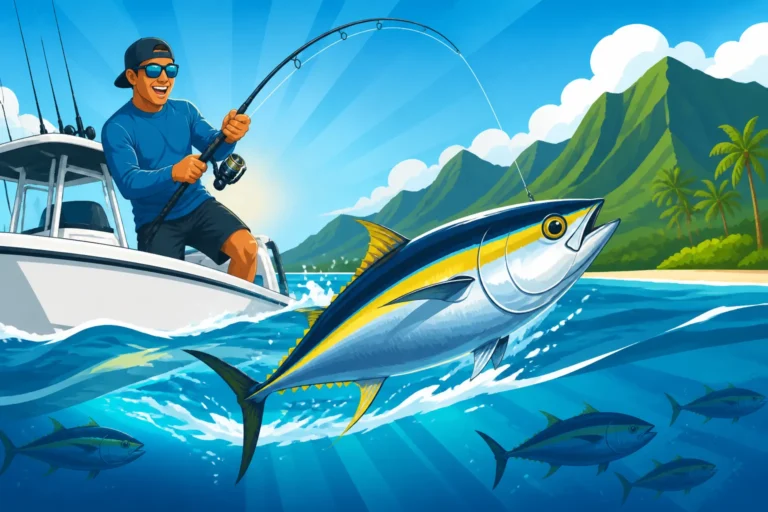
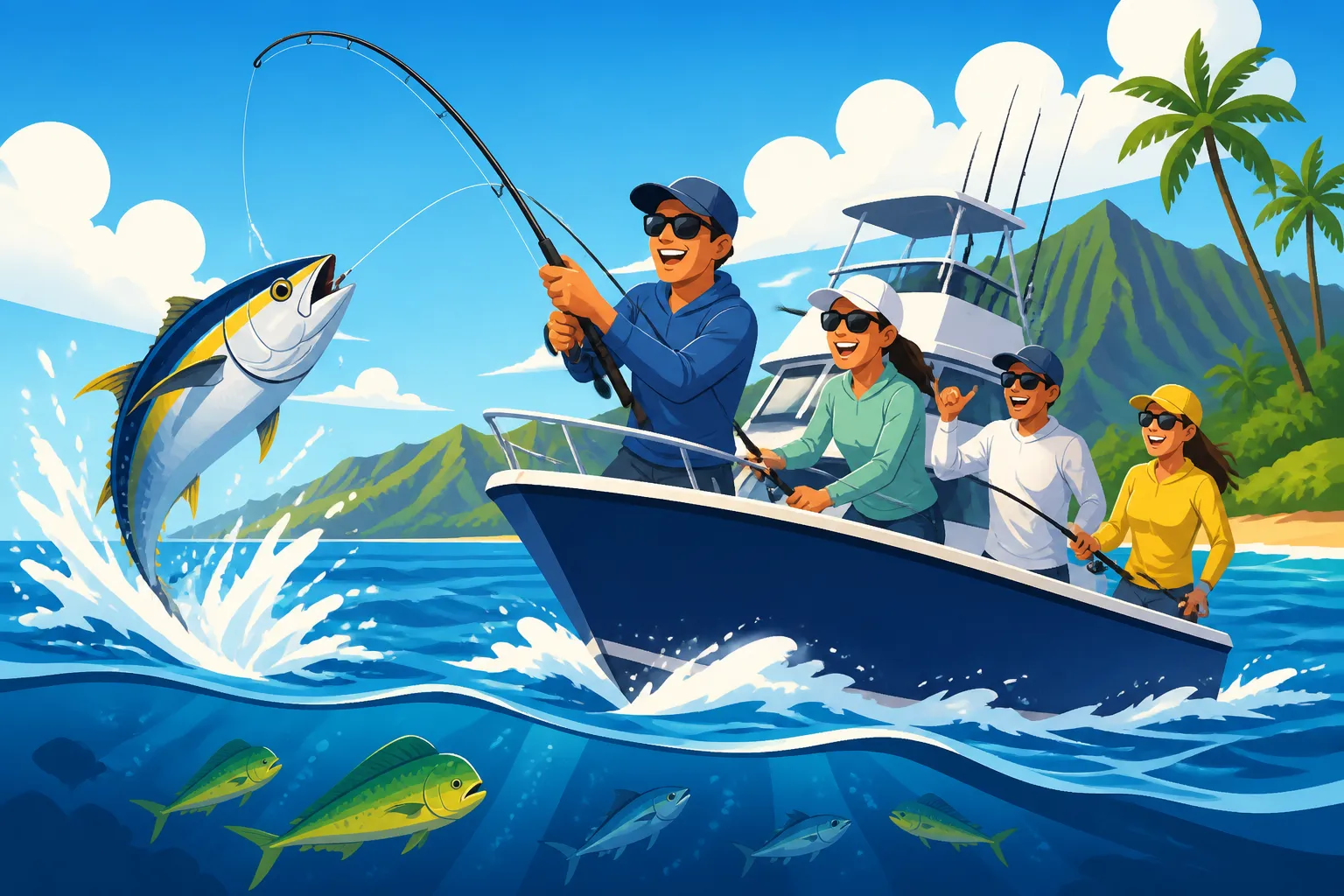
These include species like the mighty marlin (Blue, Striped, and Shortbill Spearfish), powerful ahi (yellowfin tuna), lightning-fast ono (wahoo), and colorful mahimahi (dolphin fish). Captains will often choose their trolling patterns and lure selections based on recent activity, water temperature breaks, and currents. The excitement of a reel screaming as one of these magnificent fish hits a trolled lure is an unforgettable experience. Even on a shared trip, everyone gets a turn in the fighting chair, and the entire boat rallies to help land the catch. If you're particularly interested in tuna, our guide on Ahi (Yellowfin Tuna) Fishing in Hawaii offers more insights.
Bottomfishing Opportunities
While pelagic species often steal the spotlight, some shared charters, or at least portions of them, might also delve into bottomfishing. This technique involves dropping weighted lines down to the ocean floor to target reef and deep-water bottom dwellers. This can be a more relaxed style of fishing, especially if the seas are calm, and offers a different kind of thrill.
Common bottomfish species in Hawaii include various snappers like opakapaka (pink snapper) and onaga (ruby snapper), as well as different types of jacks and groupers. These fish are not only fun to catch but are also highly prized for their delicious table fare. If you're lucky, you might even pull up some unique Hawaiian reef fish. Always check with your chosen charter if bottomfishing is typically part of their shared trip itinerary, as some boats specialize purely in trolling. For more about this, check out Bottomfishing in Hawaii.
The Thrill of the Catch and Distribution
Regardless of the target species, the core expectation is the thrill of the catch. When a fish is hooked, the crew will typically rotate anglers through the fighting chair (if available) or assign turns for reeling in, ensuring everyone gets a fair shot at the action. This cooperative spirit is a hallmark of shared charters.
As for what happens to the catch, policies vary. Some charters practice catch and release for certain species, especially larger marlin, or if the fish is destined for the charter's commercial sale. For others, especially delicious table fish like mahimahi or ahi, the catch is often divided among the passengers, or at least a portion is offered to each group. It’s essential to clarify the boat's policy on catch distribution before you book. Some boats might keep all the fish to cover costs, while others will gladly fillet a portion for you to take home.
How to Find and Book the Best Shared Charters
Finding the right shared fishing charter in Hawaii doesn't have to be a daunting task. With a little research and knowing what questions to ask, you can secure a spot on a reputable boat that promises a great experience.
Utilizing Online Booking Platforms and Local Knowledge
The easiest and most common way to find shared charters is through online booking platforms. Websites that specialize in connecting anglers with charter boats are incredibly helpful because they often allow you to filter by location, date, boat type, and importantly, whether they offer "join-in" or "shared" trips. Many anglers find great success using online booking platforms like FishingBooker, which provides detailed listings, reviews from previous customers, and often real-time availability. These platforms also streamline the booking process, making it simple to compare options.
However, don't underestimate the power of local knowledge. Once you've arrived in Hawaii, talking to people at local marinas, bait shops, or even your hotel concierge can sometimes uncover smaller, reputable operations that might not have a strong online presence. For example, if you're in Kona, a stroll around Honokohau Harbor might reveal captains advertising shared trips directly. Always cross-reference any recommendations with online reviews if possible to ensure reliability.
Key Questions to Ask Before Booking
Before you commit to a shared charter, having a few key questions ready can save you a lot of hassle and ensure you have realistic expectations. Don't be shy; a good charter operator will be happy to answer your queries.
- What species are you typically targeting right now? This helps align your expectations with the current fishing conditions.
- How many anglers will be on board? Knowing the maximum capacity gives you an idea of how crowded the boat might feel and how much personal space you'll have.
- What is your policy on catch distribution? Will the fish be kept by the boat, divided among passengers, or is it catch and release?
- What's included in the price? Does it cover bait, tackle, licenses, and drinks? Are gratuities expected? (Our article Tipping Etiquette for Hawaii Fishing Charters can provide guidance here).
- What should I bring? Sunscreen, hat, snacks, drinks, and appropriate clothing are usually recommended, but confirm any specifics.
- What is your cancellation policy, especially for weather? Hawaii weather can be unpredictable, so understand what happens if the trip gets called off. What happens if weather cancels a Hawaii charter is a good resource.
- Do I need my own fishing license for a Hawaii Charter? The answer is often no for ocean charters, as the boat typically operates under a commercial license, but it's always good to confirm.
Red Flags to Watch For
While most charter operators are professional, it's wise to be aware of potential red flags. Be wary of charters with significantly lower prices than others in the area, as this could indicate hidden costs, less experienced crews, or poorly maintained equipment. A lack of recent reviews or consistently negative feedback is another major warning sign. Always look for clear communication from the captain or booking agent. If they are evasive with answers or pushy about booking, consider looking elsewhere. A good charter wants you to be informed and comfortable with your choice.
Maximizing Your Shared Charter Experience
Once you've booked your shared fishing charter in Hawaii, a little preparation and mindful behavior on board can go a long way in ensuring you, and everyone else, has an amazing day on the water.
Essential Gear and Preparation
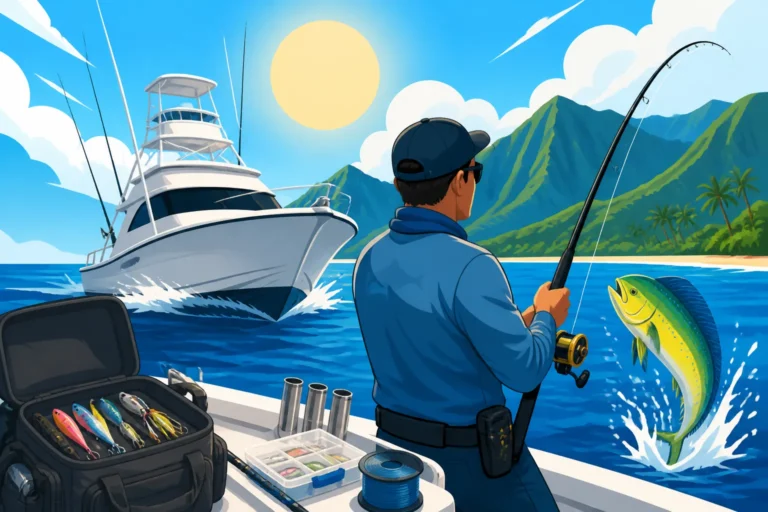
You don't need to bring your own rod and reel – most shared charters provide all the necessary fishing gear, including quality rods, reels, lines, and bait. However, there are a few personal items that will make your trip much more comfortable and enjoyable. First and foremost, protect yourself from the powerful Hawaiian sun. Bring a wide-brimmed hat, polarized sunglasses, and plenty of reef-safe sunscreen. Lightweight, long-sleeved shirts can also provide excellent sun protection.
Hydration is key, so bring your own reusable water bottle, even if the boat provides some drinks. Snacks are also a good idea, as fishing can be hungry work! If you're prone to seasickness, take preventative medication well before the boat departs, typically an hour or so beforehand. It's much easier to prevent seasickness than to try and cure it once it sets in. A small, soft-sided cooler for your personal items can also be handy. For a more comprehensive list, check out What to Bring on a Hawaii Fishing Charter.
Onboard Etiquette for a Smooth Trip
Shared charters require a certain level of consideration for your fellow anglers and the crew. Good etiquette ensures everyone has a positive experience. Here are a few tips:
- Respect the Crew: They are there to work hard to put you on fish and ensure your safety. Listen to their instructions and be polite. A simple "please" and "thank you" go a long way.
- Be Mindful of Space: Boats, especially shared ones, can feel a bit crowded. Be aware of your surroundings, keep your gear stowed, and avoid sprawling out unnecessarily.
- Share the Action: When a fish is hooked, follow the crew's lead on who gets to reel it in. There's usually a rotation system to ensure everyone gets a fair turn. Cheer on your fellow anglers when it's their turn!
- Keep Your Area Clean: Dispose of any trash properly in designated bins. Nobody wants to fish on a messy boat.
- Hydrate and Stay Safe: Drink plenty of water and let the crew know if you're not feeling well. Don't consume excessive alcohol, especially when far offshore.
- Tipping: While not mandatory, it's customary to tip the captain and crew for their hard work and good service. A common guideline is a percentage of the charter fee, usually paid directly to the deckhand at the end of the trip.
By following these guidelines, you'll contribute to a positive atmosphere on board, making your shared charter not just a successful fishing trip, but a genuinely enjoyable social experience for everyone involved. So go ahead, cast your worries aside, and embrace the camaraderie and adventure that a shared fishing charter in Hawaii offers!
| Feature | Shared Fishing Charter | Private Fishing Charter |
|---|---|---|
| Cost | Lower per person, split among guests | Higher, single fee for the entire boat |
| Group Size | Book individual spots, boat filled by others | Exclusive use of the boat for your group |
| Flexibility | Less flexible on target species/locations | High flexibility (within reason) |
| Social Aspect | Opportunity to meet new people | Intimate experience with your chosen companions |
| Crew Attention | Divided among all passengers | Dedicated to your group |
| Best For | Solo travelers, couples, small groups, budget-conscious anglers, social anglers | Larger groups, special occasions, specific fishing goals, privacy |
Disclaimer
This article is for general informational purposes only and does not constitute professional advice. Laws, prices and regulations vary by location and change over time. Consult a qualified professional for guidance on your specific situation.