Best light tackle charters for schoolie ahi
There's nothing quite like the thrill of a hard-fighting tuna, but for many anglers, wrestling a massive ahi on heavy gear feels less like a sport and more like a gym workout. If you're someone who yearns for the challenge of a nimble fight, the satisfying bend of a lighter rod, and the chance to truly feel every head shake from a feisty yellowfin, then targeting schoolie ahi with light tackle is your sweet spot. This guide is all about helping you navigate the waters of Hawaii's charter scene to find those hidden gems that specialize in this exhilarating, often overlooked, style of fishing.
Why Light Tackle for Schoolie Ahi is Such a Thrill
Let's be real, going after a grander marlin or a massive tuna on gear that could pull a truck is an experience in itself, but it's a completely different animal when you scale down. The pure sport of angling really shines when you match your gear to the size of your quarry, allowing the fish to truly test your skills and the equipment's limits.
The Unique Challenge and Reward
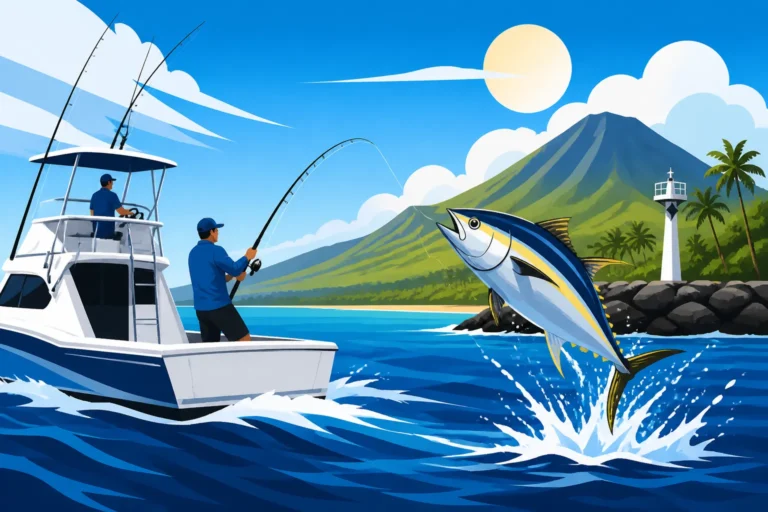
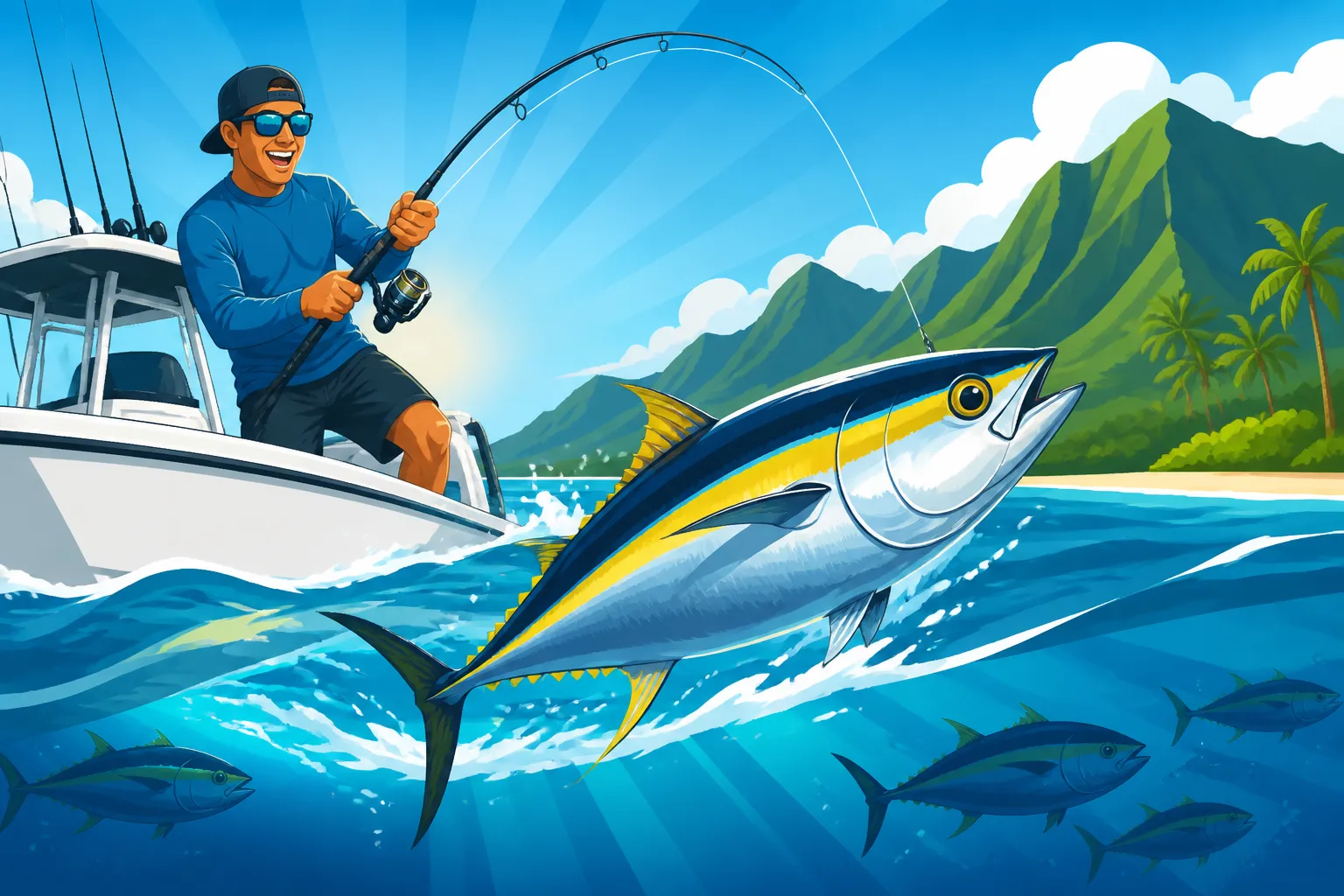
Imagine this: a torpedo of muscle, around 30 to 50 pounds, takes your carefully presented lure or bait. On heavy gear, it might be a quick tug-of-war, over in minutes. But on light tackle, that same schoolie ahi transforms into an acrobatic powerhouse. Every run is a scream from your reel, every head shake sends vibrations through your rod, and every inch gained feels like a hard-won battle. You're not just cranking; you're actively engaging with the fish, anticipating its moves, adjusting your drag with precision, and using the boat's movement to your advantage. It’s a dance, not a brute force pull.
This isn't about landing the biggest fish on the dock, though a fresh ahi is always a welcome sight. It's about the pure, unadulterated fight. It's about the satisfaction of outsmarting a strong opponent with finesse and skill rather than overwhelming power. When you finally bring that shimmering yellowfin alongside the boat, exhausted but victorious, the sense of accomplishment is immeasurable. It teaches you patience, improves your technique, and deepens your appreciation for the capabilities of both fish and angler.
Understanding "Schoolie Ahi" in Hawaii
When we talk about "schoolie ahi" here in Hawaii, we're generally referring to the younger, smaller yellowfin tuna, typically ranging anywhere from about 10 to 60 pounds. These aren't the monster "grander" ahi that make the headlines, but they are incredibly abundant in Hawaiian waters and offer some of the most consistent, action-packed fishing opportunities. Unlike their larger, more solitary counterparts, schoolie ahi live up to their name – they travel in large groups, often feeding ferociously on baitfish near the surface or around FADs (Fish Aggregating Devices).
Their schooling behavior means that once you find them, you can often experience multiple hook-ups, creating a frantic and exciting bite. They're accessible to a wider range of anglers and offer a fantastic introduction to pelagic fishing without the sheer physical demand of an 80-pound outfit. While they may not set any world records, they are fantastic eating fish, and their spirited fight on light gear is unforgettable. Understanding their habits, where they tend to congregate, and what they're feeding on is crucial for a successful light tackle trip, which is where a knowledgeable captain really shines. You can learn more about these incredible fish in our Ahi (Yellowfin Tuna) Fishing in Hawaii guide.
What to Look for in a Light Tackle Ahi Charter
Finding a charter that truly understands and embraces light tackle for schoolie ahi can sometimes feel like searching for a needle in a haystack. Many boats are geared for the bigger game, but with a bit of research, you can find the perfect fit.
Specialized Gear and Techniques
The first and most critical aspect of a good light tackle ahi charter is, naturally, the gear itself. You're looking for a boat equipped with rods and reels that are specifically designed for lighter line classes, typically 20-pound to 40-pound test. This often means spinning setups or smaller conventional reels, paired with sensitive, yet powerful, graphite rods that can handle the violent runs of an ahi while still providing that satisfying bend. Pay attention to the line – a good charter will use fresh, high-quality braided mainlines with appropriate fluorocarbon leaders to maximize stealth and abrasion resistance.
Beyond the tackle, the captain and crew's techniques are paramount. For schoolie ahi on light tackle, this often involves:
- Smaller Lures and Poppers: Instead of huge marlin lures, they might use smaller jet heads, bullet lures, or topwater poppers that imitate baitfish.
- Jigging: Vertical jigging with metal jigs is incredibly effective for ahi, especially when they're holding deeper around FADs or bait schools. The right charter will have a range of jig weights and colors.
- Chunking/Live Bait: When the fish are finicky, chunking (cutting bait into pieces and tossing it overboard to create a feeding frenzy) or deploying live bait can be incredibly productive.
- Trolling: While not always "light" tackle in the traditional sense, smaller trolling spreads with appropriate lures can locate schools quickly. You might find our guide on Trolling Techniques for Hawaii Pelagics helpful for general understanding.
An experienced captain won't just hand you a rod; they'll guide you through the techniques, teach you how to fight a fish effectively on lighter line, and ensure your setup is perfectly tuned for the conditions.
Captains Who Know the Schoolie Ahi Hotspots
A great charter captain is like a detective, always reading the clues the ocean provides. For schoolie ahi, this means knowing where and when to find them. Look for charters whose captains have a deep understanding of:
- FADs (Fish Aggregating Devices) and Buoys: These anchored devices are magnets for baitfish, which in turn attract hungry ahi. Knowing which FADs are currently holding fish, or if a particular buoy is producing, is invaluable.
- Current Lines and Temperature Breaks: Subtle changes in water temperature or strong current lines often concentrate bait and pelagic predators like ahi.
- Reading the Birds: Diving seabirds, especially terns and boobies, are often the most reliable indicators of actively feeding ahi near the surface. A seasoned captain can spot these from miles away and know exactly how to approach the action without spooking the school.
- Local Knowledge: Hawaii's waters have countless nuances. A captain who has spent years on these specific fishing grounds will know the seasonal patterns, the preferred depths, and the subtle signs that indicate a hot bite. This local expertise is irreplaceable and far more valuable than simply running to a GPS coordinate. When you're looking to book, consider the Best Time of Day to Book a Charter for Ahi to maximize your chances.
The Right Boat and Crew Philosophy
While a giant sportfisher can certainly handle schoolie ahi, sometimes a slightly smaller, more agile vessel can offer a more intimate and focused light tackle experience. These boats can often maneuver more deftly around schooling fish and allow for a more hands-on approach from the angler.
Beyond the vessel, the crew's philosophy is critical. You want a captain and crew who are genuinely enthusiastic about light tackle fishing and understand that the "thrill of the fight" is the primary goal, not just filling a fish box. Ask about their approach:
- Catch and Release vs. Keeping: Some anglers prefer to release all their fish, especially schoolies, while others want to take a few home for dinner. Make sure the charter's policy aligns with your preference. Remember to check Hawaii ahi bag limit rules and Hawaii Pelagic Species Bag Limits if you plan to keep fish.
- Customer Interaction: Do they actively coach and guide you, or do they just set the lines and wait? For a light tackle experience, good coaching can make all the difference.
- Flexibility: The ocean is unpredictable. A crew willing to adapt their strategy based on conditions and fish behavior will provide a much better experience.
For those departing from the Big Island, consider looking into Best Charters Out of Honokohau Harbor as it's a prime launching point for Kona Coast fishing.
Booking Your Light Tackle Ahi Adventure
Once you have a good idea of what you're looking for, the next step is actually finding and booking that perfect charter. It requires a bit of detective work, but it's well worth the effort.
Finding Reputable Charters
The internet is your friend here. Online platforms like FishingBooker are excellent resources for comparing different charters, checking their availability, and, most importantly, reading reviews from other anglers. When you’re using such platforms, specifically filter or search for charters that mention "light tackle," "schoolie ahi," or "tuna jigging" in their descriptions. Pay close attention to reviews that detail the quality of the gear provided and the crew's willingness to engage in this style of fishing. This is often where you'll find the most honest insights into a charter's true specialty.
Don't stop at online reviews. Once you've narrowed down your options, reach out directly to the charter captain. A quick phone call or email can give you a much better feel for their personality and expertise. This direct communication is invaluable for ensuring they understand your specific desire for a light tackle schoolie ahi trip. For a broader perspective on selecting a charter, our guide on How to Choose a Hawaii Fishing Charter offers great tips.
Key Questions to Ask Before Booking
To ensure you're getting exactly the experience you want, don't be shy about asking specific questions before you commit. Here are a few must-asks:
- "What kind of tackle do you typically use for ahi? Are you set up for light tackle (e.g., 20-40lb test)?" This is your most important question. Get specifics on rod/reel brands and line weights.
- "Are you comfortable targeting schoolie ahi on lighter gear, or is your main focus on bigger game?" Some captains will say they can do light tackle but prefer heavy. You want someone enthusiastic about your preference.
- "What's your approach to finding schoolie ahi? Do you actively look for bird piles, FADs, or do you mostly troll?" This helps gauge their knowledge and methods.
- "Do you provide all the necessary light tackle lures and bait, or should I bring some of my own?" Clarifying this avoids surprises on the day of the trip.
- "What's your stance on catch and release for schoolie ahi?" Ensure their philosophy aligns with yours.
- "What's the typical number of anglers on a light tackle trip, and how hands-on is the crew with coaching?" More hands-on coaching is usually better for light tackle.
Preparing for Your Trip
Once your light tackle ahi adventure is booked, a little preparation goes a long way to ensuring a fantastic day on the water.
- What to Bring: Even though the charter provides the tackle, you'll want essentials like polarized sunglasses (crucial for spotting fish and reading the water), a wide-brimmed hat, plenty of reef-safe sunscreen, comfortable non-marking shoes, and a light long-sleeved shirt for sun protection. Snacks and plenty of water or other hydrating beverages are also a good idea. Our What to Bring on a Hawaii Fishing Charter guide covers this in more detail.
- Managing Expectations: Remember, it’s fishing! Even with the best captain and gear, there are no guarantees. Go into the trip with an open mind, ready to enjoy the ocean, the company, and the challenge, regardless of the size or number of fish you land.
- Listen to Your Captain: They are the experts on their boat and in these waters. Pay attention to their instructions, especially when a fish is on the line. Their guidance can be the difference between landing a schoolie ahi and telling a "one that got away" story.
Common Challenges and How to Overcome Them
Light tackle fishing for schoolie ahi, while incredibly rewarding, isn't without its unique set of challenges. Being prepared for these can make your trip much smoother and more enjoyable.
The Unexpected "Big Boy" on Light Tackle
One of the most exhilarating – and terrifying – scenarios in light tackle fishing for schoolie ahi is hooking into something much, much larger than you anticipated. This could be a bull mahi-mahi, a larger ahi, or even a striped marlin that just happened to be in the area. When this happens, your finely tuned light tackle is suddenly pushed to its absolute limit.
The key to handling an unexpected monster is a combination of skill, quick thinking, and teamwork with the crew. Firstly, ensure your drag system is set correctly for your line strength and is smooth. You'll need to resist the urge to clamp down on the drag; let the fish run when it needs to, and pump and reel when you can. Maintain constant pressure, keeping the rod bent and pointed at the fish. Don't lift the rod too high, as this can put undue stress on the tip and lead to a break. Communicate clearly with your captain and crew. They'll be working to maneuver the boat to help you gain line and stay on top of the fish. It's a true test of angling prowess, and successfully landing such a fish on light gear is the ultimate bragging right.
Weather and Ocean Conditions
Hawaii's waters are generally calm, but conditions can change quickly. Strong winds can create choppy seas, making it harder to spot birds or stay balanced on deck, and also making it more challenging to fight a fish on light line. Heavy rain can impact visibility. While captains always prioritize safety and will cancel trips in genuinely dangerous conditions, some less-than-ideal weather might just mean a different kind of fishing day.
It’s crucial to communicate with your charter about the forecast. Ask how conditions might affect your light tackle plan. If you're prone to seasickness, take preventative measures before you board the boat. Ginger, acupressure bands, or over-the-counter medications can make a huge difference. Don't let a little chop deter you, but know your limits. Remember, a reputable charter will always put your safety first, so if weather becomes a concern, they will let you know. Our What happens if weather cancels a Hawaii charter guide provides more detail on these scenarios.
Managing Expectations and Enjoying the Experience
Perhaps the biggest challenge in any fishing trip is managing your own expectations. No matter how experienced the captain, how perfect the gear, or how abundant the fish, there are no guarantees in fishing. Some days the fish just aren't biting, or they're not interested in what you're offering. This is especially true with light tackle, where your presentation needs to be spot-on and your technique flawless.
Instead of focusing solely on the number or size of fish in the cooler, shift your focus to the experience itself. Enjoy the beauty of the Hawaiian ocean, the camaraderie with the crew, the thrill of the chase, and the sheer joy of feeling a powerful fish on the end of your line, no matter its size. Every cast is an opportunity, every bite a moment of excitement, and every landed fish a victory. Even if the ahi aren't cooperating, you might encounter other exciting pelagic species like mahimahi or ono, which are also fantastic fighters on light tackle. Embrace the learning process, celebrate the small victories, and simply enjoy being out on the water.
| Feature | Light Tackle Fishing for Schoolie Ahi | Heavy Tackle Fishing for Large Ahi/Marlin |
|---|---|---|
| Target Fish Size | Schoolie Ahi (10-60 lbs), smaller pelagics | Large Ahi (60+ lbs), Marlin (100-1000+ lbs), large pelagics |
| Rod Type | Lighter action, more flexible graphite rods, often spinning or smaller conventional | Stiffer, heavy-duty conventional rods, often with rollers |
| Reel Type | Smaller spinning reels, 2-speed conventional reels (e.g., 20-40 size) | Larger, powerful conventional reels (e.g., 50-130 size) |
| Line Test | 20-40 lb test (braid with fluorocarbon leader) | 50-130 lb test (mono or braid with heavy mono leader) |
| Lures/Baits | Smaller jigs, poppers, bullet lures, cut bait, live small baitfish | Large skirted lures, large live baits (tuna, mackerel), whole dead baits |
| Fight Experience | Highly active, engaging, finessed fight, feel every run and head shake | Brute force, endurance-based fight, power to turn large fish |
| Skill Emphasis | Finesse, drag management, rod control, sensitivity, boat maneuvering | Physical strength, stamina, winding speed, harness technique |
| Typical Hook-ups | Can be multiple hook-ups due to schooling behavior, frantic action | Often single, targeted hook-ups on larger, more solitary fish |
| Accessibility | Generally more accessible, good for beginners seeking a challenge, and seasoned anglers alike | Requires more physical prowess, often targeted by experienced big-game anglers |
| Overall Goal | The "fight" and sporting challenge, delicious table fare | The "trophy" fish, the ultimate big-game catch |
Disclaimer
This article is for general informational purposes only and does not constitute professional advice. Laws, prices and regulations vary by location and change over time. Consult a qualified professional for guidance on your specific situation.