Best small boat charters for light tackle fishing
Are you dreaming of a Hawaii fishing adventure that feels more personal, more challenging, and less like you're one of a dozen anglers elbowing for space on a huge party boat? Many visitors and even kama'aina feel overwhelmed by the sheer size of some offshore charters, wondering if they can find a more intimate experience. This comprehensive guide is here to help you navigate the waters and discover the best small boat charters specifically tailored for light tackle fishing, offering a unique and deeply satisfying angling experience in the islands.
Why Choose Small Boat Charters for Light Tackle in Hawaii?
There's a distinct charm and significant advantage to opting for a smaller boat and lighter tackle when you're fishing in Hawaii. It's not just about the size of the vessel or the gear; it's about the entire experience, from the waters you can access to the thrill of the fight. If you've ever felt like a number on a larger boat, or yearned for a more direct connection to the fish, this style of fishing might just be your calling.
The Intimacy of Smaller Vessels
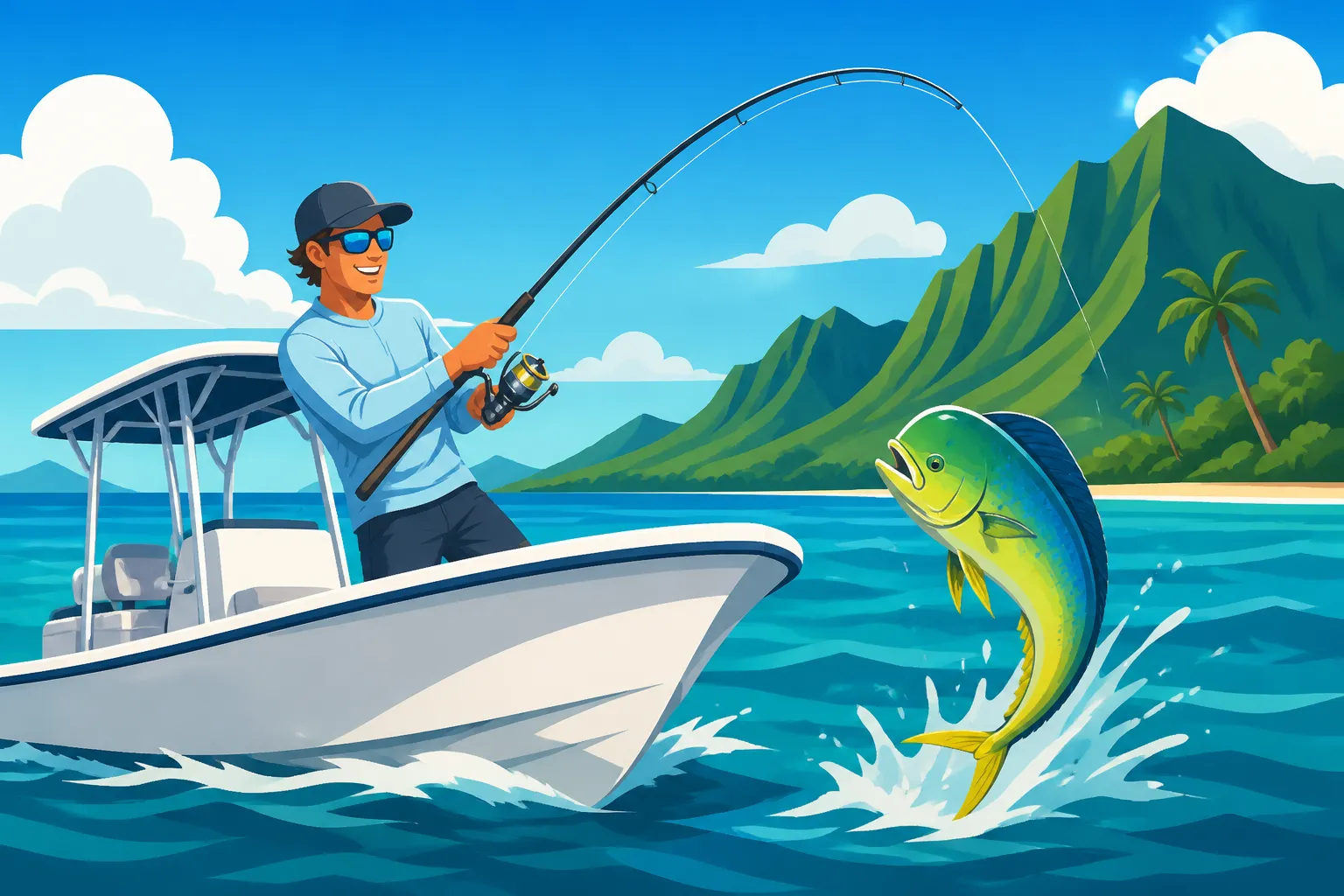
Imagine stepping aboard a modest center console or a nimble skiff, perhaps just you, your fishing buddy, and an experienced captain. This isn't the bustling deck of a sportfisher catering to a crowd; it's a private, focused expedition. The beauty of a small boat charter lies in its intimacy. You get one-on-one attention from your captain, who can dedicate their expertise entirely to your success and enjoyment. This personalized approach means more direct coaching on casting techniques, lure presentation, and fighting strategies. You'll also find that conversations flow more freely, turning a fishing trip into a truly memorable shared experience. These smaller vessels often allow for more agile maneuvering, letting your captain hug the coastline closer or navigate into shallower bays and channels that larger boats simply can't reach, opening up a whole new world of fishing grounds.
Beyond the personal connection, the reduced noise and disturbance from a smaller boat can also be a significant advantage in certain fishing scenarios. Stealth is often key, especially when targeting wary inshore species that might spook from the shadow or rumble of a larger vessel. This ability to approach quietly and precisely puts you in a better position to intercept fish.
The Thrill of Light Tackle
For many anglers, the real excitement isn't just about catching a fish, but how you catch it. Light tackle fishing elevates this challenge by requiring more skill, finesse, and an understanding of the fish's behavior. Instead of heavy gear that simply cranks a fish in, light tackle demands that you "play" the fish, carefully managing drag, rod angle, and line tension. Every run, every head shake, is amplified, making even a modest-sized catch feel like a trophy.
Imagine hooking into a powerful papio or a feisty bonefish on a light spinning rod. The fish rips line off your reel, and you can feel every head shake transmitted directly through the sensitive rod. This isn't just a tug-of-war; it's a dance, a test of your angling prowess. The lighter line and rod mean you have to be more patient, more precise, and truly earn your catch. It transforms fishing into a high-stakes, rewarding sport where your technique matters as much as the bait or lure. It's a fantastic way to develop your skills, whether you're a seasoned angler looking for a new challenge or a beginner wanting to learn the nuances of finesse fishing. For more on this, check out Shore Fishing Techniques for Hawaii.
Targeting Specific Inshore Species
Hawaii's diverse aquatic environment offers a phenomenal array of fish, and while the deep-sea giants get a lot of attention, the nearshore waters teem with exciting species perfect for light tackle. Small boat charters excel at putting you on these specific fish, often in their natural habitats where larger boats dare not tread.
You might spend your morning chasing "How to Catch Papio on Hawaii's Shoreline" near rocky points and reef edges, or perhaps venture into shallow flats for the elusive and hard-fighting bonefish, also known as 'oio'. These powerful speedsters are a true test of light tackle skill. You could also target moi (Pacific threadfin) in sandy areas, or various reef fish like triggerfish and small snappers, which offer consistent action and beautiful colors. These charters can navigate you to tucked-away coves, tidal channels, and shallow reef systems that are the perfect ambush points for these species. It’s a completely different kind of fishing than offshore trolling, focusing on precision casting, subtle presentations, and reading the water for signs of fish activity. The thrill comes from the hunt and the skillful execution of the catch, often in visually stunning nearshore environments.
What to Look for in a Small Boat Light Tackle Charter
Finding the perfect small boat light tackle charter in Hawaii isn't just about picking the first listing you see. It requires a bit of research and understanding what makes a particular operation stand out. The right charter can turn a good day into an unforgettable one, and that often comes down to the captain, their equipment, and their flexibility.
Captain Experience and Local Knowledge
When you're on a small boat, the captain isn't just driving; they're your guide, your mentor, and often your fishing buddy for the day. Their local knowledge is absolutely paramount. An experienced Hawaiian captain knows the secret spots, understands the intricate reef systems, and can read the currents and tides like a book. They've spent years on these waters, tracking Ahi Migration Patterns Around Hawaii, observing baitfish movements, and understanding how different weather patterns affect the bite.
Look for captains who specialize in light tackle and inshore fishing. They'll know precisely which baits or lures are working best on a given day, where the papio are hiding, or which flats the bonefish are cruising. They can also teach you the nuances of Hawaiian fishing, from traditional techniques to modern applications. Don't be shy about asking prospective captains about their experience specifically with light tackle, what species they regularly target, and how long they've been fishing these particular waters. A captain with deep local roots will often have a sixth sense for where the fish are, even on a slow day, which makes all the difference. Their expertise ensures you're not just fishing, but learning and experiencing the true essence of Hawaiian angling.
The Right Boat and Gear Setup
For light tackle fishing, the boat and its equipment need to be perfectly suited to the task. You're looking for a vessel that's agile, stable in nearshore conditions, and designed for focused casting rather than simply trolling. This often means center console boats, skiffs, or even purpose-built shallow-draft boats that can navigate skinny water without grounding.
Equally important is the tackle itself. A reputable small boat light tackle charter will provide high-quality, well-maintained gear appropriate for the species you're targeting. This includes sensitive, lightweight spinning rods and reels spooled with light monofilament or braided line, matched with fluorocarbon leaders. They should also have a selection of lures, soft plastics, and live bait options specific to inshore Hawaiian fishing. When you're making inquiries, ask about the brands and test strengths of the tackle they provide. Does it match your preferences for a true light tackle experience? Ensure the boat has comfortable seating for its small crew, proper safety equipment, and enough deck space for casting without obstruction. For those interested in self-propelled options, some operations might even offer guided kayak fishing, which is the ultimate small boat experience. You can find out more about where these types of vessels excel in Best Kayak Fishing Spots in Hawaii.
Flexibility and Customization
One of the biggest advantages of a small, private charter is the ability to customize your trip. Unlike larger head boats with fixed itineraries, a small boat light tackle charter can often adapt to your specific preferences, the weather conditions, and the current bite. Do you want to focus exclusively on bonefish? Or perhaps spend the morning casting for papio and the afternoon trying for smaller ulua around a specific reef? A good captain will be happy to discuss these options and tailor the day to your desires.
This flexibility extends to the duration of the trip, the target species, and even the techniques used. If the bite is slow in one area, a nimble small boat can quickly move to another spot without inconveniencing a large group. This dynamic approach means your chances of success are maximized, and your trip feels uniquely yours. It’s also ideal for learning specific techniques like whipping for papio or sight-fishing for bonefish, as the captain can dedicate time to instruction. Don't hesitate to communicate your fishing goals clearly when booking; a great charter will strive to meet them.
Top Areas for Small Boat Light Tackle Fishing in Hawaii
Hawaii offers an incredible variety of environments for light tackle fishing, each island presenting its own unique opportunities. The key to a successful trip is knowing which areas are best suited for the type of small boat, light tackle action you're looking for.
Oahu's Diverse Shorelines and Flats
Oahu, often known for its bustling city life, also boasts some phenomenal light tackle fishing grounds, particularly along its diverse shorelines and expansive flats. The island's reef systems and protected bays provide ideal habitats for a variety of inshore species.
One of the most renowned spots for light tackle anglers is the vast Keehi Lagoon area, famous for its incredible bonefishing opportunities. The shallow, clear flats here are perfect for sight-fishing for these elusive "ghosts of the flats." Imagine poling quietly across crystal-clear water, spotting a school of bonefish tailing in the distance, and making a precise cast with a lightweight setup. It's a truly exhilarating experience. Beyond bonefish, Oahu's windward coast offers numerous rocky points and sandy beaches where papio and moi can be targeted with great success. Places like Kailua Bay or Kaneohe Bay, with their sheltered waters and abundant reef structure, are excellent for casting small lures or live bait. Small boat charters here can navigate close to these structures, putting you right in the strike zone. If you’re serious about chasing bonefish, you might want to consider Best Guided Bonefishing Trips on Oahu.
Maui's Nearshore Reefs and Bays
Maui, with its stunning volcanic landscapes and calmer leeward waters, also provides fantastic opportunities for small boat light tackle fishing. The island's extensive reef systems, sheltered bays, and productive channels are ideal for exploring with a smaller vessel.
The waters off the south and west coasts, particularly around areas like Ma'alaea Harbor or La Perouse Bay, offer a rich diversity of reef fish. Small boat charters can access the fringes of the fringing reefs, where goatfish (kumu, weke), various snappers, and even smaller triggerfish reside. These areas are fantastic for light jigging, bait fishing, or casting small plugs. The protected nature of many of Maui's bays also means calmer waters, making for a more comfortable experience on a smaller boat. Imagine spending a morning drifting over a vibrant reef, casting light lures to colorful inhabitants, with the majestic backdrop of Haleakala. The accessibility to these varied nearshore environments makes Maui a prime destination for an intimate light tackle adventure.
The Big Island's Protected Coasts
While the Big Island's Kona Coast is world-famous for its giant marlin, don't overlook its equally exciting nearshore light tackle potential. The west side of the island offers incredibly deep waters close to shore, but also boasts numerous protected bays, lava flows, and reef structures that are perfect for smaller boats.
The Kona side is particularly good for targeting papio and small ulua right along the lava rock shoreline. Small boats can get close enough to allow for accurate casting into the pockets and ledges where these ambush predators hide. You might also find schools of akule or opelu (baitfish) congregating in calmer bays, attracting larger predatory species to the shallow edges, offering exciting opportunities for light tackle action. While the focus might often be on offshore giants, a seasoned Kona captain specializing in small boat light tackle fishing can show you a completely different side of this fishing paradise. They know how to work the unique underwater topography formed by ancient lava flows, providing structure and feeding grounds for a variety of inshore species. Remember to always be aware of the Hawaii Bag and Size Limits by Species for anything you catch.
Booking Your Light Tackle Charter
Once you've decided that a small boat light tackle charter is for you, the next step is to secure your trip. This involves careful research, asking the right questions, and understanding what to expect once you're on the water.
Researching and Comparing Options
The internet is your best friend when it comes to finding the right charter. Start by searching for "Hawaii light tackle charters" or "Oahu bonefish guides." Look for operators who specifically mention small boats, inshore fishing, and light tackle techniques in their descriptions. Pay close attention to reviews and testimonials from other anglers; they often provide invaluable insights into the captain's personality, the quality of the gear, and the overall experience.
Platforms like FishingBooker can be incredibly helpful for this stage. You can often filter results by boat size, trip type (like inshore or nearshore), and even target species. This allows you to easily compare different charters side-by-side, view photos of their vessels, and read comprehensive reviews, helping you narrow down your choices to those that truly align with your light tackle fishing goals. Don't forget to check out the charter's direct website or social media pages too, as they often have the most up-to-date information and photos of recent catches. For a broader overview of costs, take a look at our Hawaii Fishing Charter Cost Guide.
Essential Questions to Ask Before Booking
Before you commit to a booking, it's crucial to have a clear conversation with the captain or booking agent. This ensures there are no surprises and that your expectations align with what the charter offers.
Here are some key questions to ask:
- What type of boat is it, and what size is it? Confirm it's a small vessel suitable for light tackle and the number of anglers in your party.
- What specific species do you primarily target on light tackle? This helps confirm their expertise in the type of fishing you're looking for.
- What fishing techniques will we be using? Inshore charters might focus on whipping, casting, jigging, or live baiting.
- What kind of tackle is provided? Ask about rod brands, reel sizes, line weight, and whether they have specialized gear for bonefish, papio, etc.
- Is the trip catch-and-release, or can we keep some fish? Understand the charter's policy and be aware of current Hawaii Fishing Regulations Explained.
- What's included in the price? Does it cover bait, lures, ice, water, and perhaps even fish cleaning?
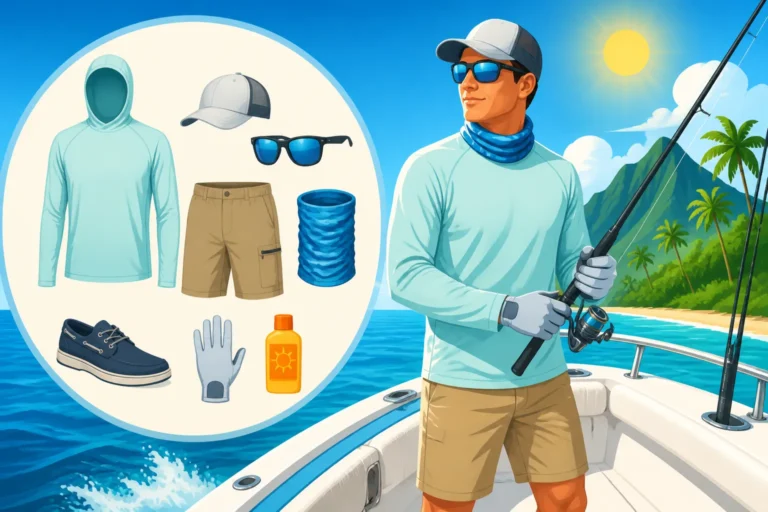
- What should I bring? Sunscreen, hat, sunglasses, appropriate clothing, snacks, and any personal fishing gear you prefer.
- What is the cancellation policy, especially for weather? It's always good to know the contingencies.
Getting these details sorted beforehand will ensure a smooth and enjoyable experience, making your preparation as easy as possible. For general expectations on these trips, consider reading What to Expect on a Hawaii Fishing Charter.
What to Expect on Your Trip
On the day of your small boat light tackle charter, anticipate an early start. Hawaiian waters are often calmest and most productive in the morning. Your captain will greet you, go over safety procedures, and discuss the plan for the day based on current conditions and your preferences. Expect a more hands-on experience compared to a larger boat; you'll likely be casting frequently, and the captain will be right there with you, offering advice and assistance.
The atmosphere on a small boat is typically relaxed and focused. You'll have plenty of room to cast and move around, and the captain will often share stories, local insights, and tips that you wouldn't get on a crowded vessel. Be prepared for some potential motion in smaller boats, especially if crossing open water, but typically inshore waters are calmer. Most importantly, embrace the challenge of light tackle. Enjoy the fight, savor the beautiful Hawaiian scenery, and appreciate the personalized attention that makes these charters so special. Whether you land a trophy or just enjoy the thrill of the chase, it's about the journey and the unique connection to Hawaii's aquatic world.
| Feature | Small Boat Light Tackle Charter | Large Offshore Sportfisher Charter |
|---|---|---|
| Vessel Size | Typically 18-30 ft, center consoles, skiffs, bay boats | Often 35-65 ft, large cabins, multiple engines |
| Angler Capacity | 1-4 anglers (private, intimate) | 4-10+ anglers (private or shared/party boat) |
| Target Species | Papio, Bonefish (oio), Moi, smaller Ulua, reef fish, smaller pelagics nearshore | Marlin, Ahi, Ono, Mahimahi, larger pelagics offshore |
| Fishing Style | Casting, whipping, light jigging, live baiting inshore | Trolling, heavy jigging, deep drop bottomfishing, live baiting offshore |
| Tackle Used | Light spinning rods, baitcasting rods, fly rods, sensitive lines | Heavy conventional tackle, stand-up rods, big game reels |
| Access | Shallow reefs, coves, flats, channels, close to shore | Deep ocean, FADs (Fish Aggregating Devices), offshore banks |
| Personalization | High: one-on-one captain attention, customized trips | Moderate to Low: shared attention, fixed itineraries |
| Experience | Intimate, challenging, skill-focused, hands-on | Thrilling big game hunt, often less casting involved |
Disclaimer
This article is for general informational purposes only and does not constitute professional advice. Laws, prices and regulations vary by location and change over time. Consult a qualified professional for guidance on your specific situation.