What to wear on a Hawaii fishing charter
One of the most common dilemmas people face when planning a Hawaii fishing charter is figuring out exactly what to wear. You want to be comfortable and prepared for a day out on the ocean, but with Hawaii's unique blend of intense sun, potential showers, and ocean spray, it's easy to overpack or, worse, under-prepare. This guide will walk you through practical, real-world advice on dressing for success and comfort on your Hawaiian fishing adventure, ensuring you're ready for whatever the Pacific throws your way.
Understanding Hawaii's Ocean Environment: Sun, Spray, and Serenity
Hawaii’s marine environment is a beautiful, powerful place, and it demands a certain respect when it comes to what you wear. It’s not just about looking good for photos; it's about staying safe, comfortable, and protected from the elements. The sun here is incredibly strong, the ocean can be unpredictable, and even on a calm day, you'll likely encounter some spray.
The Tropical Sun: Your Biggest Challenge
Let's be real: the Hawaiian sun is no joke. It's direct, intense, and can sneak up on you even when it feels breezy. Many people arrive from cooler climates and underestimate just how quickly a sunburn can turn a fantastic day into a miserable experience. You'll be exposed for hours, often with reflective surfaces like the ocean water and the boat's deck bouncing even more UV rays your way. This isn't just about a little redness; severe sunburn can cause pain, blistering, and even cut your fishing trip short. Think of the sun as your primary adversary when it comes to clothing choices. You need to shield your skin, not just slather on sunscreen (though that's crucial too!).
Consider a scenario where you're out chasing mahi-mahi on a beautiful, cloudless day off the Kona coast. The excitement of a bite, the fight with a powerful fish – it all makes you forget about the relentless sun beating down. If you're wearing just a t-shirt, your arms and neck could be severely exposed for hours. By the time you get back to shore, you might find yourself lobster-red and regretting your attire. Long-sleeve shirts specifically designed for sun protection are your best friend here, often boasting a UPF (Ultraviolet Protection Factor) rating that tells you exactly how much sun they block.
Rain and Wind: Expect the Unexpected
While Hawaii is famous for its sunny weather, especially on the leeward sides of the islands, rain showers can pop up unexpectedly, particularly during certain seasons or on windward coasts. What starts as a perfect calm morning can quickly turn into a breezy, drizzly afternoon. Even a light drizzle combined with wind out on the open ocean can make you feel chilled, especially if your clothes are made of cotton, which stays wet and holds the cold against your skin. This isn't about hunkering down in a full storm suit, but rather being prepared for those minor shifts in weather that can make a big difference in your comfort.
Imagine you've booked one of the Best Half-Day Charters in Hawaii out of Ma'alaea Harbor on Maui. The morning is beautiful, but a quick squall blows through, bringing a brief but intense rain shower. If you’re wearing quick-drying synthetics, you'll be damp for a bit, but you'll dry off quickly once the sun returns. If you're in jeans and a cotton hoodie, you'll be soaked, cold, and uncomfortable for the rest of your trip. The wind, too, can whip up spray and create a surprisingly chilly environment, especially if the boat is moving at speed. A light, water-resistant outer layer is a smart addition to your fishing wardrobe.
Essential Clothing for Comfort and Protection
When you're out on the water, comfort and protection are paramount. You'll be moving, casting, reeling, and potentially battling some seriously strong fish. Your clothing shouldn't restrict you or make you miserable.
Lightweight and Breathable Fabrics
The key to comfort in Hawaii’s heat and humidity is choosing fabrics that breathe and dry quickly. Forget heavy denim or thick cotton. These materials absorb sweat and water, stay wet, and can become incredibly uncomfortable, chafe, and even contribute to sunburn by losing their protective qualities when wet. Instead, opt for performance fabrics often found in activewear. These are typically synthetic blends that wick moisture away from your skin, helping you stay cooler and drier. Look for materials like polyester, nylon, or blends with spandex for a little stretch.
Think about a long day on a Best Full-Day Fishing Charters in Hawaii out of Honokohau Harbor, targeting big marlin. You're constantly moving, maybe helping the crew, and definitely fighting fish. If you're in heavy cotton, you'll feel sticky and hot within an hour. But if you're wearing a lightweight, quick-dry performance shirt and shorts, you'll be far more comfortable, allowing you to focus on the fishing experience. These fabrics also tend to be lighter, making them easier to pack and wash.
Avoiding Restrictive Clothing
Fishing, especially offshore, can involve a lot of movement. You might need to quickly grab a rod, lean over the rail, or brace yourself against a wave. Clothes that are too tight or stiff will hinder your mobility and can become a source of irritation. You want clothing that allows for a full range of motion. This means choosing shorts or pants with a relaxed fit, and shirts that don't bind across your shoulders or chest.
Imagine you've just hooked into a powerful Ahi (Yellowfin Tuna), and it's making a screaming run. You need to adjust your stance, move around the fighting chair, or even quickly pass the rod. If your pants are too tight or your shirt restricts your arm movement, it can make an already challenging fight even harder. Loose-fitting, breathable shorts or convertible fishing pants (which can zip off into shorts) are excellent choices. They offer flexibility and won't constrict you when you're battling a fish or simply relaxing on deck.
Color Choices for Maximum Comfort
It might seem like a small detail, but the color of your clothing can actually impact your comfort level, especially in a sunny, tropical environment. Dark colors absorb more sunlight, trapping heat against your body, while lighter colors reflect it. This is why you'll often see professional anglers and guides wearing light-colored clothing – white, light blue, pale gray, or tan. These colors help keep you cooler by minimizing heat absorption from the sun.
When you're out on the deep blue Pacific on a Kona Coast charter, fishing for marlin, every little bit of cooling helps. Choosing a light-colored, long-sleeve performance shirt can significantly reduce how hot you feel compared to wearing a dark navy or black shirt, even if both have the same UPF rating. It’s a simple trick that makes a noticeable difference over a full day of sun exposure.
Footwear Matters: Safety and Comfort on Deck
Your feet are often overlooked when packing for a fishing trip, but they deserve special attention. The boat deck can be wet, slippery, and strewn with potential hazards like hooks, sinkers, or even flopping fish. Proper footwear is crucial for safety and all-day comfort.
Non-Slip Soles: A Must-Have
This is non-negotiable. Boat decks, especially after a wave or a fish is brought aboard, can become incredibly slick. Falling on a boat is dangerous, not just for you, but for others around you. Look for shoes with non-marking, non-slip soles – think boat shoes, deck shoes, or even athletic shoes with good traction. Avoid flip-flops or sandals with smooth bottoms, as these offer minimal grip and can easily lead to a slip and fall. The last thing you want is to be worried about losing your footing when the boat pitches or when a big fish is thrashing on deck.
Consider booking a trip through a service like FishingBooker, where many charters emphasize safety. Your captain and crew will appreciate you wearing appropriate footwear. Imagine the chaos if a big ulua is brought onto the deck, splashing water everywhere, and you're wearing slick-soled slippers. A good pair of boat shoes with siped soles (thin slits cut into the sole to improve grip on wet surfaces) will give you the confidence to move freely and safely, regardless of how wet the deck gets.
Protecting Your Feet from Hooks and Fish
Beyond just preventing slips, your footwear also acts as a layer of protection for your feet. Fishing involves sharp objects – hooks, knives, gaffs – and powerful, thrashing fish. A stray hook or a spike from a fish fin can easily puncture bare skin or flimsy footwear. Closed-toe shoes are always the best choice for a fishing charter. They offer a physical barrier against these common hazards, keeping your toes safe and sound.
For example, if you're bottom fishing for opakapaka or onaga, and a fish with sharp spines is brought aboard, accidental contact is a real possibility. Or, a dropped sinker or a loose hook could be lurking on the deck. Wearing sturdy, closed-toe shoes provides that essential protection. Some anglers even prefer waterproof fishing boots, especially if they anticipate a lot of spray or a particularly messy catch. While full boots might be overkill for many Hawaiian charters, a solid, water-resistant athletic shoe or deck shoe is a great compromise.
Layering and Extras: Being Prepared for Anything
Even with the best planning, conditions can change. Having a few extra items and understanding the concept of layering can make your day much more enjoyable. It’s about adapting to the ever-changing nature of the ocean.
The Art of Layering for Comfort
Layering isn't just for cold weather; it's smart strategy for any environment where temperatures or conditions can fluctuate. On a Hawaii fishing charter, you might start the morning feeling a bit cool, especially if you're departing before sunrise. As the sun rises and the day progresses, it will warm up significantly. Then, a sudden rain shower or a brisk headwind can bring the chill back. Having layers allows you to add or remove clothing as needed, maintaining optimal comfort throughout the day.
A good layering system might look like this:
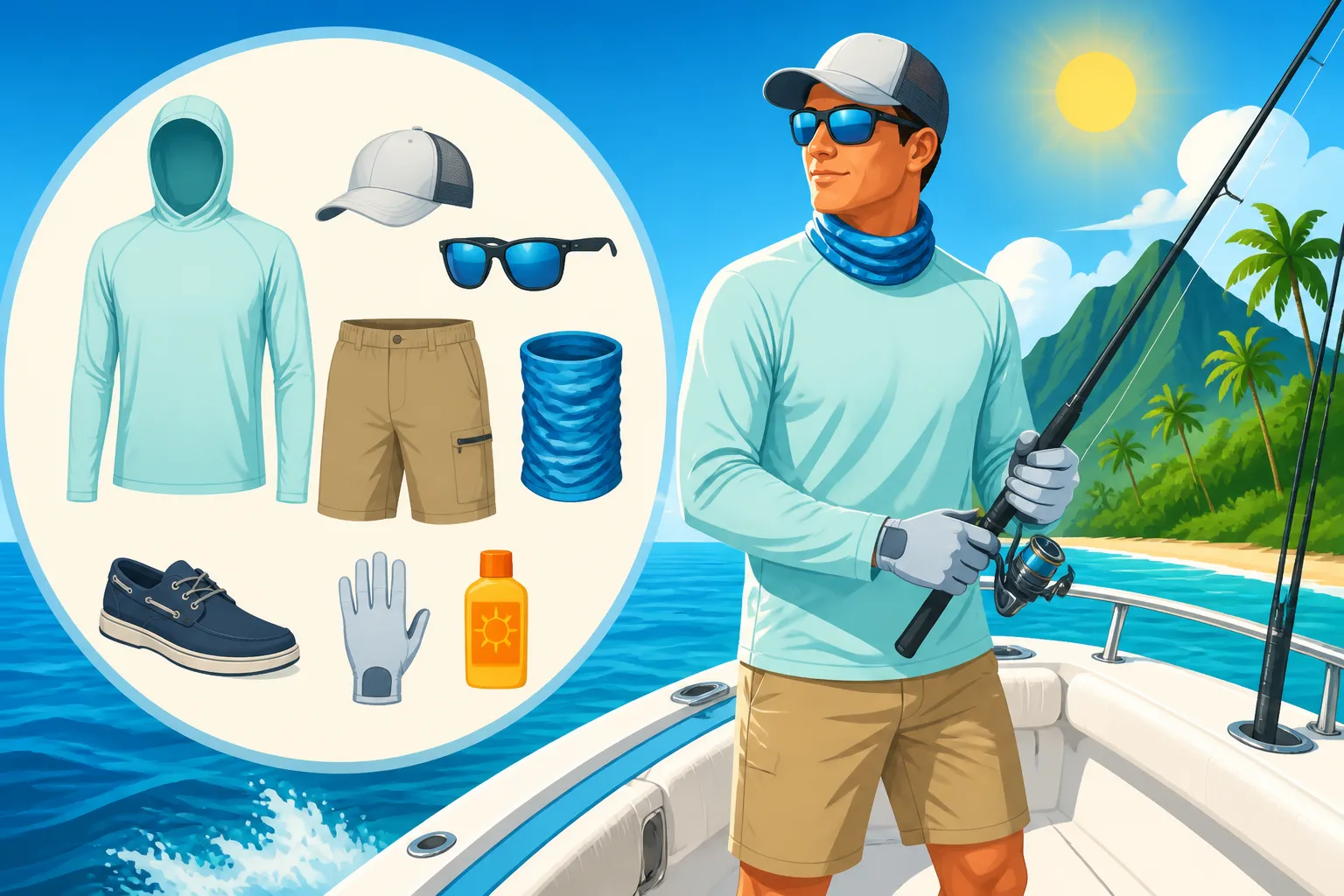
- Base Layer: Your quick-drying, breathable long-sleeve performance shirt (for sun protection).
- Mid-Layer (optional): A light fleece or long-sleeve synthetic shirt if you tend to get cold easily or are going out very early. This can be easily shed as the day warms.
- Outer Layer: A lightweight, waterproof or water-resistant jacket. This will protect you from unexpected rain showers and wind spray without adding bulk or excessive heat.
This approach means you're not stuck shivering when the boat speeds up or sweating through a heavy jacket when the sun is blazing. Many charter services, which you might find listed on platforms like FishingBooker, will recommend this kind of versatile attire for their guests.
Essential Accessories Beyond Clothing
Beyond your main outfit, a few key accessories can significantly enhance your comfort, safety, and overall enjoyment of the trip. These are items that are easy to overlook but make a huge difference.
- Sun Protection:
- Hat: A wide-brimmed hat is far superior to a baseball cap for protecting your ears and neck from the relentless sun. Look for one with a chin strap so it doesn't fly off in the wind.
- Sunglasses: Polarized sunglasses are a must. They cut glare off the water, helping you see fish, bait, and structure more clearly, and protect your eyes from harmful UV rays.
- Sunscreen: Even with protective clothing, exposed skin like your face, neck, and the backs of your hands need high-SPF, water-resistant sunscreen. Reapply it often.
- Lip Balm with SPF: Your lips can get severely chapped and burned on the water.
- Gloves: Fishing gloves (fingerless or full-finger, depending on preference) can protect your hands from line burns, blisters from reeling, and sun exposure.
- Small Dry Bag or Backpack: To keep your personal items (phone, wallet, camera, extra clothes) safe and dry from spray or rain.
- Towel: A small, quick-drying towel can be invaluable for wiping off spray, drying your hands, or even cooling yourself down if you wet it.
- Reusable Water Bottle: Staying hydrated is key in the tropical heat. Most charters will have water, but having your own bottle is always a good idea. For more tips on what else to bring, check out our guide on What to Bring on a Hawaii Fishing Charter.
Here’s a handy checklist to help you remember what to pack:
| Item | Description | Why it's Important |
|---|---|---|
| Long-Sleeve Shirt | Lightweight, breathable, quick-drying, UPF-rated (synthetic blend) | Maximum sun protection, moisture-wicking, quick-drying |
| Shorts/Pants | Lightweight, quick-drying, comfortable fit (synthetic blend); convertible pants are a bonus | Freedom of movement, comfort, quick-drying for spray |
| Footwear | Non-marking, non-slip, closed-toe boat shoes, deck shoes, or sturdy athletic shoes | Safety on wet, slippery decks; protection from hooks/fish |
| Hat | Wide-brimmed with a chin strap | Protects face, ears, and neck from intense sun; stays on in wind |
| Sunglasses | Polarized | Reduces glare, improves visibility of fish, protects eyes from UV |
| Sunscreen | High SPF, water-resistant | Essential for all exposed skin; reapply frequently |
| Lip Balm | With SPF | Prevents chapped and sunburned lips |
| Light Jacket | Water-resistant or waterproof, lightweight | Protection from wind, ocean spray, and unexpected rain showers |
| Fishing Gloves | Optional; fingerless or full-finger | Protects hands from line burns, blisters, and sun |
| Small Dry Bag | To store personal items | Keeps phone, wallet, camera, and other valuables dry |
| Reusable Water Bottle | To stay hydrated | Essential for health and comfort in warm weather |
Remember, your charter captain or the booking service, like FishingBooker, can often provide specific advice on what to wear based on the type of trip and current weather conditions. Being prepared allows you to relax and fully immerse yourself in the incredible experience of fishing in Hawaii. If you're still weighing your options for a trip, consider reading How to Choose a Hawaii Fishing Charter to ensure you pick the perfect adventure.
Disclaimer
This article is for general informational purposes only and does not constitute professional advice. Laws, prices and regulations vary by location and change over time. Consult a qualified professional for guidance on your specific situation.