Difference between an inshore guide and an offshore charter
It's a common dilemma for anglers dreaming of casting lines in Hawaii: you've made it to paradise, but now you're faced with a choice. Should you immerse yourself in the intimate world of an inshore guide, exploring the shallow reefs and coastlines, or venture out on a grand adventure with an offshore charter, chasing pelagic giants in the deep blue? This decision often feels overwhelming, especially when you're just trying to figure out what kind of Hawaiian fishing experience truly fits your style and expectations. This guide will meticulously break down the fundamental differences between inshore guided trips and offshore charters, helping you navigate your options and choose the perfect fishing adventure for your time in the islands.
Defining the Waters: Inshore vs. Offshore in Hawaii
Before we dive into the nitty-gritty of what each type of trip entails, let's get clear on what "inshore" and "offshore" actually mean when you're talking about fishing in the unique marine environment of Hawaii. The islands are surrounded by a relatively narrow shelf before the ocean floor drops dramatically into immense depths, making the distinction quite pronounced.
What "Inshore" Really Means in Hawaii
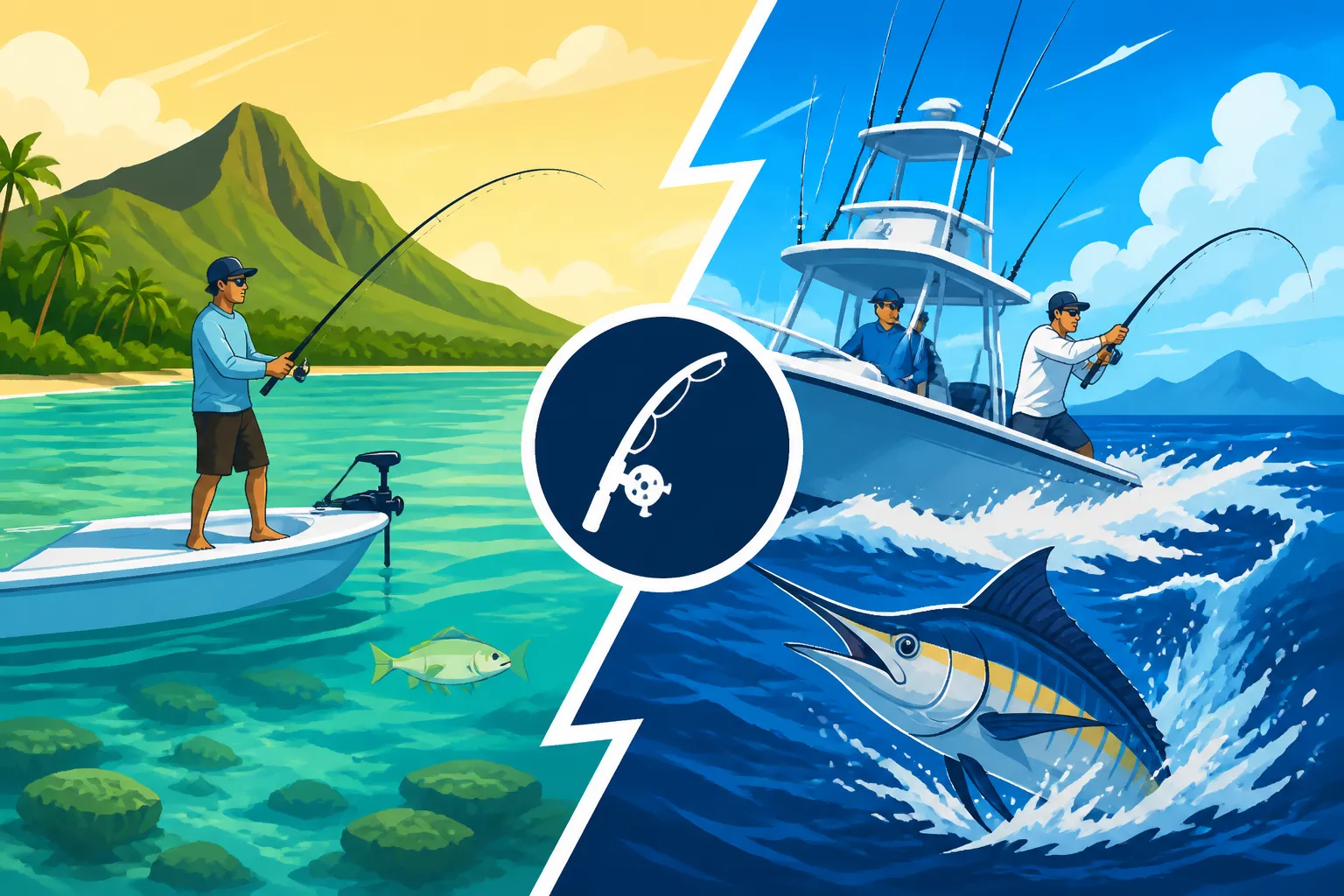
When a Hawaiian guide talks about "inshore" fishing, they're generally referring to the waters closer to the shoreline. This can encompass a surprising variety of environments, from the shallow, sun-drenched reef flats where you can often wade, to the breaking surf zones along sandy beaches, or the protected waters within bays and harbors. Think of places like Kaneohe Bay on Oahu, the reef systems off Poipu in Kauai, or the calmer areas of Maalaea Harbor in Maui. The depth in these areas typically ranges from just a few feet to perhaps a hundred feet or so, characterized by visible landmasses and a more intricate underwater landscape of coral, rock, and sandy patches.
An inshore trip often feels more intimate and connected to the land. You might be fishing from a small boat, a kayak, or even right off the shore, which means you're almost always within sight of Hawaii's stunning volcanic slopes and verdant coastlines. This proximity to land brings a different kind of beauty and a unique challenge, as the fish here are often more attuned to the movements and sounds on shore. It's a world away from the vast, open ocean, offering a chance to truly experience the nearshore ecosystem. These spots can offer fantastic opportunities for Shore Fishing Techniques for Hawaii.
Venturing "Offshore" in Hawaiian Waters
In stark contrast, "offshore" fishing in Hawaii means you're heading out to the deep blue, often many miles from land, where the ocean floor plunges thousands of feet. This is the domain of pelagic species—those incredible fish that spend their lives roaming the open ocean. Hawaiian offshore waters are famous for their steep drop-offs, underwater seamounts, and the incredible deep-water fish aggregating devices (FADs) that local authorities strategically place to attract baitfish and, consequently, their predators. Think of the legendary waters off the Kona Coast of the Big Island, renowned for its calm seas and proximity to deep water, or the vast expanses off Oahu's windward side.
An offshore charter typically involves a larger, more robust boat designed to handle open ocean conditions and longer runs. The feeling is one of immense space and possibility. You're surrounded by nothing but the horizon, with the islands receding into distant silhouettes. The focus shifts from the immediate environment to the vast, unseen movements of baitfish schools and the powerful hunters that follow them. It's an experience that can feel truly wild and untamed, far removed from the bustling shores.
The Angler's Experience: What to Expect
The type of water you choose to fish will dictate much about your overall experience, from the size of the boat to the duration of the trip and even how you might feel physically. Understanding these differences is key to managing expectations and ensuring a memorable day on the water.
Life with an Inshore Guide: Closer to the Coast
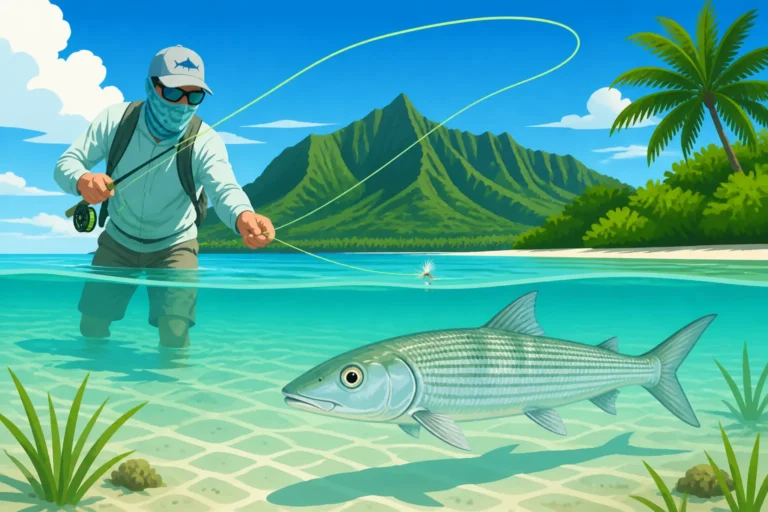
Booking an inshore guide often means a more hands-on, focused approach to fishing. You might find yourself on a smaller skiff or even wading out onto shallow flats. These trips tend to be shorter in duration, perhaps a half-day or even just a few hours, which can be perfect for families with younger children or those prone to seasickness. The tackle is generally lighter, allowing for a more sensitive and interactive fight with the fish. Imagine the thrill of sight-casting to a cruising bonefish on a calm flat, or feeling the sudden, powerful tug of an ulua (Giant Trevally) as it strikes your lure in the surf.
Inshore guides are experts at reading the local tides, understanding the specific reef structures, and knowing where different species like papio (juvenile trevally), moi (Pacific Threadfin), or uhu (Parrotfish) will be holding. They often have deep knowledge of specific bays, channels, and rocky points, guiding you to productive spots that you'd never find on your own. This type of trip feels more intimate, often with just you and the guide, allowing for personalized instruction and a deeper connection to the local environment. It's about precision, stealth, and understanding the subtleties of the nearshore ecosystem. Many anglers seek out a specific Best Bonefishing Spots in Hawaii guide for this very reason.
The Thrill of an Offshore Charter: Deep Sea Adventures
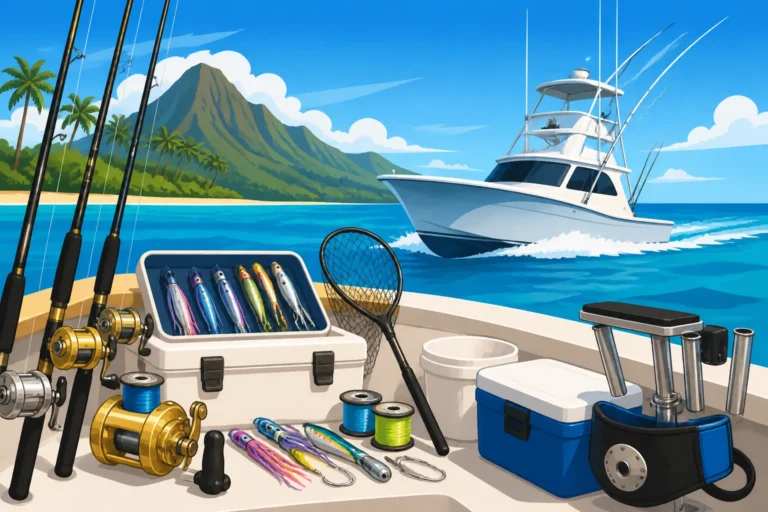
Offshore charters, on the other hand, are built for power and pursuit in the open ocean. You'll typically be on a larger sportfishing yacht, a powerful center console, or even a classic Hawaiian sampan boat. These vessels are equipped with heavy-duty gear, outriggers, and often state-of-the-art electronics to find bait schools and target pelagic predators. Trips usually range from half-day excursions (4-6 hours) to full-day adventures (8-10 hours), requiring more time on the water to reach prime fishing grounds. The journey itself can be a significant part of the experience, with the vast ocean stretching out in every direction.
On an offshore charter, the primary method is often trolling, where multiple lines with large lures or rigged baits are pulled behind the boat at speed, covering a lot of ground to entice a strike from fast-moving fish. When a fish hits, it's often an explosive, adrenaline-pumping event that requires heavy tackle and teamwork to bring to the boat. The crew typically handles setting up the lines, spotting the fish, and assisting with the fight, making it accessible even for beginners who want to experience the power of a true deep-sea battle. What to Expect on a Hawaii Fishing Charter gives a good overview of this. The sheer power of a blue marlin or the relentless run of an ahi (Yellowfin Tuna) is an unforgettable experience.
Target Species, Gear, and Techniques
The choice between inshore and offshore fishing dramatically impacts the types of fish you'll encounter, the gear you'll use, and the specific techniques employed to catch them. Each offers its own unique challenges and rewards.
Inshore Bounty: Reef Fish, Bonefish, and More
Inshore fishing in Hawaii introduces you to a diverse world of reef fish and coastal inhabitants. You're likely to target species such as:
- Papio: These are juvenile ulua (Giant Trevally) and can be incredibly fun to catch on light tackle. They're strong fighters for their size and are abundant in many nearshore areas.
- Oio (Bonefish): Known as the "ghost of the flats," bonefish offer an incredible challenge for sight-fishing enthusiasts, especially fly anglers. They're notoriously skittish but pull hard when hooked.
- Moi (Pacific Threadfin): A highly prized eating fish, moi are often found in sandy surf zones and estuaries. They require a delicate touch but are a true Hawaiian delicacy.
- Uhu (Parrotfish): Beautiful and colorful reef fish, often targeted by spearfishermen but can be caught on hook and line around rocky areas.
- Smaller Ulua: While the truly giant ulua might be a deep-water catch, smaller "schoolie" ulua can be found patrolling channels and deeper reef edges. Learning How to Catch Ulua from Shore can be a lifelong pursuit.
The gear for inshore fishing is typically lighter: spinning rods and reels spooled with monofilament or braided line in the 10-30 pound class, often paired with fluorocarbon leaders. Techniques vary widely, including:
- Whipping: A local term for casting and retrieving lures, often small spoons, jigs, or poppers, along the shoreline or over reefs.
- Live Baiting: Using small baitfish, shrimp, or crabs to entice larger predators hiding in the structure.
- Bottom Fishing: Dropping baits to the bottom in deeper inshore channels for snapper, trevally, and goatfish.
- Fly Fishing: Particularly popular for bonefish on the flats, requiring precision casting and presentation.
Offshore Giants: Marlin, Tuna, and Wahoo
Venturing offshore puts you in pursuit of the apex predators of the open ocean. These are the fish that dreams are made of for many sportfishers:
- Marlin: Hawaii, especially the Kona Coast, is world-famous for its incredible marlin fishing, including Pacific Blue Marlin, Striped Marlin, and Spearfish. These are powerful, acrobatic fish that can put up an epic fight. Marlin Fishing off the Kona Coast is an experience like no other.
- Ahi (Yellowfin Tuna): Fast, strong, and delicious, ahi are a staple of Hawaiian offshore fishing. They can range from smaller "football" tuna to immense "grander" specimens. Learning about Ahi (Yellowfin Tuna) Fishing in Hawaii is a must for any offshore angler.
- Ono (Wahoo): Known for their blistering speed and razor-sharp teeth, ono are sleek, powerful fish that provide thrilling strikes and exhilarating fights.
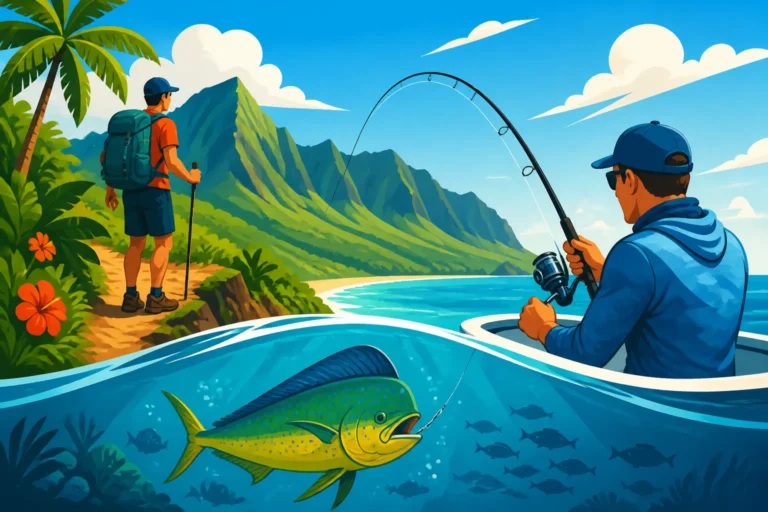
- Mahimahi (Dorado/Dolphin fish): Brightly colored and incredibly acrobatic, mahimahi are opportunistic predators often found around FADs and floating debris. They are as beautiful to look at as they are fun to catch.
- Deep-Drop Bottomfish: In certain offshore areas, charters also specialize in deep-drop fishing for exquisite table fare like opakapaka (Pink Snapper) and onaga (Ruby Snapper), which live in hundreds of feet of water.
Offshore gear is robust, designed to withstand the immense power of these fish. You'll see heavy-duty trolling rods, conventional reels spooled with 50 to 130-pound test line, often equipped with powerful drags. The common techniques include:
- Trolling: The most popular method, involving pulling a spread of artificial lures or rigged natural baits (like flying fish or mackerel) behind the boat at various speeds.
- Live Baiting: Once a school of fish is located, live bait such as opelu (mackerel scad) or akule (bigeye scad) can be deployed to entice strikes.
- Jigging: Dropping heavy jigs to deep-holding fish, often used for tuna or deep-water bottomfish.
- Chumming: Dispersing bait pieces into the water to attract and hold schooling fish like ahi near the boat.
Cost, Logistics, and Ideal Angler Match
Beyond the fish and the methods, the practicalities of booking and enjoying your trip—like cost, trip duration, and boat amenities—are significant factors in your decision.
Understanding the Investment: Pricing Differences
When it comes to the financial outlay, there's a general trend, but many variables exist. Inshore guided trips, especially those on smaller boats or wading, often have a lower base price compared to offshore charters. This is largely due to the smaller vessel size, less fuel consumption, and typically fewer crew members (often just the guide). A half-day inshore trip might be more budget-friendly for a solo angler or a small pair. However, specialized fly-fishing guides for target species like bonefish, due to their expert knowledge and tailored experience, can command premium rates.
Offshore charters, by their nature, involve a significantly larger investment. You're paying for a big boat, more powerful engines, much more fuel, specialized heavy tackle that costs a small fortune, and usually a captain and at least one deckhand. The cost often reflects the duration of the trip (half-day vs. full-day) and whether you're booking a private charter (your group has the whole boat) or a shared charter (you join other anglers). While the upfront cost is higher, for groups, a shared charter can sometimes make deep-sea fishing more accessible on a per-person basis. When you're ready to explore options and compare prices, platforms like FishingBooker can be an excellent resource to see what’s available for both types of trips across the islands. For anyone needing to understand the general rules for angling in Hawaii, it's always wise to consult resources like Hawaii Fishing License Guide for 2026 beforehand.
Who is Each Trip For?
Matching the trip to your personal preferences and physical comfort is crucial for a fantastic experience.
Inshore Guided Trips are often ideal for:
- Beginners: The calmer waters and lighter tackle are less intimidating, offering a great introduction to fishing.
- Families with Young Children: Shorter trips and proximity to land can prevent boredom or severe seasickness.
- Anglers Prone to Seasickness: Staying closer to shore in calmer waters can significantly reduce discomfort.
- Fly Fishermen & Light Tackle Enthusiasts: Those who appreciate the finesse and challenge of lighter gear and sight fishing.
- Anglers Seeking Specific Nearshore Species: If your heart is set on catching a Hawaiian bonefish or a papio, an inshore guide is your best bet.
- Those on a Tighter Budget (for solo or small groups): Can be a more cost-effective way to get a personalized fishing experience.
- Anglers Who Enjoy a Connection to the Landscape: You'll be able to see the beautiful Hawaiian coastline throughout your trip.
Offshore Charters are typically best suited for:
- Experienced Anglers Seeking Big Game: If you're dreaming of a trophy marlin or a powerful ahi, this is your arena.
- Groups of Friends or Corporate Outings: Larger boats can comfortably accommodate more people, splitting the cost.
- Adventure Seekers: Those who love the thrill of the open ocean and the unpredictable nature of deep-sea fishing.
- Anglers Who Don't Mind (or Enjoy) Longer Trips: You'll need the stamina and desire for a full day out on the water.
- Individuals Not Prone to Seasickness: While offshore boats are stable, the open ocean can get choppy.
- Anglers Who Appreciate a Crew's Expertise: The captain and deckhand manage much of the setup and execution, allowing you to focus on the fight.
- Bucket-List Chasers: For many, landing a marlin or a large tuna is a once-in-a-lifetime fishing goal.
No matter which type of trip you choose, remember that the Hawaiian fishing experience is truly special. Both inshore and offshore options offer unique ways to connect with the ocean and its incredible inhabitants. Consider your group size, budget, experience level, and what kind of fish you're dreaming of, and you'll be well on your way to booking your perfect Hawaiian fishing adventure.
Inshore vs. Offshore Fishing in Hawaii: A Quick Comparison
To help crystallize the differences, here’s a handy table outlining the key characteristics of each type of trip:
| Feature | Inshore Guided Trip | Offshore Charter |
|---|---|---|
| Location | Nearshore reefs, flats, bays, harbors, surf zones | Deep blue ocean, miles from shore, FADs, drop-offs |
| Typical Depth | Shallows to ~100 feet | Hundreds to thousands of feet |
| Boat Size | Smaller skiffs, flats boats, kayaks, shore-based | Larger sportfishing yachts, center consoles |
| Tackle | Lighter spinning, fly rods, baitcasting | Heavy trolling rods, conventional reels |
| Primary Method | Casting, whipping, wading, sight fishing, live baiting | Trolling, deep jigging, live baiting, chumming |
| Target Species | Papio, Oio (Bonefish), Moi, Uhu, smaller Ulua | Marlin, Ahi (Yellowfin Tuna), Ono, Mahimahi |
| Trip Duration | Often 3-6 hours (half-day) | 4-10 hours (half-day to full-day) |
| Seasickness Risk | Generally lower | Higher, especially in rougher conditions |
| Cost (per trip) | Typically lower, can be very specialized for guides | Generally higher, especially for private charters |
| Experience | Intimate, hands-on, focus on local ecosystem | Epic, adrenaline-pumping, pursuit of big game |
Ultimately, the "better" option is entirely personal. If you're looking for a peaceful, sight-fishing experience closer to the stunning Hawaiian shores, an inshore guide could be your perfect match. If the thrill of battling a monster marlin in the vast Pacific calls to your adventurous spirit, then an offshore charter is the way to go. Many visitors even decide to try both to get a full taste of Hawaii's diverse fishing opportunities! No matter what you choose, understanding these distinctions will help you make an informed decision for an unforgettable fishing journey.
Disclaimer
This article is for general informational purposes only and does not constitute professional advice. Laws, prices and regulations vary by location and change over time. Consult a qualified professional for guidance on your specific situation.