Best guided wade trips for bonefish on Oahu
Bonefishing on Oahu is incredibly rewarding but notoriously tricky without local knowledge, making a guided wade trip an invaluable experience for anglers looking to hook into Hawaii's elusive "ghost of the flats." This guide will walk you through everything you need to know about finding and preparing for the best guided wade trips for bonefish on Oahu, ensuring you maximize your chances of success on these beautiful, challenging flats.
Why Oahu's Flats Demand a Skilled Bonefishing Guide
Attempting to bonefish on Oahu without local guidance is a bit like trying to navigate a dense jungle without a map – you might eventually find your way, but you'll likely expend a lot of effort, encounter numerous dead ends, and miss out on the truly spectacular sights. Oahu's bonefish flats are stunning, but they demand respect and a deep understanding of their intricate ecosystems. This isn't your average casting-from-the-beach scenario.
The Elusive Nature of Oahu Bonefish
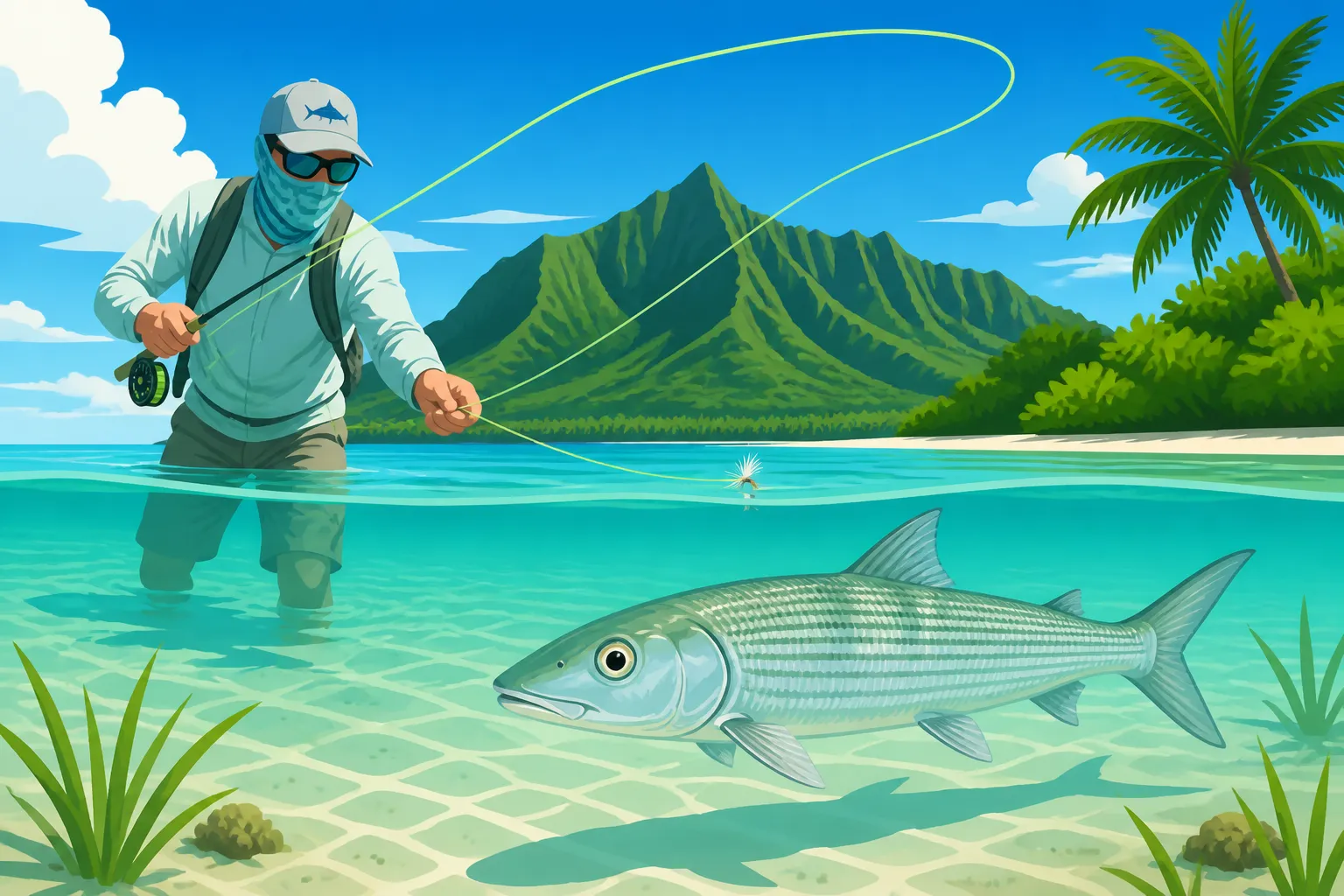
Bonefish, known locally as o'io, are true masters of camouflage and speed. They glide effortlessly over the shallow flats, their silvery scales mirroring the bottom, making them incredibly difficult to spot. On Oahu, these fish frequent vast expanses of sand, coral, and rock, often moving with the tides and feeding on tiny crabs, shrimp, and worms. For the uninitiated angler, these flats can appear deceptively barren, leading to hours of fruitless searching and mounting frustration. You might walk for miles, convinced there isn't a single fish, only for a seasoned guide to point out a subtle tail wagging a mere twenty feet away that you completely overlooked.
Their ability to disappear into their surroundings is why they've earned the nickname "ghost of the flats." Once hooked, they unleash blistering, line-stripping runs that will test your tackle and your angling prowess. The sheer power of even a mid-sized bonefish is astounding, and they can easily break off if you're not prepared. A local guide possesses the keen eyesight, honed over years, to spot these camouflaged cruisers and advise you on the precise moment and angle to present your fly or lure, turning a nearly impossible task into a thrilling pursuit.
Navigating Oahu's Unique Tides and Terrain
Oahu's bonefish flats are far from uniform. They are a complex tapestry of shallow coral gardens, soft sandy patches, and jagged lava rock formations, often interspersed with deeper channels and tidal pools. These varied terrains demand careful navigation, not just to avoid injury, but to understand where bonefish are likely to be feeding. Tides are the rhythm of the flats, dictating when and where fish move. A high tide might flood certain feeding grounds, while a dropping tide could concentrate fish in specific channels. Missing the right tide can mean missing the fish entirely.
A local guide doesn't just know where the fish might be; they understand the intricate dance of the tides and how it influences bonefish behavior minute by minute. They know which flats fish best on an incoming tide, which are productive on the outgoing, and which become too shallow or too deep at certain times of day. Moreover, they are invaluable for safety. Walking over sharp coral or navigating slippery rocks requires sure footing, and an experienced guide will lead you safely through the best access points and most productive areas, preventing potential slips, cuts, or encounters with dangerous marine life. They know the currents, the hidden obstacles, and the safest paths, allowing you to focus entirely on the hunt.
Accessing Prime (and Often Private) Bonefish Habitats
One of the biggest hurdles for visiting anglers hoping to chase bonefish on Oahu is simply finding productive, accessible water. Many of the island's most vibrant and less pressured bonefishing flats are not easily reachable from public roads or require navigating through private property. Some of the best spots might be tucked away, requiring a bit of a hike or a specific entry point that only a local would know. Without this insider knowledge, you might find yourself limited to heavily trafficked areas that see more angling pressure, making the fish even warier and harder to catch.
Guides often have long-standing relationships with landowners or possess permits and knowledge of legal access points that visitors simply couldn't discover on their own. This local insight is a game-changer, unlocking opportunities to fish untouched or less pressured areas that hold larger, more aggressive bonefish. It allows for a truly unique and often solitary angling experience away from any crowds, significantly increasing your chances of success and offering a deeper connection to the island's natural beauty. It’s not just about finding a spot to cast; it's about finding the right spot, at the right time, with the right approach, and that's where a seasoned guide truly earns their stripes. If you're looking for the Best Bonefishing Spots in Hawaii, a local guide is your best bet to access them.
Choosing the Right Guide for Your Oahu Bonefish Adventure
Selecting the perfect guide for your Oahu bonefish wade trip is just as important as the fishing itself. The right guide can turn a challenging day into an unforgettable success, while a mismatch can lead to frustration. It's not just about finding someone who knows the water; it's about finding someone who aligns with your expectations, skill level, and desired experience.
Experience and Local Knowledge are Paramount
When you're wading the flats of Oahu, battling the sun, wind, and incredibly elusive bonefish, your guide's experience isn't just a bonus – it's an absolute necessity. Look for guides who specialize specifically in wade fishing for bonefish on Oahu's unique flats. There's a big difference between a general Hawaii fishing guide and someone who lives and breathes bonefishing these particular waters. Ask about their years of experience guiding these specific environments, their success rates, and their approach to various conditions. A truly seasoned guide will have a nuanced understanding of how weather fronts, moon phases, and tidal shifts impact fish behavior. They'll know the subtle signs of feeding fish, distinguish a cruising bonefish from a harmless mullet, and have a wealth of backup plans if the primary spot isn't producing.
They should be able to articulate their strategy for the day and what to expect. For instance, some guides focus solely on sight fishing with flies, while others might incorporate spinning gear with lures or bait, depending on conditions or angler preference. Platforms like FishingBooker are excellent resources for finding guides and reading detailed reviews from previous clients, which can give you a real sense of their experience and guiding style. Don't be shy about asking direct questions about their specific bonefishing expertise on Oahu before you book; it's your trip, and you deserve a specialist.
Gear, Technique, and Ethical Practices
A top-notch bonefish guide on Oahu will ensure you're equipped for success, often providing all the necessary gear. This typically includes high-quality fly rods or spinning setups, appropriate reels loaded with fresh line, specific flies or lures that mimic local bait, and leader material optimized for bonefish. More importantly, they'll be your coach on the water, teaching you the precise techniques required for these wary fish. This might involve refining your double-haul cast to cut through the wind, presenting a fly delicately to avoid spooking a fish, or making quick, accurate shots at fast-moving targets. They'll help you Best Bonefishing Techniques for Oahu Flats and provide real-time adjustments to your approach.
Beyond the mechanics of fishing, it's crucial to choose a guide who champions ethical angling and conservation. Bonefish are a prized sportfish, and almost all guided trips operate on a strict catch-and-release policy to ensure the health and sustainability of the fishery. Confirm that your guide prioritizes the well-being of the fish, demonstrating proper handling techniques for a quick and safe release. They should also be knowledgeable about Hawaii Bag and Size Limits by Species and other local regulations, ensuring your trip adheres to all conservation laws. If you have a preferred style of fishing – say, only fly fishing, or a specific type of lure – make sure your guide is adept and comfortable with that approach.
Personality Match and Communication Style
Your guide will be your close companion for several hours, sometimes all day, out on the flats. A good personality match and clear communication are vital for an enjoyable and productive experience. Look for guides who are patient and encouraging, especially if you're a beginner or feel rusty with your casting. You want someone who can calmly explain adjustments without making you feel inadequate. A guide who is also a good storyteller, sharing insights into the local culture, marine life, and history, can make the trip even more enriching.
Don't hesitate to give potential guides a call to chat before booking. This informal conversation can tell you a lot about their communication style, their passion for guiding, and whether their temperament aligns with your expectations. Are they enthusiastic? Do they listen to your goals for the trip? Do they sound like someone you'd enjoy spending a day with? Reading reviews on platforms like FishingBooker can also provide valuable insights into a guide's personality and teaching style. Some anglers prefer a quiet, focused approach, while others thrive with a more jovial and talkative guide. Knowing what you prefer can help you narrow down your options for the Best Guided Bonefishing Trips on Oahu.
Essential Preparations for Your Guided Bonefish Wade Trip
Heading out on a guided bonefish wade trip on Oahu is an exciting prospect, but proper preparation can make all the difference between a comfortable, successful day and one marred by discomfort or missed opportunities. It's not just about having the right gear; it's about understanding the unique demands of this type of fishing in a tropical environment.
Physical Fitness and What to Wear
Wade fishing for bonefish on Oahu can be more physically demanding than many anglers anticipate. You'll be walking for hours, sometimes against light currents, over uneven surfaces that can range from soft sand to sharp coral and slippery rock. All of this is often done under the strong Hawaiian sun. Building up a decent level of walking fitness before your trip will greatly enhance your enjoyment and endurance.
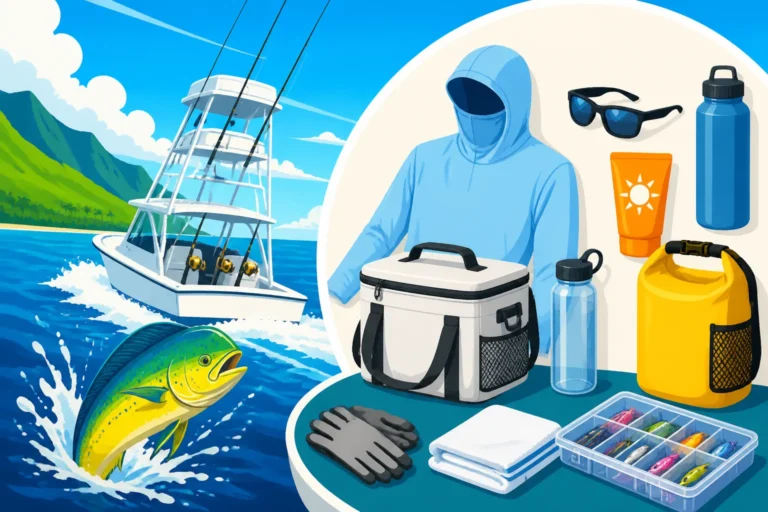
When it comes to attire, comfort and sun protection are paramount. Think layers of lightweight, quick-drying clothing. Long-sleeved shirts and long pants made from performance fabrics are highly recommended to shield your skin from intense UV rays. A wide-brimmed hat is a must for face and neck protection. Without a doubt, the single most important piece of gear you'll bring are polarized sunglasses. These are absolutely non-negotiable for spotting bonefish in the glare of the sun – you simply won't see fish without them. Ensure they are a good quality pair that wraps around to prevent side glare. For your feet, sturdy, closed-toe wading boots or old sneakers with good grip are essential to protect against sharp coral and lava rock. Avoid open-toed sandals or flimsy water shoes, as they offer insufficient protection. Hydration is also key; plan to bring a reusable water bottle and replenish fluids throughout the day.
Understanding Licensing and Permitting
Navigating fishing license requirements can sometimes be confusing, especially when visiting a new state. While many offshore fishing charters in Hawaii often cover the necessary licensing for all passengers on board, for wade fishing, it’s often the angler’s individual responsibility. It's crucial to understand Hawaii's specific Hawaii Fishing License Guide for 2026 and marine recreational fishing regulations beforehand. Currently, for recreational marine (ocean) fishing from shore or a non-motorized vessel, a state fishing license is generally not required for Hawaii residents or nonresidents.
However, rules and regulations can change, and specific areas, such as certain Marine Life Conservation Districts or private lands accessed by a guide, might have unique permitting requirements. Always confirm with your chosen guide if any specific local permits or licenses are needed for the exact areas you'll be fishing. This proactive step ensures you are fully compliant with all local laws and avoids any potential fines or disruptions to your trip. Your guide will be the most up-to-date source of information for the specific locations they frequent. This foresight prevents any last-minute surprises or legal issues that could dampen an otherwise fantastic day on the flats.
Packing Smart: Beyond the Basics
Beyond your clothing, sun protection, and understanding the license situation, a few other items can significantly enhance your comfort and overall experience. A waterproof dry bag or backpack is invaluable for protecting your phone, camera, wallet, and other personal items from splashes or an accidental dunk while wading. Bring plenty of high-energy snacks – protein bars, trail mix, fruit – to keep your energy levels up during hours of walking and casting. Many guides will provide water, but it's always wise to bring extra, especially on a hot day.
If you are a fly angler or spin fisherman with a preferred rod and reel setup, discuss bringing your own gear with your guide. While guides typically supply excellent equipment, some anglers simply prefer the feel of their own trusted rod. Just ensure your gear is appropriate for bonefish (typically 8-weight for fly, medium-light for spinning) and in good working order. Don't forget a small, lightweight pair of pliers for de-hooking fish, a measuring tape (for quick, respectful measurements before release), and a camera to capture those incredible moments. And finally, bring a positive attitude and a sense of adventure! Bonefishing requires patience and persistence, and a good mindset will make the challenges all the more rewarding.
The Guided Bonefishing Experience: From Flats to Fights
Stepping onto the flats of Oahu with an experienced guide is like entering a secret world. It’s a place where time slows down, and your senses sharpen, transforming you from a casual angler into a focused hunter. The real magic of a guided wade trip isn't just about catching fish; it's about the immersive journey and the invaluable lessons learned along the way.
The Hunt: Spotting and Stalking Bonefish
Your guided wade trip for bonefish on Oahu typically begins with a drive to a carefully selected flat. This location is chosen based on an intricate understanding of the tides, recent fish activity, and prevailing weather conditions. This is where your guide's "reading the water" expertise kicks in – they're constantly evaluating factors you might not even notice. Once at the flat, you'll don your wading gear, and the silent hunt begins. Your guide will become your primary set of eyes, relentlessly scanning the water's surface for the subtle clues that betray a bonefish's presence. They'll be looking for a slight tail wagging above the water, a fleeting shadow darting across the sand, a puff of mud indicating a feeding fish, or "nervous water" where a school might be cruising.
This intense visual search is where an experienced guide truly earns their keep. They'll point out fish that you would undoubtedly miss, directing your gaze and offering real-time advice on the fish's direction, speed, and how best to approach it without spooking it. The guide will often spot the fish long before you do, giving you precious seconds to prepare your cast. It's an incredibly immersive experience, demanding patience, stealth, and a keen eye. You'll learn how to "see" fish where you once saw only water, a skill that will forever change your perception of shallow water angling.
Casting Challenges and Landing the "Ghost"
Once a bonefish is sighted and you've been given the "go" from your guide, the adrenaline kicks in, and the pressure is on. Bonefish are incredibly wary, making accurate, quiet casts paramount. Your guide will advise on the best casting angle, often emphasizing a lead to place your fly or lure ahead of the fish's path, allowing it to "find" the offering naturally without feeling threatened. This might mean mastering a quick, short cast in windy conditions or a delicate presentation with minimal splash. The moment your offering hits the water, the guide will coach you on the retrieve, telling you when to strip, when to pause, and when to set the hook.
When you finally feel that electrifying tug, prepare for an exhilarating fight! Bonefish are not called the "ghost of the flats" for nothing; they are renowned for their blistering, reel-screaming runs that will test the drag on your reel and the strength of your line. It's common for them to peel off fifty yards of line in mere seconds. Your guide will provide crucial coaching on how to play the fish effectively, applying steady pressure, working the reel, and anticipating their next move. Safely landing a bonefish for a quick photo before a gentle release is the ultimate reward, ensuring the health and sustainability of this prized species. Marlin catch and release survival tips are often practiced by many guides for bonefish too, emphasizing minimal handling and quick release.
Beyond the Fish: Learning and Appreciating the Ecosystem
A guided wade trip for bonefish on Oahu extends far beyond simply catching fish. It's a profound educational journey that deepens your connection to the marine environment. Your guide, steeped in local knowledge, will often share fascinating insights into the delicate marine ecosystem, explaining the roles of different reef inhabitants, the importance of healthy flats, and the history of traditional Hawaiian fishing practices. You'll learn how to "read" the water in a new way, identifying different bottom structures, understanding the intricate relationships between tides, various baitfish, and predators that inhabit these vibrant shallow waters.
Many passionate anglers describe these trips as transformative experiences, where they not only refine their casting and fish-fighting skills but also gain a much deeper appreciation for the natural world and the importance of conservation. You'll learn about the lifecycle of Bonefish (Oio) in Hawaii and why protecting their habitat is so vital. It's an investment not just in potential catches but in memories, mastery, and a heightened environmental awareness. If you're looking for an unforgettable experience that blends thrilling angling with rich learning, searching for highly-rated guides on platforms like FishingBooker can help you find someone who aligns with your learning goals and passion for responsible fishing.
Comparison Table: DIY Bonefishing vs. Guided Wade Trip on Oahu
For those considering venturing onto Oahu's flats, understanding the distinct advantages of a guided trip versus a do-it-yourself approach can be a critical factor in your overall enjoyment and success.
| Feature | DIY Bonefishing (Oahu) | Guided Wade Trip (Oahu) |
|---|---|---|
| Local Knowledge | Limited; based on online research/luck | Extensive; real-time, nuanced expertise in specific flats |
| Fish Spotting | Very challenging; requires years of practice | Expertly assisted; guide spots fish, directs casts |
| Navigation & Safety | Risk of getting lost, injured on uneven terrain | Guided safely over flats, awareness of hazards, currents |
| Gear Provided | None; must bring all your own specialized gear | Often provided (rods, reels, flies, specialized leader) |
| Technique Coaching | Self-taught; trial and error, slow progress | Real-time instruction, personalized tips, casting advice |
| Access to Prime Spots | Restricted to public access areas; limited options | Access to more productive, less pressured, often secret areas |
| Time Efficiency | Much time spent searching for fish/spots, less fishing | Maximized fishing time in high-probability areas, efficient |
| Success Rate | Lower, especially for beginners or first-timers | Significantly higher due to expertise, access, and coaching |
| Cost | Lower initial outlay (just gear, travel, permits if needed) | Higher initial outlay (guide fee, tip) |
| Learning Opportunity | Experiential, slower progress, self-correction | Accelerated learning, deep ecological and angling insights |
Disclaimer
This article is for general informational purposes only and does not constitute professional advice. Laws, prices and regulations vary by location and change over time. Consult a qualified professional for guidance on your specific situation.