Best fly fishing charters for bonefish on the flats
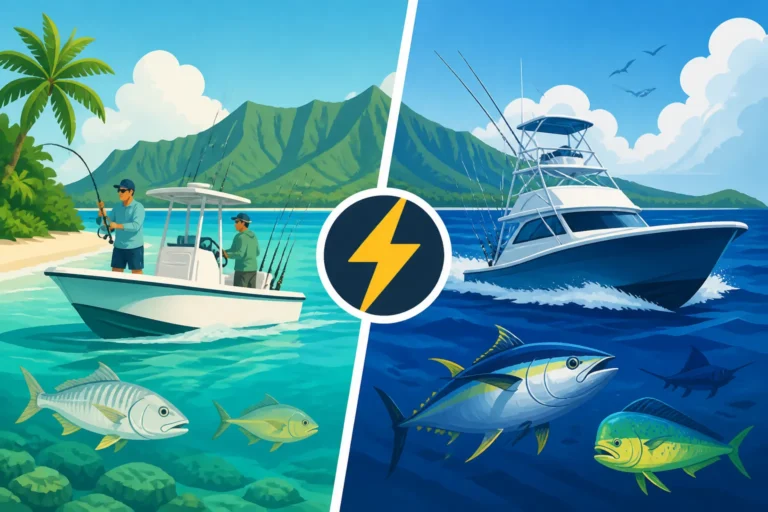
It’s a common misconception that Hawaii fishing is solely about battling massive marlin in the deep blue or dropping lines for bottomfish far offshore. While those are incredible experiences, many passionate fly anglers dream of something different: the exhilarating pursuit of bonefish on Hawaii’s unique shallow flats. Finding a truly specialized fly fishing charter for these elusive "ghosts of the flats" can feel like searching for a needle in a haystack, but this guide is here to illuminate the path and help you connect with the best in the business.
Why Hawaii's Bonefish Flats Are a Fly Angler's Dream (and Challenge)
Hawaii might not be the first place that comes to mind when you think of world-class bonefishing, but for those in the know, the islands offer some truly exceptional and challenging opportunities. These aren't your typical vast, sandy Caribbean flats; Hawaii's bonefish environments are often rugged, diverse, and demand a keen eye and precise presentation. The reward? Hooking into some of the largest, hardest-fighting bonefish on the planet.
The Elusive "Ghost of the Flats" in Hawaiian Waters
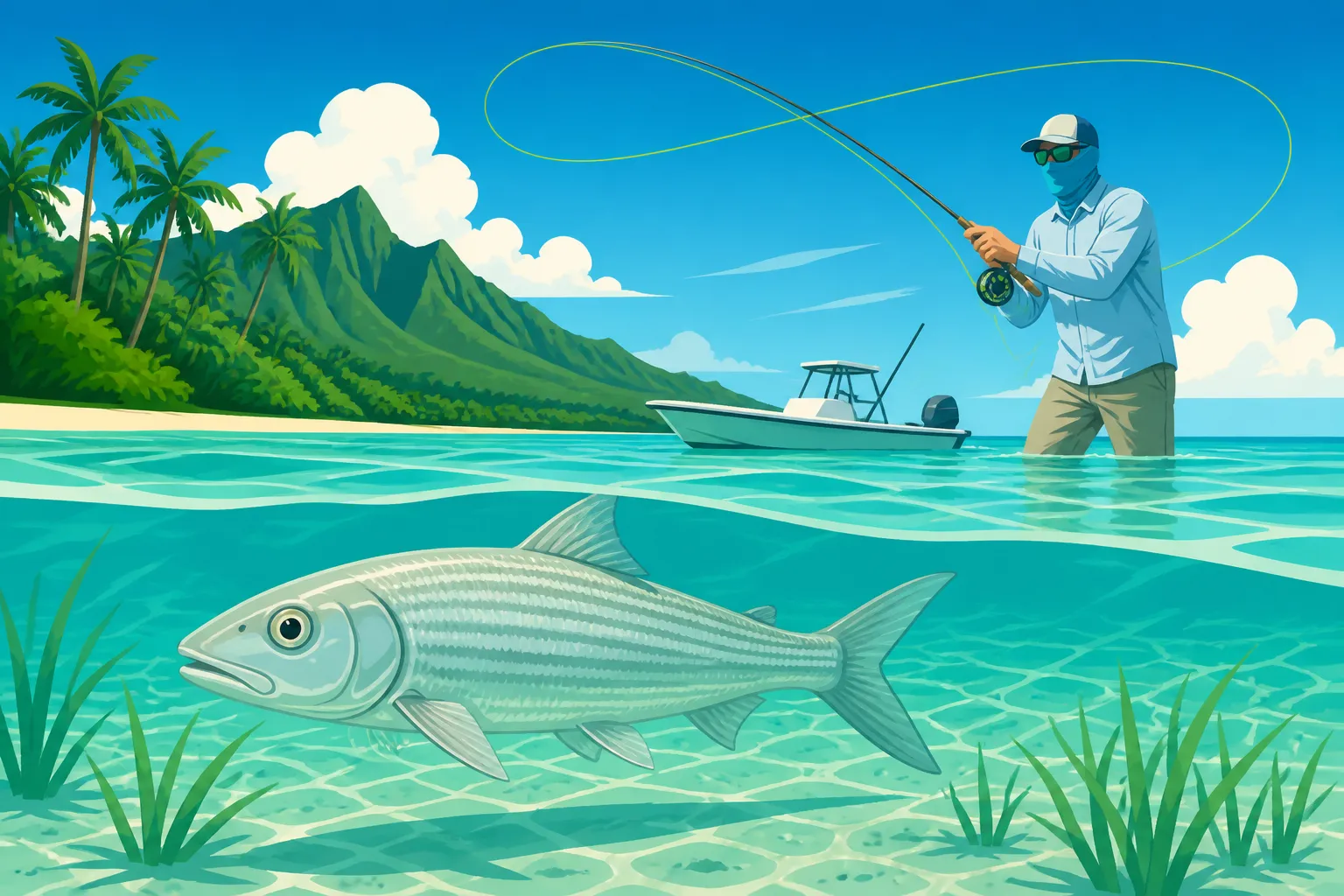
Hawaii's bonefish, often called oio by locals, are renowned for their impressive size and incredible power. While bonefish elsewhere might average a few pounds, it's not uncommon to encounter oio weighing 5 to 10 pounds or even more in Hawaii, making them truly trophy-sized specimens. When hooked, these fish unleash blistering runs, often stripping hundreds of yards of line from your reel in seconds. This makes them a prime target for fly anglers seeking a serious challenge.
The real thrill, however, is in the hunt. Stalking these silver missiles as they cruise the shallow flats, often with just a sliver of their tail breaking the surface, is an adrenaline-pumping experience. They blend seamlessly with the bottom, making them incredibly difficult to spot, hence their nickname "ghost of the flats." The crystal-clear Hawaiian waters, combined with the often complex bottom structure, demand exceptional eyesight from both angler and guide. Missing a subtle movement or a flash of silver can mean missing your only shot at a truly memorable fish.
What Makes a Hawaii Bonefish Flat Different?
Unlike the expansive, homogenous sand flats found in many other bonefishing destinations, Hawaii's flats are distinct. You'll find a dynamic mix of environments: shallow sandy patches, coral gardens, scattered lava rock, and sometimes even a mix of muddy bottom in areas like Keehi Lagoon or Sand Island. This varied terrain presents unique challenges. Your casts need to be accurate to avoid snags, and your retrieve must be adaptable to the changing bottom. The bonefish here are accustomed to these complex habitats and use them to their advantage for camouflage and feeding.
Tides and currents also play a significant role. The Pacific Ocean's powerful movements can create strong currents across the flats, influencing where bonefish feed and how they approach baits. A good guide understands these nuances, knowing exactly which areas will hold fish on a falling tide versus a rising one, or where a slight current break might offer a prime ambush point. This local knowledge is absolutely crucial, as simply wading out onto any flat might leave you scratching your head while the fish swim right past. Understanding these intricacies is key to successful fly fishing for bonefish in Hawaii, which is why a specialized charter is so valuable.
What to Look For in a Top-Notch Hawaii Bonefish Fly Fishing Charter
Embarking on a fly fishing trip for bonefish in Hawaii requires more than just booking any boat. You need a specialized charter with guides who live and breathe fly fishing on these unique flats. The right guide, combined with appropriate gear, can transform a frustrating day into an unforgettable success.
The Guide Makes All the Difference: Local Knowledge and Patience
For fly fishing on Hawaii's flats, your guide is your most critical asset. They aren't just boat drivers; they are expert spotters, local naturalists, and patient coaches. A top-notch guide possesses an intimate understanding of the specific flats they fish, whether it's the vastness of the flats around Honolulu or the more remote areas on other islands. They know the subtle changes in bottom composition, the intricate tidal patterns, and, most importantly, where the oio will be feeding based on conditions. For instance, a great guide on Oahu knows the prime spots in Keehi Lagoon Bonefishing or can navigate the tricky terrain near Sand Island Bonefishing. This isn't knowledge you pick up from a map; it comes from years, often decades, spent poling across these waters.
Furthermore, patience is paramount. Fly fishing for bonefish can be a game of inches and precise timing. Your guide needs to be patient with your casting, patient in waiting for the perfect shot, and patient in teaching you how to "read" the water and spot fish. They'll coach you on everything from presentation angles to retrieve speeds. They understand that fly fishing is about the experience, the hunt, and the challenge, not just a numbers game. When you're searching for your charter, look for guides with a strong reputation for fly fishing specifically, often found through dedicated fly fishing forums or platforms like FishingBooker where you can filter by specialty.
Specialized Equipment for Hawaiian Bonefish
While a general offshore charter might provide heavy trolling gear, a dedicated bonefish fly fishing charter will be equipped with very specific tools. Typically, you'll be using 8-weight or 9-weight fly rods, paired with high-quality, saltwater-specific reels that have a smooth drag system and ample backing – essential for those blistering bonefish runs. The fly lines will be weight-forward floating lines designed for saltwater, capable of cutting through the wind, and leaders will be tapered, often with a fluorocarbon tippet for stealth and abrasion resistance against coral.
Beyond the rod and reel, the vessel itself is important. A specialized charter for flats fishing will likely operate from a poling skiff or a shallow-draft boat that can quietly navigate extremely skinny water without spooking fish. These boats allow the guide to pole silently across the flats, positioning you for optimal casting opportunities. Don't forget the flies! While your guide will provide a selection, understanding the local preferences is good. Flies mimicking small shrimp, crabs, or baitfish in natural tones are often effective. It’s worth asking if the charter provides all necessary gear or if you should bring your favorite Best Fly Patterns for Oahu Bonefish.
Finding and Booking Your Specialized Flats Guide in Hawaii
The quest for the perfect bonefish fly fishing charter in Hawaii can feel daunting, but knowing where to focus your search will save you a lot of time and potential frustration. It's about finding specialists, not generalists.
Where to Start Your Search: Dedicated Flats Guides
The first thing to understand is that not every fishing charter in Hawaii offers specialized fly fishing for bonefish on the flats. Many charters focus on deep-sea trolling for marlin and tuna or bottomfishing for snappers. To find your ideal experience, you need to seek out guides who explicitly advertise and specialize in fly fishing, particularly for bonefish. These guides often have smaller operations, focusing on a more intimate and tailored experience. They might not be found on every tourist brochure.
Start by looking for guides who operate specifically in areas known for bonefish, such as the leeward side of Oahu or certain areas on the Big Island. Online platforms like FishingBooker can be incredibly useful, allowing you to filter by location, species, and even fishing technique (like fly fishing). Read reviews carefully, looking for comments that specifically mention fly fishing for bonefish, guide patience, and knowledge of the flats. Don't hesitate to directly contact guides to confirm their expertise in this niche. You want someone whose passion aligns with yours, someone who understands the subtle art of the long rod on the flats. This approach is much more effective than simply searching for "Hawaii fishing charter" and hoping for the best.
Key Questions to Ask Before Booking
Once you've identified a few potential guides, it's time to ask some specific questions to ensure they're the right fit for your bonefishing adventure. Think of it as an interview process for your ideal fishing partner for the day.
Here are some crucial questions:
- "What is your experience specifically guiding for bonefish on the fly in Hawaii?" Look for seasoned guides with local expertise.
- "What type of boat do you use for flats fishing, and how many anglers can it comfortably accommodate?" A poling skiff or shallow-draft boat is ideal.
- "What rods, reels, and lines do you provide, and what fly patterns do you typically use?" This ensures their gear matches your expectations for fly fishing.
- "Do you practice catch-and-release for bonefish?" Most reputable fly fishing guides for bonefish do, aligning with conservation ethics.
- "What areas or specific flats do you typically fish, and how do you decide where to go on any given day?" This shows their local knowledge and adaptability.
- "What is your policy regarding weather cancellations or unexpected conditions?" Always good to know beforehand.
Knowing these details will help you determine if the guide's approach and experience align with the specific kind of bonefishing trip you envision. Remember, a truly specialized guide will appreciate your thoroughness, as it shows you're a serious angler.
Understanding Pricing and Inclusions
Specialized fly fishing charters for bonefish often have a different pricing structure than general deep-sea charters. Because they offer a highly personalized experience, often for just one or two anglers, and require unique equipment and highly specialized knowledge, the cost might be comparable to or even higher than some larger shared offshore trips.
When inquiring about pricing, clarify exactly what is included. Typically, a reputable bonefish fly fishing charter will include:
- Guide services: Their time, expertise, and spotting abilities.
- Specialized gear: Use of appropriate fly rods, reels, lines, and a selection of effective fly patterns.
- Vessel: The use of their specialized flats skiff or boat.
- Cooler with drinks and snacks: Often provided for convenience.
Things that are generally not included are fishing licenses (ensure you know Do You Need a Fishing License in Hawaii), polarized sunglasses (a must-have for spotting fish), appropriate clothing, sun protection (hats, buffs, sunscreen), and gratuities for your guide. Always confirm these details upfront so there are no surprises. A good charter service, like those found on platforms like FishingBooker, will often list these inclusions and exclusions clearly, helping you budget for your incredible Hawaii bonefish adventure. While the cost may seem like an investment, the unparalleled experience of sight fishing for Hawaiian oio is truly priceless.
Gearing Up and Getting Ready for Your Hawaiian Bonefish Hunt
Successfully fly fishing for bonefish in Hawaii isn't just about finding the right charter; it's also about preparing yourself and your personal gear for the unique conditions you'll encounter on the flats. A little preparation goes a long way in ensuring comfort and maximizing your chances of success.
Essential Gear and Personal Items to Bring
When you're out on the flats, whether wading or fishing from a skiff, you'll be exposed to the elements for hours. The Hawaiian sun is intense, and the glare off the water can be brutal. Therefore, a few key items are absolutely essential for your comfort and ability to spot fish:
- Polarized Sunglasses: This is non-negotiable. High-quality polarized lenses dramatically reduce glare, allowing you to see into the water and spot bonefish much more effectively. Amber or copper lenses are often preferred for shallow water.
- Sun Protection: A wide-brimmed hat, a buff or neck gaiter, and quick-drying, long-sleeved shirts with UPF protection are vital. Don't forget reef-safe sunscreen for any exposed skin.
- Wading Boots or Closed-Toe Shoes: If you plan on wading, protective footwear is a must to guard against sharp coral, lava rock, and potential encounters with sea urchins. Even from a boat, non-slip deck shoes are advisable.
- Lightweight, Breathable Clothing: Opt for light colors that reflect the sun. Quick-drying fabrics are best, as you might get splashed or want to cool off.
- Rain Gear: While Hawaii is famous for sunshine, sudden tropical showers can pop up. A lightweight rain jacket can be a lifesaver.
- Camera: You'll want to capture the stunning scenery and, of course, your trophy bonefish! Ensure it's waterproof or in a dry bag.
- Water Bottle/Hydration: Even if your charter provides drinks, having your own reusable water bottle is a good idea to stay hydrated.
Being prepared with these items means you can focus on the fishing, not on being uncomfortable or squinting through the glare.
Practice Makes Perfect: Sharpening Your Casting Skills
Fly fishing for bonefish on the flats demands casting accuracy, quickness, and the ability to handle wind. Unlike other types of fishing where a long, leisurely cast might be fine, bonefish often appear suddenly, requiring you to make a precise cast under pressure to a moving target.
Before your trip, dedicate time to practicing your casting. Focus on:
- Accuracy: Practice hitting a small target at various distances, from 30 to 60 feet. Bonefish often require delicate, accurate presentations.
- Quickness: Work on getting your fly out efficiently with just a few false casts. Bonefish don't wait around.
- Double Haul: This technique is essential for generating line speed and making longer casts, especially into the wind, which is a common condition on Hawaii's flats. If you’re not familiar with it, now is the time to learn!
- Casting in Wind: If possible, practice in windy conditions. Learn to adjust your casting stroke and trajectory to combat the wind and avoid tailing loops.
- Pickup and Laydown: Practice smoothly picking up your line and laying down your fly without excessive splashing, which can spook wary fish.
Remember, you'll often be casting from a boat, sometimes in choppy conditions, or wading with currents, so being proficient with your casting will significantly increase your chances of success. Think of it like preparing for a golf game – the more you practice your swing, the better you'll perform on the course. For more specific insights on technique, you might find valuable tips in resources like Best Bonefishing Techniques for Oahu Flats.
Disclaimer
This article is for general informational purposes only and does not constitute professional advice. Laws, prices and regulations vary by location and change over time. Consult a qualified professional for guidance on your specific situation.