Best Charters Out of Maalaea Harbor
Finding the perfect fishing charter in a bustling place like Maui can feel overwhelming, especially with so many options vying for your attention and promising the "best" experience. It's tough to discern which boat truly aligns with your fishing goals, whether you're dreaming of a monster marlin or a delicious dinner of mahi-mahi. This comprehensive guide will cut through the noise, focusing specifically on the incredible opportunities available when departing from Maalaea Harbor, helping you confidently select the ideal charter for your Hawaiian fishing adventure.
Why Maalaea Harbor is a Prime Departure Point for Anglers
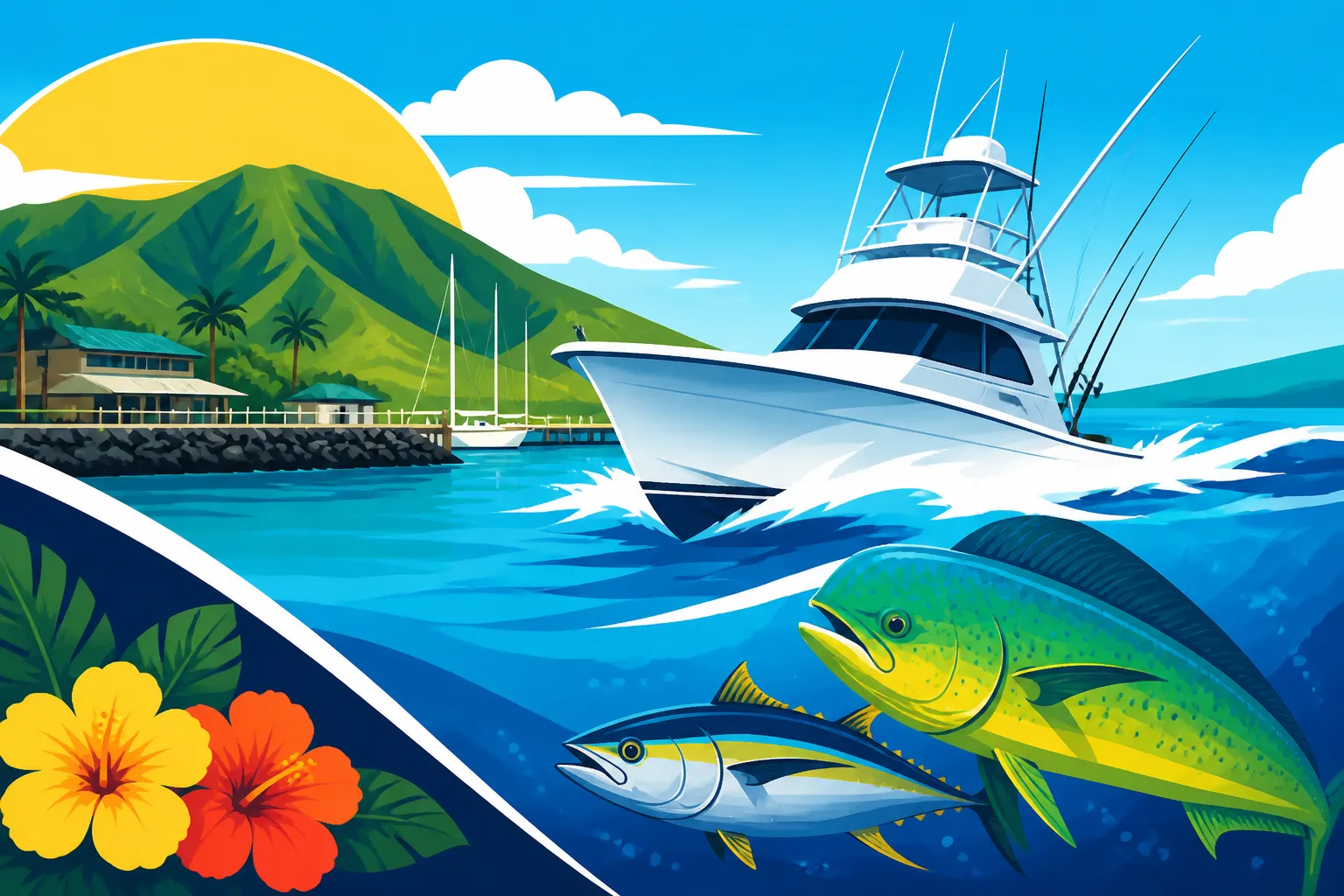
Maalaea Harbor, nestled on Maui's south-central coast, isn't just a pretty postcard scene; it's a strategic launchpad for some of the best fishing in Hawaii. Its unique location offers distinct advantages that seasoned anglers and first-time visitors alike appreciate. When you choose to depart from Maalaea, you're not just picking a harbor; you're leveraging its inherent benefits for a potentially more fruitful and enjoyable day on the water.
Strategic Location and Accessibility
Maalaea's central position on Maui means it's relatively easy to get to from many popular tourist areas like Kihei, Wailea, and even Lahaina. You won't find yourself enduring a marathon drive before you even step foot on the boat. This accessibility is a huge plus, especially for early morning departures when every minute of sleep counts. But beyond convenience, its central location also offers a unique geographical advantage. The harbor provides relatively quick access to both the leeward (west) and windward (east) sides of the island's prime fishing grounds, giving captains more flexibility to chase fish or find calmer waters depending on the daily conditions.
Imagine waking up, grabbing a quick breakfast, and being at the harbor in short order, ready to cast off. This ease of access significantly reduces travel stress, allowing you to focus on the excitement of the upcoming trip. Whether you're staying near the resorts or a quieter rental, Maalaea is generally within a comfortable driving distance, meaning less time in the car and more time on the water.
Sheltered Waters and Reliable Departures
One of the biggest frustrations for any angler is a canceled trip due to rough seas. While no harbor can guarantee perfect weather, Maalaea Harbor benefits from its position within Maalaea Bay, which is generally more sheltered from the prevailing northeasterly trade winds than other coastal areas. This natural protection often means that while other harbors might be experiencing choppy conditions, Maalaea can still offer smoother departures and returns, leading to more reliable trip schedules.
Even if the open ocean is a bit rough, the initial journey out of the harbor and across the bay is often much calmer, providing a gentle start to your day. This can be particularly comforting for those prone to seasickness, giving them a chance to acclimate before hitting the deeper waters. The consistent ability to depart also means less disappointment and rescheduling for visitors who often have tight vacation itineraries.
Proximity to Rich Fishing Grounds
Beyond its sheltered bay, Maalaea is famously close to deep ocean trenches and fish-aggregating devices (FADs) that attract pelagic species like marlin, ahi, mahi-mahi, and ono. Many charters departing from Maalaea boast shorter run times to these productive grounds compared to other harbors, maximizing your actual fishing time. Think about it: less time spent steaming to the spot means more time with lines in the water, which is ultimately what every angler wants.
This proximity also makes Maalaea an excellent base for targeting a diverse range of species. Whether you're looking to troll for big game offshore or drop lines for tasty bottomfish closer to the ledges and reefs, Maalaea's location provides efficient access to a variety of marine habitats. You're not locked into just one type of fishing; the options really open up.
Types of Fishing Charters Available from Maalaea
When you embark on a fishing adventure from Maalaea Harbor, you'll discover a spectrum of charter options, each designed to cater to different budgets, group sizes, and fishing preferences. Understanding these variations is key to picking the right experience for your Hawaiian getaway. It's not just about getting on a boat; it's about matching the trip to your vision of a perfect day.
Shared (Open) Charters
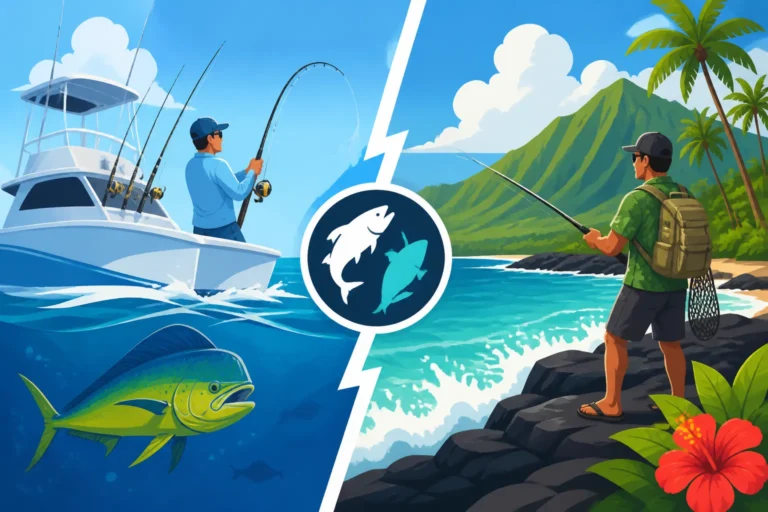
Shared charters, often called "open boat" trips, are a fantastic option for individuals or small groups who want to experience offshore fishing without the expense of booking an entire boat. On these trips, you'll join other anglers, typically up to six passengers, sharing the deck, the lines, and the excitement. This camaraderie can be a real highlight, as you cheer on fellow fishermen and share stories.
The cost per person for a shared charter is significantly lower than a private booking, making it accessible for many budgets. You'll usually get a predetermined amount of time, often a half-day (4 hours) or a ¾-day (6 hours), though full-day options might exist. The fishing focus is usually on trolling for pelagic species, as this method allows multiple lines in the water and fair opportunities for all anglers. While you might not get to dictate the exact fishing style or target species as much as on a private trip, it's an excellent way to get a taste of big game fishing in Hawaii and potentially make some new friends. Many excellent Maalaea-based charters list their shared trip availability on platforms like FishingBooker, making it easy to compare and book.
Private Charters
For those seeking a more personalized and exclusive experience, a private charter is the way to go. You book the entire boat for your group, whether it's just you and a friend or your whole family. This means you have complete control over the itinerary, the target species, and the fishing techniques employed. Want to spend the whole day targeting marlin? No problem. Prefer to try a mix of trolling and bottom fishing? Absolutely doable.
Private charters offer unparalleled flexibility. You can customize your departure time (within reason), choose to focus on specific techniques like jigging or live baiting, and even decide whether you want to prioritize catch-and-release or keep fish for dinner (within legal limits, of course). This option is ideal for families with young children, experienced anglers looking to hone specific skills, or groups who simply prefer privacy and tailored service. While more expensive upfront, when split among a group, the per-person cost can become quite reasonable, and the customizability often makes it worth every penny.
Half-Day vs. Full-Day Trips
The duration of your charter is another critical decision, primarily influencing the range of fishing grounds accessible and the variety of techniques you can employ. Maalaea charters typically offer half-day, ¾-day, and full-day options, each with its own advantages.
A half-day trip, usually 4 hours, is perfect for beginners, families with young children, or those with limited time or budget. It offers a solid introduction to Hawaiian fishing, often focusing on trolling closer to shore for species like mahi-mahi and smaller tuna. You get a taste of the action without committing to a full day on the open ocean, making it a great choice if you're unsure how you'll handle the rocking motion or simply want to fit fishing into a busy vacation schedule.
Full-day charters, typically 8 hours, provide the most comprehensive experience. With more time, the captain can venture further offshore to target larger, more elusive species like grander marlin or explore diverse bottom fishing spots. This extended duration allows for a wider range of techniques, including various trolling patterns, deep dropping, and chumming, significantly increasing your chances of a memorable catch. For serious anglers or those truly dedicated to landing a trophy fish, a full-day trip from Maalaea is almost always the recommended choice. There are also ¾-day options, often 6 hours, which serve as a great middle ground, offering more fishing time than a half-day but being slightly less intense than a full-day excursion. You'll find options for all durations when researching Maalaea charters, including through platforms like FishingBooker.
Targeting Specific Species: What You Can Catch from Maalaea
The waters off Maalaea Harbor teem with an incredible diversity of fish, offering something for every angler. Depending on the season, conditions, and your chosen charter's focus, you could be battling powerful pelagics or reeling in delicious reef fish. Understanding what you might encounter can help you tailor your trip and manage your expectations.
Pelagic Species: The Big Game Hunters
The open ocean surrounding Maui, easily accessible from Maalaea, is world-renowned for its thrilling big game fishing. These pelagic species are fast, powerful, and truly put an angler's skills to the test.
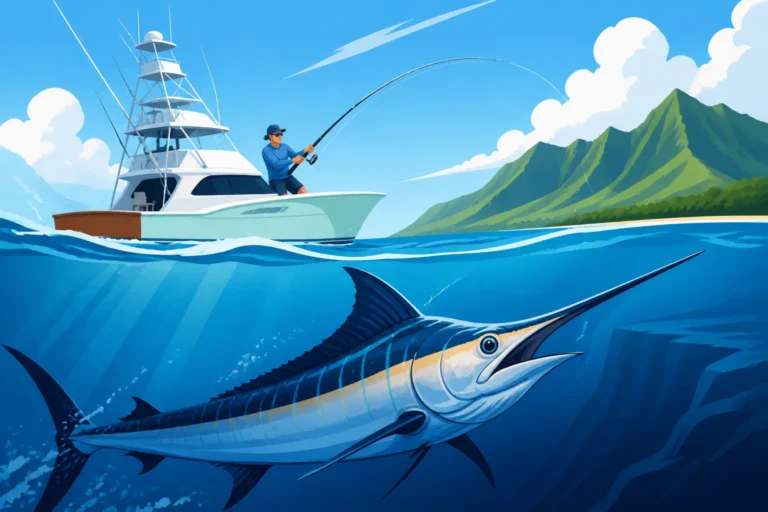
- Marlin (Blue, Striped, Spearfish): When you think of Hawaii deep sea fishing, marlin often come to mind. Blue Marlin are the true titans, growing to incredible sizes and providing epic battles. Striped Marlin are also common, known for their acrobatic jumps, and smaller Spearfish offer a challenging light tackle fight. The Kona Coast is famous for its marlin, but Maui's waters certainly hold their own, especially when conditions are right. These apex predators are typically caught by trolling large lures or bait in offshore waters. For a deep dive into battling these giants, check out Marlin Fishing off the Kona Coast.
- Ahi (Yellowfin Tuna): Ahi are a prized catch, not just for their formidable fight but also for their delectable meat. These powerful tuna often school around FADs and other offshore structures. They hit lures hard and pull with incredible strength, making for an exhausting but rewarding fight. Ahi can be targeted through trolling, chunking, or jigging. If you're keen on landing one, our guide on Ahi (Yellowfin Tuna) Fishing in Hawaii offers valuable insights.
- Mahimahi (Dolphin Fish): Known for their vibrant colors and acrobatic leaps, mahi-mahi are a favorite among anglers. They are typically found near floating debris, weed lines, or FADs. Mahimahi are aggressive feeders and provide an exciting fight on light to medium tackle. They are also incredibly delicious, making them a popular target for those looking to bring home dinner. You can learn more about how to catch these beautiful fish in How to Catch Mahimahi in Hawaii.
- Ono (Wahoo): With their sleek, torpedo-like bodies and razor-sharp teeth, ono (Hawaiian for "delicious") are built for speed. They are notorious for their blistering runs and often strike trolled lures with incredible force. Ono typically patrol offshore banks and ledges. Landing an ono requires quick reflexes and strong tackle, but the reward is a truly excellent eating fish. Our guide to Ono (Wahoo) Fishing in Hawaii delves into the best techniques for catching these speed demons.
Bottomfish and Reef Fish: Dinner Plate Delights
While the big game gets a lot of attention, the waters off Maalaea also offer fantastic opportunities for bottomfishing and targeting reef-dwelling species. These fish are often caught closer to shore, around reefs, ledges, and deep-water drop-offs.
- Opakapaka (Pink Snapper) and Onaga (Ruby Snapper): These are two of Hawaii's most sought-after deepwater bottomfish, known for their exquisite flavor and beautiful appearance. They inhabit rocky structures at depths often exceeding 300 feet, requiring specialized electric reels and heavy weights to reach them. A successful bottomfishing trip can yield a bounty of these highly prized fish. Many Maalaea charters specialize in these deep drop excursions. For more about this exciting fishery, explore Bottomfishing in Hawaii.
- Kumu (Goatfish) and Weke (Goatfish): These smaller, colorful reef fish are excellent table fare and are often caught closer to shore or on shallower bottom fishing trips. They have distinctive barbels under their chins, which they use to root around in the sand for crustaceans and small invertebrates. They offer a fun and engaging fight on lighter tackle, perfect for family-friendly trips or those looking for a delicious dinner.
- Ulua (Giant Trevally) and Papio (Juvenile Trevally): While often targeted by shore anglers, ulua and papio can also be caught on nearshore boat charters, especially when fishing rocky points or reef edges. Ulua are incredibly powerful and aggressive, providing a brutal fight that few other fish can match. Papio are the smaller, juvenile versions, offering a strong fight on lighter gear. For insights into these formidable fighters, check out Ulua (Giant Trevally) Fishing in Hawaii and How to Catch Papio on Hawaii's Shoreline.
- Taape (Bluestripe Snapper) and Roi (Peacock Grouper): These introduced species are often abundant on Hawaii's reefs and are generally encouraged for harvest due to their invasive nature. While not native, they provide plenty of action and can be quite tasty. Many charters will target them, especially for anglers looking for consistent bites and plenty of fish to take home. They are common catches during reef fishing or shallow bottomfishing sessions.
Here's a quick overview of some popular target species and when they are often most active:
| Species | Primary Fishing Method | Best Season(s) | Notes |
|---|---|---|---|
| Blue Marlin | Trolling | Summer (May – Sept), but year-round | Trophy potential, powerful fight |
| Striped Marlin | Trolling | Winter/Spring (Nov – Apr) | Acrobatic jumps, strong fight |
| Ahi (Yellowfin Tuna) | Trolling, Chunking, Jigging | Summer (May – Sept), but year-round | Excellent eating, strong fight around FADs |
| Mahimahi (Dolphin Fish) | Trolling, Live Bait | Spring (Feb – May), often year-round | Colorful, acrobatic, delicious, often near floating debris |
| Ono (Wahoo) | High-Speed Trolling | Fall (Sept – Nov), often year-round | Fast runs, razor teeth, excellent eating |
| Opakapaka (Pink Snapper) | Deep Drop Bottomfishing | Year-round, best in calm conditions | Highly prized eating fish, deepwater specialized gear |
| Onaga (Ruby Snapper) | Deep Drop Bottomfishing | Year-round, best in calm conditions | Highly prized eating fish, deepwater specialized gear |
| Ulua (Giant Trevally) | Live Bait, Heavy Tackle | Year-round, often night fishing | Brutal fight, strong current areas, not typically kept for eating |
| Papio (Juvenile Trevally) | Light Tackle, Whipping | Year-round, often nearshore | Fun fight, can be found around reefs and shorelines |
What to Look for in a Maalaea Harbor Charter
Choosing the right fishing charter from Maalaea Harbor is about more than just finding an available boat. It's about ensuring a safe, productive, and enjoyable experience that aligns with your expectations. A little research goes a long way in making sure your investment in a Hawaiian fishing trip pays off in memories and potentially, fresh fish for dinner.
Captain and Crew Experience
The experience of your captain and crew is paramount. A seasoned captain will not only know the local waters like the back of their hand – where the fish are likely to be, the best spots for different species, and how currents and tides affect fishing – but also possess an intimate understanding of the unique conditions that can arise offshore. They'll know how to read the weather, navigate safely, and ensure everyone's well-being. Look for captains with years of experience fishing specifically out of Maalaea or other Maui harbors.
A good crew is equally important. They should be friendly, knowledgeable, and attentive, ready to assist with baiting hooks, gaffing fish, and explaining techniques. They're often the ones who make the trip truly memorable, especially for beginners. Don't hesitate to check online reviews or ask direct questions about the crew's experience and customer service when booking. Websites like FishingBooker often feature detailed captain profiles and genuine angler reviews that highlight these aspects.
Boat Features and Equipment
The boat itself, and the gear it carries, significantly impacts your comfort and fishing success. Charters from Maalaea come in various sizes and styles, from smaller center consoles perfect for light tackle to larger, more stable sportfishing yachts designed for serious offshore battles.
Consider the following:
- Boat Size and Type: Larger sportfishers generally offer more stability in rougher seas, more deck space, and often a comfortable air-conditioned cabin, which can be a huge plus on a hot day or for long full-day trips. Smaller boats might offer a more intimate experience but can be less comfortable in choppy conditions.
- Fishing Gear: Ensure the charter provides high-quality, well-maintained fishing rods, reels, lines, and tackle appropriate for the species you plan to target. For big game fishing, this means heavy-duty conventional gear. For bottomfishing, you might need electric reels. Ask about the type and condition of their gear.
- Safety Equipment: A reputable charter will always have all required safety equipment on board, including life jackets for all passengers, a first aid kit, fire extinguishers, communication devices, and navigation electronics. Don't be afraid to discreetly observe these provisions when you board.
- Amenities: Depending on the duration and style of the trip, you might appreciate amenities like a restroom, shaded areas, a cooler with ice for drinks and snacks, and perhaps even a cabin for resting. These comfort features can make a big difference, especially on extended charters.
Charter Services and Inclusions
Finally, clarify what's included in the charter price. This can vary widely and impact your overall experience and budget.
Typical inclusions often cover:
- Fishing Gear: Rods, reels, lines, and a basic selection of lures and bait.
- License: Most recreational charters will cover the necessary Hawaii fishing licenses for all aboard, so you don't need to worry about obtaining your own. However, it's always wise to confirm this directly. For specifics on licenses, you might find Do You Need a Fishing License in Hawaii helpful.
- Bait and Tackle: Fresh bait and a reasonable amount of terminal tackle.
- Ice: For keeping your catch fresh and your drinks cold.
- Fish Cleaning: Many charters will clean and bag your catch at the end of the trip, ready for you to take home.
- Water and Soft Drinks: Some charters provide these as a courtesy.
What's typically not included:
- Food and Alcoholic Beverages: You'll usually need to bring your own.
- Sunscreen, Hats, Sunglasses: Personal items for sun protection.
- Gratuities for the Crew: Tipping is customary and highly appreciated, typically 15-20% of the charter price. Our guide on Tipping Etiquette for Hawaii Fishing Charters provides more details.
- Specialty Lures or Heavy-Duty Rigs: If you have very specific fishing preferences, you might need to arrange for specialty gear in advance or bring your own.
Understanding these inclusions helps avoid any surprises and ensures you're prepared for your day on the water.
Booking Your Maalaea Harbor Fishing Adventure
Once you've decided on the type of charter and what you're looking for, the next step is to secure your spot. Planning ahead, knowing when to book, and understanding what questions to ask can make the booking process seamless and ensure you get the best possible experience.
When to Book and How to Research
Hawaii is a popular destination, and good fishing charters, especially those departing from prime locations like Maalaea Harbor, can book up quickly. This is particularly true during peak tourist seasons (winter holidays, spring break, summer) and around major fishing tournaments. Ideally, you should aim to book your charter at least a few weeks in advance, and even several months ahead for peak dates or if you have specific dates and boat preferences.
Researching charters is crucial. Start by exploring online platforms that aggregate fishing charters, like FishingBooker. These sites allow you to filter by location (Maalaea Harbor), boat type, trip duration, target species, and even read reviews from previous customers. Reviews are invaluable; they offer firsthand accounts of the captain's personality, the crew's helpfulness, the condition of the boat, and overall satisfaction. Pay attention to both glowing reviews and any consistent complaints. You can also directly visit charter websites or call them to get a feel for their service and expertise. Look for charters that openly display their catches and boast consistent success with the species you're after.
Essential Questions to Ask Before Booking
When you're narrowing down your options, don't be shy about asking questions. A reputable charter will be happy to provide all the information you need.
- What's included in the price? Reconfirm all inclusions and exclusions (bait, tackle, licenses, drinks, fish cleaning, etc.) to avoid hidden costs.
- What's the cancellation policy? Understand their policy for bad weather, mechanical issues, or if you need to cancel or reschedule your trip.
- What's your typical catch policy? Do they encourage catch-and-release for certain species? Are you allowed to keep fish for dinner, and if so, how is the catch divided on shared charters?
- How many anglers will be on board (for shared trips)? This impacts space and individual fishing time.
- What's the experience level of the crew? A friendly and knowledgeable crew can make all the difference, especially for beginners.
- What are the boat's amenities? Ask about restrooms, shaded areas, and any other comfort features important to you.
- Is seasickness common on your boat, and what do you recommend? They might offer advice or suggest specific spots on the boat for comfort. Our guide Seasickness tips for a Hawaii fishing charter has more great info.
Utilizing Online Booking Platforms and Direct Contact
Online booking platforms have revolutionized how anglers find and reserve charters. Sites like FishingBooker provide a centralized place to browse a wide array of Maalaea charters, compare prices, read reviews, and book securely. They often have customer support to help with questions or issues, and their detailed listings can save you a lot of time. Many also offer "best price guarantees" or flexible cancellation options.
However, don't underestimate the value of direct communication. Once you've identified a few top contenders, a quick phone call can help you gauge the captain's personality, ask specific questions that might not be covered online, and get a better feel for whether they're the right fit for your group. Sometimes, a direct conversation can clear up any ambiguities and solidify your decision. Whether you book through a platform or directly, always ensure you receive a written confirmation of your booking details.
Preparing for Your Maalaea Fishing Trip
You've booked your charter, and the excitement is building! Now, a little preparation can go a long way in ensuring your day on the water is as enjoyable and comfortable as possible. Thinking ahead about what to bring and how to manage the conditions will set you up for success. For a broader overview of what to expect, read What to Expect on a Hawaii Fishing Charter.
What to Pack and Wear
Packing wisely for a day on the ocean in Hawaii means balancing sun protection with comfort. The tropical sun can be intense, even on cloudy days, and reflection off the water amplifies its effects.
- Sun Protection: This is non-negotiable. Bring high-SPF, reef-safe sunscreen, a wide-brimmed hat, and polarized sunglasses. Long-sleeved, lightweight, breathable shirts (often called "fishing shirts") and long pants can offer excellent sun protection without being too hot.
- Clothing: Wear comfortable clothes that you don't mind getting wet or a little messy. Opt for quick-drying fabrics. Even if you don't plan on getting splashed, saltwater spray is common.
- Footwear: Closed-toe shoes with good grip are essential for safety on a wet, moving boat deck. Sandals or flip-flops can be a hazard.
- Rain Gear: While Maui is generally sunny, sudden tropical showers can occur. A lightweight, packable rain jacket can be a lifesaver.
- Camera: You'll want to capture those epic fish photos! Ensure it's waterproof or in a waterproof bag.
- Cooler with Food and Drinks: Confirm with your charter what they provide. Most charters offer water, but you'll likely want to bring your own snacks, sandwiches, and any preferred non-alcoholic or alcoholic beverages (check the boat's policy on alcohol first).
- Motion Sickness Medication: If you're prone to seasickness, take medication before you board, as per the instructions. Don't wait until you feel sick; by then, it's often too late.
Seasickness Prevention and Management
Seasickness can turn a dream trip into a nightmare, but there are many strategies to prevent and manage it. Maalaea Bay can be calm, but once you head offshore, conditions can change rapidly.
- Pre-Trip Medication: As mentioned, if you're susceptible, take over-the-counter motion sickness medication (like Dramamine or Bonine) the night before and again in the morning, or wear a scopolamine patch as prescribed by a doctor.
- Stay Hydrated and Avoid Heavy Meals: Drink plenty of water and avoid excessive alcohol or greasy foods the night before and the morning of your trip. Light, bland snacks like crackers can be helpful.
- Stay on Deck and Look at the Horizon: Fresh air is your friend. Avoid going below deck or focusing intensely on objects close by (like your phone). Staring at the distant horizon helps your inner ear and eyes reconcile the motion.
- Ginger: Some people find ginger (in candy, tea, or supplements) helpful for alleviating nausea.
- Stay Positive: A positive mindset can actually help! Focus on the excitement of the trip and the beautiful surroundings.
Understanding Local Regulations and Etiquette
When fishing in Hawaii, it's important to be aware of local regulations, even if your charter handles the specific licenses. Your captain will ensure compliance, but knowing the basics is respectful and helpful. This includes understanding Hawaii Bag and Size Limits by Species for fish you might keep, and being aware of protected areas like Hawaii Marine Life Conservation Districts, Explained.
Etiquette on a charter boat also ensures a smooth trip for everyone.
- Listen to the Crew: The captain and crew are there to ensure your safety and success. Pay attention to their instructions, especially when rigging lines or fighting fish.
- Be Patient and Respectful: Fishing sometimes involves waiting. Be patient, respect other anglers' space, and offer encouragement.
- Tip Generously: As mentioned, tipping your deckhand and captain is customary and well-deserved for their hard work and expertise.
- Manage Your Expectations: While charters do their best, fishing isn't always catching. Enjoy the experience, the scenery, and the company, regardless of the size of your haul. Every day on the water is a good day in Hawaii!
Maalaea Harbor truly offers a fantastic gateway to the incredible fishing opportunities that Maui boasts. With the right preparation and choice of charter, your fishing adventure out of Maalaea will undoubtedly be a highlight of your Hawaiian journey.
Disclaimer
This article is for general informational purposes only and does not constitute professional advice. Laws, prices and regulations vary by location and change over time. Consult a qualified professional for guidance on your specific situation.