Best Charters Out of Honolulu
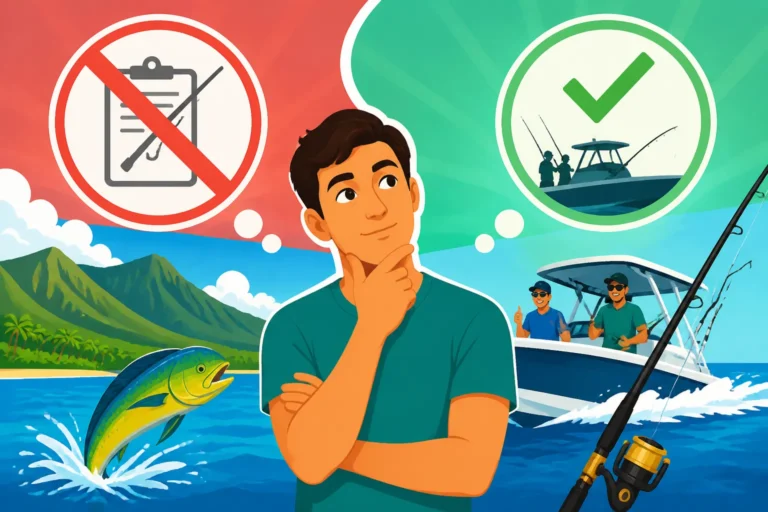
Oh, the sheer excitement and a little bit of overwhelm that comes with planning a fishing trip in a place like Honolulu! You’re standing on the shores of paradise, gazing out at that impossibly blue water, and you know there are incredible fish out there. But then the question hits: "Which charter do I even choose?" It can feel like finding a needle in a haystack with so many boats vying for your attention. This guide is here to cut through the noise, helping you understand the different options for fishing charters departing from Honolulu, ensuring you pick the perfect one for your Hawaiian angling adventure.
Why Honolulu is an Unbeatable Fishing Hotspot
When people think of Honolulu, they often picture Waikiki Beach, Diamond Head, and bustling city life. While that's certainly part of its charm, Honolulu is also an incredible base for anglers, offering a unique blend of urban convenience and world-class fishing grounds just a stone's throw away. It’s truly a special place where you can be enjoying a gourmet meal one moment and battling a grand pelagic fish the next.
Accessibility and Convenience
One of the biggest advantages of fishing out of Honolulu is simply how easy it is to get to the boats. Most charters operate primarily out of Kewalo Basin Harbor, which is located just west of Waikiki, or Ala Wai Harbor, right by the main tourist areas. Whether you're staying in a bustling hotel in Waikiki or a quieter rental property, a short taxi, ride-share, or even a walk will get you right to your boat. This means less time commuting and more time on the water, which, let's be honest, is what we're all looking for.
Imagine waking up, grabbing a quick breakfast, and being on your charter boat, lines in the water, often within minutes of leaving the dock. This incredible accessibility, combined with the city's infrastructure, makes Honolulu a hassle-free starting point for any fishing excursion. You don't have to venture to some remote corner of the island to find serious angling opportunities; they're right here, at your fingertips.
Diverse Fishing Opportunities
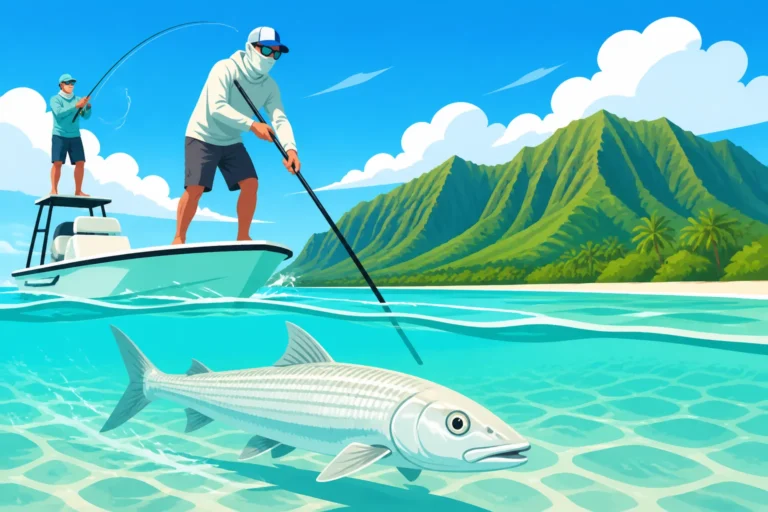
The waters surrounding Oahu are incredibly rich, thanks to deep drop-offs that are surprisingly close to shore. This unique topography means that Honolulu charters have immediate access to both vibrant inshore reefs and the vast, productive offshore grounds where big game fish roam. You truly get the best of both worlds, often on the same trip!
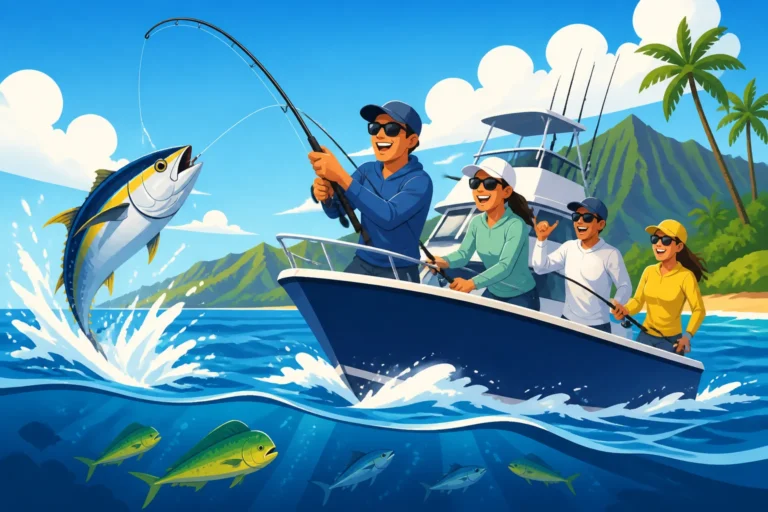
Out in the deep blue, you can target powerful pelagic species like Ahi (Yellowfin Tuna), Mahi-mahi (Dorado), Ono (Wahoo), and even majestic Marlin. For those who prefer to stay closer to land, the reefs and ledges around Oahu teem with exciting species such as Papio (juvenile Giant Trevally), Ulua (full-grown Giant Trevally), various types of Snapper (Opakapaka, Onaga), and even colorful Parrotfish (Uhu). This diversity ensures that no matter your skill level or what kind of fish you dream of catching, a Honolulu charter can likely make it happen. The options for different types of fishing and target species are truly abundant, making every trip a potential adventure.
Understanding Different Charter Types in Honolulu
Navigating the world of fishing charters can feel like learning a new language. You’ll hear terms like "shared trips," "private charters," and different trip durations. It’s important to understand these distinctions because they significantly impact your experience, your budget, and ultimately, whether you achieve the Hawaiian fishing dream you're picturing.
Shared Charters: The Budget-Friendly Option
Shared charters, often called "walk-on" trips, are a fantastic way to experience offshore fishing without breaking the bank. On a shared charter, you book a spot for yourself (or a small group) on a boat with other individual anglers or small parties you don't know. The cost is divided among all participants, making it a much more affordable entry point into deep-sea fishing.
The biggest pro here is obviously the cost. It's an excellent option for solo travelers, couples, or small groups on a tighter budget who still want the thrill of deep-sea fishing in Hawaii. You also get the opportunity to meet other anglers, share stories, and learn from different fishing perspectives. However, there are some trade-offs. You'll have less control over the specific target species, as the captain will likely focus on what's biting best or what the majority of the group wants. You'll also be sharing rod time, meaning you might have to take turns reeling in fish. If the boat hooks multiple fish simultaneously, it can be exhilarating, but if only one rod goes off, the rotation system kicks in. It's a great social experience, but patience is often key.
Private Charters: Tailored for Your Experience
For those seeking a more personalized and exclusive adventure, a private charter is the way to go. When you book a private charter, you reserve the entire boat for your party, whether it's just you, your family, or a group of friends. This means you have full control over the trip's focus, the pace, and the overall experience, limited only by the captain's expertise and the conditions of the day.
The primary advantage of a private charter is the customization. You can discuss with the captain exactly what you want to target – be it trophy Marlin, delicious Ahi, or a mixed bag of bottomfish – and the techniques you want to employ. You also get dedicated attention from the captain and crew, which is invaluable for learning new skills or getting assistance with a big fight. Privacy and comfort are also huge benefits, especially for families with kids or those celebrating a special occasion. Of course, this level of exclusivity comes with a higher price tag, as you're covering the entire cost of the boat and crew yourself. However, for many, the tailored experience and increased odds of targeting specific species make it well worth the investment. Think about what your group truly desires from the day on the water before deciding. You can often find a great selection of private charters listed on platforms like FishingBooker, allowing you to compare amenities and focus.
Half-Day vs. Full-Day Trips
Once you've decided between a shared or private experience, the next big decision is how long you want to be out on the water. Honolulu charters typically offer half-day (4-6 hours) and full-day (8-10 hours) trips, and each has its distinct advantages and disadvantages. Your choice here can significantly impact your fishing success and overall enjoyment.
Half-day trips are fantastic for beginners, families with young children, or those who might be prone to seasickness. They offer a taste of deep-sea fishing without committing to a full day offshore. These shorter trips often focus on closer-in fishing grounds, perhaps trolling for smaller pelagics or dropping lines for reef fish. While you can certainly catch great fish on a half-day trip, your chances of encountering larger, more elusive species like grander Marlin might be reduced simply due to less travel time to prime offshore spots. They are perfect for a fun outing, getting some lines wet, and enjoying the Hawaiian coastline from a different perspective.
Full-day trips, on the other hand, are generally recommended for more serious anglers or anyone truly hoping to land a trophy fish. With more time on the water, the captain can venture further offshore to proven fishing grounds, chase bait schools, or try different techniques throughout the day. This extended time significantly increases your chances of finding and fighting bigger game fish like Ahi or Marlin, which often require longer runs to reach their feeding grounds. While a full day can be more physically demanding and, of course, more expensive, it offers the most comprehensive fishing experience and the highest probability of a memorable catch. Consider your stamina, your group's enthusiasm, and your fishing goals when making this choice.
Key Factors When Choosing a Honolulu Charter
Picking the right charter isn't just about price; it's about matching your expectations with what the operation can deliver. There are a few crucial elements to scrutinize that can make or break your Hawaiian fishing adventure. Trust me, overlooking these details can lead to disappointment, and nobody wants that after looking forward to a dream trip!
Reputation and Experience of the Captain and Crew
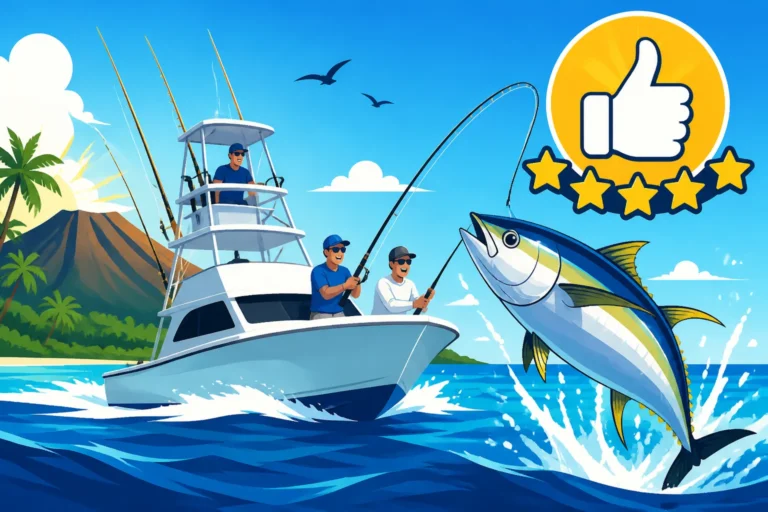
This might just be the most important factor of all. A captain with extensive local knowledge knows where the fish are, understands the currents, and can adapt to changing conditions. Look for charters with captains who have years of experience fishing these specific Hawaiian waters. Their expertise means they know the migration patterns of species like Ahi and Mahi-mahi, and they understand the nuances of the deep offshore canyons and reef structures. A good captain is also a good communicator, ensuring everyone on board feels safe and informed.
Beyond the captain, a skilled and friendly crew (deckhands) can elevate your experience tremendously. They're the ones helping you with tackle, baiting hooks, gaffing fish, and keeping the deck clear and safe. A professional crew makes the trip enjoyable, helps you learn, and ensures that when a big fish hits, the operation runs smoothly. Don't underestimate the value of a supportive and encouraging crew, especially if you're a novice angler. Reading reviews on platforms like FishingBooker can give you a real sense of a captain and crew's reputation and customer service. You’ll want to ensure you're working with licensed professionals, and you can generally assume that any reputable charter will adhere to Hawaii Boating Laws for Anglers.
Boat Size, Equipment, and Amenities
The vessel itself plays a huge role in your comfort and fishing success. Larger boats often provide more stability in rougher seas, which can be a blessing if you’re prone to seasickness. They also tend to have more deck space, which is great for multiple anglers or if you're battling a big fish. Beyond size, consider the quality and condition of the fishing equipment. Are the rods, reels, and tackle well-maintained and appropriate for the target species? High-quality gear not only improves your chances of landing a fish but also makes the fight more enjoyable.
Think about the amenities too. Does the boat have a clean, functioning restroom? Is there adequate shade from the intense Hawaiian sun? Some boats offer air-conditioned cabins, which can be a welcome relief on hot days. For longer trips, a comfortable seating area, a galley, or even a bunk for a quick rest can make a big difference. Don't be shy about asking about these details before you book. A comfortable boat means a more pleasant trip, regardless of the fishing success.
Target Species and Fishing Style
Before you even start looking at charters, ask yourself: what kind of fish do I want to catch, and how do I want to catch them? Some charters specialize in specific types of fishing. For example, many Honolulu boats are set up primarily for trolling for pelagic species like marlin, tuna, and wahoo. They’ll have outriggers and a spread of lures designed to entice these fast-moving predators. If your dream is to battle a massive marlin, you'll want a boat geared for that specific pursuit. For general guidance, checking a resource like Hawaii Fishing Seasons by Month can help align your trip timing with prime seasons for certain species.
Other charters might focus more on bottomfishing, dropping lines to deep reefs for Snapper and Grouper, or perhaps light tackle fishing for Papio and other inshore species. There are also specialized trips, like those targeting specific baitfish schools or employing live bait techniques for Ulua. Ensuring the charter's specialty aligns with your personal fishing goals is paramount. If you're passionate about Ahi (Yellowfin Tuna) Fishing in Hawaii, make sure the charter has a proven track record for tuna. If you show up hoping to jig for bottomfish on a boat primarily set up for high-speed trolling, you might leave feeling a bit let down. Be clear with the charter captain about your expectations and desires when booking. This conversation is key to a successful outing.
What to Expect and How to Prepare for Your Honolulu Charter
So you’ve picked your charter, you're excited, but what happens next? Knowing what to expect and how to prepare can really set the tone for your day on the water. A little foresight goes a long way in ensuring you're comfortable, safe, and ready for whatever the ocean throws at you.
Essential Gear and What Charters Provide
The good news is that most reputable fishing charters in Honolulu will provide all the necessary fishing gear. This typically includes rods, reels, lines, lures, and bait. They’ll also have essential safety equipment on board, such as life jackets, first-aid kits, and communication devices, all in compliance with Coast Guard regulations. So, you generally don't need to bring your own fancy fishing pole unless you have a specific, specialty setup you prefer and have cleared it with the captain beforehand.
What you absolutely should bring, however, revolves around personal comfort and protection from the elements. Hawaii's sun is incredibly strong, even on cloudy days. Sunscreen (reef-safe is often encouraged), a wide-brimmed hat, and polarized sunglasses are non-negotiables. Light, breathable clothing that offers sun protection is also a great idea. Don't forget any personal medications, especially if you're prone to seasickness – taking preventative medication before you board is always best. You’ll want to bring water and snacks, though some charters might offer drinks. A camera is a must-have for capturing those unforgettable moments! For a more detailed checklist, check out What to Bring on a Hawaii Fishing Charter and clarify What Gear a Hawaii Charter Provides directly with your chosen boat.
Common Fishing Spots and Techniques
When you fish out of Honolulu, you're often heading into diverse fishing grounds. Many charters will start by heading to the FADs (Fish Aggregating Devices), which are anchored buoys offshore that attract baitfish and, consequently, larger pelagics like Ahi, Mahi-mahi, and Ono. Other times, boats will target deep underwater ledges and drop-offs that are close to shore, particularly for bottomfishing species. The famous "Kona grounds" off the Big Island get a lot of attention, but Oahu's waters are incredibly productive in their own right, with plenty of underwater structure and current lines that hold fish.
The techniques employed will vary depending on your target species. For Marlin and Tuna, trolling a spread of lures behind the boat at various depths and speeds is common. If bottomfishing is the goal, the boat will anchor or drift over specific structures, dropping weighted lines with bait to the ocean floor. Live baiting is also a popular technique for various species, especially for larger Ulua or even big Tuna. Be prepared for a mix of these techniques throughout the day, as a good captain will adapt to what the fish are doing and where they are located.
Catch and Release vs. Keeping Your Catch
Before your trip, it’s a good idea to discuss the charter’s policy on keeping fish. Many charters operate on a "boat shares the catch" policy, especially for large pelagics like tuna and marlin. If you land a huge Ahi, for example, the crew will often take a portion (or sometimes the entire fish, if it’s a single big one) to cover operational costs or to sell, and you might get a fillet or two to take home. Other charters might allow you to keep all legal-sized fish you catch, provided they aren't protected or part of a boat share agreement.
It's crucial to be aware of Hawaii Bag and Size Limits by Species for anything you intend to keep. Responsible angling also means understanding catch-and-release best practices, especially for species that might be regulated or if you simply don't need to keep a fish. Good charters will always prioritize the health of the fish and the sustainability of the fishery. Always clarify these details with your captain before you head out, so there are no surprises or misunderstandings when you get back to the dock.
Booking Your Dream Charter and Cost Considerations
The financial aspect of booking a fishing charter is, naturally, a big one. It's not just about the sticker price; it's about understanding what's included, what's expected, and how to get the most value for your investment. Don't let the numbers scare you away; with a bit of planning, you can find a fantastic experience that fits your budget.
How to Book: Online Platforms vs. Direct
In today's digital age, you have a couple of primary routes for booking a charter: online booking platforms or contacting the charter directly. Each has its pros and cons. Online platforms like FishingBooker offer a convenient way to browse numerous Honolulu charters in one place. You can filter by boat size, target species, price, and even read reviews from previous customers, which is incredibly helpful for vetting operations. These platforms often provide secure payment processing and clear cancellation policies, adding a layer of security to your booking.
Booking directly with a charter operation, however, can sometimes offer a more personal touch. You can speak directly with the captain or their booking agent, ask specific questions about the boat, the crew, and their fishing philosophy, and potentially even discuss a customized trip that isn't listed online. While you might not have the same breadth of comparison tools as a platform, a direct conversation can build trust and clarify expectations. For many anglers, this direct connection is invaluable. Just be sure to confirm all details in writing, including pricing and cancellation terms, to avoid any surprises.
Understanding Pricing and Inclusions
Charter costs in Honolulu can vary widely based on whether you choose a shared or private trip, the duration (half-day vs. full-day), the size of the boat, and the amenities offered. Shared half-day trips are generally the most affordable entry point, while a full-day private charter on a luxury sportfishing yacht will be at the higher end of the spectrum. When you look at the price, always dig into what's included.
Most charters will include all fishing tackle, bait, and fuel in their quoted price. Some might also provide water or soft drinks. However, you'll want to ask about things that might be extra. For instance, while you generally don't need a separate license for offshore marine fishing when on a licensed charter, it's always good to confirm whether the charter covers all necessary permits or if there's any local requirement you need to be aware of. Food, specialized lures (if requested), or fish cleaning services might be additional charges. A good resource to consult for a general overview is Hawaii Fishing Charter Cost Guide, but remember to verify specifics with your chosen charter. Being clear on what's included upfront will prevent any unwelcome surprises when it's time to settle the bill.
| Charter Type | Typical Duration | Inclusions (Common) | Potential Exclusions (Common) | Best For |
|---|---|---|---|---|
| Shared Charter | Half-Day/Full-Day | Rods, reels, bait, ice, safety gear | Food, specialized lures, fish cleaning, tip | Solo anglers, couples, budget-conscious |
| Private Charter | Half-Day/Full-Day | Rods, reels, bait, ice, safety gear | Food, drinks, specialized lures, fish cleaning, tip | Families, groups, serious anglers, custom trips |
Tipping Etiquette
Tipping is a customary practice in the charter fishing industry, much like in restaurants, and it's an important way to show appreciation for the hard work of the captain and crew. These individuals work incredibly long hours, often starting before dawn to prepare the boat and tackle, and staying late to clean up after the trip. Their dedication, knowledge, and efforts directly contribute to your enjoyment and success on the water.
A common guideline for tipping is 15-20% of the total charter cost. If the crew went above and beyond, provided excellent service, was patient with new anglers, or worked tirelessly to put you on fish, a higher tip is always appreciated. Conversely, if the service was subpar, you can adjust accordingly, but remember that sometimes the fish just aren't biting, which is out of the crew's control. It’s best to base your tip on the quality of the service and effort, not solely on the number of fish caught. Handing the tip directly to the captain or a trusted crew member at the end of the trip is usually the best approach. For more detailed insights, you can refer to Tipping Etiquette for Hawaii Fishing Charters.
Local Favorites and Reputable Operations (General Guidance)
While I can't name specific charter companies due to my limitations, I can absolutely guide you on what characteristics make a charter operation truly shine out of Honolulu. These are the operations that locals trust and visitors rave about, the ones that consistently deliver memorable experiences.
What Makes a Charter Stand Out
A truly outstanding Honolulu fishing charter consistently demonstrates professionalism, safety, and a genuine passion for fishing. They prioritize the client's experience above all else, making even a slow fishing day enjoyable with their stories, humor, and willingness to teach. You'll find these charters are meticulously maintained, both in terms of cleanliness and mechanical readiness. Their equipment is top-notch, ensuring that when you hook into a powerful Hawaii Ahi Bag Limit Rules fish or a battling marlin, you have the best chance of landing it.
Excellent communication is another hallmark. From the moment you inquire about a trip, they are clear about pricing, what to expect, and what you need to bring. On the water, the captain and crew keep you informed, explaining techniques, pointing out marine life, and making you feel like part of the team. They also show a deep respect for the ocean and its resources, adhering strictly to Hawaii Pelagic Species Bag Limits and practicing sustainable fishing techniques. These are the charters that create repeat customers and lasting memories.
Navigating Options
When you're trying to decide between several highly-rated operations, it can still feel like a tough choice. My best advice is to read recent reviews – not just the glowing ones, but also look for how any concerns were addressed. Pay attention to comments about the crew's demeanor, the boat's condition, and how well the charter aligned with the anglers' expectations. Don't hesitate to call a few different charters directly to get a feel for their customer service and to ask any lingering questions you might have.
Consider what matters most to your group. Is it purely about catching the biggest fish, or is the experience of being on the water with family paramount? Some charters are particularly adept at catering to Best Family-Friendly Fishing Charters in Hawaii, while others are geared towards hardcore anglers seeking trophy game fish. By asking the right questions and doing a little research, you can usually discern which operation will be the best fit for your Honolulu fishing adventure. Remember, whether you're a Hawaii resident or need a Hawaii Nonresident Marine Fishing License, Explained, understanding the regulations is crucial for a legal and enjoyable trip.
Disclaimer
This article is for general informational purposes only and does not constitute professional advice. Laws, prices and regulations vary by location and change over time. Consult a qualified professional for guidance on your specific situation.