How to book a fishing charter out of Maalaea Harbor
Trying to organize a fishing trip in Hawaii can feel like a daunting task, especially when you're dreaming of reeling in a big one from a specific, bustling port like Maalaea Harbor on Maui. It's easy to get lost in a sea of options, wondering which boat is right for you, what you need to bring, and how to even begin the booking process. This guide is here to untangle all those questions, walking you through everything you need to know to confidently book the perfect fishing charter out of Maalaea.
Why Maalaea Harbor is a Premier Fishing Hub on Maui
Maalaea Harbor, nestled on the south-central coast of Maui, isn't just a pretty postcard view; it's a bustling gateway to some of Hawaii's most productive fishing grounds. Its strategic location and deep-water access make it a favorite departure point for anglers seeking everything from fast-paced pelagic action to steady bottomfishing. When you choose Maalaea, you're tapping into a network of experienced captains and well-equipped vessels that know these waters intimately.
One of the biggest advantages of Maalaea is its proximity to the Auau Channel, which lies between Maui and Lanai. This channel acts like a natural funnel for baitfish, which in turn attracts larger predatory species. Charters departing from here can quickly reach prime trolling lanes and deep-water drop-offs, maximizing your time with lines in the water. The harbor itself is sheltered, offering calm departures even when the open ocean gets a bit choppy, which is a welcome relief for those prone to seasickness. Many local captains also run trips specifically targeting areas around Molokini Crater or along the West Maui coastline, depending on the season and the bite. You can learn more about the access specifics in our guide to Maalaea Harbor Fishing Access.
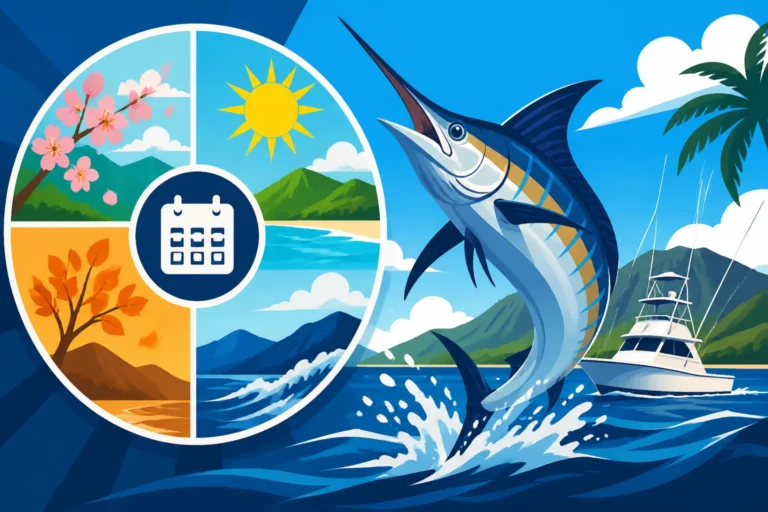
From Maalaea, you have access to an incredible diversity of fish species, catering to various angling preferences. Offshore, the prime targets include the powerful Pacific blue marlin, speedy ono (wahoo), acrobatic mahimahi (dorado), and the prized ahi (yellowfin tuna). These pelagic species are often found patrolling current lines, bait schools, or around submerged FADs (Fish Aggregating Devices). Closer to shore or over deeper reefs, you might encounter an array of bottomfish like opakapaka (pink snapper), onaga (ruby snapper), or the smaller but feisty kumu (goatfish). Each season brings its own highlights, but Maalaea generally offers year-round opportunities for a memorable catch. If you're keen to understand the island's broader angling potential, check out our Maui Fishing Guide.
Navigating Your Charter Options from Maalaea
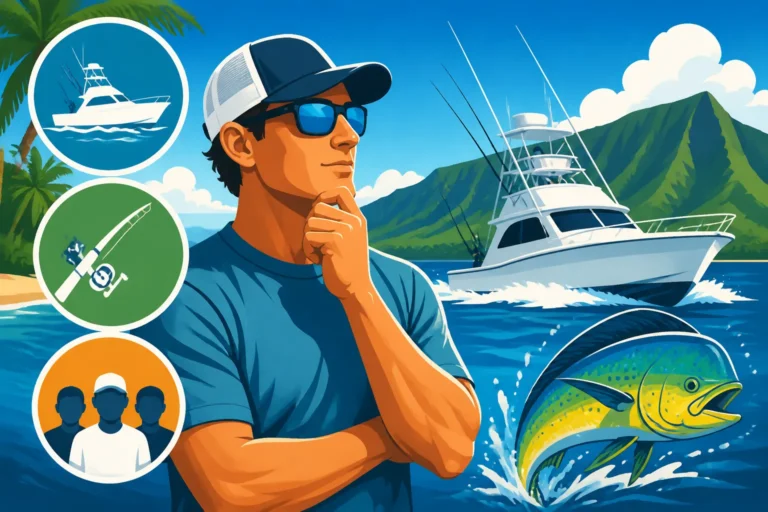
Once you've decided on Maalaea, the next step is to figure out what kind of fishing experience you're looking for. Charters aren't a one-size-fits-all deal; they come in various styles, durations, and pricing structures. Knowing these differences will help you narrow down your choices and book a trip that perfectly matches your expectations and budget.
Private vs. Shared Charters
This is often the first decision you'll face. A private charter means you book the entire boat for your group, whether it's just two of you or a larger party. The main advantage here is flexibility: you dictate the fishing style, the target species (within reason, of course), and even the departure time. It's a highly personalized experience, allowing for more one-on-one attention from the crew and a relaxed atmosphere without strangers. This is ideal for families, serious anglers, or anyone who values privacy and customization. The downside, naturally, is the cost, which is significantly higher as you're covering the entire boat's expenses.
Shared, or "walk-on," charters, on the other hand, are more budget-friendly. You pay for a single spot, and you'll be fishing alongside other anglers who have also booked individual spots. This is a fantastic option for solo travelers, couples, or small groups who want the offshore experience without the private charter price tag. While you might not have as much say in the fishing plan, it's a great way to meet fellow enthusiasts and share the excitement of the catch. The main trade-off is less individual attention and potentially less flexibility in targeting specific fish if the group has mixed interests. Many online platforms like FishingBooker make it easy to find and compare both types of bookings.
Here's a quick comparison to help you weigh your options:
| Feature | Private Charter | Shared Charter |
|---|---|---|
| Cost | Higher (you pay for the entire boat) | Lower (you pay per person) |
| Flexibility | High (choose species, style, departure) | Lower (pre-determined fishing plan) |
| Group Size | Ideal for families, dedicated groups | Ideal for solo anglers, couples, small groups |
| Attention | Dedicated crew attention for your party | Crew attention split among multiple individuals |
| Customization | Tailor the trip to your preferences | Follow the general trip plan and targets |
| Privacy | Your group only | Fish with strangers |
| Experience | More personalized, relaxed | Social, potentially more varied personalities |
Trip Duration: Half-Day, 3/4-Day, and Full-Day Options
The length of your charter significantly impacts the range you can cover and the species you can target. Half-day charters, typically 4-5 hours, are excellent for beginners, families with young children, or those with limited time. They usually focus on inshore trolling for smaller pelagics like mahimahi and ono, or light bottomfishing closer to the harbor. While still exciting, the fishing grounds covered will be more limited.
A 3/4-day trip, usually 6-7 hours, offers a great balance. It allows more time to travel to further fishing grounds, increasing your chances of encountering larger species like ahi or even striped marlin. It's a popular choice for those who want a more substantial fishing experience without committing to a full day offshore. You'll have more flexibility to switch between trolling and bottomfishing, depending on what's biting.
Full-day charters, lasting 8-9 hours, are the gold standard for serious anglers. This extended time allows captains to venture to distant FADs, deep-water canyons, or specific spots known for trophy fish. If your dream is to battle a massive blue marlin or fill the cooler with a variety of pelagics, a full-day trip significantly increases your odds. It's an immersive experience that maximizes your fishing time and allows for a broader range of techniques. You can learn more about booking specific durations in Best Half-Day Fishing Charters in Hawaii and Best Full-Day Fishing Charters in Hawaii.
Fishing Styles Offered
Charters departing from Maalaea specialize in a few key fishing styles:
- Trolling: This is the most common technique for pelagic species like marlin, ahi, ono, and mahimahi. The boat moves at a steady speed, dragging multiple lines with lures or rigged baits behind it. It's a dynamic method that covers a lot of water and is often used to locate schools of fish. Many charters offer a mix of artificial lures and natural baits to entice strikes. For more details on this, you might explore Trolling Techniques for Hawaii Pelagics.
- Bottomfishing: If you're keen on catching snapper, trevally, or other reef dwellers, bottomfishing is the way to go. The boat anchors or drifts over specific underwater structures, and anglers drop weighted lines with bait to the ocean floor. This can be a very productive method, especially for those looking to bring home dinner. Experienced captains use sonar to pinpoint productive ledges, reefs, and pinnacles. Our guide to Bottomfishing in Hawaii offers a deeper dive into this technique.
- Live Baiting/Chunking: For targeting larger, more elusive game fish like big ahi or ulua, some captains employ live baiting or chunking techniques. This involves using live baitfish (often caught on site) or pieces of cut bait to attract and entice bigger predators. It can be a waiting game, but the reward of hooking into a monster fish is well worth it. You'll often find these techniques employed on full-day charters where time allows for setting up proper bait spreads.
Essential Steps to Booking Your Maalaea Charter
So, you've got your desired trip type and duration in mind. Now comes the practical part: actually booking that amazing Maalaea fishing charter! It's not as complicated as it might seem, but a little preparation goes a long way to ensure a smooth and successful reservation.
Researching and Comparing Charters
The first step is to dive into research. Start by looking at reputable online platforms dedicated to fishing charters. Websites like FishingBooker are fantastic resources because they aggregate listings from many different captains and boats operating out of Maalaea. You can filter by location, trip type, duration, and even target species, making it easy to compare options side-by-side. Pay close attention to customer reviews and ratings, as these offer invaluable insights into a captain's professionalism, the boat's condition, and the overall fishing experience. Look for consistent positive feedback regarding safety, fish-finding ability, and friendly crew.
Beyond online platforms, don't hesitate to check out individual charter company websites. Many smaller, family-run operations might have their own sites with detailed information about their specific boat, crew, and special offerings. Sometimes, a quick phone call can provide a wealth of information and a chance to gauge the captain's personality and expertise. Consider asking for references from past clients, especially if you're booking a high-end private trip. Remember, a good rapport with your captain starts even before you step on the boat.
What to Ask Before Booking
Before you commit to a booking, have a list of questions ready. This helps clarify expectations and ensures there are no surprises on the day of your trip. Here are some key things to ask:
- What's included in the price? Does it cover bait, tackle, and ice? What about snacks, drinks, or lunch? Some charters are all-inclusive, while others expect you to bring your own provisions.
- What is the boat's catch policy? This is crucial. Some charters operate on a "captain's call" basis where larger game fish may be kept by the boat or sold commercially. Others are strictly "keep your catch" (within legal limits), and some focus on catch-and-release, especially for certain species or if targeting trophies like marlin. Be clear on this upfront to avoid disappointment.
- Is a fishing license required for me? For most chartered trips, the boat's commercial license covers all anglers onboard, meaning you typically don't need to purchase an individual Hawaii fishing license. However, it's always wise to confirm this directly with the charter. Our article Do You Need Your Own Fishing License for a Hawaii Charter? provides more general information.
- What is the cancellation policy? Weather in Hawaii can be unpredictable. Understand what happens if your trip is canceled due to unsafe conditions or if you need to cancel for personal reasons. What's the refund policy or rescheduling options?
- What kind of gear do you use? While not always a deal-breaker, knowing the quality of rods, reels, and tackle can give serious anglers peace of mind.
- What safety equipment is on board? Reputable charters will always have life jackets, first-aid kits, and communication devices, but it never hurts to confirm.
- How many crew members will be on board? More crew generally means more assistance with rigging, gaffing, and tending to lines.
Understanding Pricing and Inclusions
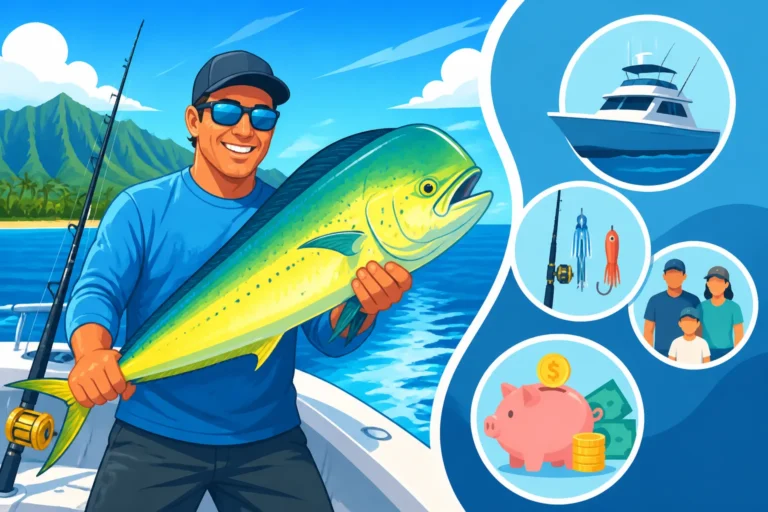
Charter pricing out of Maalaea Harbor varies widely depending on the factors we've discussed: private versus shared, half-day versus full-day, and the amenities offered. Generally, you can expect private charters to cost significantly more than shared spots. The price structure will typically be a flat rate for the entire boat for private trips, and a per-person rate for shared trips.
When comparing prices, it's essential to look beyond the base fee. Always clarify what's included to avoid hidden costs. Most reputable charters will include:
- Boat and captain's time
- Fuel
- All necessary fishing gear (rods, reels, tackle, bait)
- Ice for keeping your catch fresh (if keeping fish is part of their policy)
- Basic safety equipment
Some higher-end charters might also include:
- Non-alcoholic beverages
- Light snacks or a packed lunch
- Fish cleaning and bagging services (always confirm this!)
What's usually not included is gratuity for the crew. Tipping is customary in the charter fishing industry, and a general guideline is 15-20% of the trip's cost if you had a good experience. This is a significant part of the crew's income, so factor it into your budget. Our Tipping Etiquette for Hawaii Fishing Charters guide offers more detailed advice. Remember that while a cheaper price might seem appealing, it can sometimes indicate fewer inclusions or a less experienced operation. It's often worth paying a bit more for a professional, well-equipped charter for peace of mind and a better experience.
Preparing for Your Maalaea Fishing Adventure
You've booked your charter, and the excitement is building! Now it's time to get ready for your day on the water. Proper preparation can make all the difference between a good trip and a great one, ensuring you're comfortable, safe, and ready to make the most of your time fishing out of Maalaea.
What to Pack and Wear
Hawaii's sun can be intense, even on cloudy days, and being out on the water amplifies its effects. Sun protection is paramount. Pack a wide-brimmed hat, sunglasses (polarized ones are great for spotting fish!), and plenty of reef-safe sunscreen. Lightweight, long-sleeved shirts and pants made from breathable, quick-drying material are highly recommended to protect your skin without making you overheat. Many anglers opt for SPF-rated clothing.
Footwear should be comfortable, non-marking, and have good grip – think boat shoes, sandals with straps, or sneakers. Avoid flip-flops that can easily slip off. Bring a light rain jacket, even if the forecast looks clear; brief showers are common in Hawaii, and having an extra layer can keep you comfortable. If you're prone to seasickness, take preventative measures before you board the boat. Over-the-counter medications are effective, but consult your doctor if you have concerns. Ginger chews or patches can also help. For more detailed advice, refer to our What to Bring on a Hawaii Fishing Charter and Seasickness tips for a Hawaii fishing charter articles.
Onboard Etiquette and Expectations
Once you step aboard, remember that you're a guest on the captain's vessel, and they are the authority figure. Listen carefully to the crew's safety briefing and any instructions they give regarding fishing techniques or handling fish. Safety is always their top priority. Respect the crew and your fellow anglers, especially on shared charters. Give everyone space, and be mindful of where you cast or move around the boat. If you're unsure about something, just ask – the crew is there to help!
Be realistic about your expectations for catching fish. While Maalaea is a fantastic fishing destination, it's called "fishing," not "catching," for a reason. There are no guarantees in angling, and factors like weather, currents, and fish activity can all influence the day's success. Focus on enjoying the experience, the beautiful Maui scenery, and the thrill of the hunt. If you do catch fish, follow the crew's instructions on handling them, especially if they are large or feisty. They are experts at safely bringing fish aboard and preparing them according to the boat's policy. A positive attitude and willingness to learn will contribute significantly to a great day on the water, whether the fish are biting or not.
Disclaimer
This article is for general informational purposes only and does not constitute professional advice. Laws, prices and regulations vary by location and change over time. Consult a qualified professional for guidance on your specific situation.