Makapuu Point Fishing Access
For many anglers visiting Oahu, finding those truly special shore fishing spots that combine stunning natural beauty with excellent fishing potential can be a real challenge. You want a place that's accessible but not overrun, offering a genuine chance at some exciting catches without feeling like you're just casting into a pond. This guide will take you on a deep dive into Makapuu Point, a beloved gem on Oahu's east side, covering everything from its unique environment and how to get there, to the best techniques and species you can expect to encounter, ensuring a truly rewarding and safe fishing adventure.
Understanding Makapuu Point's Unique Fishing Environment
Makapuu Point isn't just a picturesque landmark; it's a dynamic and incredibly rich fishing ground, shaped by its rugged volcanic geology and the powerful Pacific currents. Anglers here aren't just casting into a calm bay; they're engaging with an active marine ecosystem. Understanding the lay of the land, both above and below the waterline, is key to success.
Geographical Layout and Underwater Structure
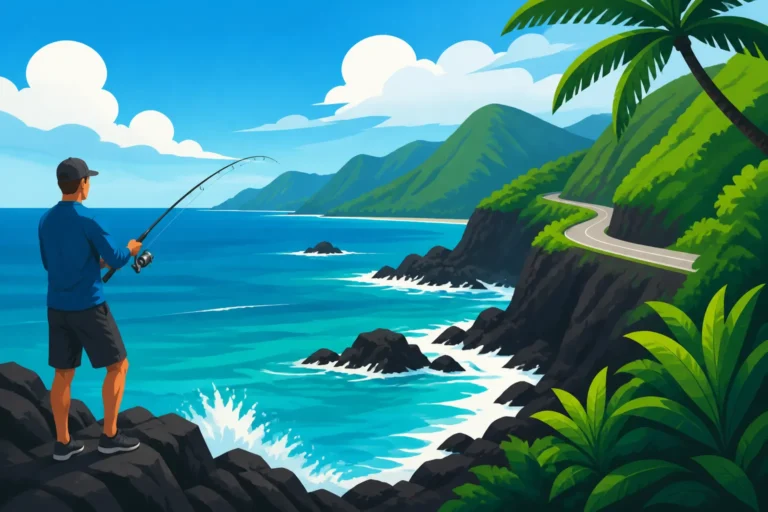
Picture Makapuu Point: dramatic cliffs plunging into the ocean, interspersed with rocky outcroppings, small coves, and patches of sand. This varied coastline extends underwater, creating a complex habitat perfect for a wide array of fish. Just offshore, the seafloor is a mix of volcanic rock, ledges, crevices, and lava tubes. These structures provide excellent cover for smaller reef fish and baitfish, which in turn attract larger predatory species. The immediate drop-offs near the point are significant, with depths increasing rapidly, making it a prime location for both inshore and nearshore pelagic species that patrol these edges. Further out, underwater ridges and pinnacles create current breaks and upwellings that bring nutrient-rich water to the surface, concentrating bait and drawing in game fish. It's this intricate, wild underwater landscape that makes Makapuu so appealing for those who understand how to read the water.
This geographical complexity means that different areas of Makapuu will hold different species. Shallow reef flats might teem with small kumu or weke, while deeper channels and rocky ledges closer to the lighthouse could be cruising grounds for larger ulua (giant trevally) or papio (juvenile trevally). Understanding where these structures lie – even if you can't see them – will inform your casting strategy. It's not just about distance; it's about placing your bait or lure where the fish are most likely to be holding or ambushing prey.
Ocean Currents and Wave Action Impact
The waters off Makapuu Point are rarely still. Exposed to the open ocean, the area experiences significant wave action and strong currents, particularly during periods of higher surf from easterly and northerly swells. These currents, while sometimes challenging, are a massive asset for fishing. They carry baitfish and nutrients, creating feeding lanes and aggregation points for predatory fish. The constant churn of the water oxygenates it and dislodges food from the rocks, making the fish more active and opportunistic.
However, these same forces demand respect and caution. Strong currents can make it difficult to hold bottom with lighter tackle, and large waves can be dangerous, especially on the exposed rocks. Anglers need to be constantly aware of changing conditions, watching for rogue waves and paying attention to tide charts. The tide directly influences current strength and direction, with outgoing tides often pulling baitfish and nutrients offshore, and incoming tides pushing them closer to the shoreline. Learning to read the swells and currents is as important as choosing the right bait; it dictates where and when the fish are feeding most aggressively. Furthermore, certain areas might become unfishable or unsafe during peak swell events, so local knowledge or careful observation upon arrival is crucial. For those new to understanding these dynamics, checking out resources like our guide to Shore Fishing Techniques for Hawaii can be incredibly helpful.
Accessing Makapuu Point: Getting There and Parking
Reaching Makapuu Point is relatively straightforward, but like many popular spots in Hawaii, knowing the specifics of parking and trail access can save you a lot of frustration and ensure a smooth start to your fishing day. It's a busy area, popular with hikers and sightseers, so timing can be everything.
Directions and Parking Logistics
Makapuu Point is located on the southeastern tip of Oahu, easily accessible by car. From Honolulu, you'll take Kalanianaole Highway (Hwy 72) heading east. Just past Sandy Beach and the Halona Blowhole lookout, you'll find the turnoff for the Makapuu Lighthouse Road. This road leads directly to the main parking lot for the Makapuu Lighthouse Trail. This is usually your primary parking option.
The parking lot itself can get incredibly crowded, especially on weekends, holidays, and during peak tourist hours. Many people come to hike the paved trail to the lighthouse for sunrise or sunset views, so if you're planning an early morning or late afternoon fishing session, be prepared to arrive well before the crowds, or consider a midweek trip. There are typically ample spaces, but they fill up fast. Always ensure your vehicle is locked and valuables are out of sight, as with any popular tourist destination. While the main lot serves the lighthouse trail, anglers often find smaller, less official pull-offs closer to the water's edge on the lower road sections if they are specifically targeting those areas, but these can be limited and require careful parking to avoid citations or blocking traffic.
Navigating the Trails and Shoreline
Once you've parked, your journey to the fishing grounds begins. The paved Makapuu Lighthouse Trail is for hikers, and while it offers stunning views, it doesn't lead directly to prime fishing spots. Instead, anglers will typically look for trails that branch off the main path or access points closer to the ocean. There are several dirt paths and informal trails that lead down from the main road or the lower sections of the lighthouse access road towards the rocky shoreline below. These trails can be steep, uneven, and slippery, especially after rain, so sturdy footwear with good grip is absolutely essential. Flip-flops are a definite no-go.
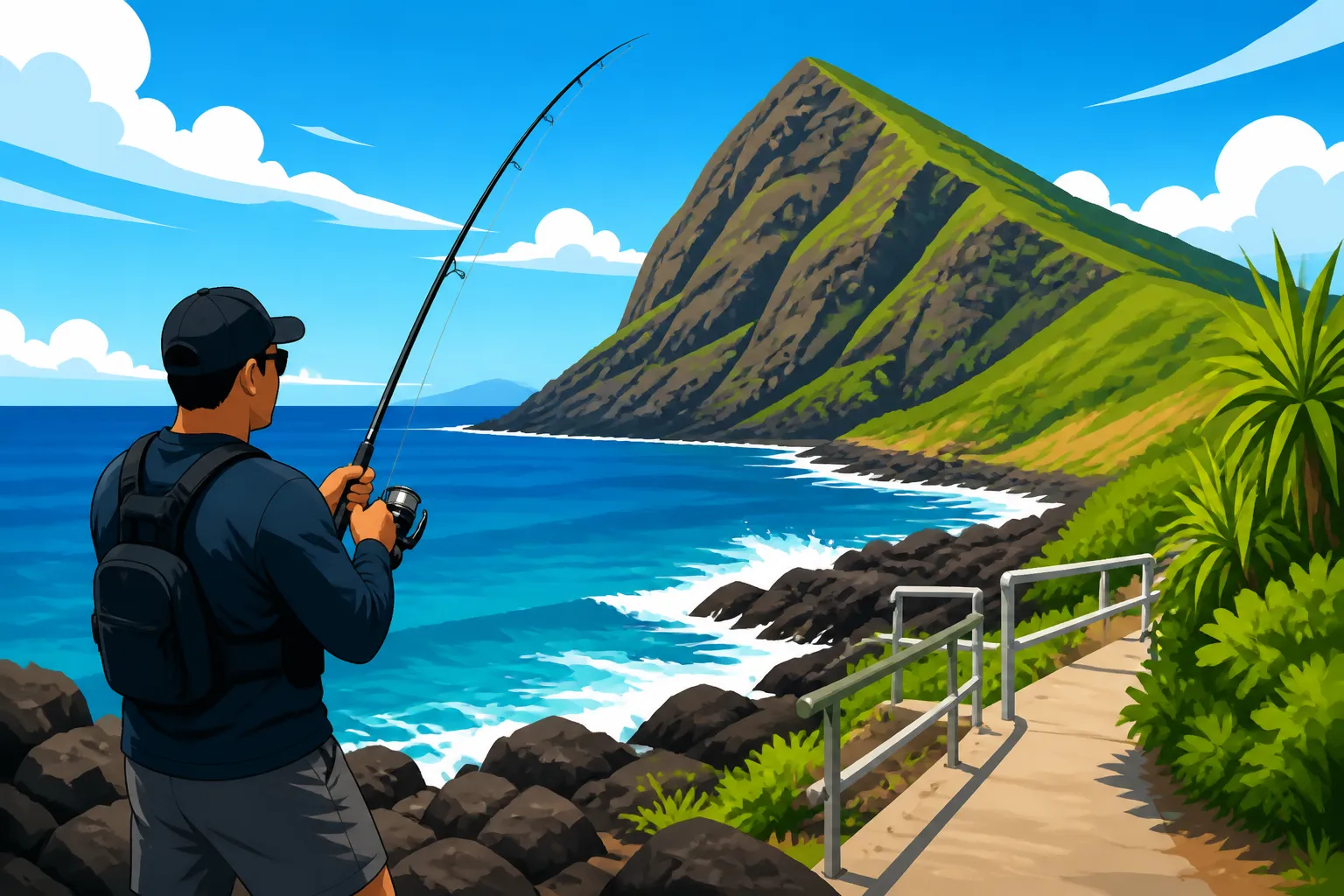
One popular access point involves heading down from the main parking area towards the Kaiwi Shoreline Trail, which is less defined than the lighthouse trail but gets you closer to the water. Another common approach for more serious anglers involves navigating around the base of the cliffs directly below the point. This often requires scrambling over lava rocks, some of which can be razor-sharp or unstable. It's crucial to scout your route during daylight, especially if you plan to fish at dawn or dusk. Always go with a buddy if you're exploring new or challenging access points, and let someone know your plans. Carrying a backpack to keep your hands free for climbing is also highly recommended. Remember, the journey to the fishing spot is part of the adventure, but safety should always be your top priority.
Prime Fishing Spots and Target Species at Makapuu
Makapuu Point offers a diverse range of fishing opportunities, from casting into turbulent surf zones to targeting deeper waters. The key to success here lies in understanding where specific fish species prefer to hang out and tailoring your approach accordingly.
Shoreline Casting and Reef Zones
The rocky shoreline and reef zones directly below Makapuu Point are incredibly productive for shore anglers. These areas are characterized by lava rock formations, tide pools, and shallow reefs that drop off into slightly deeper water. Here, you'll often find a thriving ecosystem of smaller baitfish, crustaceans, and reef-dwelling species that form the base of the food chain.
For those casting from the rocks into the surf, popular targets include papio (juvenile trevally), which are abundant in these waters and offer a spirited fight on light tackle. Weke (goatfish), kumu (white goatfish), and various types of uhu (parrotfish) are also common inhabitants of the reef flats, often found foraging among the corals and rocks. These species are typically targeted with bait, such as fresh 'ōpelu (mackerel scad), shrimp, or even small pieces of squid, fished on a simple bottom rig or a float rig. For the more adventurous, artificial lures like small spoons, grubs, or poppers can entice papio. The key here is to cast into areas where the waves are breaking over reef, creating white water, or into channels and pockets between the rocks where fish might ambush prey. Always be mindful of the waves and slippery surfaces when fishing these active zones. Understanding the nuances of How to Catch Papio on Hawaii's Shoreline can significantly improve your odds in these areas.
Deepwater Access and Pelagic Opportunities
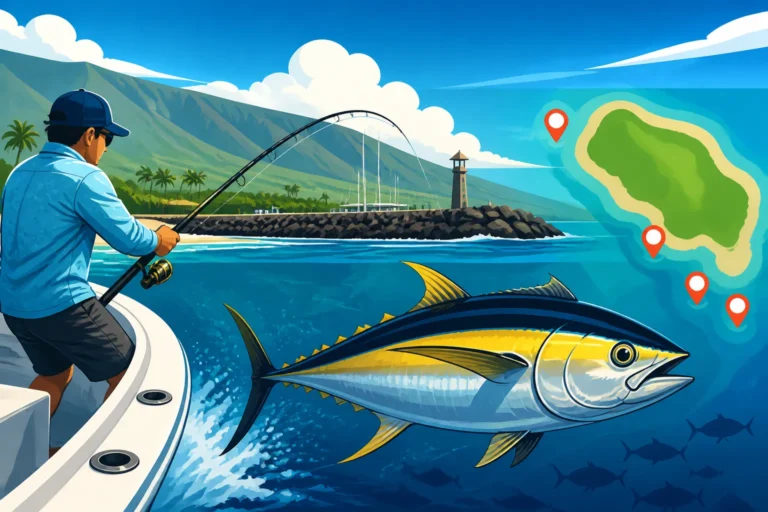
While Makapuu is renowned for its shore fishing, its proximity to deep ocean water also presents unique opportunities for targeting larger, more powerful species. The dramatic drop-offs just beyond the immediate reef shelf mean that pelagic fish often cruise relatively close to shore, especially when baitfish schools are present. Anglers with heavier tackle and the ability to cast significant distances, or those willing to navigate to more exposed ledges, can find themselves hooked up to true trophies.
The most sought-after deepwater shore catch at Makapuu is often the ulua (giant trevally). These powerful predators patrol the ledges and drop-offs, especially during strong currents or at night. Anglers targeting ulua typically use large live baits, such as full 'ōpelu or akule (bigeye scad), or substantial cut baits, often deployed with a sliding sinker rig to get the bait into the deeper water. This is a game of patience and brute strength, requiring heavy-duty rods and reels capable of handling powerful runs and the challenging terrain. Beyond ulua, there's also the chance of encountering larger papio, or even opportunistic predators like small barracuda or various types of jacks. While less common, the occasional passing pelagic like an 'ōma'o (rainbow runner) or even a small mahimahi might venture close enough if there's a strong current line or bait school concentration. Always be prepared with a good gaff or a landing net for these larger fish, and make sure you're familiar with Hawaii Bag and Size Limits by Species for any fish you plan to keep.
Here's a quick reference table for common species and tactics at Makapuu Point:
| Target Species | Preferred Habitat | Recommended Bait/Lures | Typical Rig | Best Time | Notes |
|---|---|---|---|---|---|
| Papio | Reefs, surf zone, white water | Small live bait (shrimp, opelu), small spoons, grubs, poppers | Light spinning, float, bottom rig | Dawn, Dusk, Day | Abundant, strong fighters for their size. |
| Ulua | Deep drop-offs, ledges, channels | Large live bait (opelu, akule), large cut bait | Heavy sliding sinker, heavy spinning/conventional | Night, Strong current | Requires heavy tackle, patience. |
| Weke/Kumu | Shallow reef flats, sandy pockets | Small pieces of squid, shrimp, cut bait | Light bottom rig | Day | Good eating fish, often found in schools. |
| Uhu | Rocky reefs, coral formations | Crabs, limu (seaweed), small pieces of bait | Light bottom rig | Day | Beautiful reef fish, specific regulations for some species. |
| Oio (Bonefish) | Sandy flats near reef edges | Crabs, shrimp | Light bottom rig | Day (sight fishing) | Can be elusive, ghost of the flats. |
Essential Gear and Techniques for Makapuu Point
Fishing Makapuu Point requires a thoughtful approach to gear selection and a willingness to adapt your techniques to the dynamic environment. It's not a place for flimsy tackle or a "one-size-fits-all" mentality.
Recommended Rod and Reel Setups
Given the varied fishing opportunities at Makapuu, many anglers find themselves bringing at least two different setups. For the general shoreline and reef zones targeting papio, weke, and uhu, a medium-light to medium action spinning rod, around 7-9 feet in length, paired with a 3000-5000 series spinning reel is ideal. This setup allows for decent casting distance, offers enough backbone to handle a feisty papio, and is light enough for an enjoyable fight. Spool it with 15-20 lb monofilament or braided line, and use a fluorocarbon leader of similar strength. This lighter setup is perfect for whipping or dunking smaller baits.
For those dreaming of a trophy ulua, a significantly heavier setup is required. Think a heavy-action surf rod, 10-14 feet long, paired with a robust 8000-14000 series spinning reel or a heavy conventional reel. These rigs need to handle the immense power of an ulua, cast heavy baits and sinkers, and withstand the abrasion of rocky environments. Spool up with 50-80 lb braided line, often with a monofilament topshot for shock absorption, and a heavy fluorocarbon or monofilament leader (80-150 lb) to resist abrasion from teeth and rocks. A solid rod holder or sand spike is also critical if you're setting out a bait and waiting. Remember, the stronger the fish, the stronger your gear needs to be. For deeper insights into targeting these powerful fish, consider reading up on How to Catch Ulua from Shore.
Bait, Lures, and Fishing Methods
Choosing the right bait or lure and employing the correct technique can make all the difference at Makapuu.
For bait fishing, which is arguably the most popular method here, fresh is always best.
- 'Ōpelu (mackerel scad) and akule (bigeye scad): These are prime baits for larger predators like ulua. They can be caught with sabiki rigs in harbors or purchased at local tackle shops. Use them live for best results, or cut into chunks for bottom fishing.
- Shrimp and squid: Excellent all-around baits for papio, weke, kumu, and many other reef species. They're readily available and easy to use.
- Crabs: Small crabs, especially ghost crabs, are natural food for oio (bonefish) and papio.
- Limu (seaweed): Believe it or not, some types of uhu (parrotfish) are herbivores, and certain limu can be effective bait for them, though this requires specific knowledge.
When it comes to lures:
- Spoons: Metal spoons in silver, gold, or even holographic finishes are highly effective for papio. Cast them out and retrieve with a varied, erratic action.
- Poppers and surface lures: For exciting topwater action, especially at dawn or dusk, poppers can draw aggressive strikes from papio.
- Soft plastics/grubs: Rigged on jig heads, these can be worked along the bottom for papio and other reef fish.
Fishing methods at Makapuu include:
- Whipping: This is a popular active casting technique for papio, involving repeatedly casting and retrieving small lures or baits.
- Dunking (bottom fishing): A more stationary method where weighted bait is cast out and allowed to sit on the bottom, targeting weke, kumu, and smaller reef fish.
- Sliding bait rig: For ulua, this involves casting a heavy sinker and then sending a live bait down the line, allowing it to swim freely away from the weight.
- Slide baiting: A technique for heavy tackle where a line is cast out with a weight, and then a large live bait is clipped onto the main line and allowed to slide down to the water, often for large ulua. This requires specialized gear and understanding of current dynamics.
Beyond specific tackle, don't forget essentials like a good headlamp (for dawn/dusk/night fishing), a sturdy cooler for your catch and hydration, a bait bucket, and a small first-aid kit, especially if you're navigating rough terrain. If you're looking for gear specifically for Hawaiian conditions, local tackle shops like Brian's Fishing Supply or Pacific Rim Fishing Supply can provide expert advice. For those new to the area and unsure about what gear to bring or even what species to target, exploring options for guided trips on platforms like FishingBooker might be a great way to gain local insights, even if it's for broader Oahu fishing rather than Makapuu specifically.
Safety and Regulations You Must Know
Makapuu Point is undeniably beautiful, but its raw, exposed nature means that safety should always be your number one concern. Beyond personal safety, respecting Hawaii's fishing regulations is not just about avoiding fines; it's about preserving these precious resources for future generations.
Hazardous Conditions and Personal Safety
The ocean at Makapuu can be unpredictable and unforgiving. Anglers need to be acutely aware of several hazards:
- Slippery Rocks: The lava rocks are often wet from sea spray, covered in algae, or slick from recent rain. A single misstep can lead to a serious fall. Always wear appropriate footwear with excellent grip, like spiked boots or sturdy reef shoes, and move slowly and deliberately.
- Rogue Waves: Even on calm days, a larger-than-average wave can appear seemingly out of nowhere, washing over exposed ledges. Never turn your back on the ocean. Watch the wave sets for at least 15-20 minutes before settling into a spot to gauge the pattern. Be prepared to move quickly to higher ground.
- Strong Currents: As mentioned earlier, powerful currents can pull you off your feet if you wade into the water, and they can make it difficult to retrieve gear that's snagged. Avoid wading unless absolutely necessary and you are confident in your abilities and gear.
- Sharp Lava Rock: The volcanic rock is incredibly sharp and can cause deep cuts. Handle fish carefully and avoid dragging your lines or body across the rocks. A pair of durable gloves can be a lifesaver.
- Isolation: While Makapuu is popular, many prime fishing spots are off the main trail and can be isolated. Always let someone know where you're going and when you expect to return. Consider carrying a fully charged cell phone (though reception can be spotty in some areas) and a whistle for emergencies.
- Sun Exposure: Hawaii's sun is intense. Wear a hat, sunglasses, and plenty of reef-safe sunscreen. Hydrate regularly throughout the day.
Never fish alone if you're exploring new or treacherous areas. The buddy system is not just a suggestion; it's a vital safety measure at Makapuu.
Navigating Fishing Rules and Conservation Efforts
Hawaii's Division of Aquatic Resources (DAR) sets forth specific regulations to manage the state's marine resources, and Makapuu is no exception. It's your responsibility as an angler to be familiar with these rules before you cast a line. While a marine fishing license isn't currently required for residents engaging in recreational shore fishing in Hawaii, there are specific rules about what you can catch, how much, and when. Non-residents may have different requirements; for instance, you might want to review Hawaii Nonresident Marine Fishing License, Explained if you're visiting.
Key regulations to be aware of often include:
- Bag and Size Limits: Most common species, like moi, uhu, and ulua, have minimum size requirements and daily bag limits. For example, there are specific Hawaii Papio and Ulua Size Rules you'll need to know. It's illegal to take undersized fish or exceed your daily limit.
- Closed Seasons: Certain species may have closed seasons during their spawning periods to allow populations to recover. Moi, for instance, has a closed season to protect spawning stocks; you can find more about this in Hawaii Moi Closed Season, Explained.
- Gear Restrictions: There are rules regarding the type of fishing gear allowed, such as limitations on net sizes or the use of certain types of hooks. Spearfishing also has its own distinct set of rules; if you're interested in that, look into Hawaii Spearfishing Regulations.
- Marine Life Conservation Districts (MLCDs): While Makapuu Point itself isn't an MLCD, there are MLCDs nearby on Oahu where fishing is highly restricted or completely prohibited. Always know the boundaries of any protected areas. You can learn more about these important areas in Hawaii Marine Life Conservation Districts, Explained.
- Protected Species: Certain marine animals, like Hawaiian monk seals and green sea turtles, are federally protected. It is illegal to harass, touch, or feed them. If you encounter one, give it plenty of space.
The Hawaii Department of Land and Natural Resources (DLNR) provides comprehensive guides, often available online, detailing all current fishing regulations. It's a good habit to review these annually, as rules can change. By adhering to these regulations, you contribute to the sustainability of Hawaii's unique marine environment and ensure that Makapuu Point remains a fantastic fishing destination for years to come.
The Best Times to Fish Makapuu Point
Timing is everything in fishing, and Makapuu Point is no exception. Understanding how tides, lunar phases, seasons, and weather patterns influence fish behavior can significantly improve your chances of a successful outing.
Optimal Tides and Lunar Phases
For shore fishing at Makapuu, tides play a critical role, especially with the strong currents and dynamic wave action characteristic of the area. Generally, many experienced anglers find that the periods around a changing tide are most productive. An incoming tide often brings in cooler, oxygenated water and pushes baitfish closer to the shoreline and into feeding zones. The hour or two before and after high tide can be particularly good, as the water movement is often at its peak, creating excellent ambush opportunities for predatory fish like papio and ulua. Similarly, the outgoing tide can also be productive, as it pulls baitfish and nutrients offshore, concentrating them in channels and eddies where predators wait.
The lunar phase also subtly influences fishing success. While not as universally impactful as tides, many local anglers swear by certain moon phases for specific species. The days leading up to and immediately following a new moon or a full moon are often considered prime times, particularly for ulua. The stronger tidal swings associated with these phases tend to increase current flow, which can trigger more aggressive feeding behavior in larger fish. During a full moon, the extra light at night can also make night fishing more productive, though fish might also be more wary. It's worth experimenting with different moon phases to see what works best for your target species and preferred techniques. You can often find detailed tide charts and moon phase calendars online or at local bait shops to help plan your trips.
Seasonal Patterns and Weather Considerations
Hawaii's climate is relatively consistent year-round, but there are still subtle seasonal shifts and significant weather patterns that impact fishing at Makapuu Point.
Seasonal patterns:
- Summer (May-October): Generally calmer waters, though trade winds can still kick up a chop. This is often a good time for more comfortable shore fishing and consistent papio action. The nearshore waters might warm slightly, which can influence some species.
- Winter (November-April): This period brings larger North and East swells, meaning rougher conditions at Makapuu. While challenging and sometimes unsafe for shore anglers, these larger swells can also trigger feeding frenzies for powerful fish like ulua, especially as they patrol the turbulent whitewash for disoriented bait. It's a high-reward, high-risk season. Bottomfish activity might pick up during calmer spells in winter.
Weather considerations:
- Wind: Strong trade winds, which blow predominantly from the northeast, can make casting difficult and create uncomfortable conditions. Look for days with lighter winds for a more pleasant experience. However, a light onshore breeze can sometimes be beneficial, creating a good chop that disorients bait.
- Rain: While a sudden shower is common, heavy, prolonged rain can cause runoff from land, clouding nearshore waters and potentially pushing fish out. Fishing immediately after heavy rain might be less productive in the very nearshore zone, but the murky water can sometimes be an advantage for stealthy predators.
- Surf: Always check the surf forecast before heading to Makapuu. High surf can make many areas unfishable and extremely dangerous. Conversely, a moderate swell can be ideal, creating that perfect white water and current that attracts fish. Safety always overrides ambition here.
Ultimately, the "best" time to fish Makapuu is when you can safely be there, armed with the right gear and knowledge. Pay close attention to local weather forecasts, surf reports, and tide charts. Sometimes, the unexpected calm day in winter or a perfectly timed tide change during a busy summer can yield the most memorable catches. If you're planning a trip to Hawaii and want to understand broader seasonal patterns, our comprehensive guide to Hawaii Fishing Seasons by Month can offer a great overview of what to expect throughout the year.
Disclaimer
The information provided in this guide is for general informational purposes only and is based on publicly available knowledge and typical fishing practices. Ocean conditions, regulations, and fish behavior can change rapidly. Always exercise extreme caution when fishing in coastal environments, prioritize personal safety, and consult the latest Hawaii Department of Land and Natural Resources (DLNR) Division of Aquatic Resources (DAR) regulations before fishing. Adherence to all local, state, and federal laws is the responsibility of the angler.