Best Bottomfishing Charters in Hawaii
Planning a bottomfishing trip in Hawaii can feel like navigating a maze. You want to drop lines in the perfect spots, reel in some incredible deep-dwelling species, and have an unforgettable experience, but knowing where to start, who to trust, and what to expect can be overwhelming. This comprehensive guide is here to unravel the complexities of finding and booking the best bottomfishing charters across the Hawaiian islands, ensuring you have all the insider knowledge to hook into your dream catch.
Understanding Hawaii's Bottomfishing Scene
Hawaii's unique volcanic geology extends far beneath the ocean's surface, creating dramatic drop-offs, underwater ledges, and seamounts that are prime real estate for a stunning array of bottom-dwelling fish. Unlike the high-speed thrill of trolling for pelagics, bottomfishing is a more deliberate, often strategic pursuit, requiring specialized gear and a deep understanding of the local underwater topography and fish behavior. It's a different kind of excitement, the anticipation of a strong bite from the depths, and the satisfaction of hauling up a beautiful, often delicious, creature from hundreds of feet below.
The Allure of Hawaii's Deep Reefs
Imagine a hidden world teeming with life, where vibrant snappers, groupers, and emperors patrol ancient coral formations and rocky crevices. That's the realm of Hawaii's deep reefs and banks. These submerged landscapes are far removed from the shallow, sun-drenched reefs most visitors see while snorkeling. They are cold, dark, and often subjected to strong currents, yet they support an incredibly rich ecosystem. Fishing these areas demands specialized knowledge of marine charts, sonar, and an uncanny ability to read the ocean's subtle clues.
The beauty of bottomfishing here isn't just about the catch; it's about connecting with an ancient fishing tradition deeply rooted in Hawaiian culture. Generations of local fishermen have understood the rhythms of these deep waters, passing down knowledge of prime spots and seasonal movements. Modern charters often blend this traditional wisdom with cutting-edge technology, giving you the best of both worlds. It's a chance to see a side of Hawaii's marine environment that few experience.
What truly sets Hawaii apart for bottomfishing is the sheer diversity and size of the fish that inhabit these deep waters. While other locations might offer good bottomfishing, Hawaii's isolation and unique underwater structure foster populations of truly impressive species. You're not just hoping for a small panfish; you're often targeting substantial, powerful fish that put up a serious fight, making every single bite a moment of high drama and excitement.
Common Bottomfish Species You'll Encounter
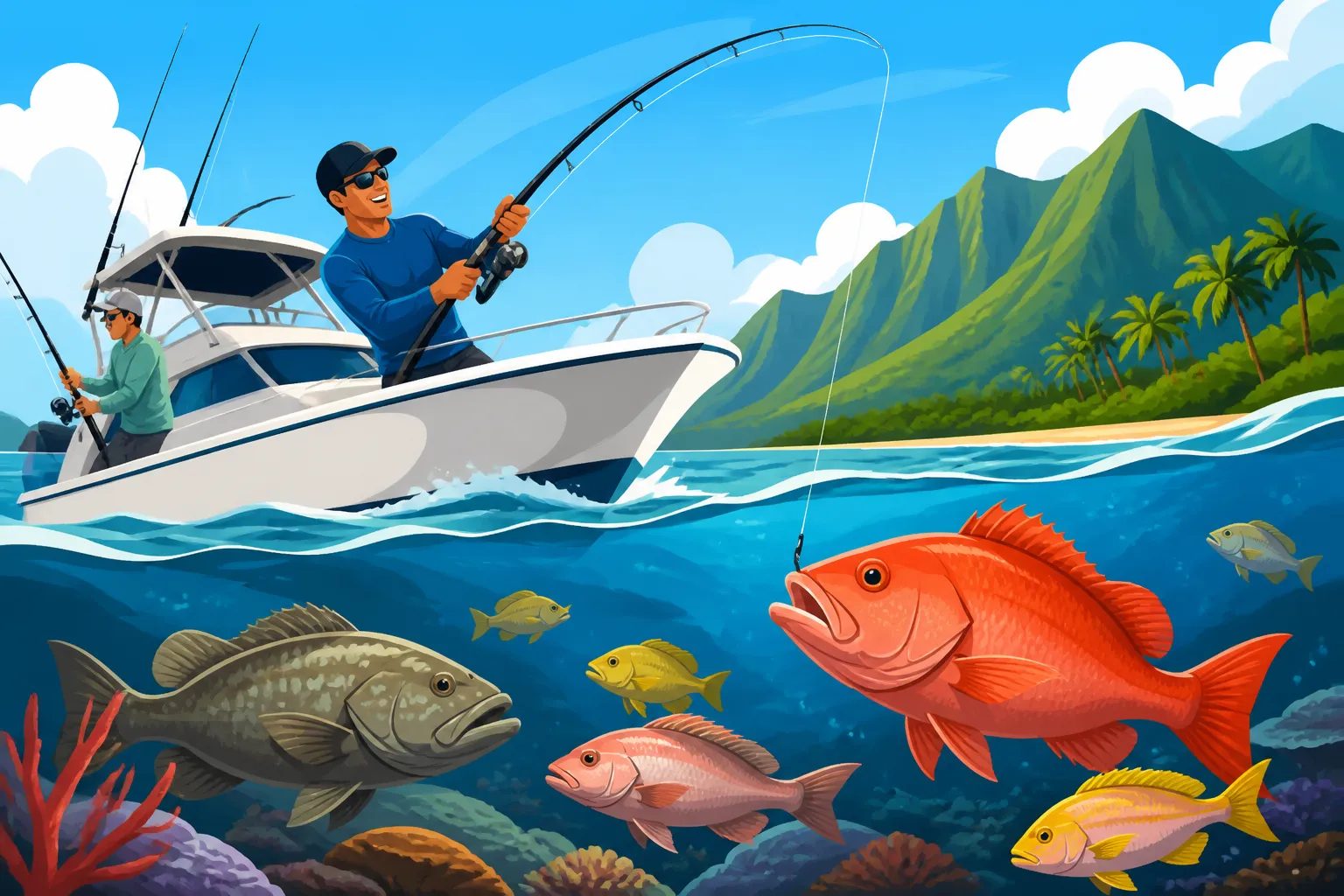
When you drop your lines in Hawaii's deep waters, you're entering a diverse fishery. The targets are often as beautiful as they are tasty, making bottomfishing a rewarding experience whether you're a seasoned angler or a curious beginner. You might hear local names like opakapaka, onaga, ehu, and hapu'upu'u – these are the prized jewels of the deep.
The opakapaka, or pink snapper, is perhaps one of the most sought-after bottomfish. Known for its delicate flavor and beautiful pink hue, it's often found in schools over rocky bottoms at depths ranging from 180 to 600 feet. Catching a good-sized opakapaka is a true badge of honor for any bottom angler in Hawaii. They are strong fighters for their size, and seeing a stringer of them come up is a sight to behold. To learn more about these fascinating fish, check out our guide on Opakapaka (Pink Snapper) Habits.
Then there's the onaga, or ruby snapper, a vibrant red fish with large eyes, renowned as a culinary delicacy. Onaga typically inhabit even deeper waters, sometimes over 1000 feet, making them a challenging but incredibly rewarding catch. Their striking color and exquisite taste command top dollar at local markets, so landing one for dinner is a special treat. If you're hoping to specifically target these deepwater beauties, our article on Onaga (Ruby Snapper) Habits offers detailed insights. Other common bottomfish include ehu (red snapper), kalekale (silverjaw snapper), and hapu'upu'u (grouper), each with their own unique characteristics and preferred habitats. Many charters specialize in targeting these species, knowing the specific depths and structures where they congregate.
The Different Styles of Bottomfishing
Bottomfishing in Hawaii isn't a one-size-fits-all activity. Charters employ various techniques tailored to the target species, depth, and prevailing conditions. Understanding these can help you choose a charter that aligns with your preferred fishing style. The most common method involves drifting over known structures, dropping baited hooks down to the bottom. This is often done with multiple hooks, sometimes a "sabiki" style rig for smaller baitfish, or heavy-duty setups for larger predators.
Another popular technique is deep dropping, which involves using electric reels to get baits down to extreme depths, often 600 feet or more, where some of the most prized bottomfish reside. This method is less about brute strength and more about managing lines and feeling subtle bites at incredible distances. For those who love a physical challenge, some charters might offer vertical jigging, using heavy metal jigs to entice strikes from aggressive bottom-dwellers. This is an active, engaging style of fishing that can be incredibly effective when fish are schooling or actively feeding.
Regardless of the specific technique, successful bottomfishing relies heavily on the captain's expertise in locating productive areas using advanced sonar and GPS. They’ll interpret the readings to identify ledges, wrecks, and rocky outcroppings where fish are likely to congregate, often marked as "numbers" or "spots" saved in their GPS. It’s a constant dance between current, wind, and boat positioning to keep your bait in the strike zone. If you're interested in refining your technique, our detailed guide on Bottomfishing in Hawaii covers many of these methods in depth.
What Makes a "Best" Bottomfishing Charter?
Deciding on the "best" bottomfishing charter is highly personal, as what works for one angler might not suit another. However, there are universal qualities that consistently define a top-tier operation. It’s not just about the size of the boat or the price tag; it's about the entire experience, from the moment you book until you're heading home with your catch. A great charter provides not only the opportunity to catch fish but also a safe, enjoyable, and educational adventure on the water.
Experience and Local Knowledge of the Captain and Crew
This is arguably the single most critical factor in a successful bottomfishing trip in Hawaii. The captain and crew's intimate knowledge of the local waters, weather patterns, currents, and, most importantly, the specific bottomfishing spots, is irreplaceable. They've spent years, sometimes decades, out on these waters, learning the subtle nuances of each fishing ground and the seasonal movements of the fish. A good captain knows when and where to drop lines, how to position the boat, and what baits and techniques will be most effective on any given day.
Beyond just finding fish, an experienced crew prioritizes safety. They are skilled at operating the vessel in various conditions, handling emergencies, and ensuring everyone on board understands safety procedures. Furthermore, a truly excellent crew is passionate about fishing and sharing their knowledge. They'll patiently explain techniques, help with tangled lines, and celebrate every catch, big or small. They are your guides to Hawaii's underwater world, and their enthusiasm can make or break your trip. Don't underestimate the value of a crew that genuinely wants you to have a great time and catch fish.
Think of it this way: anyone can buy a boat and some gear, but only those who have dedicated their lives to the ocean can read its secrets. A seasoned captain will have countless "numbers" (GPS coordinates of fishing spots) saved up, often passed down through generations. They understand the ulua (giant trevally) might be lurking in shallower rocky areas, while opakapaka require a precise drift over a deep-water ledge. This deep well of local knowledge means more time with lines in the water and a higher chance of success.
The Boat and Its Equipment: Built for Bottomfishing
While a fancy yacht might look impressive, for bottomfishing, you need a vessel that is practical, stable, and specifically rigged for the task at hand. The ideal bottomfishing boat will have a spacious deck for multiple anglers to fish comfortably without getting tangled, and a stable hull designed to handle the ocean swells. For Hawaii's deep-water bottomfishing, you'll often see purpose-built sportfishers or custom-rigged local boats.
Crucially, the boat's equipment must be top-notch. This includes reliable, modern electronics like high-resolution sonar/fishfinders to identify bottom structure and fish schools, as well as GPS to accurately navigate to fishing spots and mark productive drifts. Charters should provide heavy-duty rods and reels capable of handling large, powerful fish from significant depths, along with appropriate terminal tackle (line, leaders, weights, hooks) suitable for the target species. Many charters catering to deep-water bottomfishing will also have electric reels, which are a huge advantage for reeling up hundreds of feet of line, especially for multiple drops throughout the day.
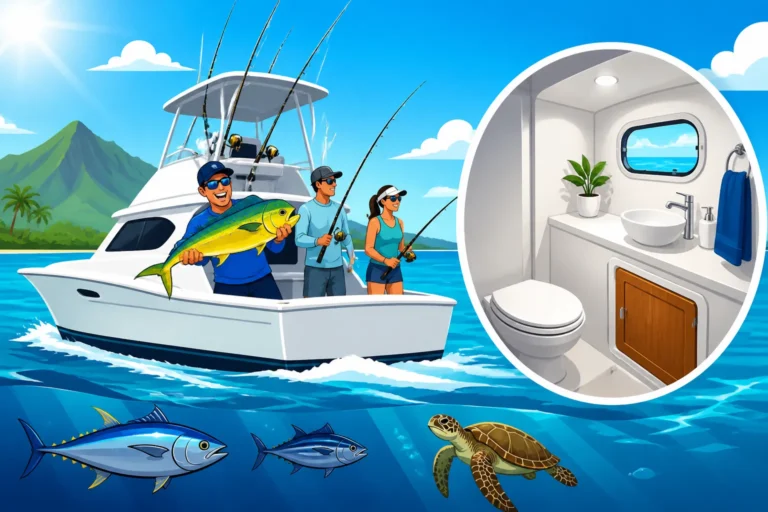
A good charter will also have essential amenities like a clean restroom, shaded areas for comfort, and cooler space for your catch. Some might even have a live bait well, though live bait is less common for deep-water bottomfishing compared to pelagic trolling. Before booking, don't hesitate to ask about the boat's size, its amenities, and the type of fishing gear provided. This ensures you're stepping aboard a vessel that's well-maintained and properly equipped for your bottomfishing adventure.
Reputation and Reviews: What Other Anglers Say
In today's interconnected world, reputation is everything, and fishing charters are no exception. Before you commit to a booking, diving into online reviews and testimonials is a crucial step. Platforms like FishingBooker, TripAdvisor, and Google Reviews offer invaluable insights into other anglers' experiences. Look for consistent themes: are customers praising the crew's friendliness and expertise? Are they reporting good catches? Is the boat clean and well-maintained? Are there any recurring complaints about safety, professionalism, or lack of fish?
While one or two negative reviews might be outliers, a pattern of dissatisfaction should raise a red flag. Pay attention to how the charter responds to reviews, both positive and negative, as this can reveal a lot about their customer service ethos. Word-of-mouth recommendations from friends, local tackle shops, or other anglers are also gold standard indicators of a reputable charter. These personal endorsements often come with specific details about what makes a particular captain or crew stand out.
Remember, the "best" charter isn't always the one with the most flashy website. Sometimes, the most respected and productive charters are built on years of solid reputation within the local fishing community. A charter that consistently delivers great experiences, prioritizes safety, and puts anglers on fish will have a strong, positive reputation that speaks for itself. Using comprehensive booking sites like FishingBooker allows you to easily compare customer ratings and read detailed reviews, making the decision process much clearer.
Navigating the Booking Process for Your Charter
Once you have a good idea of what you're looking for, the next step is to secure your spot. Booking a fishing charter, especially for specialized trips like bottomfishing, requires a bit of planning. It's not just about picking a date; it's about ensuring you communicate your expectations, understand the costs, and feel confident in your choice.
Finding Charters: Online Platforms and Local Insights
In the age of the internet, finding fishing charters has never been easier, yet the sheer volume of options can be daunting. Online booking platforms are often your first and most convenient stop. Sites like FishingBooker aggregate listings from numerous charters across Hawaii, providing detailed descriptions, photos, pricing, availability calendars, and, critically, customer reviews. This allows you to compare multiple options side-by-side, filter by location (e.g., Kona, Maui, Oahu), target species, and even specific fishing styles like bottomfishing. This centralized approach streamlines your search and helps you identify reputable operators efficiently.
However, don't underestimate the power of local insights. If you're already on the islands, a quick chat with staff at a local tackle shop, harbormaster, or even other anglers you encounter can yield excellent recommendations. Locals often know the hidden gems, the captains who consistently produce, or those who might be running a special trip. Sometimes, the best charters are small, family-run operations that don't have extensive online marketing but have a stellar reputation within the community. Combining your online research with a bit of local legwork often leads to the best results.
Remember that popular charters, especially during peak seasons, can book up quickly. It's generally a good idea to start your search and book your trip well in advance, particularly if you have specific dates in mind. This is even more true for specialized trips like deep-water bottomfishing, which might be offered by fewer boats than standard trolling trips.
Asking the Right Questions Before You Book
Before you click that "book now" button, it's wise to engage with the charter operator directly and ask a few key questions. This helps clarify expectations, ensures the trip is a good fit, and avoids any surprises later on. Start by confirming the trip type: "Is this specifically a bottomfishing trip, and what depths do you typically fish?" This confirms they're not just offering a general "fishing" trip that might primarily focus on trolling.
Next, inquire about what's included in the price. Does it cover all bait, tackle, and ice? Will they clean and bag your catch? What about drinks or snacks? It’s also important to understand the catch policy: Is it strictly catch-and-release, or can you keep your fish (within legal limits)? If you can keep fish, what's the typical sharing arrangement if you're on a shared charter? You'll also want to ask about the captain's experience and how long they've been bottomfishing in Hawaiian waters. For safety, inquire about the boat's amenities, including the presence of a restroom and shaded areas.
Finally, be clear on payment terms, cancellation policies, and weather contingencies. What if the weather turns foul? What's the refund policy if you need to cancel? Getting these details upfront ensures a smooth experience and allows you to make an informed decision. Good communication before booking sets the stage for a positive trip.
Understanding Pricing and Inclusions
Fishing charter costs in Hawaii can vary widely depending on the type of trip, duration, location, and whether it's a private or shared charter. Bottomfishing trips, especially those venturing into deeper waters requiring specialized gear, can sometimes fall into the higher price range due to the equipment and expertise involved. It's crucial to understand exactly what your booking fee covers to avoid unexpected expenses.
Most charters will include the boat, captain, crew, all necessary fishing gear (rods, reels, tackle, bait), and safety equipment. However, some might offer extras that come at an additional cost, such as food and beverages beyond basic water, or professional photography services. Always confirm whether fish cleaning and bagging are part of the service or if there's a separate charge. Tipping the crew is also customary and expected; a good rule of thumb is 15-20% of the trip cost for excellent service. Our article on Tipping Etiquette for Hawaii Fishing Charters provides more detailed guidance.
| Charter Type | Duration | Typical Inclusions |
|---|---|---|
| Shared Charter | Half-Day (4-5 hrs) | Boat, Captain, Crew, Gear, Bait, Ice, Safety Equipment. Fish cleaning often included, shared catch. |
| Shared Charter | Full-Day (8+ hrs) | Same as Half-Day, but longer fishing time, more extensive fishing grounds. |
| Private Charter | Half-Day (4-5 hrs) | Exclusive use of boat, Captain, Crew, Gear, Bait, Ice, Safety Equipment. All catch kept by group. |
| Private Charter | Full-Day (8+ hrs) | Same as Private Half-Day, but max fishing time, customized itinerary, greater flexibility. |
| Specialized Deep-Drop | Full-Day (8+ hrs) | Often private, specialized electric reels, heavier weights, targeting specific deep-water species. |
Remember that prices can fluctuate with demand and seasonality. Booking in advance can sometimes lock in better rates or secure availability during peak fishing seasons. Always compare prices, but don't let cost be the only deciding factor. A slightly more expensive charter with a stellar reputation and better equipment might offer a far superior and more productive experience.
Key Bottomfishing Destinations in Hawaii
Hawaii offers incredible bottomfishing opportunities across all its main islands, each presenting unique underwater landscapes and potential catches. While the Kona Coast of the Big Island is arguably the most famous for its deep-sea fishing, every island has its productive ledges, seamounts, and hidden structures waiting to be explored by a skilled bottomfishing charter.
Kona Coast, Big Island: Deep Water and Abundance
When most people think of fishing in Hawaii, the Kona Coast of the Big Island often comes to mind, and for good reason. While it's world-renowned for marlin and tuna, its deep-water proximity to shore also makes it an exceptional destination for bottomfishing. The island's steep volcanic slopes plunge dramatically just offshore, creating prime habitat for deep-dwelling species like opakapaka, onaga, and hapu'upu'u. Charters operating out of Honokohau Harbor have immediate access to incredibly productive grounds without long run times.
The waters off Kona are known for their consistent deep currents and upwellings, which bring nutrient-rich waters to the surface, supporting a robust food chain from baitfish to the largest predators. This abundance translates directly to excellent bottomfishing opportunities. Anglers can expect to drop baits hundreds of feet to target these prized fish, often with stunning views of the coastline in the background. Many of the boats here are top-tier sportfishing vessels, perfectly equipped with advanced sonar and electric reels to make deep dropping efficient and effective.
The fishing here can be incredibly diverse, allowing for a combination of deep dropping for snappers and groupers, or even targeting other reef species in slightly shallower, yet still significant, depths. The proximity of such deep water means less time traveling and more time fishing, maximizing your chances of a successful outing. For many, a bottomfishing trip off the Kona Coast is the pinnacle of the Hawaiian fishing experience.
Maui's Productive Ledges and Pinnacles
Maui, often celebrated for its stunning beaches and lush landscapes, also boasts fantastic bottomfishing grounds, particularly off its western and southern coasts. The waters surrounding Maui feature numerous underwater ledges, pinnacles, and seamounts that hold a rich variety of bottomfish. Charters typically depart from harbors like Maalaea Harbor or Lahaina Harbor, providing access to these productive areas relatively quickly.
The channels between Maui, Lanai, and Kahoolawe, as well as the deeper waters off the island's southern shores, are known for holding good populations of opakapaka, ehu, and uku (gray snapper). While not always as deep as some of Kona's extreme drops, Maui's bottomfishing can still involve depths of several hundred feet, offering a challenging and rewarding experience. The conditions here can be influenced by trade winds, so choosing a reputable charter with experienced captains is key to navigating the waters and finding the best fishing spots.
Maui offers a slightly different bottomfishing vibe, often blending the pursuit of deepwater snappers with opportunities for other reef fish in moderate depths. The scenery alone, with views of neighboring islands, makes for an incredible backdrop to your fishing adventure. You might even encounter opportunistic pelagics closer to shore while targeting bottomfish, adding another layer of excitement to the trip.
Oahu's Diverse Bottom Structure
Oahu, the "Gathering Place," is not just about Waikiki and surfing; it's also home to excellent bottomfishing, with diverse underwater structures supporting a wide range of species. Charters departing from Kewalo Basin in Honolulu or other harbors around the island can take you to productive grounds, from relatively shallow reefs to deeper banks and seamounts. The variety of fishing pressure and habitat around Oahu means that while some areas are heavily fished, others still hold impressive populations.
Anglers targeting bottomfish off Oahu might find themselves dropping lines for opakapaka, ehu, and uku on deep ledges, or targeting menpachi (squirrelfish) and kumu (goatfish) on shallower reefs. The island's extensive coastline and offshore banks provide numerous opportunities, and local captains are experts at navigating these waters to find the most productive spots. Given Oahu's population density, selecting a charter with a proven track record is especially important to ensure you're fishing with experienced guides who know the less pressured areas.
While Oahu's waters can be busy, the rewards for bottomfishing are definitely there. It's a fantastic option for visitors staying on Oahu who want to experience Hawaii's deep-water fishery without traveling to other islands. Plus, returning to a bustling harbor like Kewalo Basin with a cooler full of fresh bottomfish is a uniquely Hawaiian experience.
Exploring Kauai's Hidden Reefs
Kauai, the "Garden Isle," offers a more tranquil and often less-pressured fishing experience. While fewer charters might specifically advertise deep-water bottomfishing compared to Kona, those that do provide access to pristine and productive grounds. The island's dramatic coastline extends underwater, creating incredible shelf drop-offs, canyons, and untouched reefs that are ideal for bottomfish. Charters often depart from Nawiliwili Harbor.
The waters around Kauai can yield a similar array of deep-water snappers and groupers as the other islands, but with the added appeal of potentially less competition from other fishing boats. The captain's local knowledge is paramount here, as many of the best spots might be well-guarded secrets. It's an opportunity to fish in truly wild and stunning surroundings, often with views of Kauai's verdant mountains and secluded beaches.
For those seeking a more serene and perhaps more "local" bottomfishing experience, Kauai could be an excellent choice. It offers a chance to explore remote, deep-water habitats and connect with the ocean in a more intimate way. Make sure to discuss target species and fishing depths with your Kauai charter to ensure they specialize in the bottomfishing experience you desire.
Preparing for Your Hawaii Bottomfishing Adventure
Getting ready for a bottomfishing trip is a bit different from preparing for a day at the beach. You'll be spending several hours on the open ocean, potentially in varying conditions. A little preparation goes a long way in ensuring your comfort, safety, and overall enjoyment.
Gear and Tackle: What the Charter Provides vs. What You Might Bring
One of the great advantages of booking a reputable fishing charter in Hawaii is that they typically provide all the necessary fishing gear. For bottomfishing, this includes heavy-duty rods, powerful conventional reels, appropriate lines (often braided for strength and sensitivity), weights, hooks, and fresh bait. Many deep-drop bottomfishing charters will also have electric reels, which make the strenuous task of reeling up hundreds of feet of line with a heavy weight and potential fish much more manageable. You generally don't need to bring your own specialized bottomfishing gear unless you have a strong personal preference and have cleared it with the captain beforehand.
However, there are a few personal items you might consider bringing to enhance your experience. While most charters have basic safety equipment, some anglers prefer to wear their own fishing gloves to protect their hands, especially when handling fish or heavy lines. If you're sensitive to the sun, a wide-brimmed hat and sunglasses are non-negotiable. And while the charter supplies tackle, having a small personal tackle box with a few spare hooks, swivels, and a pair of pliers can be handy for quick adjustments, though the crew will undoubtedly have everything you need.
It's always a good idea to confirm with your specific charter exactly what they provide. This prevents you from unnecessarily packing heavy gear and ensures you're prepared for whatever they expect you to bring, if anything. Don't be shy about asking – they want you to be comfortable and ready to fish.
What to Wear and Essential Personal Items
Comfort is key for a day of bottomfishing on the open ocean. Dress in layers, as mornings can be cool offshore, but the sun can become intense later in the day. Lightweight, breathable, long-sleeved shirts and pants offer excellent sun protection. Opt for closed-toe shoes with good grip, like deck shoes or sneakers, as the boat deck can be wet and slippery. Avoid flip-flops, which offer little protection or stability.
Beyond clothing, a few essential personal items will significantly improve your trip:
- Sunscreen: Even on cloudy days, the sun's reflection off the water can cause severe burns. Apply generously and reapply often.
- Hat and Sunglasses: Protect your head, face, and eyes from the relentless Hawaiian sun. Polarized sunglasses are also excellent for spotting fish or reading the water.
- Water Bottle: Stay hydrated. While many charters offer water, having your own reusable bottle is always a good idea.
- Snacks: While some charters provide snacks, bringing a few of your favorites can curb hunger during a long day of fishing.
- Camera/Phone: To capture those memorable catches and stunning ocean views. Just be mindful of splash zones!
- Small Backpack or Dry Bag: To keep your personal items organized and dry.
- Small Cooler (Optional): If you plan to take your catch home immediately, a small personal cooler can be useful, but check with the charter first about space and their policy.
Think about your comfort and safety when packing. Preparing for sun, sea spray, and potential motion sickness will make your bottomfishing experience much more enjoyable. Our comprehensive guide on What to Expect on a Hawaii Fishing Charter offers even more practical advice for preparing for your trip.
Dealing with Seasickness and Other Practical Tips
Seasickness can turn a dream fishing trip into a miserable ordeal, but thankfully, there are ways to prevent or mitigate it. If you're prone to motion sickness, it's highly recommended to take preventative measures before you even step on the boat. Over-the-counter medications like Dramamine or Bonine work best when taken an hour or two before departure. Prescription patches (Scopolamine) are also an option for those with severe symptoms.
Onboard, try to stay on deck in the fresh air, focus on the horizon, and avoid looking down at your phone or book. Staying well-hydrated and avoiding heavy, greasy foods before and during the trip can also help. Most charters are well-versed in assisting those with seasickness, so don't be shy about informing the crew if you start to feel unwell. They can often suggest a good spot on the boat or offer simple remedies.
Here are a few other practical tips for a smooth bottomfishing experience:
- Listen to the Crew: Pay close attention to their instructions regarding safety, fishing techniques, and handling fish. They are the experts.
- Pace Yourself: Bottomfishing can be physically demanding, especially when reeling up heavy weights from deep water. Take breaks if you need to.
- Stay Hydrated: The tropical sun combined with exertion can lead to dehydration. Drink plenty of water throughout the day.
- Be Patient: Fishing is fishing, and sometimes the bite is slow. Enjoy the ocean, the scenery, and the company. The fish will come!
- Respect the Ocean: Practice good conservation habits. Don't litter, and follow all regulations.
By being proactive about seasickness and following these simple guidelines, you'll maximize your chances of a comfortable and successful bottomfishing adventure.
Catching, Keeping, and Releasing Bottomfish
Landing a beautiful bottomfish from the deep is a thrill, but the journey doesn't end there. Understanding Hawaii's specific regulations, practicing sustainable fishing, and knowing how to handle your catch responsibly are all crucial parts of the bottomfishing experience. These guidelines ensure the health of Hawaii's unique marine ecosystems for generations to come.
Hawaii Bottomfish Regulations: Bag and Size Limits
Hawaii has specific regulations in place to manage its valuable bottomfish fishery, ensuring that these slow-growing species can continue to thrive. These rules include bag limits (the maximum number of fish you can keep per person per day) and size limits (minimum and sometimes maximum lengths for specific species). These limits can vary by species and sometimes by region, and they are subject to change, so it’s absolutely critical that your charter captain is up-to-date on all current regulations.
For example, opakapaka and onaga often have specific minimum size requirements and sometimes combined bag limits with other deep-7 bottomfish species. It's illegal to keep undersized fish, and there can be stiff penalties for violations. Your charter captain is responsible for knowing and adhering to these rules, but as an angler, it's good to have a basic awareness as well. Our detailed guide on Hawaii Bag and Size Limits by Species is an excellent resource for understanding these specific rules.
Never assume you can keep every fish you catch. Some species might be protected, out of season, or simply too small to be legal. A reputable charter will make sure all anglers are aware of the rules and will handle the measurement and culling of fish appropriately. The goal is always to have a productive trip while ensuring the sustainability of these precious resources.
Sustainable Fishing Practices and Release Techniques
Responsible angling is paramount, especially when targeting deep-water species. Many bottomfish are susceptible to barotrauma (swim bladder expansion) when brought up quickly from deep water, which can reduce their chances of survival upon release. Charters that prioritize sustainable practices will use descending devices or venting tools to safely return fish that are undersized, out of season, or destined for release. A descending device is a weighted tool that quickly lowers a fish back to depth, allowing its swim bladder to recompress naturally. Venting involves carefully puncturing the swim bladder to release built-up gas.
Beyond these specific tools, sustainable practices include:
- Catching Only What You Need: Adhering to bag limits and only keeping fish you intend to eat.
- Minimizing Handling: If releasing a fish, handle it gently and quickly, avoiding touching its gills or eyes.
- Using Appropriate Gear: Fishing with gear that is appropriately sized for the target species minimizes fight time and stress on the fish.
- Avoiding Overfishing Known Spots: A good captain will rotate fishing spots to prevent over-harvesting any single area.
These practices contribute to the long-term health of Hawaii's bottomfish populations. Charters that emphasize conservation are often the ones most invested in the future of the fishery, and their commitment speaks volumes about their professionalism. For a deeper dive into all fishing regulations in Hawaii, you can refer to our article Hawaii Fishing Regulations Explained.
Enjoying Your Catch: Cleaning and Transporting Fish
One of the most satisfying parts of a successful bottomfishing trip is enjoying your fresh catch. Most reputable charters in Hawaii will include fish cleaning and filleting as part of their service. The crew will expertly clean your fish, often bagging the fillets for easy transport. It’s always a good idea to bring a cooler with ice, especially if you have a long drive back to your accommodation, to keep your fish fresh.
When transporting fish, especially if you're flying inter-island or back to the mainland, be aware of airline regulations for carrying seafood. Generally, fish needs to be frozen solid and packed in a leak-proof, insulated container (like a soft-sided cooler or specialized fish box) as checked luggage. Do not attempt to carry fresh fish in your carry-on bag. Confirm these details with your airline well in advance to avoid any issues at the airport.
If you plan to cook your catch yourself, be prepared for some incredible meals. Hawaii's bottomfish species are highly regarded for their delicate, flaky, and delicious white meat. From grilling to baking, pan-frying to serving raw as sashimi, these fish are culinary treasures. If you're not planning to cook, ask the charter if they have any recommendations for local restaurants that might prepare your catch for you – some establishments offer "cook your catch" services, which can be an amazing way to savor the fruits of your labor.
Disclaimer
This article is for general informational purposes only and does not constitute professional advice. Laws, prices and regulations vary by location and change over time. Consult a qualified professional for guidance on your specific situation.