What to Expect on a Hawaii Fishing Charter
Many aspiring anglers dream of fishing in Hawaii, picturing epic battles with giant marlin or pulling up delicious bottomfish. But the reality of booking and experiencing a charter can feel a bit daunting, especially if you're unfamiliar with Hawaiian waters or charter fishing in general. This guide will walk you through everything you need to know about what to expect on a Hawaii fishing charter, from the moment you consider booking to when you're back on solid ground, ready to tell your tales.
Navigating the Booking Process for Your Hawaii Fishing Charter
The first step on your Hawaiian fishing adventure is finding the right charter. This can feel overwhelming with so many options available across the islands. It's not just about picking a boat; it's about matching your expectations and fishing style with what a particular charter offers.
Choosing the Right Charter Type for Your Goals
Hawaii offers a diverse range of fishing experiences, from the adrenaline-pumping pursuit of grander marlin off the Kona Coast to more relaxed bottomfishing trips closer to shore. Before you even start looking at boats, sit down and consider what kind of experience you're truly seeking. Are you hoping for a trophy catch that will hang on your wall, or are you looking to simply enjoy a day on the beautiful Pacific with your family and perhaps catch some dinner?
Some charters specialize in certain types of fishing, like big-game trolling for ahi and marlin, while others focus on deep-dropping for snapper and grouper. Then there are the inshore trips, which might target papio or bonefish, often using lighter tackle. If you're a seasoned angler, you might seek out a dedicated sportfishing vessel with a highly experienced crew. If you're new to fishing or bringing kids, a family-friendly charter that emphasizes comfort and a higher chance of varied catches might be more suitable. Platforms like FishingBooker can be incredibly helpful here, as they often allow you to filter charters by the type of fishing they offer and the species they target, giving you a clear picture of what's available before you commit.
It's also important to consider the duration of your trip. Half-day charters are popular for those with limited time or who are prone to seasickness, usually running around four hours. Full-day charters, typically eight hours or more, offer more time to reach distant fishing grounds and increase your chances of hooking into bigger, more desirable species. Some adventurous anglers even opt for multi-day excursions, especially out of ports like Honokohau Harbor, to truly chase elusive pelagics far offshore.
Understanding Charter Pricing and Inclusions
Once you have a general idea of the type of trip you want, understanding the costs involved is crucial. Charter prices in Hawaii can vary significantly based on the boat's size, its amenities, the duration of the trip, and whether you're booking a private boat or a shared "walk-on" charter. Private charters offer exclusive use of the boat and crew, allowing for a personalized experience, but they come at a higher cost. Shared charters, where you join other anglers, are more budget-friendly but mean less control over the fishing plan.
Most charters will include essential gear like rods, reels, bait, and tackle in their base price. However, it's always a good idea to confirm this upfront. Some premium charters might even provide lunch, snacks, and non-alcoholic beverages, while others will expect you to bring your own. Don't be shy about asking for a detailed breakdown of what's included and what might incur extra costs, such as fish cleaning services or special live bait. Knowing these details can help you compare options accurately and avoid any surprises on the day of your trip. For a more detailed look at what to expect financially, you might want to check out our Hawaii Fishing Charter Cost Guide.
Remember that the price you pay covers not just the fishing but also the expertise of the captain and crew, the fuel, boat maintenance, and insurance. These are significant operational costs in Hawaii. While it might seem expensive, a well-run charter offers an invaluable experience and the best possible chance of a successful and safe fishing trip in these unique waters. Many operators are transparent about what they offer, and reputable booking platforms will also list inclusions clearly.
Making Your Reservation and Confirming Details
After narrowing down your choices, it’s time to book! Most charters require a deposit to secure your reservation, with the remaining balance due closer to the trip date or on the day itself. It’s important to pay attention to the cancellation policy, as Hawaii's weather can be unpredictable. Reputable charters often have clear policies regarding weather-related cancellations or rescheduling.
When you book, whether directly with the charter or through a service like FishingBooker, make sure to get all the important details in writing. This includes the date, time, meeting location (often a specific slip in a harbor like Maalaea Harbor or Kewalo Basin), what's included, and what you need to bring. Don't hesitate to ask any questions you have, no matter how small they seem. Clarifying expectations upfront ensures a smoother experience for everyone involved. For example, if you're interested in keeping your catch, inquire about the boat's policy on fish sharing or processing.
A good charter operator will also communicate with you closer to your trip date, especially if there are any changes due to weather or sea conditions. Always provide accurate contact information during booking so they can reach you if needed. It's also a good idea to confirm your booking a day or two before your trip, just to put your mind at ease and reconfirm departure times.
Pre-Trip Preparations: Getting Ready to Hit the Water
With your charter booked, the excitement builds! But before you head to the harbor, there are a few important preparations that can make your day on the water much more enjoyable. Being prepared for the elements and the journey itself will help you relax and focus on the fishing.
What to Pack for a Day on the Ocean
The Hawaiian sun can be intense, even on cloudy days, and the ocean spray can leave you feeling chilled. Therefore, layering your clothing is key. Start with a moisture-wicking base layer, add a long-sleeved shirt for sun protection, and consider a light, waterproof jacket, even if the forecast looks clear. The winds offshore can pick up unexpectedly, and sudden squalls are not uncommon.
Don't forget sun protection! A wide-brimmed hat, polarized sunglasses (essential for spotting fish or structure in the water), and plenty of high-SPF, reef-safe sunscreen are non-negotiable. Bring a towel, too, as you'll likely get wet from spray or even a celebratory splash. As for footwear, wear comfortable, non-slip shoes with good grip. Flip-flops might seem appealing for the beach, but they offer little protection or stability on a rocking boat deck. Lastly, a small backpack or dry bag is perfect for keeping your personal items safe and dry throughout the day.
Essential Safety Briefings and Vessel Orientation
Safety is paramount on any fishing charter, and Hawaiian operators take this very seriously. Before the boat leaves the dock, your captain or a crew member will conduct a thorough safety briefing. This isn't just a formality; it's vital information designed for your well-being. They'll point out emergency exits, the location of life jackets for all passengers (including children), fire extinguishers, and first-aid kits. They'll also explain how to use essential safety equipment, like radios and flares, in case of an emergency.
Beyond emergency procedures, they'll also give you an orientation to the vessel itself. This might include showing you where the head (restroom) is, where to store your gear, and important rules of the boat, such as where you can and cannot stand, how to move safely around the deck, and how to properly handle fishing rods or gaffs. Pay close attention to these instructions; they are there to prevent accidents and ensure everyone has a safe and enjoyable time. If you have any questions about the boat's safety features or procedures, don't hesitate to ask the crew before you depart.
This briefing is also the perfect time to bring up any personal needs or concerns, like mobility issues or allergies, so the crew can be aware and accommodate you. After all, the crew's priority is a safe and memorable trip for every guest. For those venturing out on their own boats, understanding all the Hawaii Boating Laws for Anglers is crucial.
Addressing Seasickness Concerns Proactively
Seasickness can turn a dream fishing trip into a miserable ordeal, but thankfully, there are many ways to prevent or mitigate it. If you're prone to motion sickness or unsure how you'll react to ocean swells, it's best to take preventative measures before you even step on the boat. Over-the-counter medications like Dramamine or Bonine are effective for many people, but they work best when taken an hour or two before departure, not once you start feeling queasy.
There are also natural remedies like ginger chews or acupressure wristbands that some people find helpful. On the boat, try to stay on deck in the fresh air and keep your eyes on the horizon. Avoid reading or looking down at your phone for extended periods. Eating a light, non-greasy breakfast and staying hydrated can also help. Most importantly, communicate with your crew if you start feeling unwell. They are experienced with seasickness and can often offer advice or even a quiet place to lie down.
Don't let the fear of seasickness deter you from experiencing Hawaii's incredible offshore fishing. With a little foresight and preparation, you can greatly reduce your chances of discomfort. Many veteran anglers still take a preventative pill before a long day offshore, especially if the forecast calls for choppier conditions.
The Day Aboard: What a Typical Charter Looks Like
Once you've made your preparations and arrived at the harbor, the real adventure begins. A typical charter day is a blend of travel, anticipation, and thrilling action, all set against the backdrop of Hawaii's stunning ocean vistas. Knowing what to expect during the trip itself can help you fully immerse yourself in the experience.
Morning Departure and Run to the Fishing Grounds
Your day will usually start bright and early, often before sunrise, as many of the best fishing opportunities occur during the cooler morning hours. You'll meet your captain and crew at the designated dock, typically at one of Hawaii's bustling harbors such as Honokohau Harbor on the Big Island or Lahaina Harbor on Maui. After a quick check-in and the essential safety briefing, you'll cast off. The initial part of your trip will be a scenic "run" out to the fishing grounds.
This journey can take anywhere from 30 minutes to a couple of hours, depending on the target species and where they are holding. For instance, if you're chasing marlin or ahi off the Kona Coast, your captain might head several miles offshore to the famous FADs (Fish Aggregating Devices) or along the 100-fathom line. During this transit, the crew will often be busy setting up trolling lines, preparing bait, or scanning the horizon for signs of birds working over baitfish schools, which often indicate tuna activity. This is a great time to relax, enjoy the sunrise, and soak in the beauty of the Hawaiian coastline receding behind you.
Many anglers use this quiet time to chat with the crew, ask questions about the local fishing scene, or simply enjoy the ride. It’s a chance to build camaraderie and learn from those who know these waters best. Keep your eyes peeled for dolphins, flying fish, or even whales during migration season – marine life sightings are a common bonus on these offshore journeys.
Life at Sea: Amenities and Comforts Onboard
While you're out on the open ocean, the charter boat becomes your temporary home. Most reputable charters, especially the larger sportfishing vessels, offer a good level of comfort and amenities. You can typically expect a clean and functional head (restroom) onboard, which is a significant relief on a full-day trip. Many boats also feature a shaded cabin area, providing a respite from the sun or a place to sit if the ride gets a little bumpy.
Some larger boats might have air-conditioned salons, refrigerators for your snacks and drinks, and even small galleys. However, it's important to remember that these are fishing boats, not luxury yachts, so manage your expectations accordingly. The focus is always on getting to the fish and providing a solid platform for angling. Make sure to communicate any needs you have, and the crew will do their best to assist within the limits of the vessel. Being respectful of the boat and its facilities, and keeping your personal space tidy, goes a long way.
The deck itself is usually designed for fishing, with open spaces, rod holders, and fighting chairs (on bigger boats). There will be cooler space, typically for the day's catch, but sometimes with a separate section for your drinks and lunch. Don't forget to keep hydrated, especially in the tropical heat, and reapply that sunscreen regularly.
Working with Your Captain and Crew
The captain and crew are the heart and soul of any successful fishing charter. They are your guides, your teachers, and your biggest allies in the pursuit of fish. The captain is in charge of navigating, finding the fish, and ensuring everyone's safety, drawing on years of local knowledge and expertise. The crew, or deckhands, are there to assist with everything from setting lines and baiting hooks to gaffing fish and keeping the boat clean.
A key part of the charter experience is working collaboratively with them. Listen carefully to their instructions, especially when a fish is on! They'll guide you on how to properly retrieve the rod from the holder, get into the fighting chair, and fight the fish effectively. Their goal is to put you on fish and help you land it, so trust their experience. Don't be afraid to ask questions about the techniques they're using or the species you're targeting; most crews love sharing their knowledge.
Developing a good rapport with the crew can significantly enhance your trip. They often have fascinating stories of past catches, local legends, and insights into Hawaiian marine life. Remember, they are working hard to make your trip enjoyable and successful. A little politeness and teamwork go a long way in ensuring a memorable day for everyone.
The Hawaii Fishing Experience: Techniques and Targets
Hawaii's unique ocean environment supports a staggering variety of fish, making for an exciting and diverse fishing experience. Depending on your charter type, you'll likely engage in one of several popular fishing techniques, each designed to target specific species.
Offshore Trolling for Pelagic Giants
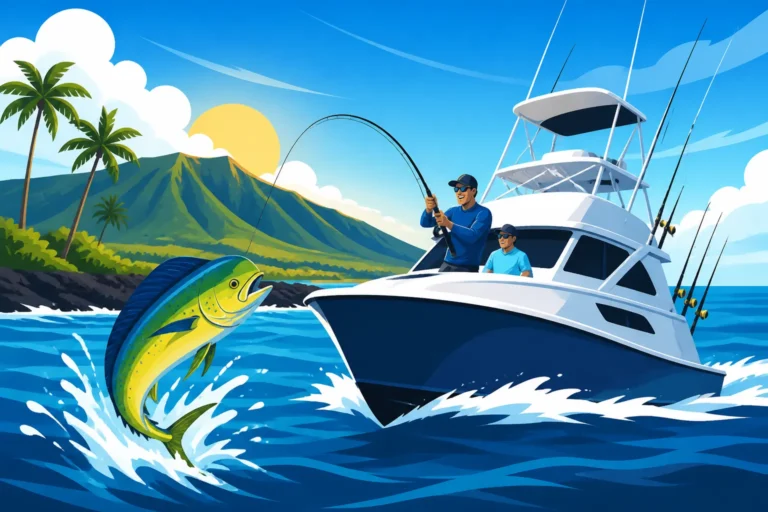
Perhaps the most iconic type of fishing in Hawaii is offshore trolling, particularly around the Kona Coast. This method involves dragging multiple lures or baits behind a moving boat at various depths and speeds. The goal is to imitate baitfish and entice large, fast-swimming pelagic species that inhabit the open ocean.
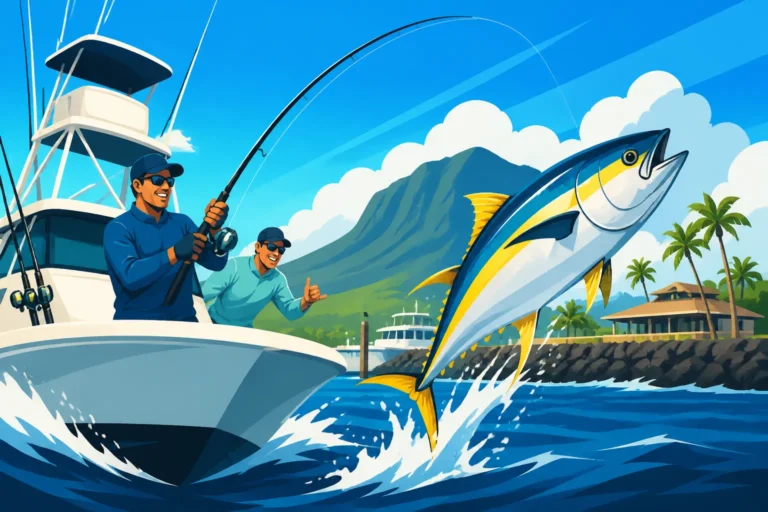
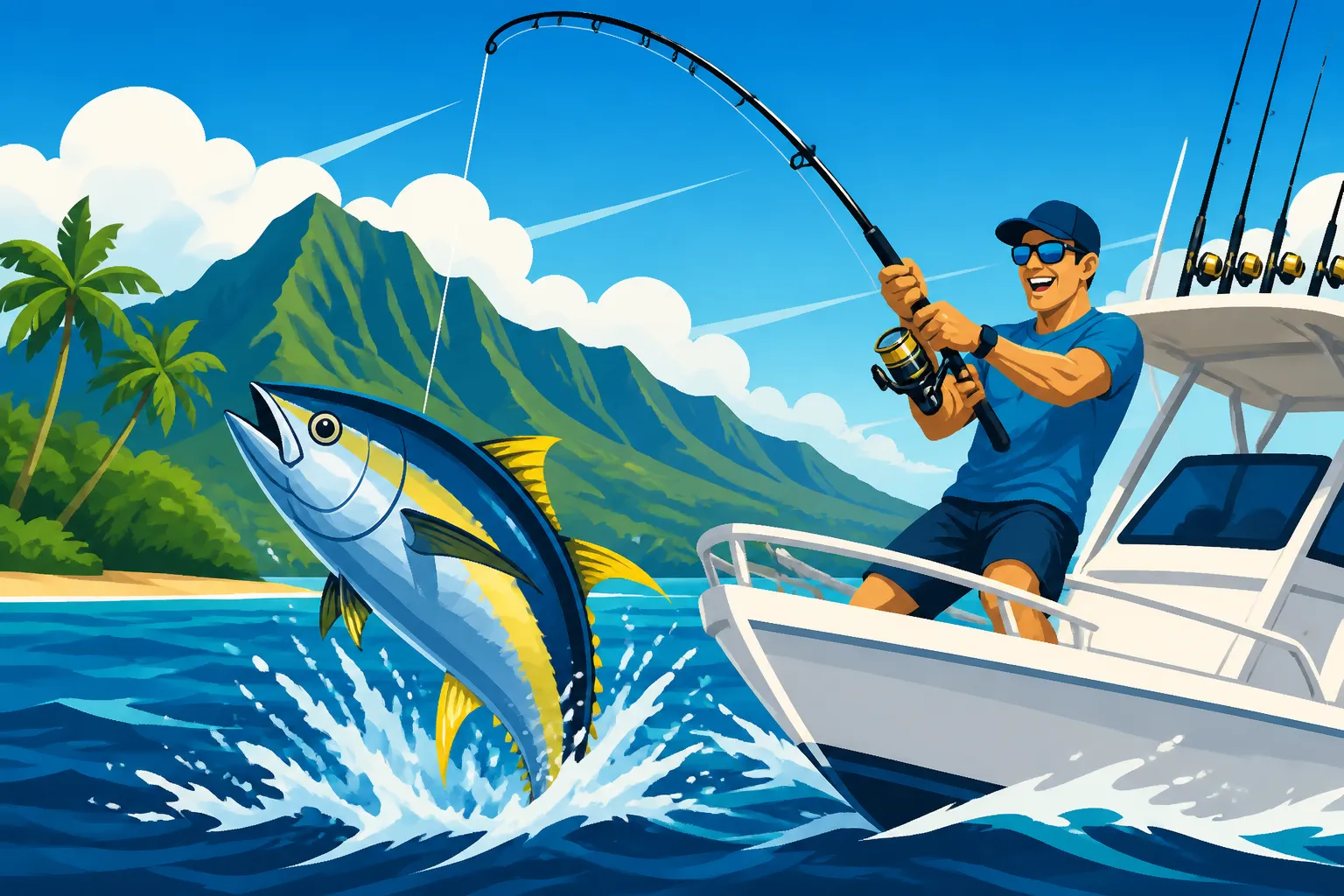
When a rod goes off, it's an explosion of excitement! The drag screams, the rod bends, and the real work begins. You'll likely be handed the rod and guided to a fighting chair, or positioned at the gunwale, to begin the battle. Common targets for trolling include the magnificent blue marlin and striped marlin, powerful ahi (yellowfin tuna), lightning-fast ono (wahoo), and the beautiful, acrobatic mahimahi. Each species offers a unique fight, from the long, deep runs of an ahi to the aerial displays of a marlin. Learning How to Catch Marlin off the Kona Coast is an art form, and you'll be guided every step of the way by the experienced crew.
This type of fishing requires patience, as there can be long periods of waiting between bites. However, the reward of hooking into a truly massive fish, feeling its raw power, and eventually bringing it boat-side is an unparalleled thrill. The crew will be constantly working, adjusting lures, checking lines, and watching for any signs of fish activity, ensuring you have the best possible chance at a trophy catch.
Deep-Drop Bottomfishing for Reef Dwellers
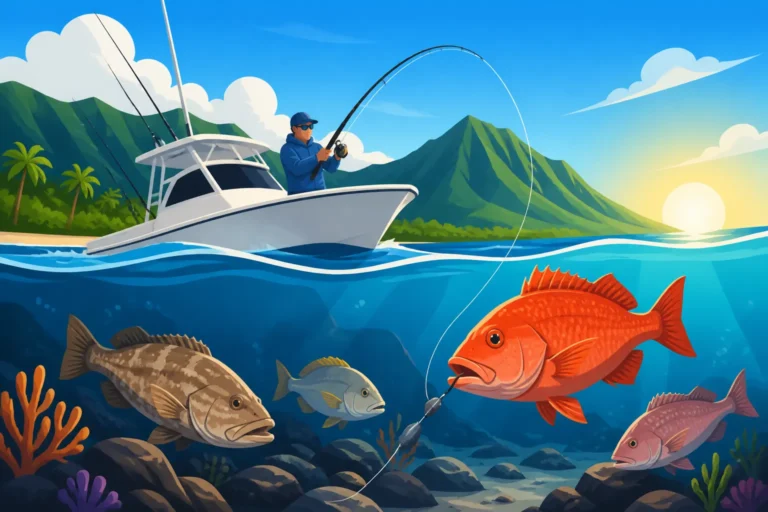
While offshore trolling gets a lot of the headlines, deep-drop bottomfishing offers a different, equally rewarding experience, targeting delicious species that live near the ocean floor. This method involves dropping heavy lines, sometimes with multiple hooks, down to depths ranging from a few hundred to over a thousand feet. It’s a completely different rhythm than trolling, often more methodical, focusing on structure and underwater topography.
Charters specializing in bottomfishing will use advanced sonar to locate deep-water pinnacles, ledges, and other structures where fish congregate. You'll drop your weighted rig, often baited with squid or cut fish, and wait for a bite. When you feel a tug, it's a solid, powerful pull, as you're lifting fish from significant depths. The effort to retrieve your catch from so far down is real, but the reward is often a cooler full of prized eating fish. Species commonly caught include opakapaka (pink snapper), onaga (ruby snapper), ehu (red snapper), and hapu'upu'u (grouper). These are all highly sought-after for their delicate flavor and command high prices in local markets.
This type of fishing is often less physically demanding than fighting a marlin, making it a great option for families or those who prefer a steadier, more predictable bite. It's also an excellent way to see the diverse life that thrives in Hawaii's deeper waters. Bottomfishing in Hawaii can be a surprisingly engaging and productive way to spend your day.
Inshore and Nearshore Opportunities
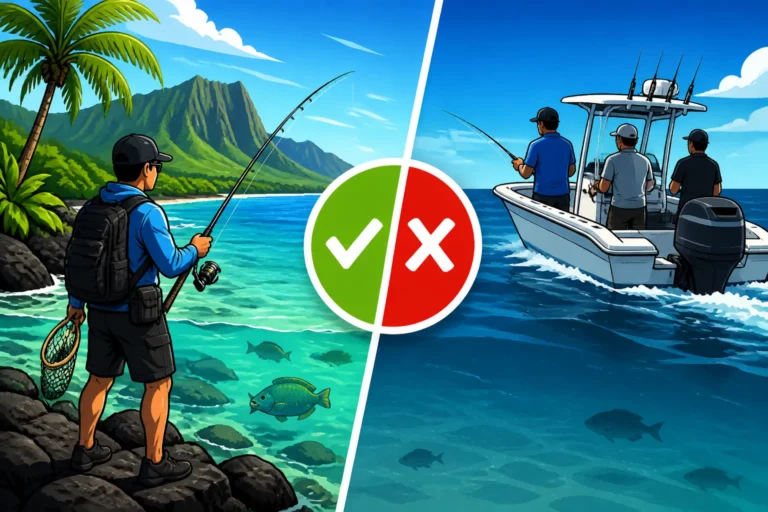
Not all Hawaii fishing involves heading miles offshore. Many excellent opportunities exist closer to the coast, offering a different kind of challenge and a chance to target species that inhabit reefs, bays, and shoreline structures. These trips are often conducted on smaller boats or even as guided shore fishing excursions.
Inshore charters might focus on "whipping" or "casting" for papio (juvenile trevally), a notoriously feisty fish that provides excellent light-tackle sport. You might also encounter moi (Pacific threadfin), kumu (goatfish), or various reef fish. These trips are often more interactive, requiring active casting and retrieving, and can be incredibly rewarding for anglers who enjoy sight fishing or working artificial lures. Some specialized guides even offer trips targeting bonefish (oio) on the shallow flats, a challenging and highly sought-after pursuit for fly fishermen and light-tackle enthusiasts alike. To learn more about specific techniques, check out Shore Fishing Techniques for Hawaii.
Nearshore fishing also includes spearfishing charters, though these are typically more specialized and require a certain level of skill and comfort in the water. Hawaii's clear waters and abundant reefs make it a prime location for freedive spearfishing, targeting species like uhu (parrotfish) or various jacks. However, it's crucial to understand Hawaii Spearfishing Regulations before embarking on such an adventure, as rules can be quite specific, especially concerning protected areas like Marine Life Conservation Districts.
Handling Your Catch: Keep, Release, or Share
After the thrill of the catch, the next step is deciding what to do with your fish. This involves understanding local regulations and the charter's policy, which can vary from boat to boat and species to species.
Understanding Bag Limits and Regulations
Hawaii has strict regulations designed to protect its precious marine resources. Your charter captain is an expert on these rules and will ensure that all fishing activities comply with state laws, including minimum size limits, bag limits (the number of fish you can keep per person or per boat), and closed seasons for certain species. For example, some fish like moi have specific closed seasons, while opihi have strict harvest limits. It's important to defer to your captain's judgment regarding what can be kept.
If you're targeting pelagic species like marlin or ahi, some charters have a "boat fish" policy, especially for large tuna or billfish. This means that if a particularly large or valuable fish is caught, it might be considered the boat's property to cover operating costs and provide income for the crew. However, most charters are very generous, and you'll typically get a share of the catch, especially if it's a smaller fish or a species primarily caught for consumption. Always clarify these policies before your trip to avoid any misunderstandings. For more on this, consider reading Hawaii Bag and Size Limits by Species.
The crew will measure and count fish as they come aboard, ensuring everything is legal. They often have an in-depth understanding of the nuances of species identification and the specific rules for fish like Hawaii Uhu Parrotfish Size and Bag Limits or Hawaii Moi Closed Season Explained.
Filleting and Packaging Your Fish
One of the best parts about a successful fishing trip is taking home fresh, delicious seafood. Most Hawaii fishing charters offer fish cleaning and filleting services, either as part of the initial charter cost or for a small additional fee. The crew are typically very skilled at this, quickly transforming your whole fish into neat, ready-to-cook fillets.
They will usually bag your fillets in standard plastic bags, sometimes even on ice, ready for you to take home. If you've caught a particularly large fish like an ahi, you might get a substantial amount of meat, perfect for sharing with friends and family or freezing for later. Don't underestimate the value of this service; filleting a large fish correctly takes practice and the right tools.
It's a good idea to bring a cooler with you, especially if you plan to keep a significant amount of fish. Even if the boat provides coolers for the catch, having your own for transport home will keep your fillets fresh. If you’re visiting from out of town and worried about how to get your catch home, some larger harbors have facilities or nearby businesses that can vacuum-seal and even ship your fish.
Catch and Release Practices
While many anglers look forward to bringing home dinner, catch and release is also a very common and respected practice in Hawaii, especially for certain species or when specific bag limits have been met. For instance, many large marlin are now released after being brought to the boat for a quick photo, ensuring their survival and contribution to the fishery.
Your crew will be adept at proper catch and release techniques, minimizing stress and injury to the fish. This often involves careful handling, swift removal of hooks, and ensuring the fish is revived and strong before release. If you specifically want to practice catch and release, or if you're targeting a species where it's encouraged (such as juvenile papio or certain billfish), make sure to communicate this to your captain before the trip.
Even if you plan to keep fish, sometimes you'll encounter a protected species, or a fish that's too small or too large to keep based on regulations. In these cases, the crew will expertly handle the release. The goal is always to promote sustainable fishing practices and conserve Hawaii's incredible marine biodiversity for future generations of anglers. Knowing the boat's stance on this is important, as some charters are exclusively "catch and release" while others focus on putting fish in the cooler.
Post-Trip Reflections and Logistics
Your fishing adventure doesn't quite end when the boat docks. There are a few final considerations and courtesies that wrap up your Hawaiian fishing charter experience.
Tipping Your Captain and Crew
Tipping is customary and highly appreciated in the charter fishing industry, much like in restaurants or other service sectors. It's a way to acknowledge the hard work, expertise, and dedication of your captain and crew. These individuals work long hours, often starting well before dawn and cleaning up long after you've left, all while ensuring your safety and trying their best to put you on fish.
A general guideline for tipping is typically 15-20% of the total charter cost. If you had an exceptional experience – perhaps caught a personal best, received outstanding service, or felt the crew went above and beyond – you might consider tipping more. If you're on a shared charter, you would tip based on your share of the cost. Presenting the tip directly to the captain or crew member (often the deckhand who did a lot of the grunt work) at the end of the trip is usually the norm. It's a small gesture that makes a big difference in their daily earnings and shows your appreciation for their efforts.
Even if the fishing was slow (which sometimes happens, it's fishing after all!), if the crew worked hard and provided a safe, enjoyable experience, a tip is still warranted. Their effort and service are distinct from the unpredictable nature of fish bites. For more specifics, consider reading up on Tipping Etiquette for Hawaii Fishing Charters.
Fish Processing and Shipping Options
If you've had a successful day and are heading home with a cooler full of fish, you'll need to consider how to manage your bounty. As mentioned, most charters will fillet your fish, but if you have a massive catch or are planning to fly home, you might need more advanced processing.
In larger fishing ports, you might find local fish processing businesses or seafood markets that offer services like vacuum-sealing, blast freezing, and even shipping your catch back to your home state. These services are invaluable for visitors who want to enjoy their Hawaiian catch long after their vacation ends. Be prepared for additional costs for these specialized services, but for many, it's a worthwhile investment to savor the taste of the islands.
If you're staying on the island, remember to keep your fish properly chilled. Transfer it to your home cooler with plenty of ice as soon as possible. Freshly caught Hawaiian fish, when handled correctly, makes for an unforgettable meal, whether grilled, seared, or prepared as poke.
Sharing Your Experience and Booking Again
After your adventure, one of the most natural things to do is share your experience! Whether it's showing off photos of your catch to friends and family, posting on social media, or writing an online review, your feedback is valuable. Positive reviews help great charter operators get more business, and constructive feedback can help them improve.
If you had an amazing time, don't hesitate to book with that same captain and crew again on your next visit. Many anglers develop a loyalty to specific boats and crews, returning year after year. Hawaii's fishing grounds are vast and constantly changing, so every trip is a new adventure, even with the same crew.
Think about what you enjoyed most and what you might want to try differently next time. Perhaps you want to target a different species, or explore a new fishing ground. The beauty of Hawaii fishing is its endless possibilities. Whether it was a bucket-list marlin or a tasty opakapaka, the memories you make on a Hawaii fishing charter will last a lifetime. Who knows, you might just find yourself planning your next trip even before you've unpacked from this one!
Disclaimer
This article is for general informational purposes only and does not constitute professional advice. Laws, prices and regulations vary by location and change over time. Consult a qualified professional for guidance on your specific situation.