Best time of year to book a Hawaii bottomfishing charter
If you're dreaming of dropping a line into Hawaii's deep blue waters, specifically for some thrilling bottomfishing, you've probably already started wondering, "When's the best time to go?" It's a completely valid question, and honestly, it's one of the biggest frustrations for anglers planning a trip to paradise. You want to make sure you're not just casting lines into the void but truly maximizing your chances of hooking into some of those incredible deepwater species. This comprehensive guide is here to unravel the mysteries of Hawaii's bottomfishing seasons, helping you pinpoint the ideal time to book your charter and ensure your Hawaiian fishing adventure is nothing short of legendary.
Understanding Hawaii's Bottomfishing Landscape
Before we dive into the calendar, it's important to appreciate what makes bottomfishing in Hawaii such a unique and rewarding experience. This isn't your typical shallow-water reef fishing; we're talking about dropping lines hundreds, sometimes thousands, of feet down to target some of the most sought-after and delicious fish in the ocean.
What Makes Hawaii Bottomfishing Unique?
Hawaii's volcanic origins have created an incredible underwater topography of steep drop-offs, seamounts, and deep canyons that plunge thousands of feet just a few miles offshore. This dramatic structure is a haven for a diverse array of deepwater fish, many of which are found nowhere else. Unlike trolling for pelagic species like marlin or ahi that cruise near the surface, bottomfishing involves specialized gear to reach these incredible depths. We're talking about heavy-duty electric reels, braided lines, and sinkers that weigh several pounds, all designed to get your bait down to where the big fish live and bring them back up. It's a true test of patience and engineering, but the rewards are often spectacular. The feeling of a big opakapaka or onaga hitting your line from a thousand feet down is an unforgettable thrill.
Key Bottomfish Species You'll Encounter
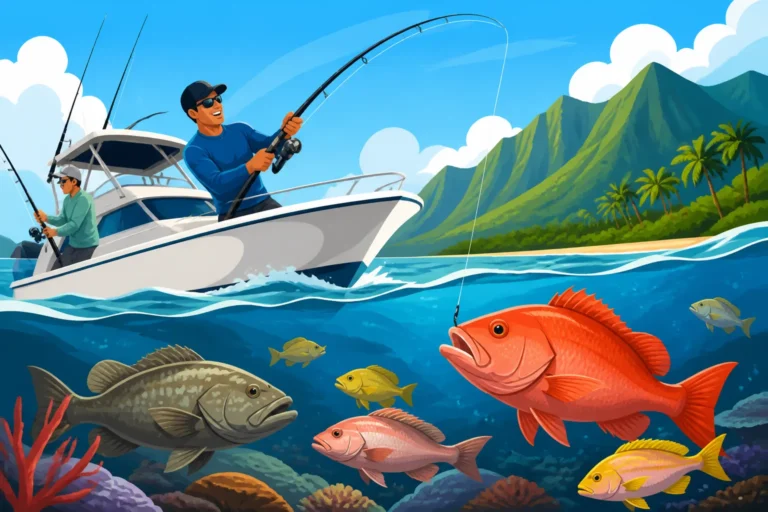
When you embark on a bottomfishing charter in Hawaii, you're primarily targeting what locals call "deep-7" species, though there are many other incredible fish you might encounter. These are highly prized for their exquisite taste and challenging fight. Some of the stars of the show include Opakapaka (Pink Snapper), a vibrant pink fish with delicate white flesh, and Onaga (Ruby Snapper), which is known for its striking red color and flaky, delicious meat. You might also find Ehu (Squirrelfish Snapper), Gindai (Popeye Catalufa), and Hapu'upu'u (Grouper), among others. Each of these species has its own preferred depth, structure, and feeding habits, which means a good captain will have an encyclopedic knowledge of the local spots to maximize your chances. Learning about Bottomfish Species of Hawaii can give you a better idea of what to expect on your trip.
General Factors Influencing Bottomfishing Success
While timing is crucial, many factors play into a successful bottomfishing trip. Ocean currents, for instance, can significantly impact how your line drifts and whether your bait stays in the strike zone. Too strong, and it's hard to hold bottom; too slack, and the fish might not be as active. The moon phase also plays a role, with some anglers swearing by certain phases for better feeding activity. Beyond that, the specific underwater structure you're fishing—whether it's a rocky ledge, a coral head, or a deep pinnacle—is paramount. Experienced captains spend countless hours mapping these spots, and they keep their prime locations closely guarded secrets. Ultimately, it's a combination of knowing the right spots, using the right bait, and having a bit of luck on your side.
Seasonal Breakdown: Best Times to Book Your Charter
Now, let's get down to the nitty-gritty: when should you book that Hawaii bottomfishing charter? While fish can be caught year-round, certain seasons offer more favorable conditions and higher concentrations of specific species.
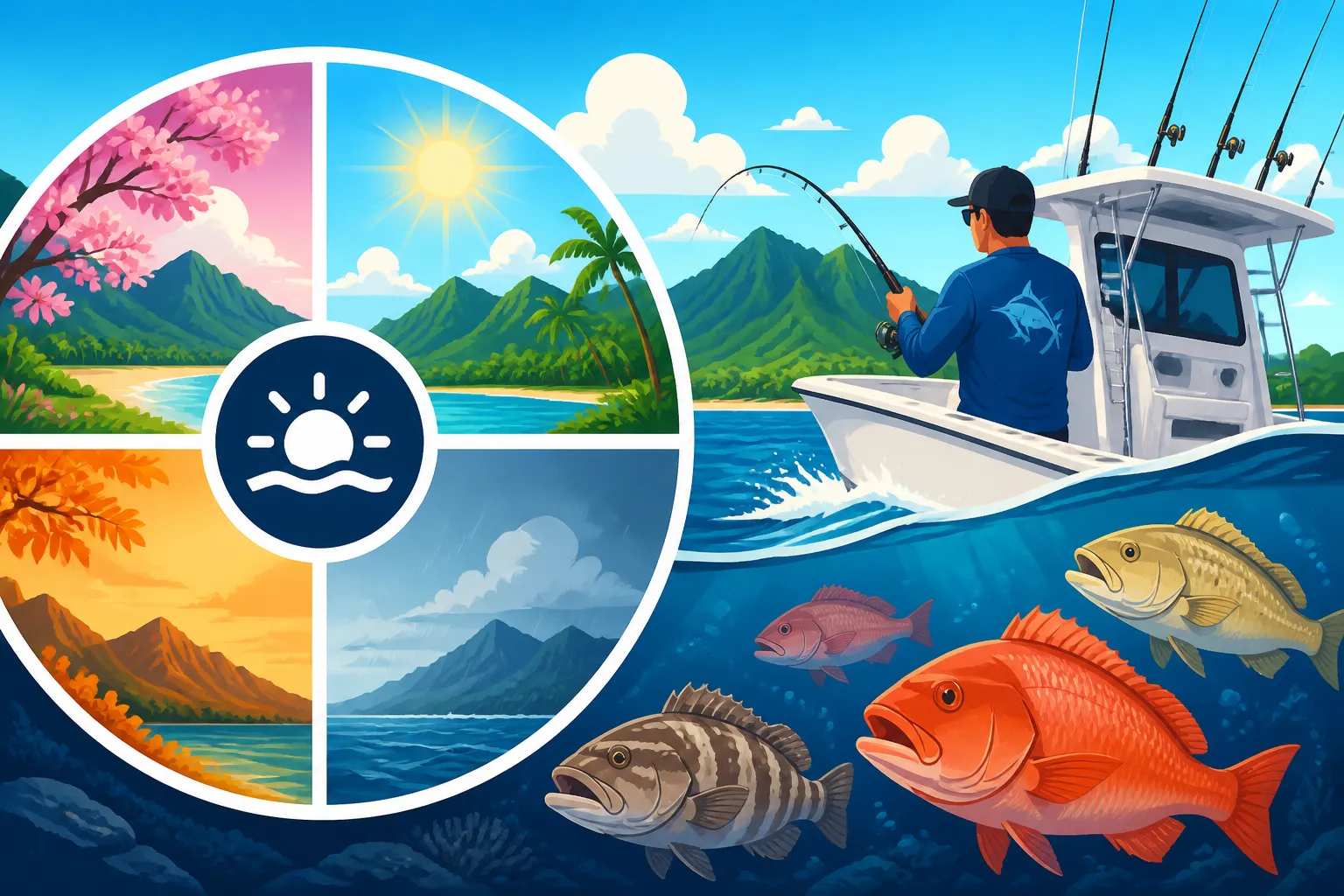
Peak Season: Summer and Early Fall
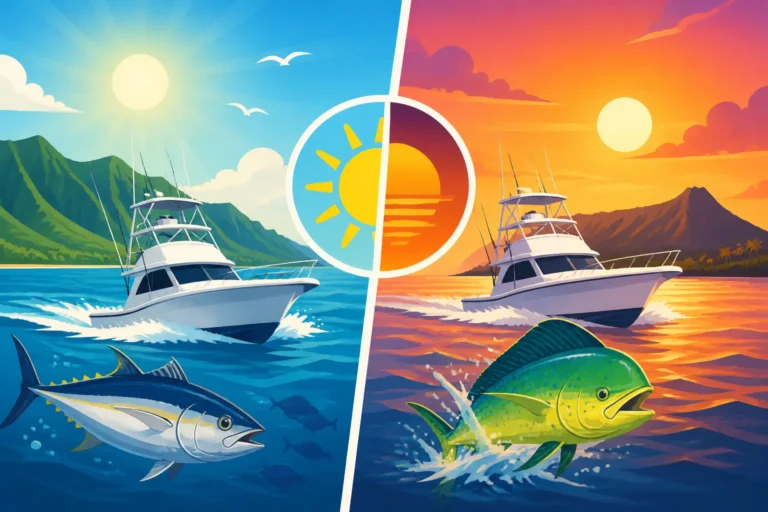
Many veteran bottomfishermen and charter captains consider the warmer months, roughly from May through October, to be the prime time for deep dropping. During this period, Hawaii generally experiences more stable weather patterns. This means lighter winds and calmer seas, which are absolutely crucial for effective bottomfishing. Imagine trying to keep your line on a precise spot 800 feet down when the boat is pitching and rolling in rough swells – it's nearly impossible, and certainly not enjoyable. Calmer conditions allow captains to position the boat accurately over productive ledges and seamounts, giving you the best shot at a bite.
Furthermore, the warmer water temperatures at the surface can lead to increased baitfish activity, which in turn can stimulate the entire food chain, including the deepwater dwellers. While bottomfish live in cold, stable temperatures at depth, the overall ocean ecosystem is more vibrant. You'll find many charters fully booked during these months, so if you're planning a trip during the summer or early fall, booking well in advance is absolutely essential. Many anglers utilize platforms like FishingBooker to compare availability and secure their spots months ahead of time.
Shoulder Seasons: Spring and Late Fall
The shoulder seasons, typically March-April and November-December, can offer a fantastic balance of good fishing opportunities and slightly fewer crowds than the absolute peak summer months. In spring, as the trade winds begin to stabilize and the ocean warms up, bottomfish start to become more active after the cooler, choppier winter months. You might encounter some transitional weather, with a mix of calm days and a few choppier ones, but there are plenty of windows for successful trips.
Late fall, especially November, can also be excellent. The summer crowds have thinned out, but the ocean temperatures are still relatively warm, and the weather often remains pleasant. You might catch a slight dip in charter prices or find more availability compared to the summer. However, as you move into December, the chances of encountering larger winter swells and stronger winds increase, particularly on exposed coastlines. These shoulder seasons are often a sweet spot for those looking to avoid the busiest times while still enjoying high chances of productive bottomfishing. It's a great time to explore different Bottomfishing in Hawaii techniques.
Winter Fishing: Overcoming the Elements
December through February marks Hawaii's winter. While the air temperatures remain pleasantly warm, this is generally the season for larger ocean swells and stronger, more consistent trade winds, especially on the northern and eastern shores of the islands. This doesn't mean bottomfishing completely shuts down, but it does present more challenges. Charters might be cancelled or rescheduled more frequently due to weather, and when they do go out, the ride can be significantly rougher, making seasickness a real concern for some anglers.
However, for those who can brave the conditions, winter bottomfishing can still be quite productive. Some argue that certain species become even more concentrated in specific areas during these months. The key is flexibility and choosing your charter day wisely. If you're visiting in winter and want to bottomfish, plan for multiple days if possible, allowing you to pick the best weather window. Charters operating out of more protected harbors, like those on the leeward (west) side of the Big Island, might offer more consistent opportunities, as they are shielded from the prevailing trade winds and north swells. Always check with your chosen charter about their cancellation and rescheduling policies regarding weather.
Here's a quick overview of the seasonal considerations for bottomfishing:
| Season | Typical Weather/Sea Conditions | Bottomfish Activity (General) | Charter Availability | Notes |
|---|---|---|---|---|
| Summer | Calmest seas, light winds, warm temps | High | Low (Book Early!) | Peak season for comfort and consistent conditions. Best for those prone to seasickness. Ideal for families. Can be very busy, so advance booking is critical. Platforms like FishingBooker are invaluable for securing your spot. |
| Early Fall | Calm seas, light winds, warm temps | High | Moderate | Excellent continuation of summer conditions, often with fewer crowds. Still highly recommended for bottomfishing. |
| Late Fall | Mixed conditions, potential for increasing swell | Good | Moderate | Transition period. Can have excellent calm days, but watch for early winter swells. Less crowded than summer. Good value for flexible travelers. |
| Winter | Rougher seas, stronger winds, larger swells | Good (but challenging) | High | Requires flexibility and tolerance for rougher rides. Charters may cancel due to weather. Focus on leeward coasts for more protected fishing. Can still yield trophy fish for dedicated anglers. |
| Spring | Improving conditions, lessening winds | Good | Moderate | Another good transition period. Conditions improve as summer approaches. Good balance of fishing opportunity and moderate crowds. |
Beyond the Calendar: Other Factors to Consider
While the time of year provides a general framework, a few other crucial factors can make or break your bottomfishing trip. Paying attention to these details can significantly enhance your chances of success and enjoyment.
Weather and Ocean Conditions
This is paramount for bottomfishing. A beautiful, sunny day on land doesn't always translate to calm seas miles offshore. Strong winds can create choppy conditions, making it difficult to maintain your bait at depth and a miserable experience for anglers on board. Large swells, particularly winter swells that primarily impact north-facing shores, can also make offshore travel uncomfortable and fishing nearly impossible. Always check the marine forecast in the days leading up to your trip. Most reputable charter captains will monitor these conditions closely and will be proactive in communicating any potential issues or necessary reschedules. They want you to have a safe and successful trip as much as you do. Don't be afraid to ask your captain about the expected conditions when you book. For general ocean conditions, it's worth understanding Best Time of Year to Fish in Hawaii more broadly.
Moon Phases and Tides
Ask any seasoned bottomfisherman, and they'll likely have a strong opinion on how moon phases and tides affect fishing. While it's not an exact science, many believe that periods around the new and full moons, when tidal currents are strongest, can sometimes trigger more aggressive feeding by bottom dwellers. The increased current might move more baitfish or stimulate scavenger activity. Conversely, some anglers prefer the quarter moons when currents are weaker, making it easier to hold bottom.
The truth is, both strong and weak currents can have their advantages depending on the specific species you're targeting and the captain's preferred technique. The best advice here is to trust your captain, who knows the local waters and the fish's habits intimately. They'll adjust their strategy based on the conditions. You can certainly inquire about the moon phase and its potential impact when discussing your trip, but don't let it be the sole determinant of your booking unless you have a very specific, tried-and-true superstition!
Charter Availability and Booking Strategy
This is a big one. Hawaii is a popular destination, and the best bottomfishing charters—those with experienced captains, well-maintained boats, and a strong reputation for finding fish—book up quickly. This is especially true during the peak summer months, school holidays, and around major fishing tournaments. If you have specific dates in mind, or if you're traveling with a large group, you really need to plan ahead.
For peak season trips, it's not uncommon for the most sought-after charters to be booked 3-6 months in advance, sometimes even further out for prime dates. For shoulder seasons, 1-3 months out is usually sufficient, but still advisable. Even in winter, popular charters can fill up fast if there's a good weather window. Using a service like FishingBooker allows you to view multiple charters' availability calendars at once, making it much easier to find an open slot that fits your schedule. Remember, flexibility with your dates can often lead to better availability and potentially a better deal. Don't underestimate the demand, particularly for quality operations. Consider the nuances of How to Choose a Hawaii Fishing Charter carefully.
Choosing the Right Bottomfishing Charter
Beyond the timing, selecting the right charter is perhaps the most critical decision you'll make for a successful bottomfishing trip. Not all charters are created equal, and what works for one type of fishing might not be ideal for deep dropping.
What to Look for in a Captain and Boat
For bottomfishing, experience is king. You want a captain who has spent years, if not decades, learning the intricate underwater topography of Hawaii. They should be intimately familiar with the prime fishing grounds, the subtle changes in current, and the habits of the target species. A good bottomfishing captain will also have top-of-the-line electronics, including sophisticated sonar and GPS, to accurately locate and stay on productive spots.
The boat itself needs to be stable and well-equipped for deep-dropping. Look for charters that specifically advertise bottomfishing and provide the necessary heavy-duty gear, including electric reels. Shared charters are common for bottomfishing, as the specialized gear can be expensive, and it allows multiple anglers to share the cost. However, a private charter offers more flexibility and personalized attention. Always check reviews, ask for references, and don't hesitate to directly communicate with the captain before booking to get a feel for their approach and expertise. You might find great options by researching Best Bottomfishing Charters in Hawaii.
Planning Your Trip: Duration and Expectations
Bottomfishing isn't a quick activity. Getting to the deepwater grounds, deploying lines hundreds of feet down, and then retrieving them, takes time. Because of this, most dedicated bottomfishing charters are at least a half-day (4-6 hours), with full-day (8-10 hours) trips being very common and often more productive. A full day gives the captain ample time to try multiple spots, adjust to conditions, and allow anglers more chances to hook up.
It's also important to manage your expectations. While the goal is always to catch fish, bottomfishing, like all fishing, can be unpredictable. You might come back with a cooler full of prized snapper, or you might have a slower day. The experience itself – being out on the vast Pacific, learning about the deep-sea environment, and battling a powerful fish from the depths – is a significant part of the adventure. Communicate your expectations clearly with the charter captain when booking, especially if you have a specific target species in mind. Learning What to Expect on a Hawaii Fishing Charter can set you up for success.
Maximizing Your Experience
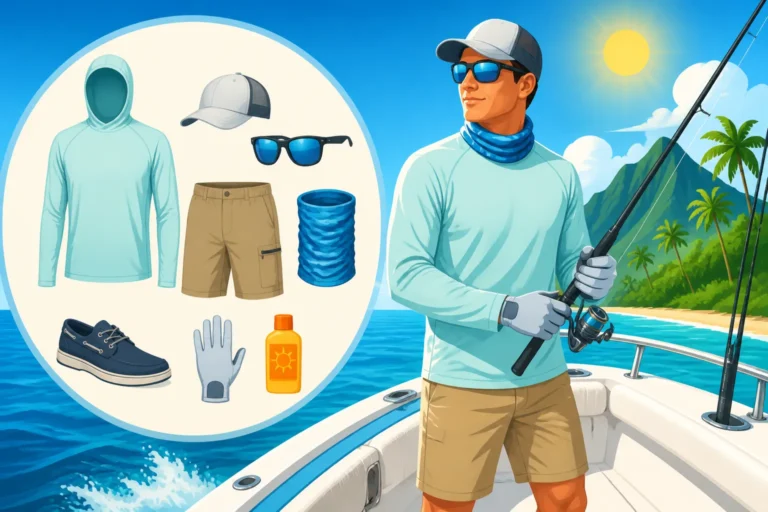
To truly make the most of your bottomfishing charter, a little preparation goes a long way. First, if you're prone to seasickness, take preventative measures before you even step on the boat. The deep drops often take you far offshore where conditions can be different from near land. Hydrate well, bring sun protection (hat, sunglasses, long-sleeved shirt), and pack any snacks or drinks you might want, though many charters provide some refreshments. Listen carefully to your captain and crew's instructions on how to use the gear; they're there to help you succeed.
Don't be afraid to ask questions about the species, the techniques, or the local marine life. Hawaiian waters are teeming with incredible biodiversity, and your captain is a wealth of knowledge. And finally, bring a good attitude! Fishing is meant to be fun, and even on slower days, being out on the ocean in Hawaii is an experience to cherish. Remember, for those interested in offshore excursions, booking the right trip can be seamless on platforms like FishingBooker, where you can find experienced captains and compare amenities offered.
Disclaimer
This article is for general informational purposes only and does not constitute professional advice. Laws, prices and regulations vary by location and change over time. Consult a qualified professional for guidance on your specific situation.