Best charters for bottomfishing opakapaka and onaga
Planning a fishing trip to Hawaii with your heart set on reeling in some delicious opakapaka or prized onaga can feel a bit overwhelming, especially when you're trying to find a charter that truly specializes in these deepwater beauties. It's not just about getting on any boat; it's about finding the right crew, the right gear, and the right knowledge to successfully target these elusive bottomfish. This guide will walk you through what to look for and where to find the best charters specializing in opakapaka and onaga, ensuring your deep-sea adventure is as rewarding as it is memorable.
Understanding Hawaii's Bottomfishing Scene for Opakapaka and Onaga
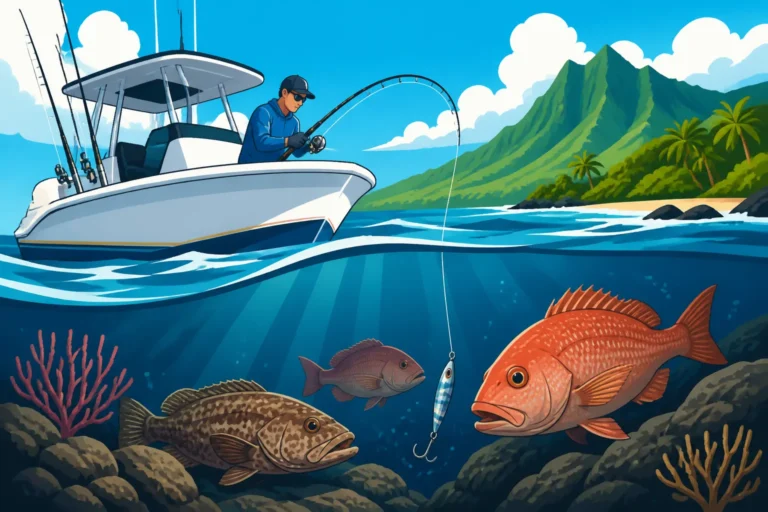
Hawaii's deep-sea environment offers some incredible bottomfishing opportunities, but it's a completely different ballgame than trolling for pelagics like marlin or ahi. Opakapaka, often called pink snapper, and onaga, or ruby snapper, are highly sought-after for their exquisite taste and beautiful appearance. They inhabit the deeper slopes and ledges around the Hawaiian islands, typically in waters ranging from a few hundred feet down to over a thousand. This deepwater habitat means specialized techniques and equipment are absolutely essential for a successful trip.
The Allure of Opakapaka and Onaga
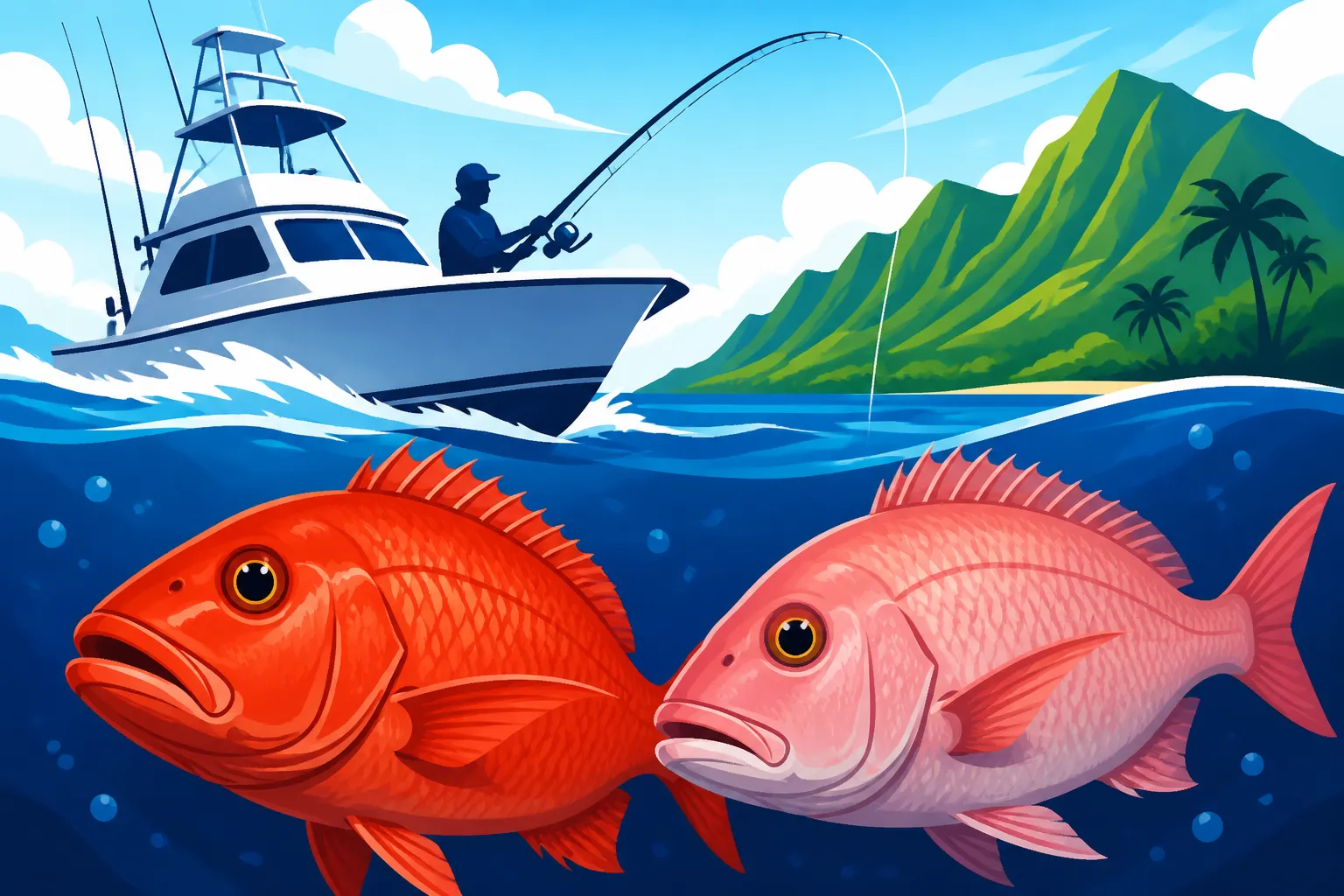
There's a reason these two species are considered premier catches in Hawaiian waters. Opakapaka are known for their delicate, flaky white meat, making them a favorite on dinner tables and in high-end restaurants across the islands. They tend to school, and when you find a productive spot, you can often bring up several. Onaga, with its vibrant ruby red color and equally delicious flesh, is often a more solitary and elusive catch, making each one a true trophy. Both require precise bait presentation and knowledge of their preferred depths and structures.
Anglers often get a thrill from the fight these fish put up from such depths. It's a test of endurance and skill, and the reward is not just a tasty meal but the satisfaction of conquering the deep. Understanding their behaviors, like how Opakapaka (Pink Snapper) Habits and Onaga (Ruby Snapper) Habits differ, is key to appreciating a charter's expertise.
The Challenges of Deepwater Bottomfishing
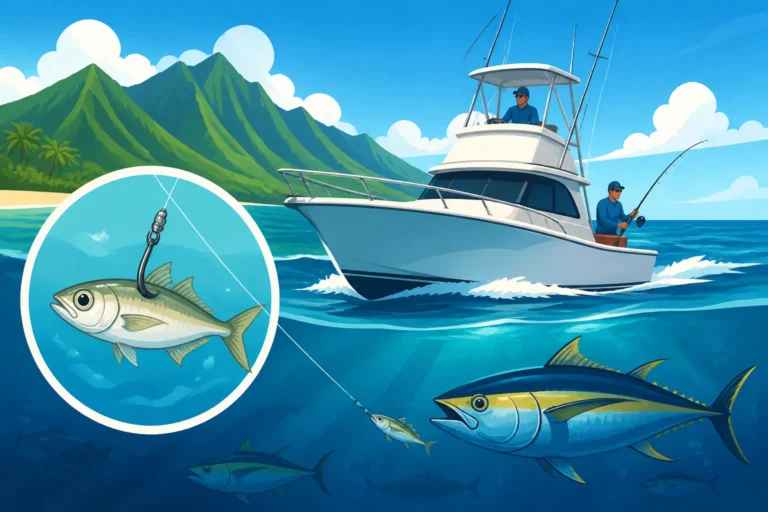
Successfully targeting opakapaka and onaga isn't easy. First, you need a boat capable of safely navigating offshore and with electronics advanced enough to pinpoint subtle changes in bottom structure and depth where these fish congregate. You also need heavy-duty electric reels and specialized rigs designed to withstand immense pressure and current, as well as deliver bait effectively hundreds of feet below the surface.
Beyond the gear, there's the art of actually fishing for them. It involves precise boat positioning, understanding current drifts, knowing what bait works best at different depths, and identifying productive "marks" on the sonar. It takes years of experience for a captain and crew to consistently put anglers on these fish. If a charter isn't truly geared for deep drop bottomfishing, you might end up spending hours jigging without a bite, which is a common frustration for anglers who haven't done their homework.
Key Qualities of a Top Bottomfishing Charter for Deepwater Species
When you're looking to specifically target opakapaka and onaga, not just any fishing charter will do. You need a captain and crew who live and breathe deep-sea bottomfishing, not just someone who occasionally drops a line down between trolling passes. Knowing what separates a dedicated bottomfishing charter from a generalist will make all the difference in your trip's success and enjoyment.
Specialized Equipment and Techniques
The number one indicator of a serious bottomfishing charter for opakapaka and onaga is their equipment. Look for charters that explicitly mention electric reels. While it’s certainly possible to hand-crank these fish up, it's an exhausting endeavor from 600-1000 feet, especially for multiple fish. Electric reels make the experience much more enjoyable and allow anglers of all skill levels to participate. They should also have:
- Heavy Rods and Reels: Capable of handling significant weight and fighting strong fish from deep.
- Sonar/Fish Finder Technology: High-definition, deep-penetrating sonar is crucial for locating the specific ledges, humps, and pinnacles where these fish hold.
- Specialized Rigs: Multi-hook rigs, often with glow-in-the-dark beads or skirts, designed for deep drops.
- Appropriate Bait: Charters should stock fresh, high-quality bait specifically for bottomfish, like squid, cut fish, or even live bait depending on the target. Understanding Best Bait for Deep Drop Onaga Fishing or Best Bait for Opakapaka Bottomfishing will help you recognize an experienced crew.
Don't be shy about asking specific questions about their gear when you're booking. A reputable charter will be proud to share details about their setup.
Experienced Captains and Crew
Beyond the gear, the captain's knowledge and the crew's experience are paramount. A seasoned captain will have a mental map of hundreds of deepwater spots, some passed down through generations, others discovered through countless hours on the water. They'll understand:
- Currents and Tides: How these affect drift over deep structure.
- Weather Patterns: How changing conditions impact fish behavior and safety.
- Fish Behavior: When and where opakapaka and onaga are most likely to bite.
- Conservation: Ethical fishing practices and adherence to Hawaii Bag and Size Limits by Species.
The crew should be adept at handling the deep-drop gear, assisting with baiting, helping manage tangles (which are common at depth), and providing guidance on technique. They should also be ready to expertly gaff and handle your catch once it comes aboard. A truly great crew makes the entire experience seamless and enjoyable.
Focus on Bottomfish, Not Just Trolling
Many charters offer "bottomfishing" as part of a multi-species trip, but this often means shallower reef fishing for less desirable species, or just dropping a line down briefly. For opakapaka and onaga, you want a charter that specializes in deep drop bottomfishing. This means they dedicate significant time to it, are equipped for it, and actively seek out the appropriate deepwater grounds.
When you're comparing options, look for charters that highlight bottomfishing as a primary offering, especially mentioning species like opakapaka, onaga, uku (grey snapper), hapu'upu'u (sea bass), and ehu (red snapper). This focus indicates they have the expertise and the commitment to put you on these specific fish. Check out guides on Best Bottomfishing Charters in Hawaii for a broader overview, but remember to filter for deepwater specialists.
Where to Find the Best Opakapaka and Onaga Charters
Hawaii is made up of several islands, and while deepwater bottomfishing opportunities exist around all of them, certain areas and harbors are particularly renowned for their consistent access to opakapaka and onaga grounds. Knowing where to start your search can save you a lot of time and lead you to the most productive waters.
The Big Island (Kona)
Kona, on the Big Island, is famously known as the "Marlin Capital of the World," but its unique topography also makes it an excellent destination for deepwater bottomfishing. The deep ocean drops off very close to shore, providing quick access to prime bottomfish habitats without long runs. This means more fishing time for you.
Charters operating out of Honokohau Harbor near Kailua-Kona are often well-versed in deep drop techniques, as they frequently encounter these depths while targeting pelagics. Many will offer dedicated bottomfishing trips or combine it with a half-day of trolling. The captains here often have generations of knowledge about the specific pinnacles and ledges where opakapaka and onaga reside. When looking through options, a platform like FishingBooker can be incredibly useful to filter charters by target species and read reviews from other anglers who specifically went for bottomfish.
Maui (Ma'alaea and Lahaina)
Maui also offers fantastic bottomfishing, particularly from its leeward coasts where the islands drop off into deep channels. Charters from Ma'alaea Harbor and Lahaina Harbor have access to productive grounds. The waters around Molokai and Lanai, often accessed from Maui, can also hold excellent deepwater fish.
These areas are popular for diverse fishing, so ensure you communicate clearly that you're focused on opakapaka and onaga, and ask about the specific gear and techniques they use for these species. While some charters might focus more on reef fish or trolling, there are definitely highly specialized bottomfishing operations that run from Maui's harbors.
Oahu (Kewalo Basin)
Oahu's Kewalo Basin Harbor in Honolulu is a hub for sportfishing, and you'll find a number of charters here that offer deep drop bottomfishing. Similar to the Big Island, the proximity to deep water helps, although some runs might be a bit longer to reach specific, productive banks.
Many Oahu charters are versatile, catering to both trolling and bottomfishing. Again, the key is to seek out those with a clear emphasis on bottomfish, possessing the right electric reels and local knowledge. Don't assume every boat offering "bottomfishing" will have the specialized setup for hundreds of feet of water, so ask those detailed questions.
| Island / Harbor | Proximity to Deep Water | Typical Focus | Key Advantage for Bottomfish |
|---|---|---|---|
| Big Island (Honokohau) | Very Close | Marlin, Ahi, Bottomfish | Quick access, experienced crews |
| Maui (Ma'alaea, Lahaina) | Moderate | Reef, Trolling, Bottomfish | Access to Molokai/Lanai channels |
| Oahu (Kewalo Basin) | Moderate | Trolling, Bottomfish | Large charter fleet, diverse options |
| Kauai (Nawiliwili) | Moderate | Trolling, Bottomfish | Less crowded grounds |
How to Book Your Ideal Bottomfishing Trip
Finding the right charter for opakapaka and onaga is more than just picking the first boat you see. It involves research, clear communication, and understanding what to expect. By following a few key steps, you can significantly increase your chances of a successful and enjoyable deep-sea bottomfishing experience.
Research and Compare Charters
Start by looking at charters that explicitly advertise deep drop bottomfishing. Don't just look for "bottomfishing" in general, as this can often mean shallower reef fishing for smaller species. Use online platforms like FishingBooker, which allows you to filter by target species and read detailed reviews from previous anglers. These reviews can be invaluable, often mentioning specific experiences with opakapaka and onaga, or praising a captain's knowledge of deepwater spots.
Pay attention to:
- Website descriptions: Do they mention electric reels, deepwater species, or specialized bottomfishing techniques?
- Photos: Do you see pictures of opakapaka, onaga, or other deepwater fish? Are anglers using electric reels?
- Reviews: Look for specific mentions of success with deepwater bottomfish.
It's also a good idea to research Hawaii Fishing Charter Cost Guide to get a general idea of pricing, although specific costs for deep drop trips may vary depending on boat size, duration, and equipment.
Communicate Your Intent Clearly
Once you've narrowed down a few potential charters, the most crucial step is to call or email them directly and clearly state your goal: you want to target opakapaka and onaga specifically. Ask specific questions:
- "Do you regularly target opakapaka and onaga?"
- "What kind of deep drop equipment do you have on board, especially for electric reels?"
- "How much time do you typically dedicate to deepwater bottomfishing on a trip?"
- "What are your typical depths when targeting these species?"
A good charter will appreciate your clear communication and be able to tell you if they are the right fit. If they seem hesitant or evasive about their bottomfishing capabilities for these specific species, it might be a sign to look elsewhere.
Prepare for Your Trip
Deepwater bottomfishing can be physically demanding, even with electric reels, and it involves being offshore for extended periods. Make sure you're prepared. Read up on What to Expect on a Hawaii Fishing Charter and follow common advice for offshore trips:
- Dress Appropriately: Light, breathable clothing, sun protection (hat, sunglasses, long sleeves), and deck-friendly shoes.
- Stay Hydrated: Bring plenty of water and non-alcoholic beverages.
- Motion Sickness: If you're prone to seasickness, take preventative measures well in advance. The open ocean can be unpredictable.
- Food and Snacks: Bring enough to keep your energy up throughout the trip.
- Cooler (Optional): Many charters will clean and bag your catch, but having a personal cooler in your car to transport your fish home is always a good idea.
Remember, a successful deepwater bottomfishing trip for opakapaka and onaga is a partnership between you and the crew. By doing your homework and communicating your desires, you'll set yourself up for an unforgettable Hawaiian fishing adventure.
Disclaimer
This article is for general informational purposes only and does not constitute professional advice. Laws, prices and regulations vary by location and change over time. Consult a qualified professional for guidance on your specific situation.