Best charters for trolling for ono and mahimahi
It's no secret that Hawaii is a mecca for offshore fishing, but when you're dreaming of reeling in delicious ono (wahoo) and vibrant mahimahi, finding the perfect charter that specializes in trolling for these specific species can feel like searching for a needle in a very vast, blue haystack. You want a crew that knows the local waters, understands the fish's habits, and has the right gear to give you the best shot at a memorable catch. This guide is here to cut through the confusion and help you identify the best charters for your Hawaii ono and mahimahi trolling adventure.
The Allure of Ono and Mahimahi for Hawaii Anglers
There's a special kind of excitement that comes with targeting ono and mahimahi in Hawaii. These aren't just any fish; they're fast, powerful, and absolutely stunning, making them a top choice for both seasoned anglers and first-timers looking for a thrill and some incredible table fare.
Why These Pelagics Are Perfect Trolling Targets
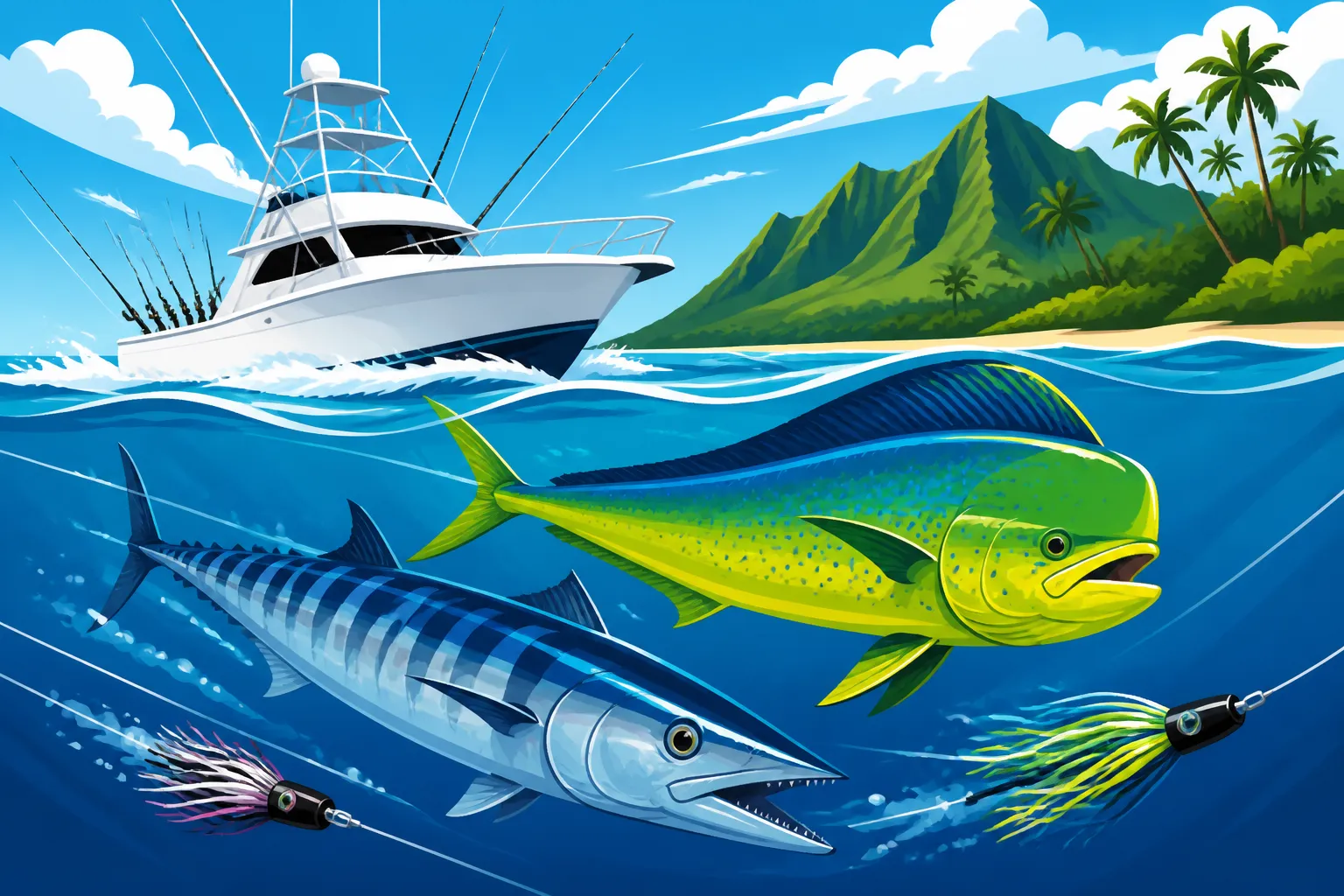
Ono, with their sleek, torpedo-shaped bodies, are built for speed. When one hits a trolled lure, your reel will scream, and the line will melt off with astonishing velocity. Their aggressive nature makes them fantastic targets for trolling, often hitting lures with a ferocity that can startle even experienced anglers. They're solitary hunters or found in small groups, always on the move, which makes covering water with a trolling spread highly effective.
Mahimahi, also known as dolphin fish (though unrelated to marine mammals), are equally exciting. They are brilliantly colored, particularly when fresh from the water, and put on an acrobatic show when hooked, leaping and dancing across the surface. Mahimahi are often found in schools, especially around floating debris or FADs (Fish Aggregating Devices), and when you hook one, it's very common for others in the school to follow, leading to exhilarating multiple hookups. Their schooling behavior makes them prime candidates for a well-placed trolling spread, as it allows your lures to cover a wider area and intercept these fast-moving groups.
Seasonal Sweet Spots for Ono and Mahimahi
While Hawaii's warm waters provide year-round opportunities for catching a variety of pelagic species, ono and mahimahi definitely have their peak seasons when they are more abundant. Understanding these patterns can greatly improve your chances of success and help you choose the best time for your trip.
Ono tend to be more prevalent in Hawaii's waters during the warmer months, generally from late spring through early fall. This is when the water temperatures are ideal for their migratory patterns and feeding habits. However, it's not uncommon to hook a nice ono in the "off-season" as well; they are just less concentrated. Mahimahi, on the other hand, are often found in large numbers during the spring and summer months, particularly when there's an abundance of baitfish. Their populations swell as they follow bait schools and warmer current lines, making those times particularly fruitful for trolling. Remember, even outside peak season, a good captain knows where to look for resident fish or transient schools. For a deeper dive, check out our guide on Best Time of Year to Fish in Hawaii.
Prime Hunting Grounds: Where Trolling Charters Focus
Successful trolling for ono and mahimahi isn't just about putting lures in the water; it's about putting them in the right water. Expert captains know the prime hunting grounds where these fish congregate, often far offshore, but sometimes closer to the coast depending on conditions.
Charters targeting these species will often head out to specific depths, typically from a few hundred feet to several thousand feet, looking for features like current lines, temperature breaks, and subsurface structure that attract baitfish, which in turn attract ono and mahimahi. FADs, those brightly colored buoys anchored in deep water, are absolute magnets for mahimahi and often hold ono as well. These artificial structures create an entire ecosystem in the open ocean, providing shelter and feeding opportunities. The Kona Coast of the Big Island, for example, is world-renowned for its deep-sea fishing, with charters routinely finding success trolling just a few miles offshore due to the steeply dropping seafloor. Harbors like Honokohau in Kona, Maalaea on Maui, and Kewalo Basin in Honolulu are common departure points for charters heading to these productive waters.
What Makes a Top-Tier Trolling Charter for Ono and Mahimahi?
Not all fishing charters are created equal, especially when you're looking for a specialized experience like trolling for fast-moving pelagics. The best charters stand out because of their people, their equipment, and their unwavering commitment to safety and a great fishing experience.
Expertise That Matters: Captain and Crew Experience
When it comes to trolling for ono and mahimahi, the captain and crew's experience is paramount. It’s not enough to simply drive the boat; they need to be true watermen (or waterwomen!). This means having an intuitive understanding of the ocean—reading swells, interpreting current shifts, and knowing how subtle changes in water color or temperature can indicate a productive zone. A great captain can spot a nervous bait school from a distance, or identify a bird working the water that signals larger predators below.
Furthermore, the crew's skill in setting and maintaining a diverse trolling spread is crucial. They know which lures to run where in the wake, at what speed, and how to adjust them based on changing conditions. When a fish hits, they act as a coordinated team: clearing other lines, coaching you through the fight, and expertly gaffing or netting your catch. Their local knowledge of specific hot spots, migratory routes, and even the nuances of Hawaiian weather patterns can make all the difference between a slow day and a banner day. This deep well of experience is what transforms a boat ride into a genuine fishing adventure.
The Right Tools: Boats, Gear, and Lure Spreads
A top-tier charter for ono and mahimahi trolling comes equipped with everything you need and more. The boat itself should be designed for offshore trolling, featuring a wide, stable beam to handle ocean swells, ample deck space for multiple anglers and a busy crew, and outriggers to spread lures effectively. Reliable engines are a must for covering large expanses of ocean efficiently and safely.
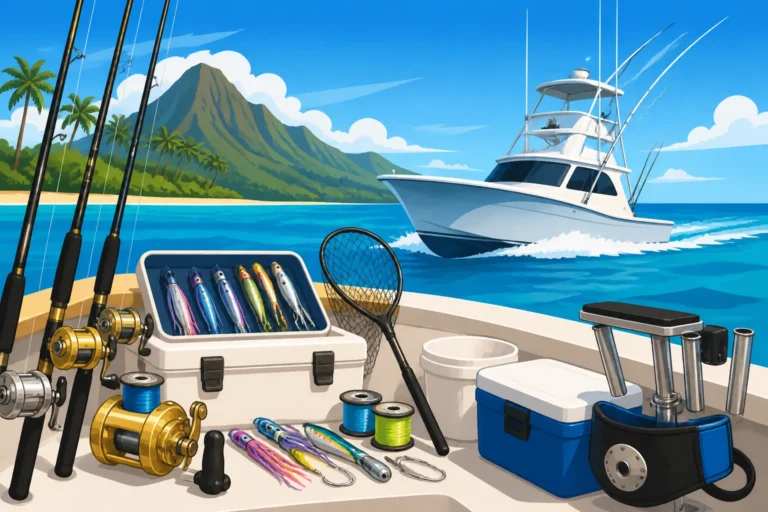
The fishing gear provided should be in excellent condition and appropriate for the species. Think high-quality, stout trolling rods paired with smooth, powerful conventional reels capable of handling the explosive runs of a big ono or mahimahi. The line should be fresh, the leaders strong, and the hooks sharp. Perhaps most importantly, the charter will have a well-stocked and diverse arsenal of lures. This includes a variety of colors, sizes, and styles—from flashy jet heads and skirted lures that imitate baitfish to chuggers and diving plugs. The crew will select and deploy a spread tailored to the day's conditions and target species, often running multiple lines simultaneously to maximize coverage and appeal to different fish preferences. We've got more insights on Best Trolling Lure for Mahimahi if you're curious!
Safety First: A Non-Negotiable on the Open Ocean
While the thrill of the catch is what draws us to fishing, safety should always be the top priority on any charter. A reputable ono and mahimahi trolling charter will demonstrate an unwavering commitment to safety, from the condition of their vessel to the professionalism of their crew.
This means the boat will be impeccably maintained and regularly inspected to meet all Coast Guard regulations. You'll find readily accessible life jackets for everyone on board, along with other essential safety equipment like flares, a first-aid kit, a VHF radio, and GPS navigation. The captain and crew will be CPR and first-aid certified, and they'll conduct a clear safety briefing before you even leave the dock, explaining emergency procedures and how to safely move around the boat. They'll also be mindful of weather conditions, making sound judgments about when it's safe to head out and when to stay in. Choosing a charter that prioritizes safety ensures that your fishing adventure is not only exciting but also secure.
Navigating Your Options: How to Pick the Best Charter
With so many fishing charters operating across Hawaii, finding the one that perfectly aligns with your vision of an ono and mahimahi trolling trip can feel overwhelming. A little research and knowing what questions to ask will go a long way.
Researching Reputable Operators
One of the best ways to start your search is by leveraging online resources and word-of-mouth. Platforms like FishingBooker are incredibly useful for seeing a wide array of charter options in one place. You can filter by location, boat type, target species, and even read reviews from previous anglers who have experienced these trips firsthand. Pay close attention to comments about the crew's knowledge, the quality of the gear, and their success rate with ono and mahimahi specifically. Look for consistency in positive feedback regarding their trolling techniques and their ability to put clients on fish.
Beyond online platforms, don't hesitate to ask locals or check out forums dedicated to Hawaii fishing. Sometimes, the best recommendations come from those who live and breathe the local angling scene. A charter with a long-standing positive reputation in the community often means they are consistently delivering excellent experiences. Make sure to check out our comprehensive guide on How to Choose a Hawaii Fishing Charter for more general tips.
Asking Key Questions Before You Book
Before you commit to a booking, having a list of targeted questions ready can save you from potential disappointment. Here are some crucial inquiries specifically for ono and mahimahi trolling:
- "What is your typical approach for targeting ono and mahimahi?" This helps you understand their trolling techniques, preferred areas, and general philosophy.
- "What kind of tackle and lures do you typically use for these species?" This ensures they have the appropriate gear.
- "What is your catch policy for ono and mahimahi?" Some charters are strictly catch-and-release, while others split the catch or allow you to keep a certain amount.
- "How many lines do you typically run when trolling?" More lines in the water (within reason) can increase your chances, especially for schooling mahimahi.
- "What is included in the charter price?" Clarify if bait, tackle, licenses (though usually covered for charters), food, and drinks are provided.
- "What's the crew's experience with these specific species?" Reiterate your target to ensure their expertise aligns.
Don't be shy about asking these questions; a good charter will be happy to provide clear answers.
Private vs. Shared Charters for Trolling
Deciding between a private or shared charter is a significant consideration, especially for trolling trips targeting ono and mahimahi. Each option has its distinct advantages and disadvantages.
A private charter gives you exclusive use of the boat and the crew's undivided attention. This is ideal if you're traveling with a family or a group of friends who want to fish together, or if you prefer a highly customized experience. With a private charter, you can often discuss your specific target species (like ono and mahimahi) and preferred fishing methods directly with the captain. This flexibility means the captain can focus entirely on putting your group on the fish you want, adjusting the trolling spread and locations to your preferences. The downside, of course, is that private charters generally come with a higher price tag, as you're covering the entire cost of the boat and crew.
A shared charter (often called a "split charter" or "open boat" trip) allows individual anglers or small groups to book a spot on a boat with other unrelated anglers. This is a much more budget-friendly option, as the cost is divided among all participants. While you might not have the same level of customization or one-on-one attention from the crew, it's a great way to experience offshore trolling without breaking the bank. The crew will still work hard to find fish, but the target species and methods might be more generalized to appeal to everyone on board. If you're flexible and enjoy the camaraderie of fishing with new people, a shared charter can be a fantastic value. When browsing options on platforms like FishingBooker, you can usually clearly see whether a charter offers private or shared trips.
Your Day on the Water: From Departure to Landing Your Catch
The anticipation leading up to a Hawaii fishing charter, especially one focused on trolling for ono and mahimahi, is a big part of the fun. Knowing what to expect can help you prepare and fully immerse yourself in the experience. For a general overview of what any charter entails, our guide on What to Expect on a Hawaii Fishing Charter is a great resource.
The Pre-Dawn Prep and Departure
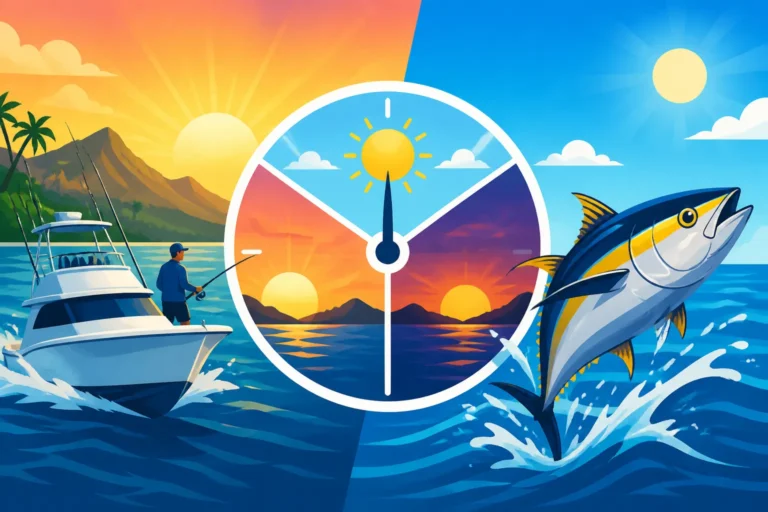
For many offshore trolling trips, especially those targeting early-morning bites, your day might start well before sunrise. You'll typically meet your captain and crew at the specified harbor (think Honokohau Harbor or Maalaea Harbor) where the air is fresh and the excitement is palpable. After a warm greeting, a quick safety briefing, and perhaps a coffee, you'll step aboard your vessel. The crew will confirm your gear is stowed, and then you'll gently motor out of the harbor.
As the boat clears the breakwater and picks up speed, you'll feel the rhythm of the ocean. The journey to the fishing grounds, often called "running out," is part of the adventure. You'll watch the sun rise over the stunning Hawaiian landscape, painting the sky with incredible colors. The crew will be busy preparing the tackle, rigging lures, and keeping a keen eye on the radar and sonar for any signs of baitfish or game fish activity. This quiet anticipation sets the stage for the thrilling day ahead.
Mastering the Trolling Spread
Once the captain reaches the desired fishing grounds—perhaps a productive current line or a series of FADs known for holding mahimahi—the real work of setting the trolling spread begins. This is where the crew's expertise truly shines. A typical trolling spread involves multiple lines deployed from different positions on the boat. Outriggers extend lines out to the sides, creating a wider presentation, while flat lines run closer to the stern. Downriggers might be used to present lures at specific depths, especially if ono are holding deeper.
Each lure in the spread is carefully chosen and positioned to imitate different baitfish or to create varying actions that attract predators. Some might be flashy and fast, while others wobble and dart. The boat maintains a consistent trolling speed, typically between 6 to 10 knots, as the lures dance and skip through the water, creating a commotion that attracts the attention of hungry ono and mahimahi. The crew constantly monitors the spread, watching for signs of fish, checking for weed on the lures, and making adjustments based on water conditions or observed activity. This isn't a static setup; it's a dynamic, artful presentation designed to entice a strike. If you're looking to learn more about the specifics, our article on Trolling Techniques for Hawaii Pelagics provides great detail.
The Thrill of the Bite and the Fight
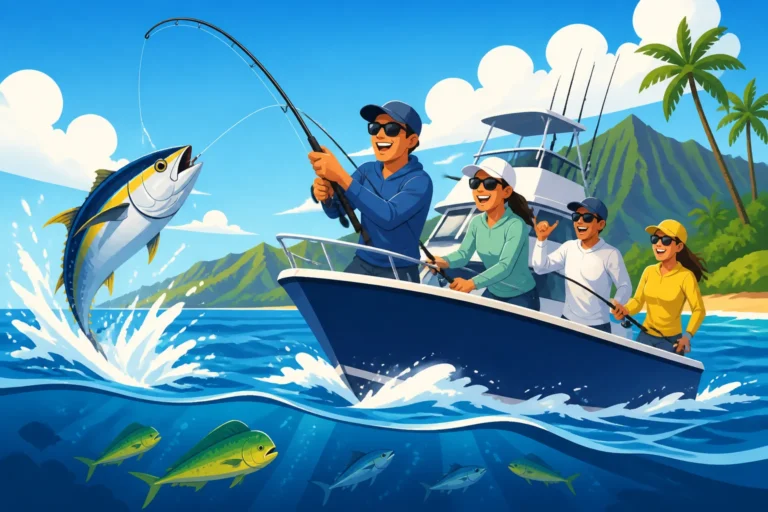
There's no mistaking a bite from an ono or mahimahi when you're trolling. Often, it starts with a sudden, violent pull on a rod, followed by the electrifying scream of the reel as line peels off at an incredible rate. Your heart will leap into your throat, and the adrenaline will surge! The crew will immediately spring into action, shouting "Fish on!" and identifying which rod has the strike. They'll quickly clear any other lines in the water to prevent tangles and give you a clear path to fight your fish.
You'll be handed the rod, and the battle will begin. Ono are known for their initial blistering runs and powerful head shakes, while mahimahi are famous for their aerial acrobatics, leaping high out of the water. The crew will coach you through the fight, reminding you to "pump and reel," keep tension on the line, and stay focused. It's a true test of strength and endurance, but the reward of seeing that beautiful fish come boatside makes every strained muscle worth it.
Catch Management: Keeping or Releasing
Once your ono or mahimahi is brought alongside the boat, the crew will expertly gaff or net it and bring it aboard. This is your moment to admire the vibrant colors and impressive size of your catch. Many charters have a catch policy where the fish becomes property of the boat, which then distributes it among the crew and customers. It's common for charters to offer to fillet your catch for you to take home and enjoy, especially if you're targeting delicious eating fish like ono and mahimahi. Some charters might have a "shared catch" policy, while others might allow you to keep a certain portion.
Responsible fishing practices are always encouraged. If you catch more than you can reasonably eat or process, or if you're looking to release a smaller fish, a good crew will help you with a safe and healthy release. Always clarify the charter's specific catch policy before you book, so you know what to expect. There's nothing quite like fresh ono or mahimahi for dinner after a day on the Hawaiian waters! Our article on Ono (Wahoo) Fishing in Hawaii and Mahimahi Fishing in Hawaii further explore these fantastic species.
Making the Most of Your Hawaii Trolling Adventure
A successful fishing trip is about more than just the fish you catch; it's about the entire experience. Preparing adequately and showing appreciation for your crew can elevate your Hawaii trolling adventure to unforgettable status.
Essential Items to Bring Aboard
Even though a good charter provides most of what you'll need for fishing, there are several personal items that will significantly enhance your comfort and enjoyment on the open water:
- Sun Protection: The Hawaiian sun is intense. Bring a wide-brimmed hat, polarized sunglasses (crucial for spotting fish and structure), and plenty of reef-safe sunscreen.
- Light Clothing: Wear comfortable, breathable clothing that can get wet. Long-sleeved shirts can provide extra sun protection.
- Non-Slip Shoes: Boat decks can be wet and slippery, so good traction is essential.
- Camera: You'll want to capture the stunning scenery and, of course, your prized catches!
- Food and Drink: While some charters provide snacks and beverages, it's always a good idea to bring your own, especially water to stay hydrated. Pack enough for the duration of your trip.
- Motion Sickness Medication: If you're prone to seasickness, take preventive medication before you board the boat. It's much less effective once symptoms have started.
- Cooler: If the charter allows you to keep some of your catch, a small cooler in your car to transport fresh fillets back to your accommodation will be invaluable.
Being prepared with these essentials will help you focus on the fishing and enjoy every moment out on the Pacific.
Appreciating Your Crew: Tipping Etiquette
Just like in other service industries, tipping your fishing charter crew is customary and highly appreciated in Hawaii. These folks work incredibly hard—before, during, and after your trip—to ensure you have a safe, enjoyable, and successful day. They prepare the boat, rig the tackle, maintain the gear, set the spread, coach you through the fight, clean the fish, and then clean the boat all over again.
A general guideline for tipping is 15-20% of the total charter cost. If you had an exceptional experience, saw incredible effort from the crew, or landed the fish of a lifetime, feel free to give more. It's best to tip in cash at the end of the trip, which can be given directly to the captain to distribute amongst the crew, or directly to each crew member. Your tip is a direct reflection of your satisfaction and a vital part of the crew's income. You can learn more about this in our article on Tipping Etiquette for Hawaii Fishing Charters.
Beyond the Catch: Enjoying the Hawaiian Waters
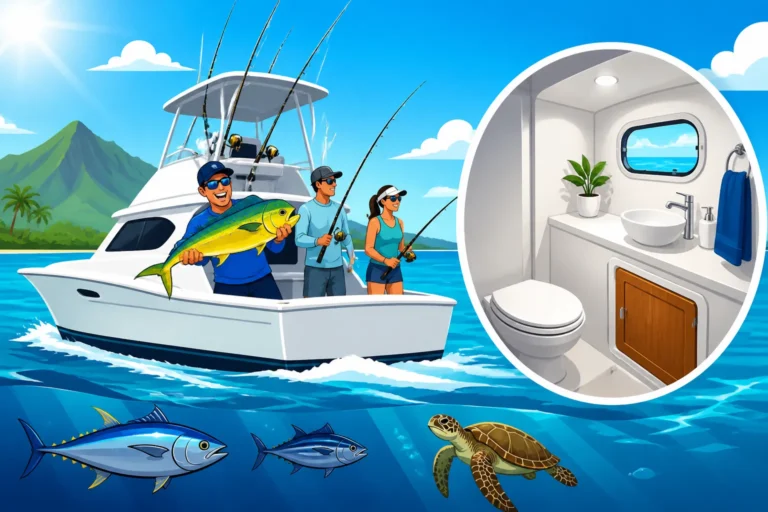
While the primary goal of your charter is likely to land some fantastic ono and mahimahi, remember to soak in the entire Hawaiian ocean experience. The Pacific off Hawaii is teeming with life and natural beauty. Keep an eye out for pods of playful spinner dolphins surfing the bow wave, majestic humpback whales (during winter months), sea turtles gliding through the clear blue water, or even the rare Hawaiian monk seal basking on a distant buoy.
The views of the islands from offshore are breathtaking, offering unique perspectives of lush volcanic landscapes, dramatic coastlines, and pristine beaches. Take a moment to simply appreciate being out on the vast ocean, feeling the sun on your skin and the salt spray on your face. A fishing trip in Hawaii is as much about connecting with nature and experiencing the profound beauty of the islands as it is about the thrill of the catch. Whether you're departing from a bustling hub like Honolulu or a quieter marina, the experience is bound to be magical.
Disclaimer
This article is for general informational purposes only and does not constitute professional advice. Laws, prices and regulations vary by location and change over time. Consult a qualified professional for guidance on your specific situation.