How many hours a typical Kona charter trip runs
One of the trickiest parts of planning an epic fishing adventure in Kona, Hawaii, isn't just deciding what you want to catch, but figuring out how long you need to be out on the water to make it happen. It's easy to feel overwhelmed by all the options, from a quick splash to an all-day grind, especially when you're trying to balance excitement with budget and family needs. This guide will walk you through the typical durations of Kona fishing charters, detailing what each trip length usually entails so you can pick the perfect adventure for your crew.
Understanding the Standard Kona Charter Durations
When you're looking at booking a fishing charter out of Kona, particularly from bustling spots like Honokohau Harbor, you'll generally find a few standard trip lengths advertised. These durations aren't just arbitrary numbers; they're designed to cater to different angling goals, experience levels, and time commitments. Knowing the typical expectations for each can really help you set realistic hopes for your day on the deep blue.
The Kona coast is famous for its calm waters and quick access to prime fishing grounds, often just minutes from the harbor. This unique geographical advantage means that even shorter trips can be incredibly productive, unlike some other fishing destinations where a significant portion of your time is spent just getting to where the fish are.
Half-Day Charters: The Quick Offshore Fix
A half-day charter is typically the shortest option available, usually running for about 4 to 5 hours. This is a fantastic choice for those who are new to offshore fishing, have young children with shorter attention spans, or are simply looking to get a taste of Kona's renowned pelagic action without committing an entire day. You might assume that a shorter trip means less serious fishing, but that's not necessarily true in Kona.
Even on a half-day trip, your captain will likely employ trolling techniques, pulling a spread of lures or live bait in the hopes of enticing a strike from an ahi, marlin, or mahimahi. The beauty of Kona's fishery is that the deep water, where these magnificent creatures lurk, is often very close to shore. This proximity means less travel time and more lines-in-the-water time, making every minute count. While you might not venture as far offshore as on a full-day trip, the chances of encountering incredible fish are still very real. For families or those prone to seasickness, the shorter duration can be a huge advantage, allowing everyone to enjoy the experience before fatigue or queasiness sets in. It’s also often the most budget-friendly option, making it accessible for many travelers.
Three-Quarter Day Charters: The Sweet Spot
Stepping up from a half-day, the three-quarter day charter typically lasts around 6 hours. Many anglers consider this the "sweet spot" for a Kona fishing trip. It offers a significant increase in fishing time compared to a half-day, without quite demanding the full-day commitment. This extra couple of hours can make a substantial difference in your fishing strategy and opportunities.
With a 6-hour trip, captains have more flexibility to explore a wider range of fishing grounds, perhaps heading further offshore to specific FADs (Fish Aggregating Devices) or known feeding areas that might be out of reach on a shorter trip. This additional time allows for more trolling passes, the chance to try different lures or baits, and gives the crew more opportunity to locate active fish. If you get a bite and have a long fight on your hands, those extra hours mean you're less likely to run out of time before landing your prize. It's a great balance for those who are serious about catching big game but still want some time left in their day for other Hawaiian adventures or relaxation. Many experienced anglers, even those visiting for the first time, find the 3/4 day trip to be an excellent compromise.
Full-Day Charters: The Ultimate Deep-Sea Experience
For the truly dedicated angler, or for groups looking for the most comprehensive experience, a full-day charter is the way to go. These trips usually run for 8 hours or sometimes even longer, up to 10 or 12 hours, depending on the charter and your specific arrangements. This extended time on the water opens up a whole new realm of possibilities, allowing for diverse fishing strategies and targeting a wider variety of species.
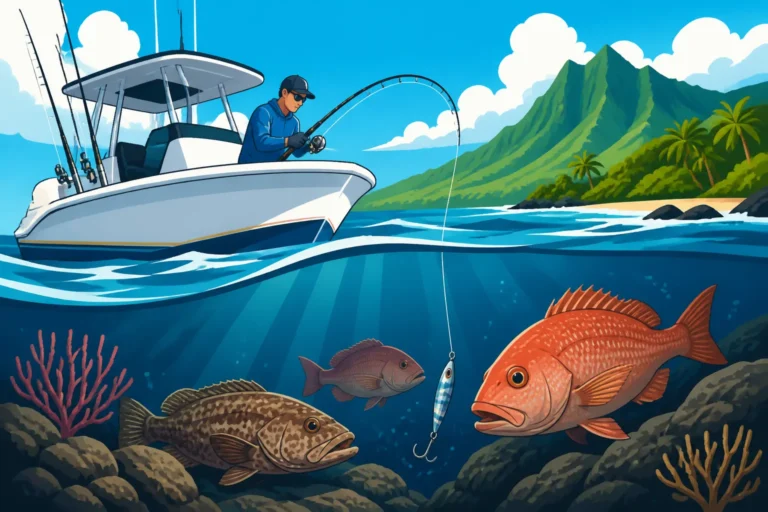
On a full-day trip, your captain and crew have the luxury of time. They can range far and wide along the Kona coast, sometimes venturing many miles offshore to chase bait schools or follow specific temperature breaks that indicate prime fishing territory. This can be crucial for targeting elusive species like larger marlin or ahi. Beyond just trolling, a full-day charter might also incorporate other techniques like deep dropping for bottomfish such, as opakapaka or onaga, or even live-baiting if conditions are right. The longer duration increases your chances of multiple hookups and provides the time needed to battle a true trophy fish without feeling rushed. It's also an opportunity to build a real rapport with the crew, learn local techniques, and truly immerse yourself in the art of Hawaiian big-game fishing. If your goal is to land the fish of a lifetime, or simply to maximize your time on the incredible waters of Kona, a full-day trip offers the best odds.
What to Expect During Different Trip Lengths
Choosing a charter length isn't just about the number of hours; it's about understanding the rhythm and potential of each option. The experiences you'll have, the types of fishing typically pursued, and the overall pace of the trip can vary significantly depending on whether you opt for a half-day or a full-day adventure. Let's dive into what you can generally anticipate on each kind of journey out of Kona.
It's helpful to remember that regardless of trip length, most Kona charters focus on pelagic species found in the deep blue waters just offshore. The primary method will often be trolling, a technique where lines with lures or baits are pulled behind the boat at varying speeds. This covers a lot of water and mimics the movement of baitfish, making it incredibly effective for attracting predatory species like marlin, tuna, and wahoo.
Half-Day Charters: Fast-Paced Action and First Bites
On a half-day charter, typically 4 hours, the emphasis is on efficiency and getting lines in the water as quickly as possible. You'll likely depart from Honokohau Harbor bright and early in the morning or for an afternoon session. The boat will motor out a relatively short distance, often just a few miles offshore, before the crew deploys the trolling spread. Because time is of the essence, there's less room for extensive searching or trying multiple techniques.
The goal here is often to get a few bites and provide an exciting introduction to offshore fishing. You might target mahi-mahi (dorado), smaller ahi (yellowfin tuna), or even a striped marlin if they're close by. The crew will be focused on keeping the lines clear and ready for action. If you hook up, the fight will be the main event, and then it's back to trolling. It's a great option for a quick thrill and for those who might get restless on a longer trip. Remember, even a half-day can produce some incredible catches given Kona's unique geography where deep water is so accessible. You can often find many of these options available on platforms like FishingBooker, with clear descriptions of what's included.
Three-Quarter Day Charters: Balanced Exploration and Strategic Fishing
The 6-hour, three-quarter day charter offers a more balanced approach. With those extra two hours compared to a half-day, your captain has more flexibility to range a bit further, perhaps to specific ocean features or known FADs where baitfish congregate, attracting larger predators. This means more time for the trolling spread to work its magic over different areas of the ocean.
You might find the captain spending a little more time observing bird activity or looking for signs of bait on the sonar. If there's a lull in the trolling action, they might switch up lures or even try a quick detour to a different depth contour. This trip length allows for a more strategic approach, increasing the chances of encountering larger or more diverse species. If you get into a protracted battle with a big fish, you won't feel as pressured to cut the fight short due to time constraints. It's a fantastic middle-ground, offering both substantial fishing time and the opportunity to still enjoy other activities on the island later in the day. Many anglers find that this duration hits the sweet spot for a productive and enjoyable day on the water.
Full-Day Charters: Diverse Techniques and Trophy Hunting
A full-day charter, typically 8 hours or more, is the pinnacle of the Kona fishing experience. This extended time allows for the most comprehensive and adaptable approach to fishing. Your captain can truly "hunt" for fish, traveling significant distances to find the best conditions, whether it's a temperature break, a current line, or an aggregation of baitfish.
With a full day, you might start with offshore trolling for marlin and ahi, then transition to deep dropping for bottomfish if the bite slows down or if there's a specific target species in mind. The crew might also have the opportunity to employ specialized techniques like live-baiting for a massive "grander" marlin if they catch fresh bait. The pace can be more relaxed, allowing for longer conversations with the crew and a deeper understanding of the local fishery. It's also the best option if your dream is to land a truly monumental fish, as these battles can sometimes last for hours. You'll also have more opportunities for multiple hookups throughout the day. If you're passionate about fishing and want the best chance at a truly memorable catch, dedicating a full day to the ocean off Kona is usually the strongest choice. You'll often find charters advertising their full-day options as the prime time for Marlin Fishing off the Kona Coast or targeting Ahi (Yellowfin Tuna) Fishing in Hawaii.
| Trip Duration | Typical Hours | Primary Focus | Best For | Typical Experience |
|---|---|---|---|---|
| Half-Day | 4-5 hours | Quick Trolling | Beginners, Families, Budget-Conscious | Introduction to offshore fishing, potential for pelagic catches close to shore |
| 3/4 Day | 6 hours | Expanded Trolling, Moderate Exploration | Experienced anglers, those seeking more opportunity than half-day | Deeper exploration of fishing grounds, increased chances for diverse species |
| Full-Day | 8+ hours | Comprehensive Trolling, Deep Dropping, Live-Baiting | Serious anglers, Trophy Hunters, Groups wanting varied techniques | Maximum time on water, best chance for large pelagics and diverse fishing |
Choosing the Right Trip Duration for You
Deciding on the perfect length for your Kona fishing charter isn't a one-size-fits-all answer. It really comes down to your personal fishing goals, who you're bringing along, your comfort level on the water, and of course, your budget and time constraints. Thinking through these factors before you book can save you a lot of potential disappointment and ensure you have the best possible experience.
It's tempting to always go for the longest trip possible, especially when you're dreaming of a trophy fish, but sometimes a shorter trip is actually a better fit. Conversely, underestimating the time needed can lead to frustration if you feel rushed or like you didn't get enough opportunities. Consider what truly makes for a successful day for you and your group.
Considerations for Families and Beginners
If you're bringing along family members who are new to fishing, or especially young children, a half-day charter is often the most sensible choice. Imagine this scenario: you've got two excited kids, ages 6 and 8, on their first deep-sea adventure. A 4-hour trip gives them plenty of time for the initial thrill of the boat ride, the excitement of deploying lines, and potentially hooking a smaller fish like a mahimahi. They'll experience the joy without reaching the point of boredom, fatigue, or worse, seasickness. Plus, the shorter duration means you're back on land before anyone gets too antsy or cranky.
For beginners, the half-day trip acts as an excellent introduction. It allows them to get their sea legs, learn the basics of trolling, and experience the adrenaline of a hookup without the pressure or endurance required for a longer day. It's a low-commitment way to test the waters and see if offshore fishing is something they truly enjoy. Many charters, readily found on platforms like FishingBooker, cater specifically to families and beginners, often providing all the necessary gear and a patient crew. If you're concerned about comfort, you might also want to read up on Seasickness tips for a Hawaii fishing charter before you go.
Considerations for Serious Anglers
Now, if you're a seasoned angler who dreams in drag settings and lure spreads, you're likely going to lean towards a full-day or at least a three-quarter day charter. Let's say you've flown all the way to Kona with one mission: to battle a massive blue marlin. A 4-hour trip just won't cut it. These giants require time to find, time to entice, and often, hours to fight. On an 8-hour full-day trip, your captain has the flexibility to travel further, try different trolling patterns, and dedicate the necessary time to tracking down these elusive fish.
The longer trips also allow for more diverse techniques. Perhaps you want to spend the morning trolling for marlin, then switch to deep dropping for onaga in the afternoon. This kind of varied fishing experience is only truly possible on a full-day charter. Serious anglers understand that more time on the water directly correlates to more opportunities, especially when targeting specific, challenging species. It also provides a better chance to observe the ocean's patterns, learn from the experienced crew, and truly immerse yourself in the pursuit of big game. When looking for the ideal vessel, you might want to consider How to Choose a Hawaii Fishing Charter carefully to match your angling style.
Budget and Time Constraints
Realistically, budget and your vacation schedule play a huge role in this decision. Full-day charters are, understandably, the most expensive option, followed by three-quarter day and then half-day trips. If you're on a tighter budget but still want an offshore experience, a half-day or 3/4 day trip can be a fantastic value. You'll still get to experience the thrill of Kona fishing without the higher price tag of an all-day excursion. You can often find a good overview of costs in a Hawaii Fishing Charter Cost Guide.
Your overall vacation itinerary is another key factor. If you're only in Kona for a few days and want to squeeze in other activities like snorkeling, hiking, or exploring the island's many sights, then a half-day or 3/4 day charter leaves you with significant time on either side of your fishing trip. A full-day trip, on the other hand, will consume most of your daylight hours, leaving less time for other pursuits. Think about what kind of pace you want for your vacation. Do you want one intensive fishing day, or several shorter, more relaxed experiences? Sometimes booking a charter in the morning leaves your afternoon free, or vice-versa. Checking options on platforms like FishingBooker allows you to filter by duration, making it easier to match your schedule.
Maximizing Your Time on a Kona Charter
No matter which trip length you choose, you want to make the absolute most of your time on the water. Kona fishing charters are an investment in an experience, and with a little preparation and good communication, you can ensure it's as productive and enjoyable as possible. It’s not just about hooking fish, it’s about the entire adventure – the stunning Hawaiian scenery, the camaraderie with the crew, and the thrill of being out on the deep blue.
Even if you’ve opted for a shorter half-day trip, these tips can help you optimize every minute. Conversely, on a full-day excursion, maximizing your time means you can explore more techniques and target more species without feeling rushed. Every small detail can contribute to a better overall experience.
Pre-Trip Preparation is Key
Your fishing trip truly begins before you even step foot on the boat. Being well-prepared physically and mentally can make a huge difference. First off, think about what you'll need to bring. Sun protection is absolutely non-negotiable in Hawaii's strong tropical sun. We're talking hats, long-sleeved shirts, polarized sunglasses, and plenty of reef-safe sunscreen. Don't underestimate how quickly you can get a sunburn out on the open ocean. Hydration is also crucial; bring plenty of water, even if the charter provides some. It's easy to get dehydrated in the sun and sea air.
If you're prone to seasickness, take preventative measures before you board. That means medication an hour or two in advance, or wearing those motion sickness bands. Don't wait until you're feeling green around the gills. Many charters will have cooler space available, so pack some snacks or a light lunch, especially for those longer trips. A hungry angler is a distracted angler! Consider a quick read of What to Bring on a Hawaii Fishing Charter for a comprehensive checklist. Being prepared means you can focus entirely on the fishing experience from the moment you leave the dock, rather than dealing with discomfort or forgetting essentials.
Clear Communication with the Captain
Before and during your trip, don't be shy about communicating your expectations and goals with your captain and crew. Are you primarily hoping to catch dinner? Are you dreaming of a specific species like a blue marlin, even if it means fewer overall bites? Or are you simply looking for a fun, relaxed experience with the family, focusing more on the journey than a trophy catch? Make these intentions clear.
A good captain wants you to have a great time, but they can't read your mind. If you're booking through a platform like FishingBooker, you can often message the captain directly beforehand to discuss these things. If you have specific preferences, like wanting to try jigging if trolling is slow, or spending more time looking for birds, voice it. They are the experts on these waters and will use their knowledge to try and fulfill your requests, provided they are realistic given the conditions and the trip duration. Open communication ensures that everyone is on the same page, leading to a much more satisfying experience for everyone aboard.
Be Present and Adaptable During the Trip
Once you're out on the water, try to be fully present and soak it all in. Engage with the crew, ask questions about the techniques they're using, and learn about the local marine life. Even if the fish aren't biting right away, the experience of being on the Pacific Ocean, with the stunning Kona coastline in the distance, is an incredible reward in itself. The crew works tirelessly to put you on fish, so a positive attitude goes a long way.
Be prepared for the unexpected. Fishing is called "fishing" and not "catching" for a reason – there are no guarantees. Weather can change, fish can be finicky, and sometimes the bite just isn't there. An experienced captain will be constantly adapting, changing lures, altering course, or even trying different depths. Trust their expertise. If they suggest a change in strategy, be open to it. Embrace the challenge, enjoy the journey, and celebrate every moment, whether it's a screaming reel or simply a beautiful sunset over the Pacific. Remember, even if you're not getting bites, a good captain might be able to offer insights into Hawaii Fishing Seasons by Month or Best Time of Year to Fish in Hawaii which can inform future trips.
Disclaimer
This article is for general informational purposes only and does not constitute professional advice. Laws, prices and regulations vary by location and change over time. Consult a qualified professional for guidance on your specific situation.