Best catch-and-release only charters in Hawaii
There's a growing awareness among anglers visiting Hawaii that the thrill of the catch doesn't always have to end with a cooler full of fish. Many visitors and even kama'aina (locals) are looking for responsible ways to enjoy Hawaii's incredible marine life, often frustrated by the idea of contributing to overfishing or simply wanting to experience the sport without the harvest. This guide is all about navigating the waters of finding and participating in catch-and-release only fishing charters in Hawaii, helping you enjoy the islands' angling opportunities while prioritizing conservation.
Why Choose Catch-and-Release Only Charters in Hawaii?
For many, the idea of fishing conjures images of bringing home dinner, and there’s absolutely nothing wrong with that. But in a place as ecologically precious as Hawaii, with its unique and sometimes vulnerable marine populations, the option to focus purely on the sport can be incredibly appealing. Choosing a catch-and-release charter isn't just a trend; it's a conscious decision that speaks volumes about your values as an angler and your commitment to the future of these fisheries. It's about respecting the ocean and its inhabitants, ensuring that the magic you experience today can be enjoyed by generations to come.
Preserving Hawaii's Precious Marine Ecosystems
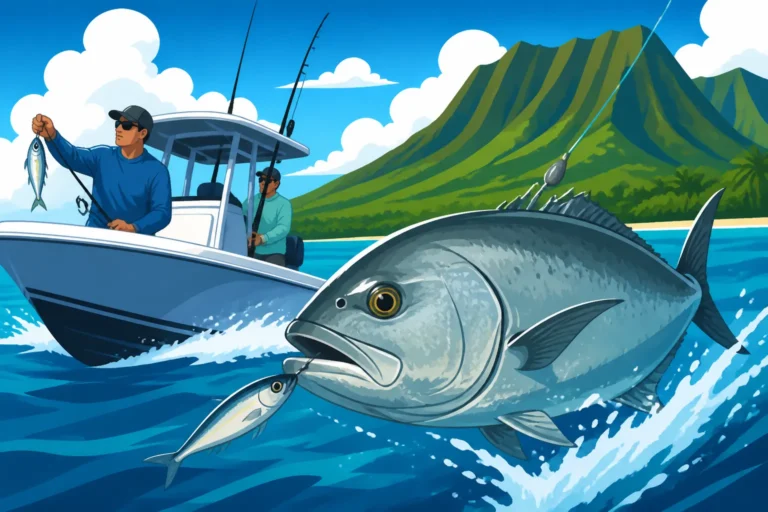
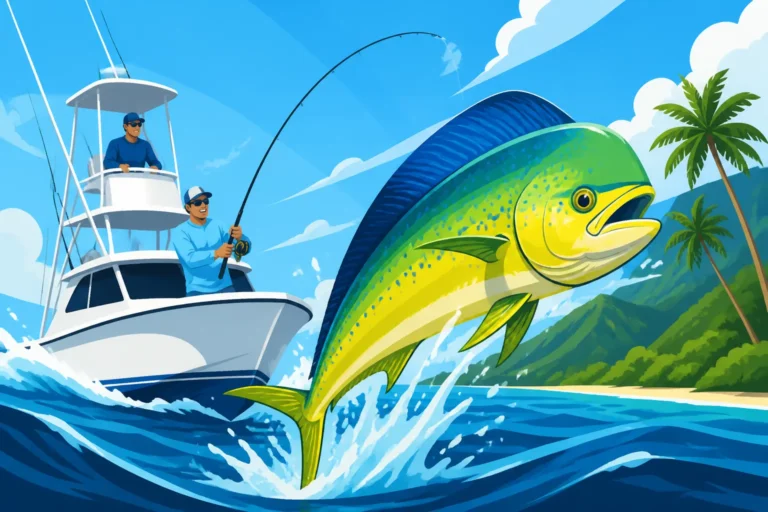
Hawaii's marine ecosystems are incredibly diverse, featuring species found nowhere else on Earth. However, these systems are also delicate and face numerous pressures, from climate change to pollution and, yes, fishing pressure. When you opt for a catch-and-release charter, you're directly contributing to the sustainability of fish populations. Every fish released healthy is a fish that can continue to grow, reproduce, and play its vital role in the reef or pelagic food web. It's a tangible way to give back to the environment that provides so much joy. Imagine the pride of releasing a magnificent ulua or a vibrant mahimahi, knowing it swims away strong, ready to spawn and enrich the ocean further. It's a different kind of reward, one that resonates deeply with those who truly love the sea. You can learn more about Endangered and Protected Fish Species in Hawaii and how fishing impacts them.
The Thrill of the Fight, Not the Fillet
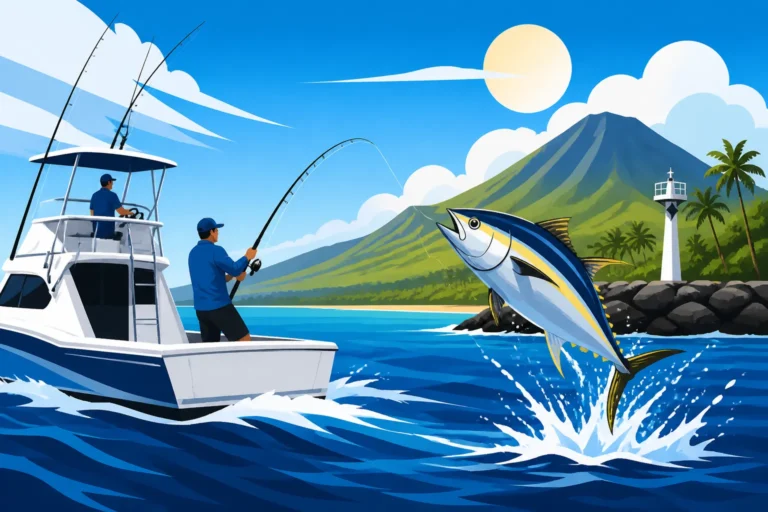
Let's be honest, for many anglers, the real adrenaline rush comes from the hook-up, the screaming drag, and the intense battle with a powerful fish. That moment when you finally bring a stubborn tuna to the boat, or wrestle a determined trevally away from the reef, is pure exhilaration. With catch-and-release, that thrill is the entire focus. There’s no pressure to keep a fish that might not be prime table fare, or to fill a cooler just because you can. It frees you up to target species purely for their sporting qualities, allowing you to appreciate their strength and beauty in their natural habitat before sending them back. It’s a purist's approach to fishing, emphasizing the art and skill of angling over the outcome of a meal.
Ethical Angling Practices and Sustainable Tourism
Supporting catch-and-release charters also aligns with a broader commitment to ethical angling and responsible tourism. As visitors to these islands, we have a responsibility to leave them better, or at least no worse, than we found them. Charters that exclusively offer catch-and-release trips often demonstrate a higher level of environmental consciousness and commitment to sustainable practices. They invest in the right gear and techniques to ensure fish survival, and their crews are typically well-versed in proper fish handling. By choosing these operators, you're voting with your wallet for businesses that prioritize the health of Hawaii's fisheries, promoting a form of tourism that respects and conserves the natural resources that draw people here in the first place. This approach helps to build a reputation for Hawaii as a destination that values its natural heritage.
What to Look for in a Catch-and-Release Charter
Finding the right catch-and-release charter isn't just about finding a boat that says it practices it; it's about finding a crew deeply committed to it, from their equipment to their attitude. Not all charters are created equal when it comes to prioritizing the well-being of the fish after the fight. You want a team that understands the nuances of gentle handling and quick release, ensuring the best possible outcome for every fish you encounter. It's about finding experts who are as passionate about conservation as they are about fishing. Consider reading How to Choose a Hawaii Fishing Charter for broader advice.
Experienced Captains and Crew with Conservation Focus
The core of a great catch-and-release charter lies with its captain and crew. Look for operators who not only have a long track record of successful fishing but also actively promote and educate about conservation. An experienced captain will know the waters, the fish behavior, and how to position the boat to minimize fight time, which is crucial for fish survival. More importantly, their crew should be proficient in handling fish carefully at the boat, using techniques that reduce stress and injury. They should be able to quickly unhook, revive if necessary, and release the fish without causing undue harm. Don't hesitate to ask about their specific catch-and-release philosophies and what measures they take to ensure fish health. A truly conservation-minded crew will be eager to share this information and will often have dedicated practices in place, like avoiding treble hooks where single hooks suffice.
Appropriate Gear and Techniques for Safe Release
The right gear makes all the difference in catch-and-release. Charters dedicated to this practice will utilize tackle that is appropriate for the target species, strong enough to land the fish efficiently without overtiring it, but not so heavy that it causes unnecessary damage. This often means using single, barbless hooks, or at least de-barbing hooks, which make removal much easier and quicker. They should also have specialized tools on board, such as de-hookers, long-nose pliers, and lip-grippers (for certain species like trevally), to facilitate a fast and safe unhooking process without the need to bring the fish fully out of the water. For larger pelagics, a good catch-and-release charter will have methods for safely handling the fish alongside the boat, perhaps with a leader man skillfully reaching to cut the leader or remove the hook without dragging the fish onto the deck. These subtle differences in equipment and technique are paramount for successful releases.
Clear Communication on Charter Policies
Before you even step on the boat, clarity is key. A reputable catch-and-release charter will have transparent policies regarding their C&R practices. This includes what species are targeted for release, their methods of handling, and any specific instructions they might have for anglers during the fight and release. It’s important to understand if all species are catch-and-release, or if certain invasive species (like taape or roi) might be kept, or if there's a possibility of keeping one fish for a photo or a special occasion with crew approval. There should be no ambiguity. If you're looking for an exclusively catch-and-release experience, ensure that is precisely what the charter offers. A good operator will lay out these expectations clearly, perhaps even during the booking process or during a pre-trip briefing. This open communication ensures everyone is on the same page, leading to a smoother, more enjoyable, and truly conservation-focused trip.
Finding and Booking Catch-and-Release Friendly Charters
Locating a charter that truly embraces the catch-and-release ethos can feel like searching for a needle in a haystack if you don't know where to start. Many charters will advertise "catch-and-release available," but that's a far cry from a charter that makes it their primary focus. The trick is to dig a little deeper, ask the right questions, and leverage resources designed to connect you with conservation-minded operators. Don't just settle for the first listing you see; your due diligence will pay off in a truly rewarding experience. You can also look for charters through Best Fishing Charters in Hawaii.
Researching Reputable Operators
Start your search by looking for charters that specifically highlight their commitment to sustainable fishing and catch-and-release on their websites or social media. Read through testimonials and reviews, specifically looking for comments about how fish were handled during release, or if the crew educated anglers on best practices. Often, the most dedicated C&R charters will be passionate about educating their clients. Check if they are members of any conservation organizations or if they participate in tag-and-release programs for scientific research. These affiliations are strong indicators of a genuine commitment. For example, some charters on the Kona Coast are renowned for their marlin tag-and-release programs, contributing valuable data while offering incredible angling experiences. Don't be afraid to delve into their online presence to gauge their overall philosophy before making contact.
Key Questions to Ask Before Booking
Once you've narrowed down a few potential charters, it's time to get on the phone or send an email. Here are some essential questions to ask:
- "Is this an exclusively catch-and-release charter for all species, or are certain species kept?" This is the most important question to confirm their policy.
- "What methods do you use to ensure the highest survival rate for released fish?" Listen for specifics about hook types, de-hooking tools, revival techniques, and how they handle fish at the boat. You want to hear about quick releases and minimal time out of water.
- "Do you use barbless hooks, or do you de-barb your hooks?" This shows a direct commitment to easier and safer hook removal.
- "How do you handle larger pelagic species like marlin or large tuna for release?" For these powerful fish, techniques are crucial. They should describe keeping the fish in the water, leadering carefully, and removing the hook quickly.
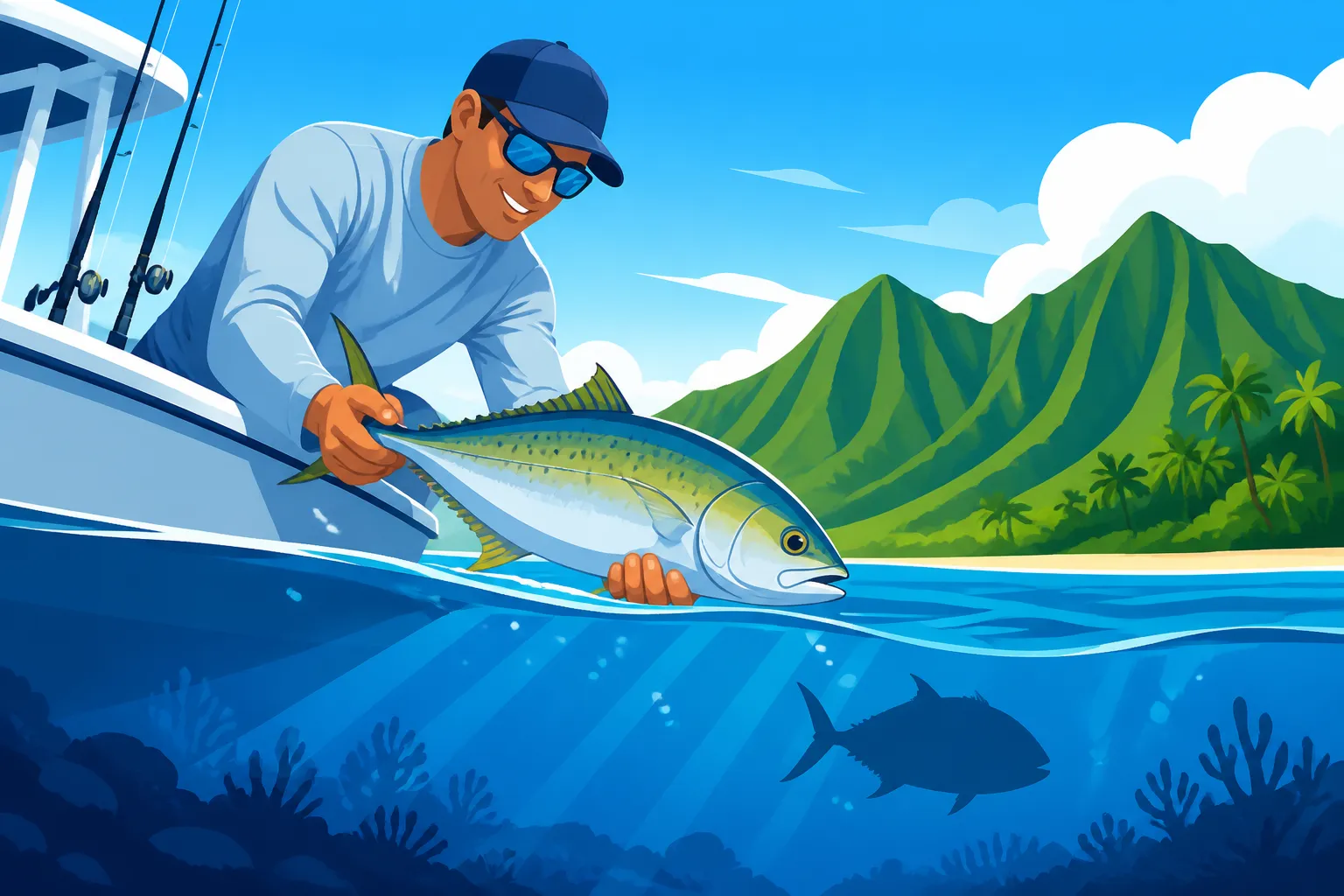
- "What is your photography policy for released fish?" A good C&R charter will encourage quick photos, often with the fish still in the water or held gently for a brief moment before release, prioritizing the fish's well-being over the perfect trophy shot.
Asking these questions upfront will help you distinguish between charters that simply offer C&R and those that truly specialize in it.
Leveraging Online Platforms and Local Networks
Online booking platforms can be a great resource, but always verify details directly with the charter. Websites like FishingBooker often allow you to filter by specific fishing types and can list details about a charter's policies. While you might not find a "catch-and-release only" filter everywhere, you can read detailed descriptions of each charter and look for mentions of conservation, sustainable fishing, or C&R focus. Once you find a few that seem promising, use the platform to contact the captain directly with your questions.
Don't underestimate the power of local knowledge. Chat with tackle shop owners, local anglers, or even staff at your accommodation. They often have firsthand experience or know which captains have a strong reputation for conservation. Sometimes, the best charters are those that come recommended through word-of-mouth within the local fishing community. A brief conversation with someone on the ground can offer invaluable insights that online searches might miss.
Best Practices for Anglers on Catch-and-Release Trips
Your role as an angler on a catch-and-release charter is just as important as the crew's. Your actions during the fight, landing, and photography all contribute to the fish's chances of survival. It’s not just about letting the fish go; it’s about letting it go strong and healthy. Embracing these best practices enhances the conservation effort and deepens your appreciation for the sport. Learning Marlin catch and release survival tips can also be very helpful.
Minimizing Stress and Injury to Fish
The goal is always to minimize stress. Fight the fish efficiently; don't "play" it to exhaustion. Use the rod and reel to apply steady, firm pressure to bring the fish to the boat as quickly as possible without breaking your line or tackle. This reduces lactic acid buildup, which can be fatal to fish even after release. Once the fish is at the boat, avoid dragging it onto the deck unless absolutely necessary for hook removal and immediate release. Keep the fish in the water as much as possible. If it must come out, handle it with wet hands or gloves to protect its slime coat, which is a vital defense against infection. Avoid touching its gills or eyes. For large fish, a careful belly support can distribute its weight and prevent internal organ damage.
Quick Photography and Release
We all want that memorable photo, but on a catch-and-release trip, the fish's welfare always comes first. If a photo is desired, make it quick. Have your camera ready before the fish is alongside the boat. The crew should be experienced in safely holding the fish for a quick shot, or taking a picture of you with the fish still in the water next to the boat. A general rule of thumb is "less is more" when it comes to time out of water. If the fish appears sluggish or tired, skip the photo entirely and focus on revival. Once the picture is taken, gently release the fish back into the water. If it doesn't swim off immediately, cradle it upright in the water and move it back and forth gently to push water over its gills until it regains its strength and swims away on its own.
Understanding Specific Species Handling
Different fish species require different handling techniques for optimal release. For instance:
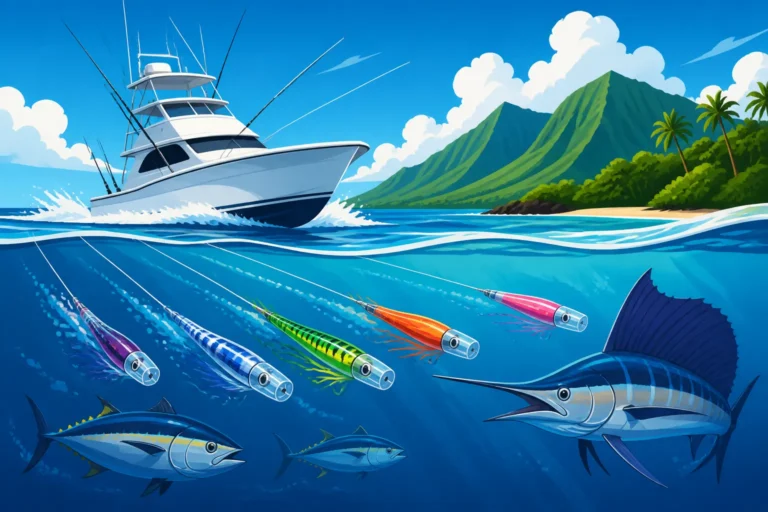
- Pelagic species (Marlin, Ahi, Ono): These powerful, fast-swimming fish are often released boat-side by cutting the leader as close to the hook as possible. Minimizing their time out of the water is critical. Revive them by moving the boat slowly forward to push water through their gills if they are lethargic.
- Reef fish (Uhu, Kumu): Many reef fish are robust, but still benefit from quick handling. Some species caught from deeper water may experience barotrauma (swim bladder issues). While less common in typical charter depths, a knowledgeable crew will know how to identify and potentially mitigate this if it occurs, though deep-water bottomfish are often difficult to release successfully once barratruma is severe.
- Trevally (Ulua, Papio): These strong fighters can be tough on tackle. Use lip-grippers or a net to secure them, but keep their body supported. Their sharp scutes can cause injury, so handle with care. Like all fish, keep handling time to a minimum.
Always listen carefully to your captain and crew's instructions, as they are the experts on the specific species and conditions in Hawaiian waters. They may also inform you about Hawaii Bag and Size Limits by Species for fish you might consider keeping, though that is not the goal on a C&R charter. Your cooperation with their guidance is vital for the success of your catch-and-release experience and for the health of Hawaii's cherished marine life.
| Feature / Consideration | Standard Charter (C&R Optional) | Dedicated Catch-and-Release Charter |
|---|---|---|
| Primary Goal | Catching fish (often to keep) | Sport of fishing, fish survival |
| Hook Type | Barbed, treble hooks common | Single, barbless hooks preferred |
| Fish Handling Protocols | Varies, sometimes less stringent | Strict, focused on minimizing harm |
| Crew Knowledge | General fishing expertise | Expertise in C&R techniques, revival |
| Equipment on Board | Basic de-hookers | Specialized de-hookers, lip-grippers, revival gear |
| Photography | Often encourages trophy shots out of water | Prioritizes quick, in-water photos |
| Conservation Focus | Varies by operator | Central to their philosophy |
| Educational Aspect | May offer some tips | Actively educates anglers on best practices |
Disclaimer
This article is for general informational purposes only and does not constitute professional advice. Laws, prices and regulations vary by location and change over time. Consult a qualified professional for guidance on your specific situation.