Best charters for jigging for bottomfish
Trying to find the perfect fishing charter in Hawaii for a specific technique like jigging for bottomfish can feel overwhelming. You're looking for an adventure that goes beyond just a casual troll, something that puts you right over the structure where those elusive deep-water dwellers live. This guide will walk you through what to look for in a charter that specializes in jigging for Hawaii's incredible array of bottomfish, helping you make an informed decision for an unforgettable trip.
What Makes a Charter Great for Jigging Bottomfish in Hawaii?
When you're aiming for those deep-dwelling bottomfish with jigs, it's not just about getting on any boat. You need a captain and crew who live and breathe this specific style of fishing. This isn't your grandpa's casual hand-line experience; it requires specialized gear, keen knowledge of the ocean floor, and a crew that can guide you through the nuances of jigging in deep Hawaiian waters.
Understanding Bottomfishing in Hawaii
Hawaii's bottomfishing scene is truly unique, offering a breathtaking diversity of species found in depths ranging from a couple hundred feet to over a thousand. We're talking about prized fish like opakapaka (pink snapper), onaga (ruby snapper), ehu (red snapper), gindai (longtail snapper), and hapu'upu'u (sea bass). These aren't your typical reef fish; they inhabit rocky ledges, underwater pinnacles, and deep canyons, often far from shore.
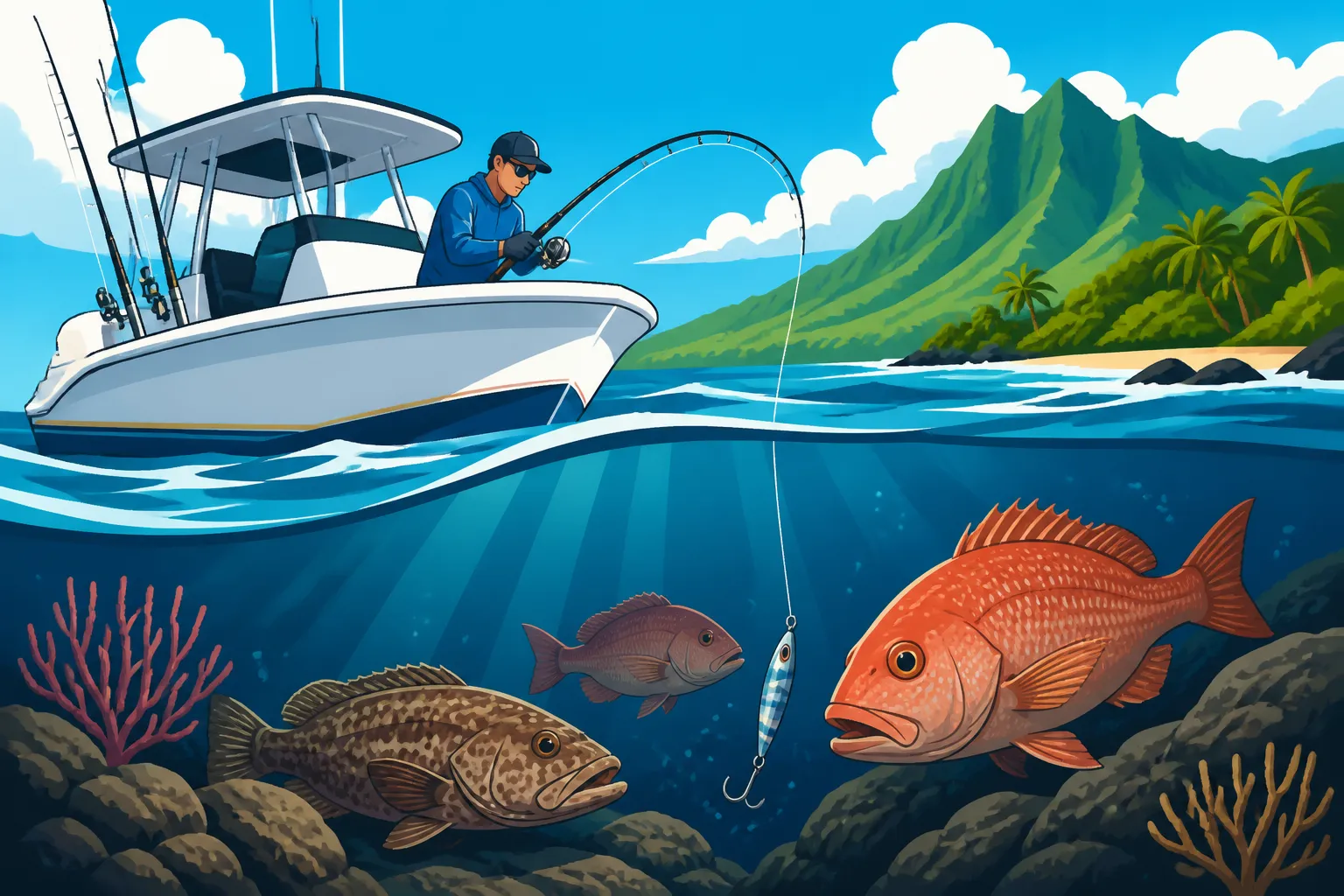
Jigging for these species involves dropping heavy, often metallic, lures – jigs – down to incredible depths and working them with specific rod movements to mimic injured baitfish. It's a physically demanding but incredibly rewarding technique. Unlike trolling for pelagic species that might be found anywhere in the open ocean, successful bottom jigging is all about precision: finding the right structure, accurately positioning the boat, and presenting the jig exactly where the fish are holding. Many anglers also enjoy deep dropping with bait, but for a true hands-on experience, jigging offers a different level of engagement. When considering a trip, it's good to understand the difference between Bottomfishing in Hawaii generally and the active technique of jigging.
Key Equipment and Boat Features
The right gear makes all the difference when you're battling a strong opakapaka from 600 feet down. A top-notch bottomfishing charter should be equipped with heavy-duty conventional rods, often with parabolic actions to absorb the deep-water fight, paired with powerful electric reels or high-gear ratio manual reels specifically designed for deep-dropping. These reels need to hold hundreds of yards of braided line, which is essential for minimizing stretch and maintaining sensitivity at extreme depths.
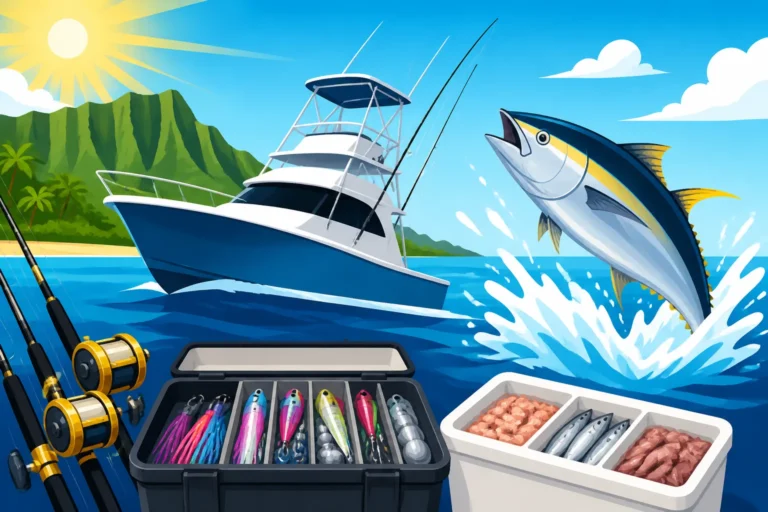
Beyond the rod and reel setups, the boat itself needs to be rigged for success. Look for charters with advanced sonar and fish-finding technology. This isn't just a basic depth sounder; we're talking about high-resolution CHIRP sonar, side-scan capabilities, and even 3D bottom mapping to pinpoint subtle structure and individual fish arches. A good charter will also have a reliable GPS system to mark productive spots and an effective boat positioning system, whether it's an experienced helmsperson or a modern spot-lock trolling motor, to keep you directly over the fishing zone even in currents. Having a well-maintained spread of tackle, from a variety of jig weights and colors to spare leaders and hooks, is also a sign of a professional operation. They should have a good range of jigs, from speed jigs to slow-pitch jigs, ready for whatever the fish are biting.
Experienced Captains and Crew
Local knowledge is king when it comes to deep-sea bottomfishing in Hawaii. The best captains for jigging bottomfish aren't just good boat handlers; they are ocean cartographers, with years, sometimes decades, of experience exploring and mapping the underwater topography of their local waters. They know the subtle humps, ledges, and canyons where specific Bottomfish Species of Hawaii congregate. This knowledge isn't found on charts; it's earned through countless hours on the water.
A skilled captain can read the currents, understand the wind, and position the boat perfectly for your jigs to reach the target depth and drift effectively over the structure. The crew plays an equally vital role. They should be experts in rigging jigs, identifying bites, and coaching anglers, especially those new to deep jigging, on the proper technique. They'll know how to gaff and handle large fish safely, and critically, how to properly care for your catch to ensure the highest quality table fare. Don't underestimate the value of a crew that's passionate about bottomfishing; their enthusiasm can elevate your entire experience.
Top Hawaii Regions for Bottomfishing Charters
While you can find bottomfishing opportunities around most Hawaiian islands, some areas are particularly renowned for their productive deep-water grounds and the charters that specialize in exploring them. The unique volcanic geology of Hawaii creates dramatic underwater landscapes, perfect for these deep-dwelling species.
Kona Coast, Big Island
The Kona Coast of the Big Island is famous globally for its marlin fishing, but it's equally legendary among bottomfishing enthusiasts. The deep water drops off incredibly close to shore, creating an ideal environment for accessing prime bottomfishing grounds with relatively short runs. This means more fishing time and less travel. Kona's waters are often calm and protected from trade winds, making for comfortable deep-dropping conditions.
Charters operating out of Honokohau Harbor are often geared up for deep jigging, targeting those trophy opakapaka and onaga. The volcanic slopes here plunge dramatically, creating ledges and seamounts that are veritable magnets for bottomfish. Many captains have secret spots, sometimes hundreds of feet deep, that they've discovered over years. They might even take you out past the famous FADs (Fish Aggregating Devices) to specific deep spots that only locals know. The abundance of pelagic species in Kona also means that on days when bottomfish might be slow, you often have a great fallback option. You can find excellent Best Bottomfishing Charters in Hawaii operating year-round from this vibrant harbor.
Maui's Productive Waters
Maui offers fantastic bottomfishing, especially off its leeward (western and southern) coasts, which are protected from the stronger trade winds. Harbors like Maalaea Harbor and Lahaina Harbor are hubs for charters that venture out to target a variety of deep-water species. The channels between Maui, Molokai, and Lanai, as well as the slopes leading down from the volcanic mountains, create diverse habitats for bottomfish.
Maui's bottomfishing often yields excellent catches of ehu, gindai, and even some impressive hapu'upu'u. The local captains here are adept at navigating the specific currents and bottom structures that characterize Maui's waters. While the focus might also be on trolling for mahimahi or ono, many charters are fully equipped for bottomfishing, particularly for groups interested in a more hands-on approach. When researching, make sure to ask if the charter specifically offers jigging for bottomfish, as some might lean more towards traditional bait fishing methods for deep dropping. You can often find detailed listings on platforms like FishingBooker that specify available techniques.
Oahu's Diverse Bottom Fisheries
Oahu, with its bustling harbors like Kewalo Basin and Kaneohe Bay, also presents exciting opportunities for bottom jigging. While perhaps not as globally renowned for deep-dropping as Kona, Oahu's waters hold excellent populations of bottomfish. Anglers here can target everything from smaller reef fish in shallower waters to the sought-after deep-water snappers and groupers offshore.
The coastline of Oahu features a mix of reef systems, ledges, and deeper offshore banks that provide habitat for various bottomfish. Charters on Oahu often combine deep jigging with other fishing styles, giving you a chance to experience the island's diverse marine life. For instance, a half-day trip might involve some light jigging for menpachi and kumu closer to shore, while a full-day excursion might take you out to deeper ledges for onaga and opakapaka. Because Oahu is home to the majority of Hawaii's population, you'll find a wide range of charter options, making it crucial to clarify their specialty if bottom jigging is your primary goal. You might even find some unique opportunities to combine Hawaii Spearfishing Regulations with traditional hook-and-line bottomfishing in certain areas.
How to Vet and Choose Your Bottomfishing Charter
Choosing the right charter is paramount to a successful and enjoyable bottomfishing trip. It's not just about the price; it's about finding a captain and crew who are genuinely passionate about jigging for bottomfish and have the expertise to put you on them.
Asking the Right Questions
Don't be shy about contacting potential charters and asking specific questions. A reputable charter will be happy to discuss their methods and what you can expect. Here's a checklist of vital questions:
- "Do you specifically offer jigging for bottomfish, or is it primarily bait fishing?" This is key. Some charters deep drop with bait, which is different from active jigging.
- "What species are we likely to target with jigging at this time of year?" Understanding the seasonality of Hawaii Fishing Season Dates and Closures can help set realistic expectations.
- "What kind of jigging gear do you provide? What are the rod and reel setups like?" Confirm they have heavy-duty, deep-water appropriate gear.
- "What depths do you typically fish for bottomfish, and what kind of sonar/electronics do you use to find spots?" This gauges their technical capability.
- "How experienced is your captain and crew with deep-water jigging techniques?" Look for seasoned professionals.
- "What is your catch policy for bottomfish? Do we keep all we catch, or is there a shared catch system?" Some charters might distribute fish among passengers, especially with high-value species.
- "Is tackle, bait (if needed), ice, and fish cleaning included in the price?" Clarify all inclusions and potential extra costs.
- "What happens if the weather is bad for bottomfishing on our booked day?" Understand their cancellation or rescheduling policy.
Reading Reviews and Online Resources
In today's digital age, reviews are an invaluable resource. Look for feedback that specifically mentions bottomfishing or deep-dropping. Pay attention to comments about the captain's knowledge of structure, the quality of the gear, and the crew's assistance with jigging techniques. Were anglers successful? Was the crew attentive? Did they get on quality fish?
Websites like FishingBooker are excellent platforms for finding and comparing charters. They allow you to filter by location, fishing type (including bottomfishing), and even specific target species. Many listings on these sites also feature detailed descriptions of the boats, equipment, and photos of past catches, giving you a good visual sense of what to expect. Don't just skim the star ratings; dive into the actual comments to get a feel for the real-world experiences of other anglers. This is especially helpful when looking for something as specialized as a good bottomfishing charter.
Understanding Pricing and Inclusions
The cost of a bottomfishing charter in Hawaii can vary widely based on the duration of the trip (half-day, full-day, or even extended trips), the size and amenities of the boat, and the specific services included. Generally, deep-drop bottomfishing trips might be slightly higher in price than a standard nearshore trolling trip due to the specialized equipment and fuel needed to reach deeper offshore grounds.
Always clarify what's included in the stated price. Most reputable charters will include rods, reels, tackle (though some specialized jigs might be extra), and ice for your catch. Some might also provide snacks and drinks, while others expect you to bring your own. Fish cleaning is a common inclusion, but it’s always good to confirm. Don't forget to factor in customary tipping for the crew; this is an important part of the charter experience and a way to show appreciation for their hard work. For an idea of general costs, you can explore resources like Hawaii Fishing Charter Cost Guide.
Preparing for Your Jigging Bottomfish Adventure
A little preparation goes a long way in ensuring a comfortable and successful day of bottom jigging. While the charter will provide the heavy lifting in terms of gear and expertise, what you bring and how you prepare can significantly enhance your experience.
Gear You Might Want to Bring (or Confirm)
Even though a good charter provides all the necessary fishing equipment, there are personal items you'll definitely want to have:
- Sun Protection: The Hawaiian sun is intense. Bring a wide-brimmed hat, polarized sunglasses, and plenty of reef-safe sunscreen. Long-sleeved, breathable shirts are also a good idea.
- Appropriate Clothing: Dress in layers. It can be cool in the early morning and hot during the day. Non-slip deck shoes are essential for safety on a wet boat deck.
- Snacks and Drinks: While some charters provide these, it's always a good idea to bring your preferred snacks and plenty of water or other hydrating beverages.
- Motion Sickness Medication: If you're prone to seasickness, take preventive medication before you board the boat. Deep-dropping offshore can sometimes involve pitching and rolling, even on relatively calm days.
- Camera: You'll want to capture those impressive catches and the stunning Hawaiian scenery. Just make sure it's well-protected from salt spray.
- Small Dry Bag: Great for keeping your phone, wallet, and other essentials safe and dry.
If you have a favorite jigging rod or reel setup and the captain approves, you might even consider bringing it, though most charters are well-equipped. But for many, the beauty of a charter is not having to worry about your own gear. For more general advice, consider reading What to Bring on a Hawaii Fishing Charter.
Best Times and Conditions
Bottomfishing in Hawaii can be productive year-round, but certain factors can influence success. Generally, clearer, calmer waters are preferred for precise boat positioning and jig presentation. While bottomfish don't necessarily bite "better" during specific moon phases like some shallow-water species, strong currents associated with certain tides can make jigging challenging. A good captain will know how to adjust for these conditions.
The best time of day often depends on the specific spot and species targeted. Early mornings can be fantastic, as fish are often more active. However, deep-water fish are less affected by surface light conditions than shallow-water species, so productive periods can extend throughout the day. Your chosen charter will advise you on the optimal departure times based on their experience and current conditions. Don't forget that Hawaii also has specific Hawaii Fishing Season Dates and Closures for certain species, so always check if you have a particular target in mind.
| Species Name | Typical Depth Range (feet) | Preferred Habitat | Average Size (lbs) | Jigging Lure Type Recommendation |
|---|---|---|---|---|
| Opakapaka | 200 – 600 | Rocky ledges, drop-offs, pinnacles | 5 – 15 | Vertical jigs, flutter jigs |
| Onaga | 400 – 1000+ | Deep canyons, steep slopes, rocky areas | 8 – 25 | Long, slender jigs, slow-pitch jigs |
| Ehu | 300 – 800 | Rocky bottoms, ledges | 3 – 10 | Vertical jigs, smaller slow-pitch jigs |
| Gindai | 600 – 1200+ | Muddy/sandy bottoms near structure | 5 – 15 | Luminescent jigs, slow-pitch jigs |
| Hapu'upu'u | 200 – 800 | Rocky ledges, caves, deep pinnacles | 10 – 40+ | Heavy vertical jigs, large flutter jigs |
| Kalekale | 200 – 500 | Rubble, rocky areas | 2 – 8 | Smaller vertical jigs, soft plastics |
| Lehi | 250 – 700 | Hard bottoms, steep drop-offs | 5 – 20 | Vertical jigs, metal jigs |
Finding the right charter for jigging bottomfish in Hawaii means seeking out an operation that combines specialized knowledge, top-tier equipment, and a deep understanding of the local deep-water ecosystems. By asking the right questions, leveraging online resources like FishingBooker, and preparing appropriately, you can set yourself up for an exciting and successful deep-sea adventure, targeting some of the most beautiful and delicious fish the islands have to offer.
Disclaimer
This article is for general informational purposes only and does not constitute professional advice. Laws, prices and regulations vary by location and change over time. Consult a qualified professional for guidance on your specific situation.