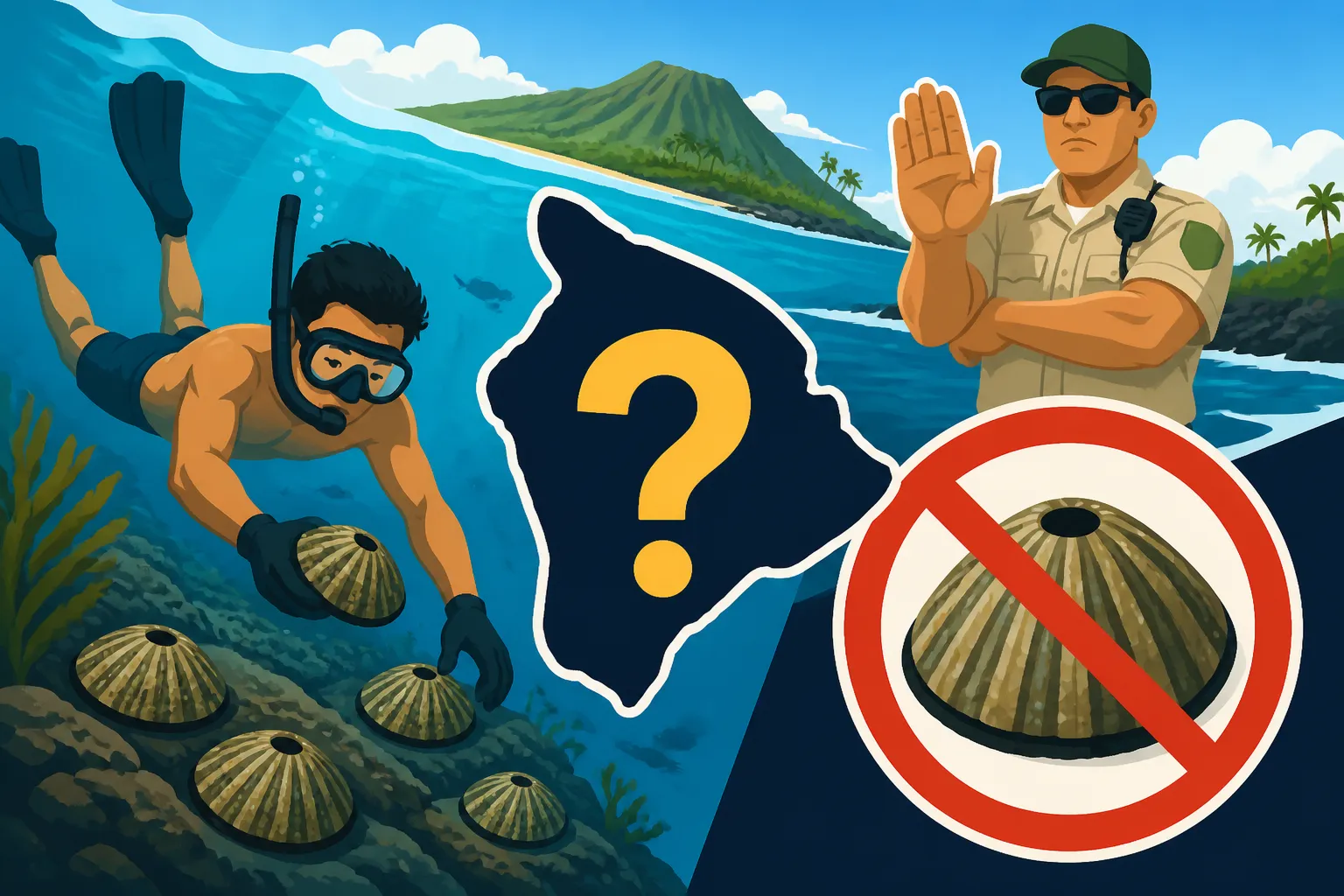
Is It Legal to Dive for Opihi in Hawaii?
The lure of freshly gathered opihi, clinging to Hawaii's rugged lava rocks, is a powerful one for many locals and visitors alike. There's a deep-seated tradition, a connection to the 'aina, that comes with harvesting these prized limpets. However, the ocean can be a dangerous place, and the rules surrounding opihi gathering, especially whether you can dive for them, often feel shrouded in mystery. This guide aims to clear up that confusion, explaining exactly what's legal, what's not, and how to stay safe while respecting this precious resource.
Understanding Hawaii's Opihi Harvesting Regulations
Opihi, often called "Hawaiian limpets," are more than just a culinary delicacy; they represent a significant part of Hawaii's cultural heritage. For generations, gathering opihi has been a practice passed down through families, connecting people to the rhythm of the tides and the bounty of the ocean. However, like all natural resources, opihi populations need protection to ensure they thrive for future generations. This is why strict regulations are in place, and understanding them is paramount before you even think about heading to the shoreline.
The Traditional Significance of Opihi
Imagine generations of Hawaiians, relying on the ocean for sustenance, carefully prying these succulent mollusks from the rocks. Opihi were, and still are, a staple at celebrations, a cherished treat, and a symbol of resilience. The act of gathering opihi, known as opihi picking, is physically demanding and often dangerous, reinforcing the high value placed on these shellfish. This deep cultural connection is part of why proper stewardship is so important. When you engage in opihi gathering, you're not just collecting food; you're participating in a legacy, and that comes with a responsibility to follow the rules designed to protect it.
Diving vs. Shoreline Harvesting: What the Law Says
So, let's get right to the heart of the matter: Is it legal to dive for opihi in Hawaii? The answer is nuanced, but generally, yes, you can dive for opihi, provided you are free-diving or snorkeling, and not using SCUBA gear. This is a critical distinction that many people miss. Hawaii's regulations are designed to prevent overly efficient harvesting methods that could decimate populations. Using a snorkel or simply holding your breath to reach opihi just below the waterline is permissible in most areas, as long as you adhere to all other regulations.
However, the moment you consider strapping on a SCUBA tank, you've crossed a legal line. The use of SCUBA gear for the collection of shellfish, including opihi, is strictly prohibited in Hawaii. This rule applies across the board for most recreational harvesting of marine invertebrates. The idea is to keep the playing field somewhat even, ensuring that the opihi have a fighting chance and aren't subject to industrial-scale harvesting by individuals with advanced diving equipment. You'll want to be familiar with the broader Hawaii Fishing Regulations Explained to understand all the nuances of marine resource management.
Specific Restrictions on Diving for Opihi
Even when free-diving or snorkeling for opihi, there are places where it's simply off-limits. Marine Life Conservation Districts (MLCDs), for instance, are designated areas where all forms of fishing and gathering are generally prohibited or heavily restricted. Places like the iconic Hanauma Bay are well-known MLCDs where no take is allowed, but there are many others across the islands. Always check if the area you plan to visit is a restricted zone. You can find more specific information on Hawaii Marine Life Conservation Districts, Explained to avoid accidentally breaking the law.
Furthermore, some local communities or specific bays might have their own nuanced rules, often stemming from traditional practices or specific conservation efforts. While these aren't always state-mandated, it's always good practice to inquire locally if you're in an unfamiliar area. The ocean access laws regarding Hawaii shoreline fishing rights and public access rules generally allow access, but specific gathering rules can vary significantly. Always be respectful of private property boundaries and cultural sites.
Opihi Size and Bag Limits You Must Know
Even if you're in an area where gathering is permitted and you're free-diving responsibly, the harvest is never a free-for-all. Hawaii has implemented strict size and bag limits for opihi to ensure sustainable populations. These limits are not arbitrary; they are based on scientific data and traditional knowledge to allow opihi to reproduce and grow before being harvested. Ignoring these rules can lead to hefty fines and confiscation of your catch, which is a miserable way to end a day in the ocean.
Daily Bag Limits for Opihi
Currently, for most species of opihi, the daily bag limit in Hawaii is 30 opihi per person, per day. This means that no individual is allowed to possess more than 30 opihi at any given time, regardless of how many trips they make in a day or how many people are with them. It’s important to understand that this limit applies to the individual, not the group. If you're out with your family, and there are three of you gathering, the total combined catch should not exceed 90 opihi. These limits are designed to prevent over-harvesting, giving opihi populations a chance to replenish themselves.
It’s easy to get carried away when you’re having a good time, but keeping a running tally of your catch is crucial. Bring a small mesh bag (you can find various types on Amazon) to collect your opihi, and make sure to count them as you go. Remember, ignorance of the law is not an excuse, and enforcement officers do patrol shorelines. Understanding the specific Hawaii Opihi Harvest Limits and Size Rules will save you a lot of headache.
Legal Size Ranges for Opihi
This is where things can get a little tricky, as different types of opihi have slightly different size requirements, and there are both minimum and maximum size limits. These specific rules protect juvenile opihi, allowing them to grow and reproduce, and also protect the largest, most productive breeding opihi, often referred to as "broodstock."
Generally, the minimum size for opihi is 1 inch (25 mm) at its widest diameter, and the maximum size is 2 inches (50 mm) at its widest diameter. You'll need a caliper or a simple measuring tool (a small plastic card with markings works great, and you can usually find these in dive shops or on Amazon) to accurately measure your opihi as you collect them.
Here's a quick breakdown of common opihi species and their general size guidelines, though it's always best to consult the most current Hawaii Division of Aquatic Resources (DAR) regulations:
| Opihi Species | Minimum Size (Widest Diameter) | Maximum Size (Widest Diameter) | Daily Bag Limit | Notes |
|---|---|---|---|---|
Opihi Makaiauli (Blackfoot) |
1 inch (25 mm) | 2 inches (50 mm) | 30 per person | Often found in rougher, higher intertidal zones. Prized for their strong flavor. |
Opihi Alinalina (Yellowfoot) |
1 inch (25 mm) | 2 inches (50 mm) | 30 per person | Typically found in slightly calmer waters, lower intertidal zones. Often larger and more rounded. |
Opihi Koko (Redfoot) |
1 inch (25 mm) | 2 inches (50 mm) | 30 per person | Less common, often found in very exposed areas. Similar to Makaiauli but with a reddish foot. |
Opihi Koele (Rough) |
1 inch (25 mm) | 2 inches (50 mm) | 30 per person | Found in similar habitats, has a rougher, more textured shell. Less common table fare. |
Note: These are general guidelines. Always verify with the latest Hawaii DLNR regulations as rules can change.
The logic behind these size limits is sound: letting the small ones grow ensures future populations, and leaving the largest, most prolific breeders helps maintain genetic diversity and reproductive capacity. Taking only those in the middle range is a responsible harvesting practice. This concept applies broadly to other species as well; you can see similar regulations in the Hawaii Bag and Size Limits by Species for fish and other invertebrates.
Species-Specific Rules and Identification
While the general size and bag limits apply across most opihi species, there are subtle differences in their appearance and preferred habitats. Identifying them correctly isn't just for curiosity; it ensures you're applying the rules properly. For instance, the "blackfoot" opihi (Cellana exarata) are often found in the more exposed, wave-swept zones, while "yellowfoot" opihi (Cellana sandwicensis) tend to be in slightly calmer waters, often a bit lower in the intertidal zone. "Redfoot" opihi (Cellana talcosa) are the largest and rarest, living in the highest splash zones of the most exposed coastlines. While the harvest regulations are often generalized, having a keen eye for identification shows respect for the resource and local knowledge.
Always carry a copy or digital access to the current Hawaii DLNR Fishing Regulations, which you can usually find on their website. It's truly your best friend for staying compliant.
Safety Considerations and Best Practices for Opihi Gathering
Let's be real: opihi gathering is not a leisurely stroll on the beach. It's physically demanding, requires intense focus, and can be incredibly dangerous. The Hawaiian coastline, while beautiful, is rugged and unforgiving. Many experienced opihi pickers have met with serious accidents, sometimes fatal, due to rogue waves, slippery rocks, or simply underestimating the power of the ocean. It's critical to prioritize safety above all else.
The Dangers of Opihi Harvesting
I cannot stress this enough: never turn your back on the ocean. This is the golden rule for anyone venturing onto Hawaii's rocky shorelines. Sneaker waves are a very real phenomenon here, capable of sweeping even the most experienced individuals off their feet and into treacherous waters, or slamming them against sharp lava rock. The combination of slippery algae, sharp barnacles, unpredictable waves, and strong currents creates an environment ripe for accidents.
Hypothetically, imagine you're focused on prying an opihi from a rock, your back to the sea. A sudden, larger-than-usual wave could come crashing over the rocks, not only knocking you down but dragging you into the churning white water, where sharp coral and rocks could cause severe injury. Always go with a buddy, inform someone of your plans and expected return time, and err on the side of caution. If the surf looks too big, or the conditions feel unsafe, it's best to call it a day and return when the ocean is calmer. No opihi is worth risking your life.
Essential Gear for Safe Opihi Diving
Equipping yourself properly can make a huge difference in both safety and efficiency. First and foremost, sturdy, non-slip footwear is absolutely essential. Old sneakers or dive booties with good grip are far better than bare feet or flimsy sandals. The rocks are sharp, and cuts are common. Many experienced pickers even opt for tabi socks or specialized reef shoes for superior grip.
Next, consider a wetsuit or rash guard. Not only do these protect you from scrapes and minor cuts from rocks and coral, but they also offer warmth if you're spending a lot of time in the water, and sun protection. A mesh bag, as mentioned earlier, is perfect for collecting your opihi. You can find excellent, durable options for these on Amazon that won't tear easily on the rocks. Don't forget a measurement tool, like a caliper or a simple pre-marked plastic card, to ensure you're only taking legal-sized opihi.
For diving, a good quality mask, snorkel, and fins are crucial. Fins allow you to navigate currents more easily and give you propulsion to avoid being dragged against rocks. A dive flag on a float (even a small, personal one) is also a wise investment, especially if you're venturing further from shore. This alerts boaters and jet skiers to your presence, enhancing your visibility and safety.
Respecting the Resource and the 'Ohana
When you're out gathering opihi, remember you are engaging with a living ecosystem and a cherished cultural practice. It’s crucial to embody the spirit of malama honua – caring for the earth. This means only taking what you need, adhering strictly to limits, and minimizing your impact on the environment. Don't unnecessarily disturb other marine life, and always leave the area cleaner than you found it.
Consider the concept of Hawaii traditional and customary fishing rights explained; these practices often emphasize sustainability and respect for the resource. While modern regulations codify some of these principles, the underlying ethos of pono (righteousness) in harvesting is still deeply relevant. For instance, when prying opihi, use a dull, flat tool to avoid damaging the rock or killing the opihi if it's undersized. Carefully reattach any undersized opihi you might accidentally dislodge. Treat the opihi grounds as a shared pantry, not a personal buffet. This kind of ethical harvesting ensures the tradition continues for everyone.
Where to Find Opihi and Restricted Areas
Finding opihi isn't like finding a supermarket; it requires knowledge of the coastline, understanding of ocean conditions, and patience. They aren't everywhere, and the best spots are often hard-earned secrets passed down through generations. However, knowing the general types of habitats they prefer and, crucially, the areas where gathering is absolutely forbidden, is key to a successful and legal harvest.
Prime Opihi Habitats in Hawaii
Opihi are true masters of clinging to exposed, wave-battered coastlines. They thrive in the intertidal zone, the area between high and low tide, where they are regularly submerged and then exposed to air and sunlight. Look for areas with black, volcanic rock that is continually pounded by waves. These are the hardy survivors, clinging steadfastly against the force of the ocean.
You'll often find them on lava rock ledges, tide pools, and surge channels. Islands with extensive, rugged coastlines, like the Big Island or parts of Maui and Kauai, offer prime habitat. Oahu also has productive areas, particularly on its eastern and northern shores, where the ocean's energy is significant. The key is finding areas that are exposed to regular wave action, as the opihi in calmer bays tend to be smaller and less numerous. Always approach these areas with extreme caution due to the wave conditions.
Marine Life Conservation Districts (MLCDs) and Other No-Take Zones
It's absolutely vital to know where you cannot gather opihi. Hawaii has designated several Marine Life Conservation Districts (MLCDs) and other protected areas where marine life is strictly protected. In these zones, all forms of taking or disturbing marine life, including opihi, are strictly prohibited. These areas serve as crucial refuges for marine ecosystems, allowing populations to thrive undisturbed.
Some of the most well-known MLCDs include:
- Hanauma Bay, Oahu: Absolutely no fishing or gathering of any kind. If you're wondering, "Is Fishing Allowed at Hanauma Bay?", the answer is a resounding no.
- Molokini Shoal, Maui: A popular dive and snorkel spot, but also a no-take zone.
- Kealakekua Bay, Big Island: Historic and culturally significant, with strict regulations.
- Lapaka Bay, Big Island: Another area with significant restrictions.
Beyond MLCDs, there might be other localized "no-take" zones or seasonal closures for specific species or areas. Always, always check the current regulations through the Department of Land and Natural Resources (DLNR) Division of Aquatic Resources (DAR). They publish the definitive rules, and familiarizing yourself with them by Reading the Hawaii DLNR Fishing Regulations is an essential step before any outing. This knowledge isn't just about avoiding fines; it's about being a responsible steward of Hawaii's precious marine environment. Other harvesting regulations, such as Hawaii octopus (tako) harvest regulations or Hawaii sea urchin (wana) harvest regulations, also exist, and it’s important to understand the broader context of marine resource management. And of course, always be mindful of marine wildlife; remember the Hawaii turtle and monk seal proximity rules for anglers even if you're not directly fishing for them.
Disclaimer
The information provided in this guide is for general informational purposes only and does not constitute legal advice. Fishing and gathering regulations in Hawaii are subject to change, and it is the sole responsibility of the individual to consult the most current rules and regulations published by the Hawaii Department of Land and Natural Resources (DLNR) Division of Aquatic Resources (DAR) before engaging in any fishing or gathering activities. We are not responsible for any actions taken based on the information presented herein. Always prioritize safety and respect the ocean and its resources.