Best charters departing from Kailua-Kona
Trying to pick the perfect fishing charter out of Kailua-Kona can feel like looking for a needle in a haystack, especially when you're dreaming of big game but aren't sure where to start your search. The sheer number of options can be overwhelming, leaving many anglers wondering how to distinguish between a truly exceptional experience and just another boat ride. This guide is here to cut through the confusion, helping you understand the unique fishing opportunities from Kona and how to confidently select a charter that perfectly matches your angling aspirations.
Why Kailua-Kona is a Premier Fishing Destination
Kailua-Kona, nestled on the west coast of the Big Island, isn't just a picturesque tourist hub; it's a world-renowned mecca for anglers. The conditions here are almost tailor-made for incredible fishing, drawing enthusiasts from all corners of the globe. From the dramatic volcanic landscapes to the deep, calm waters, everything about Kona screams "fishing paradise."
The "Kona Coast" and its Unique Geography
What makes the Kona Coast so special for fishing? It all comes down to its unique geological features. Unlike many other island destinations where you have to travel far offshore to find deep water, here the ocean floor drops off dramatically very close to the coastline. Within just a mile or two from shore, you can be in thousands of feet of water, creating an incredibly rich environment for pelagic species. This phenomenon is often referred to as "the 100-fathom line," a critical depth contour where baitfish congregate and, consequently, where big game fish like marlin, tuna, and wahoo hunt.
Moreover, the towering volcanoes of Mauna Loa and Hualalai protect the Kona Coast from the prevailing trade winds, resulting in remarkably calm seas for most of the year. This means less time battling choppy waves and more time focused on fishing, a huge plus for those prone to seasickness or simply seeking a more comfortable experience. The calm waters allow boats to maintain steady trolling speeds and make it easier for anglers to spot surface activity. This combination of deep water close to shore and calm conditions creates an almost year-round perfect storm for offshore sportfishing, making it a dream destination for anyone looking to land a trophy fish. Kona Coast Fishing Guide goes into even more detail about these unique features.
Target Species and Year-Round Action
One of the most exciting aspects of fishing out of Kailua-Kona is the incredible diversity and abundance of fish, along with the fact that there's rarely an "off-season" for much of the prized catch. While certain species might have peak times, you can almost always find something big and exciting to target.
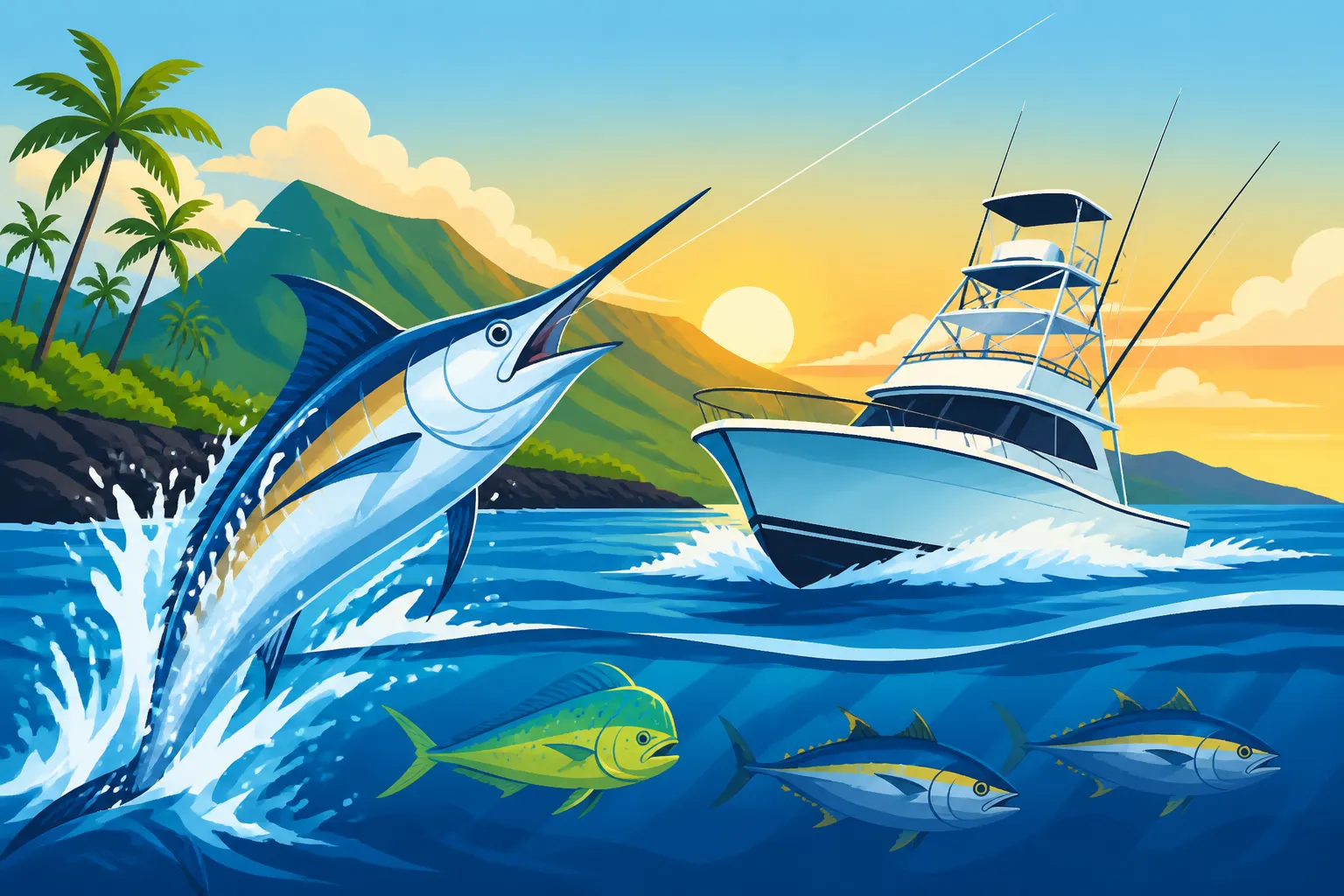
For many, the ultimate prize is a Pacific Blue Marlin. Kona is legendary for its grander marlin, fish weighing over 1,000 pounds, and offers some of the best chances in the world to hook one of these magnificent creatures. But marlin fishing isn't just about the blues; striped marlin and shortbill spearfish are also common catches, providing thrilling fights on lighter tackle. Beyond billfish, the offshore waters teem with Ahi (Yellowfin Tuna), often caught while trolling or on live bait. You'll also encounter the incredibly fast Ono (Wahoo) and the vividly colored Mahimahi (Dorado), known for their acrobatic jumps and delicious meat. These pelagic species are often found around floating debris, current lines, or the various Fish Aggregating Devices (FADs) that dot the offshore waters. It's truly a year-round fishery, with different species peaking at various times, but always offering a strong chance at an exciting catch.
Types of Fishing Charters Available in Kailua-Kona
When you're ready to hit the water from Kailua-Kona, you'll find a variety of charter types designed to cater to different fishing styles, budgets, and group sizes. Understanding these options is the first step toward booking the perfect trip.
Offshore Trolling for Pelagics
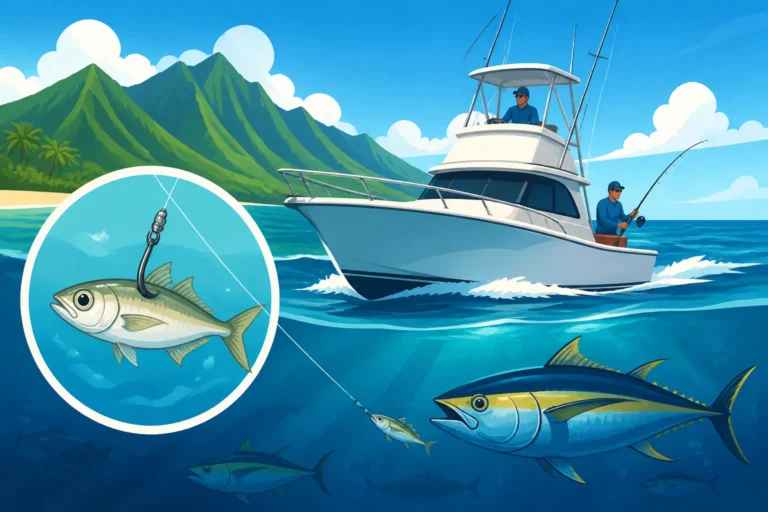
This is arguably what Kona is most famous for. Offshore trolling charters are all about chasing the big pelagic species like marlin, ahi, ono, and mahimahi. Boats typically depart from Honokohau Harbor, just north of Kailua-Kona, and head out to the deep blue waters where these migratory fish feed. The method usually involves dragging a spread of artificial lures or rigged bait (like ballyhoo) behind the boat at varying speeds. The captain and crew are constantly watching the depth sounder for bait schools, looking for birds working the surface, and keeping an eye on water temperature breaks or current lines – all indicators of where the fish might be holding.
These trips are often full-day excursions, giving you ample time to cover significant ground and maximize your chances of a hook-up. The boats are typically larger sportfishing vessels, equipped with outriggers, fighting chairs, and powerful engines. It's a high-adrenaline style of fishing, where hours of anticipation can suddenly erupt into a chaotic, thrilling battle with a powerful fish. The crew will be experts in identifying strikes, setting hooks, and guiding you through the fight, often shouting encouragement and instructions as you battle your catch. If you dream of Marlin Fishing off the Kona Coast or landing a massive Ahi (Yellowfin Tuna) Fishing in Hawaii, an offshore trolling charter is your go-to option.
Bottomfishing and Reef Adventures
While Kona is known for its big game, don't overlook the incredible bottomfishing opportunities. These charters focus on targeting reef and deep-dwelling species closer to shore, or over specific seamounts and underwater structures further out. Instead of constantly moving, the boat will anchor or drift over productive spots, allowing anglers to drop baits or jigs to the ocean floor. This can be a fantastic option for families or those who prefer a more relaxed pace compared to the intense action of trolling.
You might target delicious table fare like opakapaka (pink snapper), onaga (ruby snapper), or uku (gray snapper). Other common catches include various trevallies, goatfish, and even some of the invasive species like taape and roi, which anglers are encouraged to keep. Bottomfishing often involves lighter tackle, making it an engaging fight even for smaller fish. Some charters might even combine bottomfishing with a bit of trolling if time and conditions allow, offering a diverse experience. It's a great way to explore the rich marine life of Hawaii's underwater topography and bring home some fantastic fresh fish for dinner. For a deeper dive into this type of angling, check out Bottomfishing in Hawaii.
Private vs. Shared Charters: Which is Right for You?
When booking a charter, you'll generally have two main choices: a private charter or a shared (also known as "split") charter. Each has its own set of advantages and disadvantages.
Private Charters
A private charter means you book the entire boat for your group, whether it's just you and a friend or a larger party. This offers maximum flexibility and personalization. You get to decide the target species (within reason, based on conditions), the fishing technique, and even the start and end times. The captain and crew's attention is entirely on your group, providing dedicated instruction and assistance. This is often the preferred choice for experienced anglers, families with small children, or groups who want an exclusive experience. While the upfront cost is higher, when divided among a larger group, it can sometimes be comparable to multiple spots on a shared charter.
Shared Charters
A shared charter, on the other hand, means you're booking a spot or two on a boat with other individual anglers or small groups you don't know. This is a more budget-friendly option, as the cost of the boat and crew is split among all passengers. It's a great way for solo anglers or couples to experience Kona's world-class fishing without paying for an entire boat. However, shared charters offer less flexibility. The fishing methods, target species, and schedule are generally predetermined by the captain, and you'll need to be comfortable sharing the deck and the fishing action with strangers. Communication is key on a shared trip to ensure everyone has a good experience.
Here's a quick comparison to help you decide:
| Feature | Private Charter | Shared Charter |
|---|---|---|
| Cost | Higher overall, but fixed per boat | Lower per person, variable by number of anglers |
| Flexibility | High (target species, techniques, schedule) | Low (captain determines itinerary) |
| Privacy | Excellent (exclusive to your group) | Limited (share boat with other anglers) |
| Crew Attention | Dedicated to your group | Shared among all passengers |
| Ideal For | Groups, families, experienced anglers, custom trips | Solo anglers, couples, budget-conscious individuals |
Key Factors to Consider When Choosing a Kona Charter
Choosing the right charter out of Kailua-Kona is more than just picking a boat. It's about finding the right fit for your expectations, skill level, and desired experience. With so many operators, knowing what to look for can make all the difference.
Captain Experience and Boat Reputation
The captain and crew are arguably the most crucial elements of a successful fishing trip. An experienced captain knows the local waters intimately: where the fish are likely to be, what baits or lures are working, and how to adapt to changing conditions. They understand the nuances of the Kona currents, the impact of moon phases, and the subtle signs that indicate fish activity. Look for captains with years, if not decades, of experience specifically fishing the Kona Coast. A seasoned crew, particularly the deckhand, will ensure your lines are properly rigged, assist you during a fight, and handle the boat safely and efficiently.
Word-of-mouth is powerful here. Read online reviews carefully, but also consider asking for recommendations from local tackle shops or fellow anglers. A boat's reputation often speaks volumes. Is it consistently praised for professionalism, fish-catching ability, and customer service? Do previous customers rave about the crew's attitude and willingness to teach? A clean, well-maintained boat with reliable equipment is also a good indicator of a professional operation. Don't be shy about asking about the captain's experience or the boat's safety record when you call to inquire. You can find general advice in How to Choose a Hawaii Fishing Charter.
Inclusions, Gear, and Services Offered
Before you book, make sure you understand exactly what's included in the charter price. Most reputable Kona charters will provide all necessary fishing gear, including rods, reels, tackle, and bait. However, it's always wise to confirm this. Will they provide ice and cooler space for your drinks and snacks? Is a fishing license included, or do you need to purchase one separately? In Hawaii, anglers on a licensed charter vessel are generally covered by the boat's commercial marine license, meaning you typically don't need your own individual recreational license for ocean fishing. However, always double-check with your specific charter, as rules can change or vary. Hawaii Nonresident Marine Fishing License, Explained covers more on this topic.
Beyond the basics, consider what other services are important to you. Does the charter clean and bag your catch at the end of the day? Some will, while others might offer it for an additional fee or simply release all fish. If you plan to keep fish, inquire about the boat's fish-sharing policy, especially on shared charters. Some boats split the catch evenly among all anglers, while others might allow the largest fish to go to the angler who caught it, or keep a portion for the crew. If you're hoping for a specific type of experience, like targeting a grander marlin or learning a new technique, ensure the charter specializes in that and is willing to accommodate. For a general overview of what to expect, read What to Expect on a Hawaii Fishing Charter.
Booking Platforms and Finding Reviews
Finding a reliable charter often starts with researching reputable booking platforms and reading through customer reviews. Websites like FishingBooker are excellent resources for finding a wide array of charters departing from Kailua-Kona. These platforms allow you to compare different boats, check their availability, read detailed descriptions of their offerings, and most importantly, see authentic reviews from past clients. A major advantage of using a platform like FishingBooker is the consolidated information and the ability to filter by boat type, price range, and target species.
When sifting through reviews, look for consistent themes. Do multiple people praise the captain's knowledge or the deckhand's helpfulness? Are there recurring comments about catching specific types of fish or the overall atmosphere on board? Pay attention to both positive and negative feedback, and how the charter operator responds (if they do). A charter with a high volume of positive, detailed reviews is generally a good sign. Also, consider calling the charter directly after finding them online. A conversation can give you a better feel for their customer service and help you clarify any specific questions before committing.
What to Expect and How to Prepare for Your Kailua-Kona Fishing Trip
Embarking on a fishing adventure from Kailua-Kona is an exciting prospect, but a little preparation goes a long way in ensuring you have a comfortable and memorable experience. Knowing what to bring and how to behave on board will help you maximize your time on the water.
Packing Essentials and Seasickness Prevention
Even on Kona's typically calm waters, it's wise to be prepared for the elements and the possibility of seasickness. Here's a basic packing list:
- Sun Protection: The Hawaiian sun is intense. Bring a wide-brimmed hat, polarized sunglasses, and plenty of reef-safe sunscreen (check local regulations for acceptable ingredients). Long-sleeved, light-colored shirts and pants can also offer excellent protection.
- Layered Clothing: Mornings can be cool, especially on early departures, but it quickly heats up. Layers allow you to adjust comfortably.
- Footwear: Wear non-slip, closed-toe shoes. Boat decks can be wet and slippery, and hooks or other gear can be a hazard.
- Food and Drink: While some charters might provide bottled water, it's always a good idea to bring your own snacks, sandwiches, and plenty of hydration. Check with the charter about their cooler space.
- Camera: You'll want to capture those epic moments! Just make sure it's secure or waterproof.
- Medication: If you have any personal medications, don't forget them.
For seasickness, prevention is key. If you're prone to it, consider taking over-the-counter remedies like Dramamine or Bonine the night before and again in the morning of your trip. Many people also find relief with ginger candies or patches. Staring at the horizon, staying on deck in fresh air, and avoiding heavy, greasy foods before and during the trip can also help. Communicate with the captain or crew if you start feeling unwell; they can often offer advice or help.
Understanding Catch Policies and Tipping Etiquette
Before you even step on the boat, it's good to have a clear understanding of the charter's catch policy. Some charters are strictly "catch and release," especially for certain prized or protected species, or if you're targeting trophy fish like large marlin where the focus is on the fight and preservation. Other charters might allow you to keep your catch, or a portion of it, particularly if you're targeting delicious table fish like ahi, ono, mahimahi, or bottomfish. If keeping fish is important to you, discuss this upfront with the charter operator. On shared charters, the catch may be divided among the anglers, or the boat might keep a portion for themselves. Always clarify this to avoid any misunderstandings at the end of the day.
When it comes to tipping, it's customary to tip the captain and crew for their hard work and expertise. This is a significant part of their income and reflects your appreciation for their service. A general guideline is 15-20% of the total charter cost. If the crew went above and beyond, handled a difficult situation, or helped you land the fish of a lifetime, a higher tip is certainly warranted. Conversely, if you feel the service was subpar, you can adjust accordingly, but remember that even on slow fishing days, the crew is still working hard to put you on fish and ensure your safety. Hand the tip directly to the deckhand, who will typically split it with the captain. Tipping Etiquette for Hawaii Fishing Charters provides more specific details.
Disclaimer
This article is for general informational purposes only and does not constitute professional advice. Laws, prices and regulations vary by location and change over time. Consult a qualified professional for guidance on your specific situation.