Where the Hawaii marlin record was caught
For many anglers, the dream of landing a colossal marlin, the kind that becomes the stuff of legend, is what draws them to Hawaii. The frustration often lies in sifting through countless stories and snippets, wondering where exactly these magnificent beasts are found and what makes that particular spot so special. This guide is here to unravel the mystique, pinpointing the legendary waters where Hawaii's most iconic marlin records have been set and giving you a deeper understanding of this incredible fishery.
The Legendary Waters: Kona and the Grander Marlin
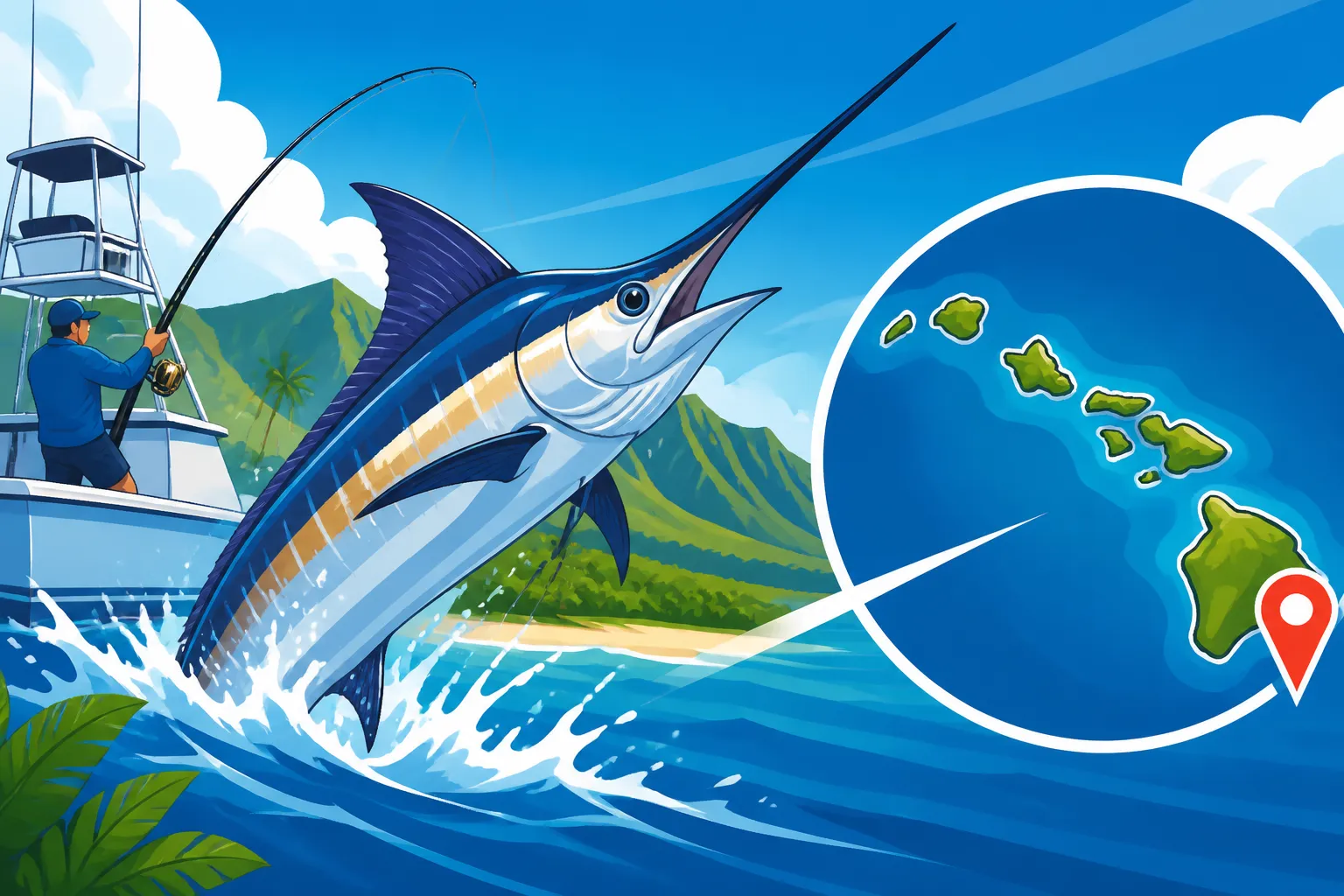
When you hear talk of Hawaii's record-breaking marlin, one place immediately comes to mind: the Kona Coast of the Big Island. This stretch of ocean, particularly the waters just offshore from Kailua-Kona and Honokohau Harbor, has a reputation that extends worldwide as a premier destination for catching "granders"—blue marlin weighing a thousand pounds or more. It's not just luck; a unique combination of geography, ocean currents, and an abundant food supply creates the perfect hunting grounds for these magnificent pelagic predators. The stories of battles won and lost with these giants are etched into the very fabric of Kona's fishing community, inspiring generations of anglers to seek their own piece of history.
Kona's Deep Waters and Abundant Bait
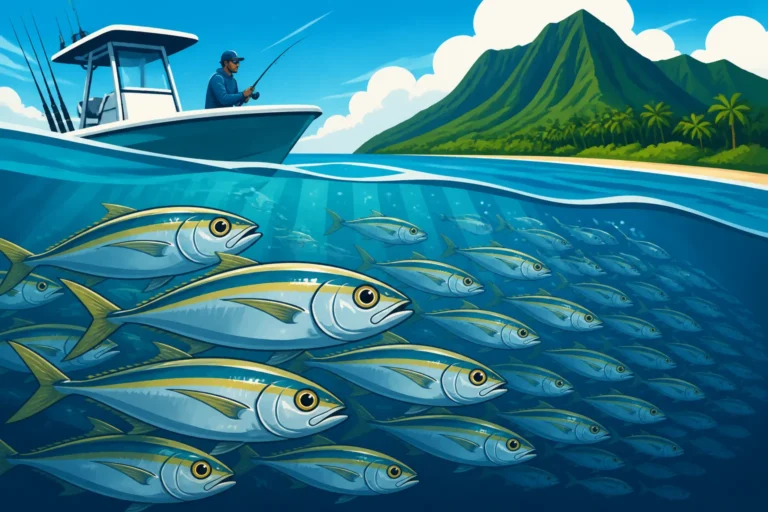
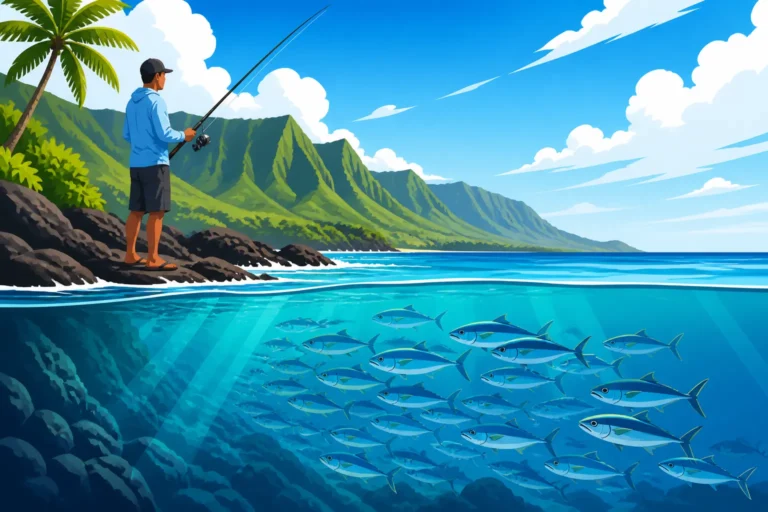
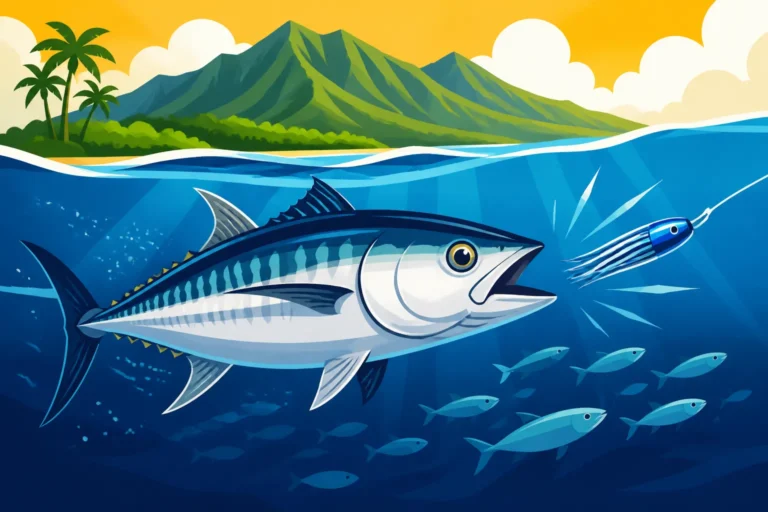
The secret to Kona's incredible marlin fishery lies beneath the surface. The Big Island features a remarkably steep drop-off just a short distance from shore. Within mere miles, the ocean floor plunges from shallow reefs to depths of thousands of feet. This dramatic topography creates natural "feeding lanes" where nutrient-rich upwellings bring cold, deep water to the surface, attracting vast schools of baitfish like skipjack tuna (aku) and mackerel scad (opelu). These baitfish, in turn, draw in larger predators, including various species of tuna, mahimahi, ono (wahoo), and, crucially, large blue marlin.
The deep water allows the marlin to live out their entire lives without having to travel far from the Big Island's shores, establishing resident populations of mature, often enormous, fish. Unlike many other fishing destinations where marlin are migratory visitors, Kona boasts a year-round presence of these formidable game fish. This consistent availability, combined with the sheer size of the local bait, means that blue marlin here have ample opportunity to grow to truly astonishing dimensions. Anglers often come equipped with the latest sonar technology, like advanced fish finders available on Amazon, to locate these subsurface bait schools and the behemoths that follow them.
Historical Catches and Tournament Glory
The Kona Coast has been the stage for countless epic battles and record-setting catches over the decades. The history of big-game fishing here is rich with tales of legendary captains and anglers pushing the limits of their gear and endurance. While specific record weights can fluctuate with time and new catches, Kona has consistently produced some of the largest blue marlin ever landed. Many of the most famous catches have occurred during its prestigious fishing tournaments, which attract anglers from around the globe vying for the title of landing a grander.
These tournaments, like the Hawaiian International Billfish Tournament, are not just competitions; they are celebrations of Kona's unique marine environment and the pursuit of these apex predators. The docks at Honokohau Harbor buzz with excitement as boats return, displaying their catches (or tales of a hard-fought release). The pursuit of a record-setting marlin isn't just about the fish itself; it's about the challenge, the camaraderie, and becoming part of a storied tradition that reveres both the ocean and its majestic inhabitants. The desire to best a previous record, or simply to join the exclusive "grander club," fuels many a fishing expedition in these fabled waters. Marlin Fishing off the Kona Coast details more about this exhilarating pursuit.
The Pursuit of a Grander: Conditions for Record Catches
Catching a record-breaking marlin is a monumental achievement, the result of a perfect storm of factors: the right location, the right conditions, the right crew, and a healthy dose of luck. While Kona consistently offers the first two ingredients, the sheer size of the fish and the intensity of the fight mean that every grander caught is a testament to skill and perseverance. These are not everyday occurrences; they are the pinnacle of a lifetime of fishing.
The "Grander" Club and Its Elusive Members
The term "grander" refers to a billfish that weighs 1,000 pounds or more. For many anglers, it's the ultimate angling goal, the holy grail of big-game fishing. Kona is one of the few places in the world where granders are caught with a relative degree of regularity, making it a bucket-list destination for serious marlin fishermen. The fish that achieve this size are ancient, powerful creatures, often females, that have navigated the perils of the open ocean for many years. Landing one requires heavy tackle, typically 80-pound or 130-pound class gear, and a well-drilled crew who can work together seamlessly to fight the fish.
When a grander is hooked, the fight can last for hours, testing every ounce of strength and resolve an angler possesses. The sheer power of these fish is astounding; they can peel hundreds of yards of line off a heavy reel in seconds, leap dramatically from the water, and dive to incredible depths. It’s a true battle of wills, and often, the fish wins. This rarity and challenge are precisely what makes the "grander club" so exclusive and revered among the global big-game fishing community. It's a reminder that even with modern technology and powerful boats, nature still holds the upper hand.
Conditions for a Record-Breaking Day
While marlin can be caught year-round off Kona, certain conditions tend to be more conducive to landing truly massive fish. Generally, calm seas, a good current, and the presence of significant bait schools are key. Many of the most notable catches have occurred during the summer months when the ocean conditions are typically more stable, and the bait migration patterns are strong. However, big fish can show up at any time. A true grander can surprise you even on an otherwise quiet day.
Weather plays a significant role. A stable weather pattern without major fronts passing through tends to keep the baitfish aggregated and the marlin actively feeding. Water temperature is another crucial factor, with marlin preferring certain thermal boundaries where warm surface waters meet cooler, deeper currents. Experienced captains are constantly monitoring these conditions, along with current lines and areas where bait is known to concentrate. It's not just about being on the water; it's about being on the right water, at the right time, with all your gear, from your heavy-duty lures to your sun-protective clothing, sourced and ready, perhaps even a new pair of polarized sunglasses from Amazon. Understanding Hawaii Fishing Seasons by Month can provide insights into peak times for different species.
Kona's Infrastructure: Supporting the Hunt for Giants
The success of Kona as a world-class marlin fishery isn't solely due to its natural attributes; it's also built upon a robust infrastructure that supports the sport. From world-renowned harbors to experienced charter operations, everything is geared towards providing anglers the best possible chance at their dream catch.
Honokohau Harbor: The Gateway to Giants
Honokohau Harbor, located just north of Kailua-Kona, is the bustling heart of the Big Island's sportfishing industry. This is where most of the charter boats depart, heading out into the deep blue waters that hold the promise of a grander. The harbor is more than just a place to dock; it's a vibrant community of captains, crews, and anglers, all sharing a common passion for the ocean. Early mornings at Honokohau are a spectacle, with dozens of boats powering out into the sunrise, each with hopes of making headlines.
The harbor facilities cater specifically to big-game fishing, with ample slips, fuel docks, and bait shops. It's a place where knowledge is exchanged, stories are told, and the traditions of Hawaiian fishing are kept alive. If you're planning a trip to target marlin, starting your journey from Honokohau Harbor is almost a rite of passage. Many Best Charters Out of Honokohau Harbor operate from here, offering a range of options from shared trips to private excursions.
The Year-Round Fishery
One of Kona's most exceptional qualities is its ability to produce marlin throughout the entire year. While some destinations have distinct "seasons" for billfish, Kona's unique geographical location on the lee side of the Big Island provides sheltered, calm waters for much of the year, regardless of the trade winds. This consistency is a major draw, meaning anglers don't have to meticulously plan their trips around a narrow window of opportunity.
While blue marlin are present year-round, other pelagic species like striped marlin, spearfish, and even shortbill spearfish also frequent these waters, providing exciting action. The consistent presence of baitfish and the deep-water habitat allow marlin to feed and thrive continually. This constant activity means that any day on the water could be the day a record-breaking fish decides to strike, adding an extra layer of anticipation to every trolling pass. Learning about Hawaii Fishing Seasons by Month can help you refine your targeting strategy.
Beyond the Record: Chasing Your Own Grand Slam
While the allure of catching "the" Hawaii marlin record is undeniably powerful, the truth is, every day out on the water in Kona offers the potential for an unforgettable experience. Even if you don't break a record, landing any marlin, ahi, or other pelagic species is a trophy in itself. The pursuit of these fish is what truly makes the experience worthwhile.
Choosing the Right Charter and Crew
To maximize your chances of success, especially when targeting significant fish, choosing an experienced charter and crew is paramount. Kona is home to some of the most skilled and knowledgeable captains and deckhands in the world, many of whom have spent decades honing their craft in these specific waters. They understand the nuances of the currents, the behavior of the baitfish, and the habits of the marlin.
When selecting a charter, look for operators with a proven track record, not just of catching fish, but of providing a safe and enjoyable experience. Ask about their approach to fishing (trolling, live baiting), their boat's equipment, and their philosophy on catch-and-release, which is increasingly common for marlin. Many of the Best Marlin Charters off the Kona Coast are well-regarded for their professionalism and expertise. Don't hesitate to research different options and read reviews to find the perfect fit for your angling adventure. You can find comprehensive gear lists and recommended items to bring, even tackle specific items, on Amazon to prepare for your trip.
Gear and Techniques for Big Marlin
Successful marlin fishing, particularly for granders, relies on specialized gear and precise techniques. Heavy-duty offshore trolling rods and reels spooled with strong monofilament or braided line are standard. The lures used are often large, brightly colored skirts designed to imitate baitfish, or sometimes live bait such as skipjack tuna or mahimahi are trolled. The technique involves slow-trolling these baits or lures in specific patterns, often along current lines or known feeding grounds, hoping to entice a strike from a patrolling marlin.
The crew's expertise in setting the spread of lures, adjusting trolling speed, and executing a quick and efficient hook-up is critical. Once a fish is hooked, the real work begins. The captain maneuvers the boat to help the angler, and the deckhand provides crucial support, coaching the angler and preparing the gaff or tag pole. It's a team effort, and every member plays a vital role in landing or releasing a large marlin. For more depth on gear and tactics, consider exploring resources on How to Catch Marlin off the Kona Coast.
Disclaimer
This article is for general informational purposes only and does not constitute professional advice. Laws, prices and regulations vary by location and change over time. Consult a qualified professional for guidance on your specific situation.