What opelu eat in Hawaii’s waters
It's an age-old question for anyone who spends time on the water here in Hawaii: what are the fish eating? Understanding the diet of any species is absolutely crucial, whether you're a seasoned angler trying to dial in your bait presentation, a curious free diver observing reef life, or simply someone fascinated by our incredible marine ecosystem. When it comes to opelu, or mackerel scad, knowing their dietary preferences can unlock secrets to their behavior, their schooling patterns, and ultimately, how to interact with them, or even catch them, more successfully. This comprehensive guide will dive deep into exactly what these vital baitfish are consuming in Hawaii's diverse waters, giving you the insights you need.
Understanding Opelu: The Mackerel Scad of Hawaii
Before we can truly explore what opelu eat, it's helpful to understand a bit more about the fish themselves. Often overlooked by those focused on the larger, flashier game fish, opelu are truly the unsung heroes of Hawaii's nearshore marine environment. These small, silvery fish play an outsized role in the food web, impacting everything from the smallest plankton to the largest pelagic predators.
Opelu: The Mackerel Scad Identification
Opelu, scientifically known as Decapterus macarellus, are a type of mackerel scad. They are schooling fish, typically found in dense aggregations that can stretch for considerable distances, often near the surface or in mid-water columns. When you see a shimmering, churning mass of fish just below the surface off a rocky point or near a harbor mouth, there's a good chance you're looking at a school of opelu. They have a sleek, torpedo-shaped body, which allows them to move quickly through the water, a characteristic silvery coloration with a darker back, and a distinctive small finlet series behind their dorsal and anal fins, similar to true mackerel or tuna.
These fish are incredibly agile, capable of quick bursts of speed to evade predators. Their eyes are relatively large, indicative of their reliance on sight for feeding and predator detection, especially in the often-clear waters of Hawaii. They are generally not huge fish, typically reaching lengths of 8 to 12 inches, though some can grow a bit larger. Their abundance and accessibility make them a favorite target for local subsistence fishermen, and they are highly prized as both table fare and, perhaps more importantly, as live bait. For more detailed information, you can check out our guide on Opelu (Mackerel Scad) in Hawaii.
Role as a Forage Fish in the Hawaiian Ecosystem
The term "forage fish" might not sound glamorous, but it describes an absolutely critical role in any marine ecosystem, and opelu are quintessential forage fish here in Hawaii. They form the vital link in the food chain between the microscopic world of plankton and the larger predatory fish that many anglers seek. Imagine a vast buffet laid out in the ocean; opelu are one of the most important dishes on that table for a huge variety of marine life.
Everything from papio (juvenile trevally) to ulua (giant trevally), kahala (amberjack), various snapper species, and even pelagic giants like ahi (yellowfin tuna) and ono (wahoo) depend heavily on opelu as a primary food source. Without healthy opelu populations, the entire food web would suffer immense strain. Their schooling behavior, while a defense mechanism against individual predation, also serves to concentrate a massive food source for larger predators. When you're out fishing and see a massive school of opelu being attacked from below by ulua or from above by diving birds, you're witnessing this crucial predator-prey dynamic firsthand. Understanding their diet helps us appreciate their importance, as a thriving opelu population indicates a healthy plankton base, which in turn supports the larger fish we all love to pursue.
The Opelu Diet: What's on the Menu?
So, what exactly makes up the diet of these crucial baitfish? Opelu are primarily filter feeders and opportunistic predators, meaning they feed on a wide variety of smaller organisms found in the water column. Their diet is largely dictated by what's available and abundant in their immediate environment, which can shift with currents, seasons, and location.
Primary Food Sources: Zooplankton and Larval Fish
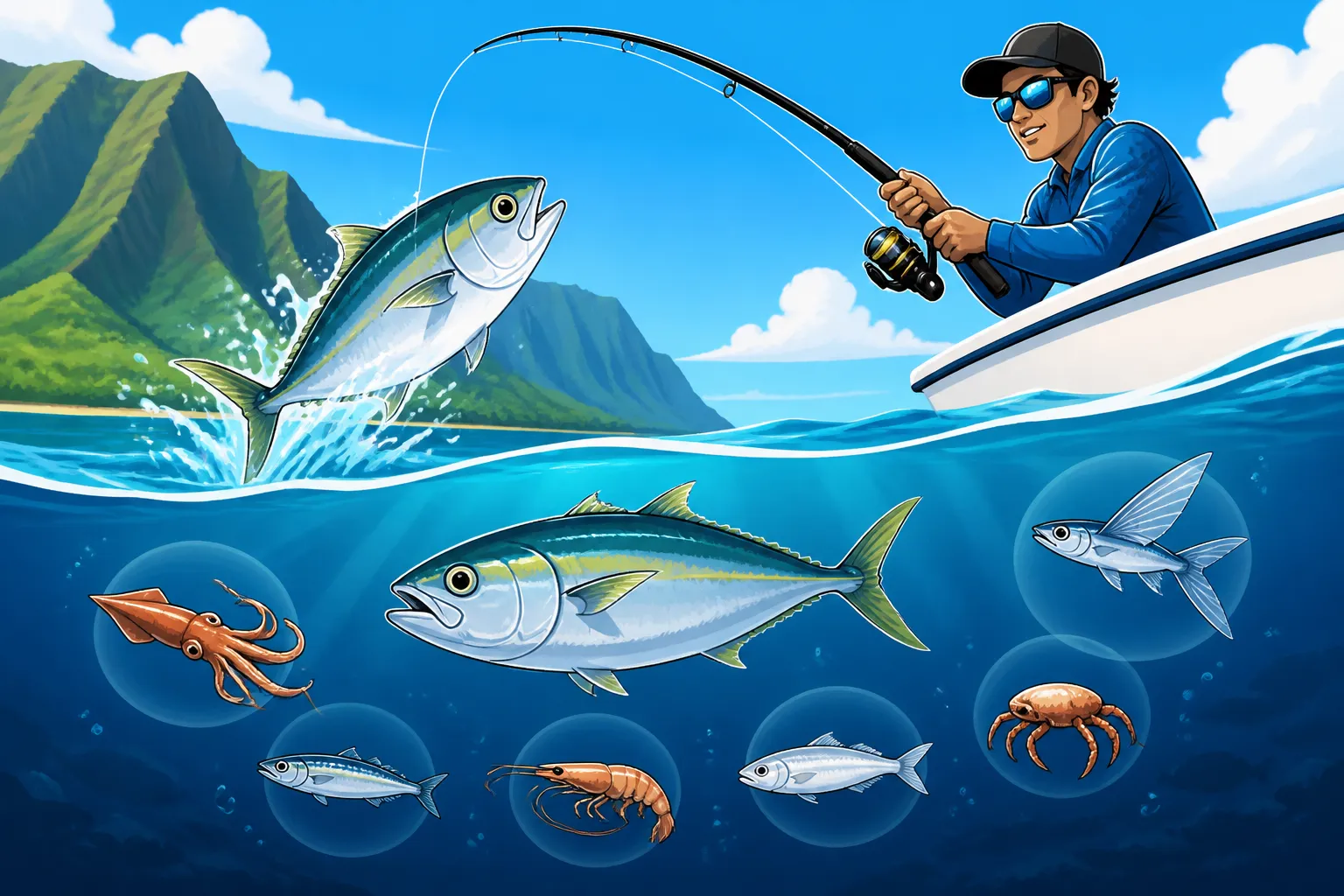
The bulk of an opelu's diet consists of zooplankton. Think of zooplankton as the microscopic animal life of the ocean – tiny crustaceans like copepods, amphipods, and euphausiids (krill), as well as larval stages of larger marine invertebrates and fish. Opelu have fine gill rakers, which act like a sieve, allowing them to filter these tiny organisms from the water as they swim with their mouths open, a feeding strategy known as "ram feeding."
They often congregate in areas where these plankton blooms are prevalent, which can be influenced by upwellings, nutrient-rich currents, or specific times of the year. For instance, after a strong rain, runoff can introduce nutrients into nearshore waters, sometimes sparking a plankton bloom that draws in opelu schools. Beyond these microscopic animals, opelu will also eagerly consume small, fragile larval fish species that drift in the water column. These include the larval stages of various reef fish and even other pelagic species. Their pursuit of these tiny morsels is a constant activity, making them active feeders throughout the day and sometimes even at night, especially under artificial lights.
Opportunistic Feeding: Smaller Crustaceans and Detritus
While zooplankton and larval fish are the staples, opelu are not picky eaters and will take advantage of other food sources when available. This opportunistic nature means their diet can be quite diverse. They'll readily consume slightly larger crustaceans that are still small enough to fit into their mouths, such as small shrimp or juvenile crabs that might be suspended in the water column or drifting with currents.
Even detritus – organic particulate matter such as decaying plant and animal material – can become part of their diet, especially if more active prey is scarce. This demonstrates their adaptability and ability to survive in varying conditions. This flexible diet is one reason why opelu can thrive in many different nearshore and offshore environments around the islands, from protected bays to open ocean waters. Anglers can often mimic these opportunistic food sources when trying to attract opelu for bait, using small pieces of squid or fish flesh, or even specialized opelu jigs that resemble tiny crustaceans. You can find a range of effective opelu jigs and small bait rigs on platforms like Amazon, perfect for replicating their natural forage.
Variations by Life Stage: Juvenile vs. Adult
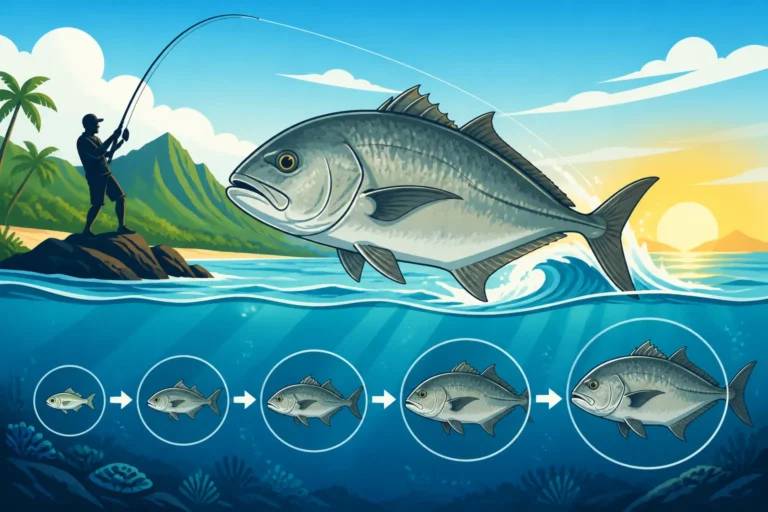
Just like many other fish species, an opelu's diet can shift as it grows and develops. Juvenile opelu, being much smaller, primarily focus on the smallest available plankton. Their mouths and gill rakers are not yet fully developed to handle larger prey, so they stick to the truly microscopic organisms. As they mature into adults, their feeding capabilities expand.
Adult opelu maintain their appetite for zooplankton but can also efficiently target larger individual copepods, small larval fish, and other small swimming invertebrates. This transition often means they can exploit a wider range of feeding grounds and food patches. For example, juvenile opelu might stick closer to protected areas where smaller plankton are abundant, while larger adults might venture into more open waters, following dense schools of bait or areas of nutrient upwelling where a richer variety of food is available. This life stage variation is important for understanding where and when to find different sizes of opelu.
Seasonal and Environmental Influences on Diet
The ocean is a dynamic environment, and opelu's feeding habits are deeply intertwined with these ever-changing conditions. What they eat, and how much, can vary significantly depending on the time of year, ocean currents, and even daily weather patterns.
Impact of Ocean Currents and Water Temperature
Ocean currents are perhaps the single most influential factor in determining food availability for opelu. These currents act like conveyor belts, transporting plankton and larval fish from one area to another. Areas where currents create upwellings bring nutrient-rich deeper waters to the surface, fueling massive plankton blooms. These blooms are irresistible magnets for opelu schools, as they represent an abundant and easy food source. Consequently, anglers often find dense schools of opelu congregating in these productive zones. Understanding how local currents flow can give you a significant advantage in locating these baitfish.
Water temperature also plays a role. While opelu are adapted to the warm tropical waters of Hawaii, significant temperature fluctuations, even subtle ones, can influence the distribution and abundance of their prey. Warmer waters can sometimes lead to faster growth rates for plankton, but extreme temperatures can also push certain species out of an area. Opelu will instinctively follow their food, meaning a slight shift in water temperature might cause a school to move from one side of an island to another, chasing optimal feeding grounds. The movements of these schools are a constant puzzle for local fishermen, who observe patterns over many years. Knowing how these factors interact helps shed light on the Best Time of Year to Fish in Hawaii for various species, including the crucial baitfish.
Seasonal Plankton Blooms and Food Abundance
Hawaii, like many oceanic regions, experiences seasonal changes in plankton abundance. While not as dramatic as temperate zones, certain times of the year can see more prolific blooms of phytoplankton (the microscopic plants that zooplankton eat), which then leads to an explosion in zooplankton populations. These periods of high abundance are feeding bonanzas for opelu.
For instance, certain periods after significant rainfall or during specific lunar phases might coincide with increased nutrient runoff or tidal influences that trigger plankton growth. When these blooms occur, opelu can feed voraciously, growing quickly and forming massive schools. Conversely, during leaner times, opelu might be more dispersed and actively searching for scarce food sources. This seasonal rhythm means that the opelu's "best eating" periods can fluctuate, influencing their fat content and overall health, which in turn impacts their desirability as bait for larger game fish. Monitoring these natural cycles is a key aspect of successful fishing in Hawaii. Our guide on Hawaii Fishing Seasons by Month can provide more insights into these broader trends.
Habitat and Depth: Where the Food Lives
The habitat and depth at which opelu reside also directly influence their diet. Opelu are versatile, found from shallow nearshore waters out to deeper offshore areas, typically above the 100-fathom line. In nearshore environments, especially around reef edges, bays, and harbors, their diet might include more larval fish or small crustaceans associated with those structures. Here, they might compete with or be preyed upon by species like papio.
As they move into more open, pelagic waters, particularly around FADs (Fish Aggregating Devices) or natural current breaks, their diet shifts to primarily oceanic zooplankton and pelagic larval fish. The vast open ocean offers a different pantry of food compared to the coastal shelves. Schools will move vertically throughout the day, often rising to feed on plankton near the surface at dawn and dusk, or moving deeper to avoid predators or find specific thermal layers. This vertical migration means that at different times, they are encountering different populations of food. Understanding Where opelu schools gather often provides clues to where their preferred food sources are concentrated.
Implications for Anglers and Ecosystem
Knowing what opelu eat isn't just an academic exercise; it has very real, practical implications for anglers and crucial significance for the health of our marine environment. This knowledge helps us become more effective fishermen and more responsible stewards of Hawaii's precious ocean resources.
Bait Selection and Fishing Techniques
For anglers, the most direct application of understanding the opelu diet comes down to bait selection and fishing techniques. If opelu primarily eat zooplankton and larval fish, then successful bait for catching opelu themselves, or for attracting fish that eat opelu, needs to mimic these food sources.
When targeting opelu for live bait, small, flashy jigs or sabiki rigs are incredibly effective. These rigs often feature multiple small hooks adorned with iridescent material, feathers, or tiny plastic tubes that perfectly imitate a school of small shrimp or larval fish. Chipping (chumming) with finely ground fish or bread crumbs can create a cloud of "food" that mimics a plankton bloom, drawing opelu to the surface. Local fishermen have perfected these techniques over generations, often using nets or hook-and-line to gather enough opelu for a day of ulua fishing or for a tuna run. You can find ready-to-use sabiki rigs and chum blocks on Amazon or at local tackle shops, making it easier to gather this prime bait.
When targeting larger predatory fish that feed on opelu, using live opelu as bait is often the absolute best choice. Ahi, ono, and mahimahi simply can't resist a lively opelu struggling on a hook. Techniques like slow trolling a live opelu or drift fishing with them are highly productive. For those who prefer artificial lures, choosing lures that imitate opelu in size, profile, and color (silvery, dark back) can be incredibly effective for species like ahi. Our articles like How to Catch Ahi in Hawaii and Best Bait for Ahi Fishing delve deeper into how opelu play a central role in successful offshore angling.
Ecosystem Health and Food Web Dynamics
Beyond individual fishing success, the dietary habits of opelu are a barometer for the overall health of Hawaii's marine ecosystem. As mentioned, they are a critical link in the food chain. A robust opelu population, feeding successfully on abundant plankton, indicates a healthy lower trophic level – the base of the food web is strong. Conversely, if opelu populations decline due to environmental factors or overfishing, it can have cascading negative effects up the entire food chain, impacting everything from marlin to monk seals.
Scientists often monitor opelu stomach contents and population health as indicators of ocean conditions. Changes in their primary food sources, for example, could signal shifts in ocean currents or water chemistry. Understanding these dynamics is essential for marine resource management and for ensuring that Hawaii's waters remain vibrant and productive for generations to come. When you see an abundance of opelu, you're essentially witnessing a thriving ecosystem at work.
Conservation Considerations and Sustainable Fishing Practices
Given their vital role, conservation of opelu populations is a serious consideration. While they are generally abundant, sustained pressure, especially for bait, could theoretically impact local schools. Fortunately, Hawaii's fishing regulations are designed to help maintain healthy fish stocks, including important forage species. Anglers should always be mindful of Hawaii Bag and Size Limits by Species and local regulations, even for baitfish.
Sustainable fishing practices for opelu involve not overharvesting beyond what is needed and being aware of their schooling patterns. Often, opelu are caught for personal use or for local commercial bait operations, rather than large-scale industrial fisheries. This decentralized approach generally helps in maintaining healthy stocks. However, as ocean conditions change and fishing pressure evolves, ongoing monitoring and adaptive management are always important. By appreciating their diet and their role, we can all contribute to the long-term health of our beloved Hawaiian waters, ensuring there are always plenty of opelu for both the predators and the anglers who depend on them.
Here's a quick summary of Opelu dietary habits:
| Life Stage / Factor | Primary Diet | Secondary / Opportunistic Diet | Key Influences |
|---|---|---|---|
| Juvenile Opelu | Small zooplankton (copepods, larval stages) | Very small crustaceans | Availability of micro-plankton, protected areas |
| Adult Opelu | Zooplankton, larval fish | Small crustaceans, detritus | Ocean currents, plankton blooms, habitat |
| Seasonality | Varies with plankton blooms | Shifts with food availability | Rainfall runoff, nutrient upwellings, lunar cycles |
| Habitat | Nearshore: reef-associated larvae | Offshore: pelagic zooplankton | Water depth, proximity to structure or FADs |
Disclaimer
This article is for general informational purposes only and does not constitute professional advice. Laws, prices and regulations vary by location and change over time. Consult a qualified professional for guidance on your specific situation.