What a holdover trout is
When you're dreaming of casting a line in Hawaii, most folks picture the vast, deep blue ocean teeming with marlin or ahi. But for those in the know, there's a unique and sometimes elusive freshwater fishing experience to be had, particularly for trout. One term that often sparks curiosity, and a bit of a challenge, is "holdover trout." If you've ever found yourself wondering what exactly a holdover trout is, especially in a place as unique as Hawaii, you're in the right spot. This guide will dive deep into what these special fish are, why they matter, and how you might just land one yourself in the Aloha State's distinct freshwater environments.
Understanding "Holdover Trout" in a Hawaiian Context
It's easy to assume all trout in a fishery are the same, especially when they're regularly stocked. But the term "holdover trout" refers to something quite specific, and it carries a certain weight among dedicated anglers. In a place like Hawaii, where trout fishing is confined to very particular areas, understanding holdovers gives you a real edge.
Defining a Holdover Trout
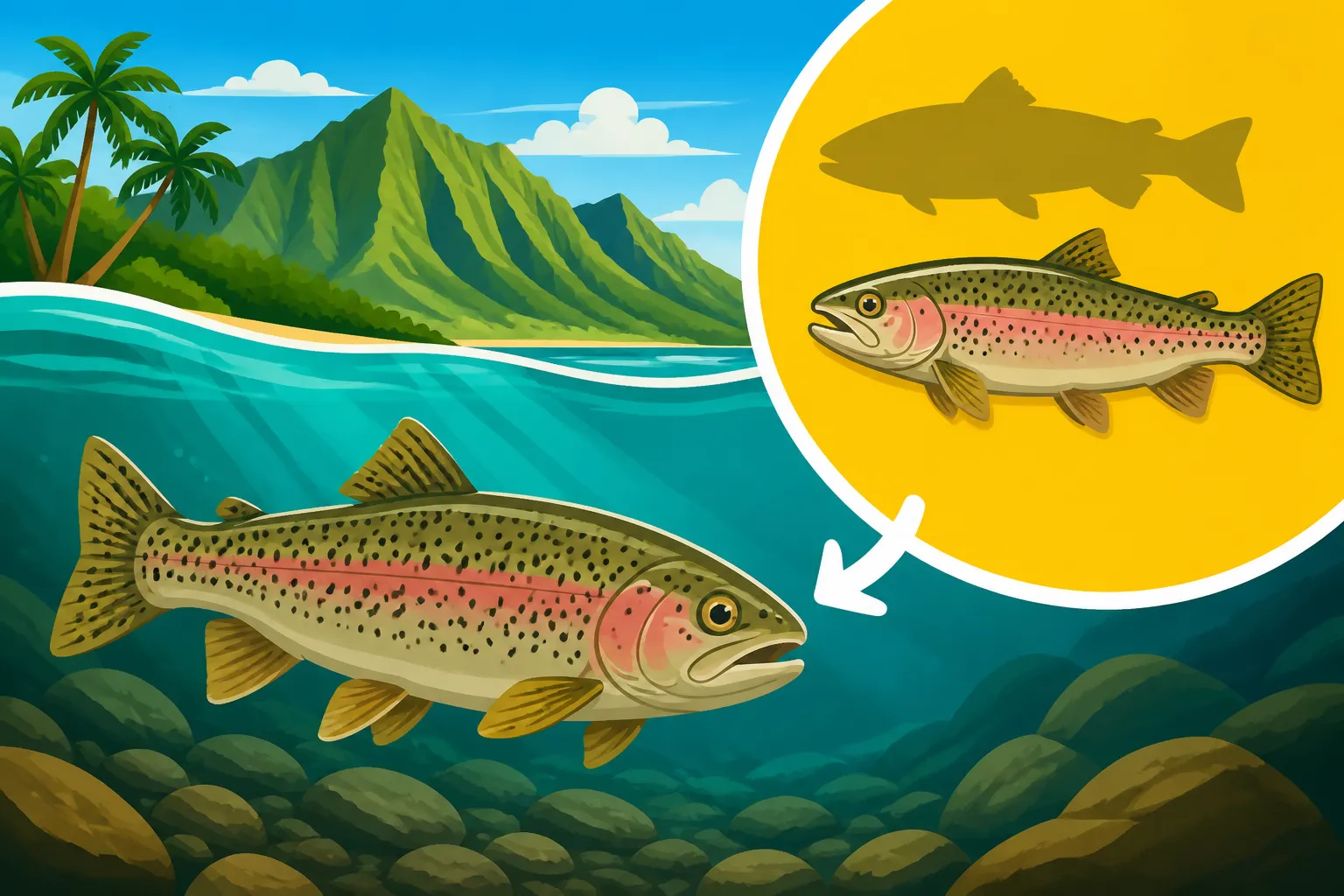
At its most basic, a "holdover trout" is simply a trout that has survived beyond its initial stocking period and the typical fishing season. Think of it this way: fisheries often stock trout, usually younger, smaller fish, at certain times of the year to enhance angling opportunities. Many of these fish are caught shortly after being introduced, or they might not survive the natural rigors of the environment. A holdover, however, beats the odds. It has successfully adapted, found food, avoided predators, and endured through leaner times or adverse conditions.
These aren't just any trout; they're the survivors, the ones that have grown wiser and often larger than their recently stocked counterparts. They've spent more time in the wild, learning the rhythms of their adopted home. For an angler, encountering a holdover trout is often seen as a significant achievement, a testament to skill and persistence, because these fish are generally much warier and more challenging to catch. They're not just waiting to be caught; they're actively living and thriving.
The Unique Challenge for Trout in Hawaii
Hawaii isn't exactly famous for its trout streams, and that's precisely what makes the concept of a holdover trout here so fascinating. The primary, in fact, almost only, place to find rainbow trout in Hawaii is within the Kokee Public Fishing Area Guide on Kauai. This isn't a vast, sprawling network of cold mountain rivers like you'd find on the mainland. Instead, it's a specific, managed fishery.
The conditions in Kokee, while suitable for trout, are still a far cry from their native, colder habitats. Temperatures can fluctuate, and food sources, while present, might not always be abundant enough to support massive populations of large, wild-reproducing trout. Because of these unique environmental pressures, the presence of holdover trout in Kokee is a strong indicator of a fish's resilience and adaptability. It means these fish have found the cooler pockets, the richer feeding grounds, and have truly acclimated to their tropical mountain home. This makes the hunt for them even more rewarding, as they represent the very best of what Hawaii's freshwater trout fishery has to offer. The notion of a trout "holding over" in a place known for its warm, azure waters adds a layer of magic and challenge to the angling experience.
Why Holdover Trout Matter to Anglers in Hawaii
Beyond the academic definition, holdover trout hold a special significance for the anglers who pursue them. It’s not just about catching a fish; it’s about catching that fish – the one that defied expectations and grew into something truly special.
The Thrill of the Catch
Let’s be honest, there’s an undeniable thrill in hooking into a larger, more powerful fish. Recently stocked trout, especially those fresh from a hatchery, can sometimes be a bit… predictable. They're often eager to bite, and while fun, they might not offer the same kind of spirited fight as a fish that's been surviving on its wits for months, if not years.
Holdover trout are different. They've spent more time in the natural environment, honing their instincts. They're typically larger, stronger, and more aggressive. When you hook a holdover in the streams or reservoirs of Kokee, you're not just reeling in dinner; you're engaging in a battle with a fish that has evolved to avoid capture. Their runs are longer, their dives deeper, and their tactics for escaping are often more sophisticated. This translates into an exhilarating fight that demands more skill, patience, and a well-tuned tackle setup. Many anglers describe the experience of landing a holdover as a truly memorable event, a true test of their angling prowess against a wilder, more capable opponent. It's the kind of story that gets shared around the campfire for years to come.
Impact on Local Fisheries Management
The presence, or indeed the absence, of holdover trout provides crucial insights for Hawaii's Division of Aquatic Resources (DAR), which manages the Rainbow Trout: Hawaii's Only Freshwater Trout Fishery. These fish are living indicators of the health and carrying capacity of the Kokee Public Fishing Area. If a significant number of trout are successfully holding over and growing, it suggests that the habitat is providing adequate food, shelter, and suitable water conditions throughout the year.
Conversely, a lack of holdovers might signal environmental stressors, such as insufficient food, increased predation, or water quality issues. This information is vital for fine-tuning stocking programs, adjusting fishing regulations, and implementing conservation strategies. For instance, if holdovers are scarce, the DAR might consider altering stocking densities, exploring different trout strains, or implementing habitat improvement projects. Understanding the dynamics of holdover populations helps ensure the long-term sustainability of this unique fishery, allowing future generations of anglers to enjoy the sport. It's a delicate balance, and holdovers are a key part of that ecological puzzle.
Identifying and Targeting Hawaii's Holdover Trout
So, you're convinced. You want to try your luck at finding one of these elusive Hawaiian holdover trout. But how do you spot them, and what does it take to actually get one on the line? It's a combination of keen observation and refined angling techniques.
Physical Characteristics of Holdovers
One of the most exciting aspects of catching a holdover is that they often look different from their newly stocked brethren. If you're used to the appearance of hatchery fish, you'll notice some distinct changes in a trout that's spent a good amount of time in the wild.
- Coloration: Holdovers tend to develop deeper, more vibrant, and often darker colors. Hatchery fish can sometimes appear paler or more uniform. A holdover might display richer olive greens, deeper browns, and more pronounced spots, helping them blend into their natural surroundings. Their fins might also show more defined edges and stronger pigmentation.
- Fins: This is a big one. Hatchery-raised trout, especially if crowded, can sometimes have fins that are worn, frayed, or even stunted due to rubbing against concrete raceways or other fish. Holdovers, having lived in a natural environment, typically have pristine, fully formed fins. Their dorsal, caudal (tail), and pectoral fins will be sharp-edged, robust, and often larger in proportion to their body, reflecting their need for strong swimming and maneuvering.
- Body Shape: While not always universal, many holdovers will develop a more streamlined, muscular body shape compared to some hatchery fish that might be a bit chunkier or less athletic-looking. This is because they've been actively hunting for food and fighting currents, leading to a leaner, more powerful physique.
- Overall "Wild" Appearance: There's an intangible quality to a holdover, a certain wildness in their eyes and demeanor. They just look like they belong in the stream, not a tank.
Recognizing these subtle differences can make the moment you land one even more satisfying, knowing you've truly caught a fish that has earned its stripes.
Strategies for Locating Holdovers
Holdover trout aren't going to be swimming in the same obvious spots as the recently stocked fish. They’ve learned discretion and seek out prime real estate. If you’re fishing the Hawaii Kokee rainbow trout season opening date, you'll see plenty of activity, but finding holdovers requires a different approach.
Here's where you're more likely to find them:
- Deeper Pools: Holdovers will gravitate towards deeper pools where they feel more secure and can escape predation. These pools often have slower currents, providing a resting area, but are still close enough to faster-moving water for feeding.
- Undercut Banks and Overhanging Vegetation: These provide excellent cover, both from aerial predators and from the watchful eyes of anglers. Fish often lie in wait under these banks, ambushing prey.
- Complex Structure: Submerged logs, large rocks, and other natural debris create current breaks and hiding spots. Holdovers will use these structures to their advantage. Look for eddies and seams where food might naturally collect.
- Cooler Water: Even in Kokee, trout will seek out the coolest water available, especially during warmer periods. This might be in deeper sections, areas fed by cold springs, or shaded stretches of the stream.
- Less Frequented Areas: While access in Kokee is generally good, the holdovers are less likely to be found in the most easily accessible spots. Be prepared to hike a bit, navigate some brush, or explore further upstream to reach less pressured waters. Always remember to check Reading the Hawaii DLNR Fishing Regulations for any specific area restrictions.
Patience is your best friend. Spend time observing the water before casting. Look for subtle signs of fish activity, or just the ideal habitat where a wary trout might be hiding.
Recommended Gear for Holdover Trout
Because holdovers are warier and often larger, you'll want to adjust your gear accordingly. While light tackle is still the name of the game for trout, a slight upgrade in strength can make all the difference.
- Rod and Reel: A light to ultralight spinning rod, typically 5 to 7 feet in length, paired with a small spinning reel (size 1000 or 2000) is ideal. Look for a rod with a fast action tip for sensitivity but enough backbone to handle a fighting fish. You can find excellent options for sensitive yet durable rods and reels on platforms like Amazon, ensuring you get quality gear delivered right to your door before your trip.
- Line: Spool your reel with 4 to 6 lb test monofilament or fluorocarbon line. Fluorocarbon is a fantastic choice for holdovers because it's nearly invisible underwater, which is crucial when targeting wary fish in clear Hawaiian streams. You might even consider a very thin braided line with a fluorocarbon leader for added sensitivity and casting distance.
- Terminal Tackle:
- Hooks: Stick with smaller, sharp hooks, usually sizes 8 to 14, depending on your bait. Barbless hooks are highly recommended for catch-and-release, which is often practiced with holdovers.
- Weights: Use split shot or small, removable weights to get your bait or lure down to the strike zone. Keep them as light as possible to maintain a natural presentation.
- Leaders: A fluorocarbon leader of about 2-4 lb test, 18-36 inches long, tied to your main line (if using braid or mono) can significantly increase your bites from discerning holdovers.
- Baits and Lures: Holdovers have seen it all, so think natural and subtle.
- Natural Baits: Live worms, crickets, grasshoppers, or even salmon eggs can be incredibly effective. Consider what insects might naturally fall into the water from the surrounding vegetation.
- Small Spinners and Spoons: Classic trout lures like Panther Martins, Mepps, or small Kastmasters in natural colors (gold, silver, black) or those mimicking local forage (e.g., green, brown) can entice a strike.
- Soft Plastics: Tiny soft plastic worms, grubs, or imitation insect larvae fished under a float or on a small jig head can be deadly. Look for realistic presentations you might find on Amazon.
- Flies: If you’re a fly angler, smaller nymphs, dry flies (imitating local insects), and even small streamers can be very effective, especially for fish in clear, moving water.
Remember, presentation is key. A natural, subtle drift of your bait or lure is often more important than the specific item itself when trying to fool a seasoned holdover trout.
| Characteristic | Recently Stocked Trout | Holdover Trout |
|---|---|---|
| Coloration | Often paler, more uniform, hatchery-specific patterns | Deeper, richer, more vibrant, natural camouflage |
| Fin Condition | Can be worn, frayed, or stunted | Pristine, fully formed, strong, well-defined |
| Body Shape | Can appear chunkier, less athletic | More streamlined, muscular, athletic |
| Behavior | Less wary, more aggressive feeders, often school | Wary, selective, territorial, often solitary |
| Size | Typically smaller, uniform in size | Generally larger, more varied in size, can be trophy-sized |
| Fight | Can be good, but often less sustained | Stronger, longer, more unpredictable runs |
| Habitat Preference | Often near stocking points, open areas | Deeper pools, undercut banks, complex cover, less pressured spots |
Conservation and the Future of Hawaii's Trout Fishery
The pursuit of holdover trout isn't just about the personal satisfaction of a challenging catch; it's also deeply intertwined with the responsibility of preserving this unique fishery for generations to come. In a place like Hawaii, every fish caught, especially a holdover, is a precious resource.
Practicing Catch and Release
For many anglers targeting holdovers, especially the larger, more mature specimens, catch and release is not just a recommendation—it's a philosophy. These are the fish that have proven their ability to survive and thrive, and their continued presence is vital for the health and potential natural reproduction of the fishery. Even though Kokee is primarily a put-and-take fishery, allowing some of these larger, smarter fish to remain can help pass on valuable survival traits.
If you do decide to practice catch and release, do so with the utmost care:
- Minimize Handling: Try to keep the fish in the water as much as possible. If you must handle it, do so with wet hands to protect its slime coat, which is crucial for disease resistance.
- Remove Hooks Gently: Use needle-nose pliers or a de-hooking tool to quickly and cleanly remove the hook. If the fish is deeply hooked, it may be better to cut the line as close to the hook as possible rather than causing further trauma.
- Revive Thoughtfully: Hold the fish gently in the water, facing into the current, until it regains its strength and can swim away on its own. Don't just toss it back; ensure it's ready to fight another day.
- Consider Barbless Hooks: Using barbless hooks makes hook removal much easier and less damaging to the fish, increasing its chances of survival. You can often find these, or even tools to crimp barbs on regular hooks, on Amazon.
By prioritizing the well-being of these fish, we ensure that the thrill of pursuing holdovers can continue.
Supporting Hawaii's Freshwater Resources
The existence of a viable trout fishery in Hawaii is a testament to dedicated conservation efforts and thoughtful management. As anglers, we play a crucial role in supporting these freshwater resources.
- Follow Regulations: Always be aware of and adhere to the Hawaii Fishing Regulations Explained, specifically those pertaining to Kokee, such as bag and size limits, season dates (check Hawaii Kokee Trout Fishing Season Dates), and any gear restrictions. Ignorance of the law is never an excuse, and these rules are in place to protect the fishery.
- Obtain Proper Licenses: Make sure you have the necessary Hawaii Freshwater Game Fishing License Cost before you cast a line. The fees from these licenses directly support the management and stocking programs that sustain the fishery. You can often buy these licenses online, which is super convenient!
- Practice "Leave No Trace": Pack out everything you pack in, and perhaps even a little more. Keep the stream banks and surrounding areas clean. Litter can harm wildlife and detract from the natural beauty of the environment.
- Report Concerns: If you observe any illegal fishing activity, pollution, or anything that seems detrimental to the fishery, report it to the Hawaii Division of Aquatic Resources. They are the frontline stewards of these precious resources.
- Educate Others: Share your knowledge and passion for responsible angling with fellow fishermen, especially new or younger anglers. Teach them the importance of holdovers and why conservation matters. The Difference between wild and stocked trout at Kokee is a great topic to share.
By being responsible and engaged stewards, we can help ensure that Hawaii's unique freshwater trout fishery, and the challenging holdover trout within it, remain a thriving part of the islands' outdoor heritage for years to come.
Disclaimer
This article is for general informational purposes only and does not constitute professional advice. Laws, prices and regulations vary by location and change over time. Consult a qualified professional for guidance on your specific situation.