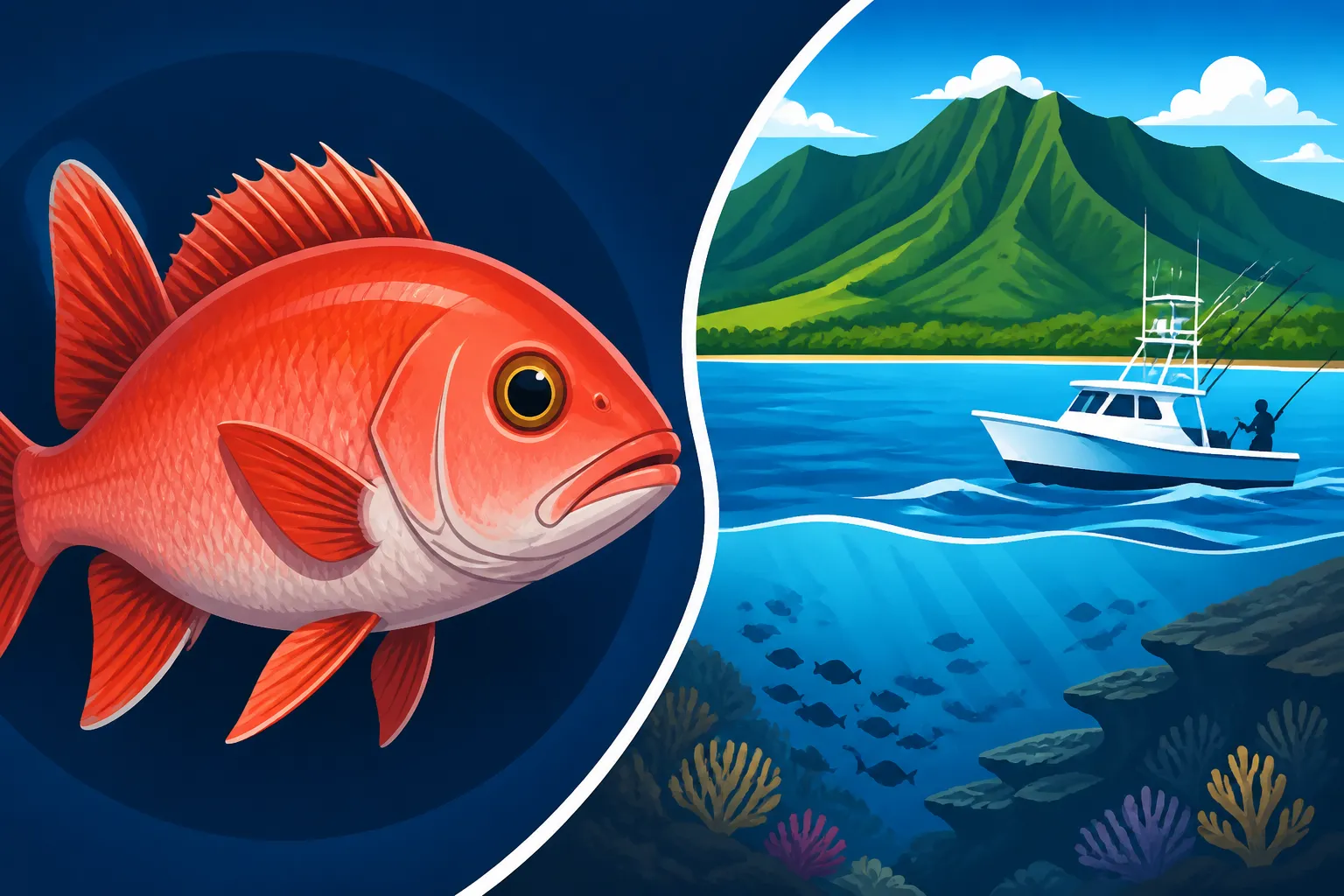
What opakapaka look like and where they live
If you've spent any time on the Hawaiian Islands, you've likely heard hushed, reverent tones whenever the word "opakapaka" comes up. This isn't just another fish; it's a prized deep-water snapper, a true culinary gem, and a challenging catch for even the most seasoned angler. But for many, understanding what this elusive creature looks like and where it calls home in the vast Pacific can feel like a mystery. This guide aims to clear up that confusion, offering a detailed look at the distinctive features and deep-sea haunts of Hawaii's magnificent opakapaka.
The Distinctive Appearance of Opakapaka
Opakapaka, often referred to as Pink Snapper, is one of Hawaii's most sought-after bottomfish, renowned for its delicate flavor and beautiful presentation. Its appearance is a clear indicator of its deep-water existence, adapted for life in the darker, cooler depths. Understanding these visual cues can help you identify this prized fish if you're lucky enough to encounter one, whether fresh from the boat or at your local fish market.
Key Physical Characteristics
The most striking feature of the opakapaka is its stunning coloration, which truly earns its "Pink Snapper" moniker. These fish typically display a vibrant pinkish-red hue on their upper body, which fades to a lighter pink or silvery-white on their belly. This coloring isn't just for show; it's a form of camouflage in the dimly lit deep-sea environment, making them harder to spot against the rocky bottom or suspended in the water column. The intensity of their pink can vary slightly depending on their specific habitat depth and diet, with some appearing more reddish and others a softer rose.
Beyond color, the opakapaka possesses a fusiform, or torpedo-shaped, body that is laterally compressed, meaning it's somewhat flattened from side to side. This sleek body plan is efficient for moving through the water column and navigating complex reef structures. They have relatively large eyes, which are characteristic of many deep-dwelling fish, helping them gather what little light penetrates to their habitat. Their mouth is moderately sized with small, sharp teeth, perfect for grasping the smaller fish and crustaceans that make up their diet. Their dorsal fin is continuous, running along the back, and their caudal (tail) fin is forked, providing strong propulsion for bursts of speed.
You'll also notice distinct scales that cover their body, giving them a slightly rough texture. While their overall appearance is graceful, these physical adaptations make them incredibly efficient predators and survivors in the demanding deep-water environment. Anglers often appreciate the pristine condition of these fish when brought to the surface, their vibrant colors holding true, a testament to their deep-sea origins. Looking at a collection of Hawaiian fish species, the opakapaka definitely stands out with its signature pink.
Size and Growth
Opakapaka are generally considered a medium to large snapper species, making them a substantial catch. While they are often caught when they're in the 5 to 10-pound range, a truly respectable opakapaka will often weigh between 15 and 25 pounds. Imagine the thrill of reeling in one of these beauties; it's a moment that stays with you! The fight itself is quite something, as their deep-water resilience translates to strong, determined runs once hooked.
It's not uncommon for these fish to grow even larger, with some specimens reaching upwards of 30 pounds, though these are considered trophy catches. The maximum recorded size can push towards 40 pounds or more, but catches of this magnitude are quite rare and celebrated by the local fishing community. The growth rate of opakapaka, like many deep-water species, tends to be slower than their shallower-dwelling cousins, meaning the larger fish you encounter have likely been navigating the ocean depths for many years.
Their longevity is a testament to their adaptability, but it also highlights the importance of sustainable fishing practices. A large opakapaka has had many opportunities to contribute to the next generation, making their continued presence in our waters a community effort. Understanding these size ranges not only helps in identifying the fish but also in appreciating the effort and patience required to land such a magnificent creature.
The Deep-Sea Domain of Opakapaka
Opakapaka are true denizens of the deep, preferring specific types of underwater terrain that provide both shelter and abundant food sources. Their habitat is not easily accessible, adding to the challenge and allure of targeting this species. Understanding their preferred environment is crucial for anyone hoping to locate these prized bottomfish.
Preferred Habitat and Depth
If you're looking for opakapaka, you'll need to think deep – really deep. These fish are typically found in depths ranging from about 180 feet (around 30 fathoms) down to 600 feet (100 fathoms) or even deeper, sometimes pushing beyond 1,000 feet. They are not shallow-water reef dwellers; instead, they prefer the complex, rugged topography of the outer reef slopes, submarine pinnacles, seamounts, and deep ledges. These underwater structures create currents that bring nutrient-rich waters and baitfish, making them prime feeding grounds.
Imagine fishing over a submerged mountain range, where sudden drop-offs and rocky outcroppings create perfect hiding spots for predators like opakapaka. They tend to congregate around these features, often in schools, but sometimes individuals are found patrolling the edges of their preferred territory. The water temperature at these depths is significantly cooler and more stable than surface waters, which is another factor in their preference for this habitat. When you're dropping lines for these fish, you're targeting specific areas identified by sonar, looking for those tell-tale bumps and ledges on the ocean floor.
Local knowledge and advanced sonar equipment are invaluable for pinpointing these specific deep-water structures. Many experienced captains will spend considerable time surveying potential spots before even dropping a line, knowing that success often hinges on finding the perfect underwater real estate. It's a testament to the sophistication of modern bottomfishing techniques for Hawaii that anglers can effectively target these deep-dwelling species.
Geographic Distribution Around Hawaii
Opakapaka are widely distributed throughout the Hawaiian archipelago, but certain areas are particularly renowned for consistent catches. The offshore waters around the main Hawaiian Islands, including the Big Island (especially the Kona Coast), Maui, Oahu, and Kauai, all hold healthy populations. These islands provide the necessary deep-water shelf and extensive underwater topography that opakapaka thrive in.
The Kona Coast of the Big Island, for example, is famous not just for its marlin fishing but also for its accessible deep-water fishing grounds relatively close to shore. The steep volcanic slopes extend deep into the ocean, creating perfect habitat for various bottomfish, including opakapaka. Similarly, the waters off Maui and Oahu also boast productive deep-sea areas. For those interested in pursuing these species, a good charter often knows the local hot spots and can navigate to these specific deep-sea structures. You can find excellent options if you're looking for Best Bottomfishing Charters in Hawaii to experience this for yourself.
It's important to remember that while they are found around all the main islands, the precise locations can be quite specific – a particular seamount, a specific drop-off along a ledge, or a distinct rock pile. These aren't fish you simply stumble upon close to shore. Their presence signifies healthy deep-sea ecosystems, and their continued abundance is a good indicator of the overall health of Hawaii's marine environment.
Behavior, Diet, and Life Cycle
Understanding how opakapaka behave, what they eat, and their life cycle gives us a deeper appreciation for these incredible fish. It also helps anglers develop more effective strategies for targeting them, reinforcing why they are such a prized catch.
Feeding Habits and Diet
Opakapaka are active predators, and their diet primarily consists of smaller fish, crustaceans, and cephalopods. They are opportunistic feeders, meaning they'll take advantage of whatever suitable prey is available in their deep-water environment. Common items in their diet include small squid, shrimp, crabs, and a variety of small to medium-sized reef and pelagic fish that venture into their depths. Their moderately sized mouth and sharp teeth are well-suited for grasping and holding onto these prey items.
They often hunt in schools, especially when they are younger or of moderate size, making them more efficient at cornering baitfish. As they grow larger, they might become more solitary or hunt in smaller groups. They rely on their keen eyesight, adapted for low-light conditions, and their lateral line system to detect vibrations and movements of prey in the dark depths. When an opakapaka strikes a bait, it’s usually with a confident, strong bite, a testament to their predatory instincts. Many anglers use cut bait or whole small fish when targeting opakapaka, mimicking their natural food sources. You might find specialized baits and rigs on sites like Amazon, specifically designed for deep-drop fishing.
This predatory nature is why bait presentation is so critical when fishing for them. Anglers often use fresh, local bait, such as opelu or squid, carefully rigged to appeal to their discerning tastes. The deeper water environment means less light, so scent and movement play a significant role in attracting their attention.
Spawning and Reproduction
The life cycle of opakapaka, like many deep-sea species, involves a fascinating journey from tiny larvae to mature adults. Opakapaka are broadcast spawners, meaning females release their eggs and males release sperm into the water column, where fertilization occurs externally. The timing of their spawning can vary, but generally, it's thought to occur over several months, often peaking during warmer periods. They typically reach sexual maturity at a few years of age, though the exact timing can depend on environmental factors and individual growth rates.
Once fertilized, the eggs are pelagic, meaning they float freely in the open ocean currents. These tiny eggs hatch into larvae, which are microscopic and drift with the plankton. This larval stage is a critical period, as survival rates are low due to predation and environmental challenges. The larvae eventually develop into juveniles, which then begin to settle into suitable deep-water habitats. As they grow, they gradually transition to the adult form, taking on the distinctive pink coloration and predatory habits.
The resilience of opakapaka populations depends heavily on successful spawning and the survival of these early life stages. Factors like ocean currents, water temperature, and the availability of food for larvae all play a role in the health of the species. Because these fish are long-lived and slow-growing, it underscores the need for careful management to ensure their populations remain robust for future generations. For more general information on Opakapaka (Pink Snapper) Habits, it's clear they are a fascinating species.
Fishing for Opakapaka: Tips and Regulations
Catching opakapaka is a rewarding experience, but it requires specialized gear and a good understanding of deep-water fishing techniques. It also means respecting the regulations in place to ensure these populations thrive.
Common Fishing Methods
Targeting opakapaka primarily involves deep-dropping techniques due to their extreme depths. This isn't your casual shoreline fishing; you're talking about deploying lines hundreds of feet down, sometimes even a quarter-mile! This usually necessitates heavy-duty conventional reels, often electric reels, spooled with braid line that has minimal stretch, allowing anglers to feel subtle bites from such profound depths. Long, stout rods are paired with these reels to handle the heavy weights required to get bait to the bottom and to fight these strong fish.
Anglers typically use multi-hook rigs with several baited hooks (squid, cut fish, or even live bait if available) staggered along the leader. The weight at the bottom is substantial, sometimes several pounds, just to keep the bait in place against deep-water currents. Once the bait hits the bottom, the technique involves slowly reeling up a bit, then letting it drop, jigging it gently, or simply letting it soak, waiting for that tell-tale tap or pull. Detecting a bite at 500 feet requires immense focus and sensitivity, which is where the braid line really shines. You can find a vast array of specialized deep-sea fishing tackle and heavy-duty electric reels on platforms like Amazon, if you're looking to equip yourself.
Many charters specifically focus on bottomfishing, providing all the necessary gear and expertise. These pros have spent countless hours mapping the ocean floor and learning the nuances of deep-dropping in Hawaiian waters, greatly increasing your chances of success. They understand the patterns and behaviors of various deep-sea dwellers, making them invaluable resources.
Conservation and Management
Because opakapaka are a highly prized and slow-growing species, their populations require careful management to ensure sustainability. Various regulations are in place to protect them, which typically include minimum size limits, bag limits (the number of fish you can keep per day), and sometimes seasonal closures or restricted areas. These rules are designed to allow fish to reach reproductive age and to prevent overfishing.
Anglers are strongly encouraged to be familiar with and strictly adhere to all current Hawaii Bag and Size Limits by Species for opakapaka and other bottomfish. These regulations are periodically updated based on scientific assessments of fish stocks, so staying informed is key. The goal is to balance the interests of recreational and commercial fishermen with the long-term health of the opakapaka population. Sustainable practices, such as proper catch and release techniques for undersized fish, are also important for those rare instances when a fish needs to go back.
The Hawaii Division of Aquatic Resources (DAR) plays a crucial role in monitoring these fisheries and implementing conservation measures. By understanding and following these guidelines, every angler contributes to the health of Hawaii's marine ecosystems and ensures that future generations can continue to enjoy the thrill of catching this magnificent deep-water snapper. It's a collective responsibility that we all share as stewards of the ocean.
| Feature | Description | Why it Matters |
|---|---|---|
| Coloration | Vibrant pink to reddish on top, fading to silvery-white on the belly. | Signature identification, camouflage in deep water. |
| Body Shape | Fusiform (torpedo-shaped), laterally compressed. | Efficient for deep-water movement and navigation. |
| Eyes | Relatively large. | Adapted for low-light conditions in the deep ocean. |
| Mouth/Teeth | Moderately sized mouth with small, sharp teeth. | Suited for catching and holding small fish, squid, and crustaceans. |
| Habitat | Deep waters (180-1000+ feet) around outer reef slopes, pinnacles, ledges. | Requires specialized deep-dropping gear; indicates preferred fishing locations. |
| Diet | Small fish, squid, shrimp, crabs. | Guides bait selection for effective fishing. |
Disclaimer
This article is for general informational purposes only and does not constitute professional advice. Laws, prices and regulations vary by location and change over time. Consult a qualified professional for guidance on your specific situation.