How long marlin live
It's completely natural to wonder about the lifespans of the incredible creatures we chase in the ocean, especially something as powerful and majestic as a marlin. These are not your average fish; they're apex predators of the deep, and their very existence seems to defy the limits of what a fish can be. This guide is going to take a deep dive into the fascinating world of marlin longevity, exploring how long these magnificent billfish can actually live, and what factors in their Hawaiian home contribute to their impressive years.
Understanding Marlin Lifespans: The Big Picture
When we talk about how long marlin live, it's not a simple, single answer that applies to every fish of every species. Think of it like humans – some live to a ripe old age, others, sadly, have shorter journeys. Marlin, especially the giants like blue marlin, are built for speed and power, and they roam vast stretches of the open ocean. This nomadic lifestyle, combined with their position at the top of the food chain, gives them certain advantages for survival, but also exposes them to various risks.
The truth is, studying the exact lifespan of a wild, oceanic creature like a marlin is incredibly challenging. They don't wear ID tags, and they certainly don't fill out census forms! Scientists rely on a lot of clever methods to estimate their age, which we'll get into a bit later. What we do know is that these fish are long-lived compared to many other marine species, a testament to their evolutionary success. They spend years growing, migrating, and reproducing, contributing to the health of the pelagic ecosystem.
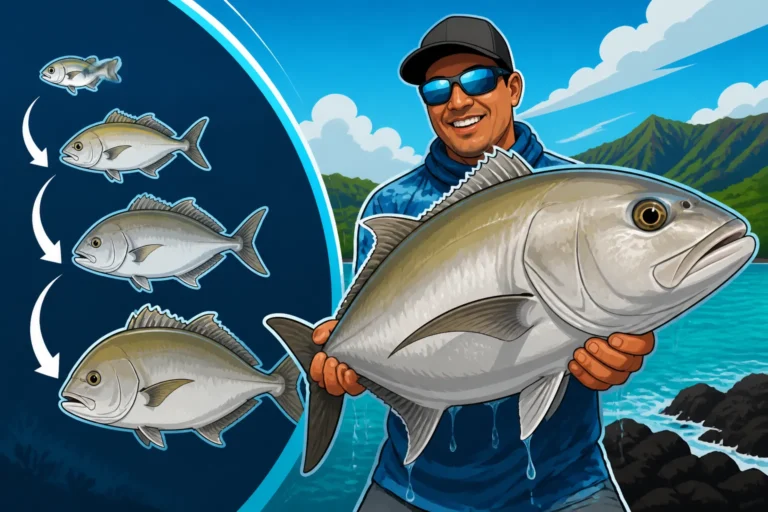
Their rapid growth in their early years can sometimes be misleading. A young marlin can put on an incredible amount of weight and size in a short period, which might make you think they reach maturity and die off quickly. However, once they hit that impressive adolescent stage, their growth rate tends to slow down, and they continue to pack on muscle and size over many more years. It's truly humbling to think about the journey a truly massive marlin has undertaken in its lifetime.
Factors Influencing Marlin Longevity
Several intertwined factors play a significant role in determining how long a marlin will grace the Hawaiian waters and beyond. It’s a complex dance between their natural environment, their genetic makeup, and, yes, human interaction. Understanding these elements gives us a fuller picture of their existence.
Environmental Conditions and Habitat
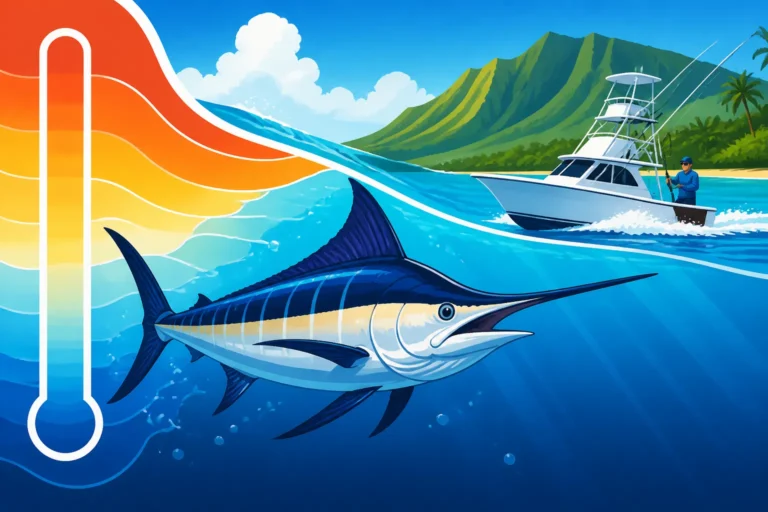
Marlin thrive in the warm, nutrient-rich waters of the open ocean, like those off the Kona Coast. Their habitat offers vast hunting grounds, rich with baitfish and squid, which are essential for their growth and survival. However, the ocean is a dynamic place, and environmental shifts can impact them. Things like ocean temperature fluctuations, changes in current patterns, or the availability of their primary food sources can certainly affect their health and growth rates. A marlin living in consistently prime conditions with abundant food is likely to live a longer, more robust life than one struggling in less favorable circumstances.
Think about how What water temperature marlin prefer affects their behavior and distribution. If water temperatures stray too far from their ideal range for extended periods, it could force them to expend more energy seeking suitable conditions or less productive feeding grounds. This constant stress would naturally take a toll on their overall health and potentially shorten their lifespan. Even ocean acidity levels and oxygen depletion, subtle as they might seem to us on the surface, can have profound long-term impacts on a marlin's ability to thrive and reach its full potential age.
Predation and Natural Threats
While marlin are apex predators themselves, they aren't entirely immune to predation, especially when they are younger. Sharks, particularly larger species, can pose a threat to juvenile marlin or even injured adult fish. Beyond direct predation, diseases and parasites are natural threats that can affect any wild animal population, including marlin. A severe parasitic infestation or a widespread disease could weaken individuals, making them more vulnerable or directly causing mortality.
Of course, the biggest "natural" threat for a large, migratory fish like a marlin is often simply the vastness and unpredictability of the ocean itself. While they are powerful swimmers, extreme weather events, accidental entanglement in natural debris, or even just old age making them less efficient hunters can lead to a natural decline. However, compared to many other marine species, adult marlin, once they reach a formidable size, have relatively few natural enemies, allowing them to age gracefully if other factors align.
Fishing Pressure and Catch-and-Release Practices
Human interaction, particularly through fishing, undeniably impacts marlin populations and individual lifespans. While recreational marlin fishing in Hawaii, especially for species like the blue marlin, often emphasizes Marlin catch and release survival tips, mortality can still occur, even with the best intentions. Deep hooking, prolonged fight times, or improper handling at the boat can all contribute to post-release mortality.
On the commercial side, while targeted commercial marlin fishing might be limited in certain areas, marlin can still be caught as bycatch in other fisheries, sometimes using gear that is less conducive to live release. Regulations exist to manage these impacts, but it’s a constant challenge to balance fishing opportunities with conservation goals. Understanding Is It Legal to Release a Marlin You Catch in Hawaii? is crucial for all anglers, as responsible practices directly contribute to allowing more marlin to live out their natural lives and continue to reproduce. The more we prioritize the health of the fish and careful handling, the better chance these incredible creatures have of swimming another day.
Age Determination and Research Methods
So, how do scientists figure out the age of a fish that never sees a birthday cake? It's a question many anglers ask, especially when they marvel at the size of a fish caught off the Kona Coast. The methods are ingenious, relying on biological structures that record growth over time, much like tree rings.
Otoliths and Fin Spines
The primary way scientists determine the age of bony fish, including marlin, is by examining their otoliths, also known as "ear stones." These small, calcium carbonate structures are found in the fish's head and grow continuously throughout the fish's life, laying down annual growth rings, similar to the rings in a tree trunk. By carefully slicing, polishing, and then examining these otoliths under a microscope, scientists can count these rings to determine the fish's age. It's a precise, albeit destructive, method, as the fish must be harvested to retrieve the otoliths.
In addition to otoliths, other hard structures like fin spines can also contain growth rings. While perhaps not as accurate as otoliths for all species, fin spines can be sampled without sacrificing the entire fish, especially in a tag-and-release scenario. This makes it a valuable tool for research where conservation is paramount. Researchers often collect these samples from fish brought to the docks by sportfishing boats or from commercial landings. These biological samples provide invaluable data that helps us understand the population dynamics, growth rates, and ultimately, Marlin Growth Rate to Grander Size potential of these magnificent fish.
Tagging and Recapture Programs
Beyond physical examination, tagging programs are a cornerstone of marlin research. Researchers attach various types of tags to marlin before releasing them back into the ocean. Conventional tags are simple numbered tags, sometimes with contact information, that rely on anglers to report recaptures. When a tagged fish is caught again, the tag number, date, and location are recorded. By comparing the size of the fish at release and recapture, and the time elapsed, scientists can estimate growth rates and movement patterns.
More advanced methods include electronic tags, such as satellite tags or archival tags. These sophisticated devices record data like depth, temperature, and even the fish's approximate location over time. When a satellite tag surfaces, it transmits its stored data, giving scientists a direct insight into the marlin's journey and behavior over months or even years. These tags provide crucial information not only about age and growth but also about Ahi Migration Patterns Around Hawaii and marlin movement, which is essential for effective fisheries management. While retrieving data can be tricky with some tags, the information gained is invaluable for understanding the lives of these elusive giants. You can often find resources on these research programs, and even specialized tagging kits for scientific purposes, on platforms like Amazon if you're interested in the science behind it.
Comparing Marlin Species Lifespans in Hawaii
Hawaii is blessed with several species of marlin and related billfish, each with its own characteristics, including how long they tend to live. While they share the "marlin" moniker, there are distinct differences in their biology and typical lifespans.
Blue Marlin (Kajiki)
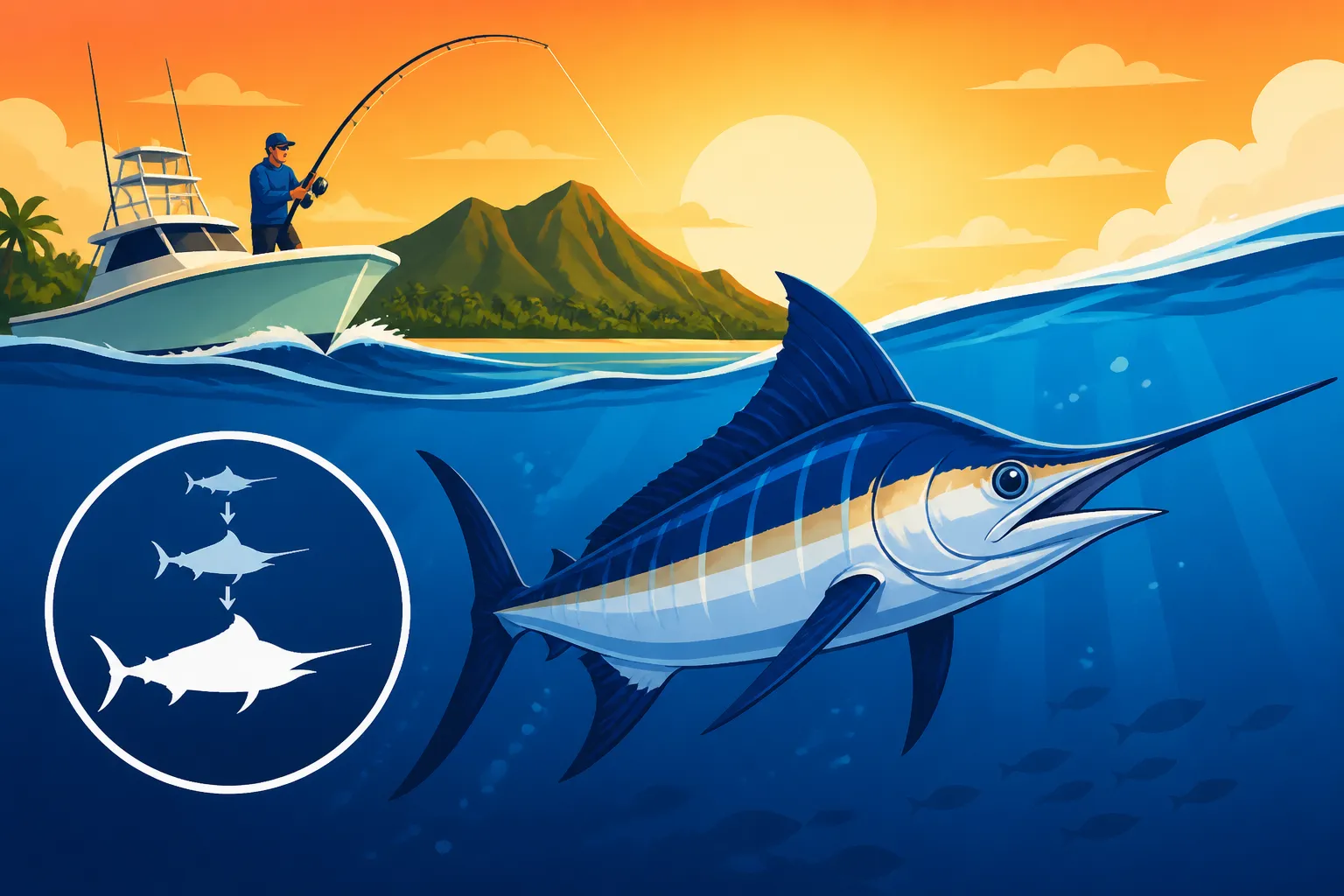
The blue marlin (Makaira nigricans) is arguably the most iconic billfish in Hawaii, especially off the Kona Coast. These are the true titans of the sea, capable of growing to enormous sizes. Females are significantly larger than males, with some "grander" blue marlin (over 1,000 pounds) being decades old. Research suggests that female blue marlin can live for around 20 to 25 years, possibly even longer in exceptional cases. Males, being much smaller, tend to have shorter lifespans, typically around 10-15 years.
Their impressive longevity is a key part of their life history. They mature relatively late, and their long life allows them many opportunities to spawn and contribute to the next generation. The larger and older females are particularly important for reproductive success, as they can produce vast quantities of eggs. When anglers hook into a large blue marlin, they're often encountering a fish that has been roaming the Pacific for a very long time, a true survivor of the ocean's depths. The majesty of these fish, their size, and their enduring presence are why so many anglers dream of Marlin Fishing off the Kona Coast.
Striped Marlin (Nairagi)
Striped marlin (Kajikia audax) are another beautiful species found in Hawaiian waters, often seen closer to shore than their blue marlin cousins, especially during certain seasons. They are generally smaller than blue marlin, though still impressive fighters. Their average lifespan is typically shorter than that of blue marlin, estimated to be around 10 to 12 years, with some individuals potentially reaching into their late teens.
The difference in lifespan often correlates with their maximum size and growth rate. Striped marlin grow quickly, reaching sexual maturity at a younger age than blue marlin. This faster life cycle means they don't typically attain the same colossal sizes or experience the extreme longevity of the biggest blues. For those interested in distinguishing between these two magnificent species, understanding Blue Marlin vs Striped Marlin Identification is key. Their vibrant stripes and more slender profile often set them apart, and their different lifespans are another interesting biological distinction.
Shortbill Spearfish (A'u)
The shortbill spearfish (Tetrapturus angustirostris) is the smallest of the marlin species commonly caught in Hawaii. Don't let their size fool you, though; they are incredibly acrobatic and feisty on light tackle. Due to their smaller size and faster metabolism, spearfish have the shortest lifespans among the marlin family, typically living for 4 to 6 years. While some might reach an age of 7 or 8 years, they are generally a short-lived, fast-growing species.
This rapid life cycle means they reach maturity quickly and reproduce more frequently within their shorter lifespan, which is a common strategy for smaller, faster-growing pelagic species. Their presence adds a thrilling dimension to Hawaii's diverse fishery, and while they may not live as long as their larger relatives, they certainly make the most of their time in the ocean. It's fascinating how different life strategies allow various billfish species to thrive in the same vast ocean environment, each playing its unique role.
Here's a quick comparison of the estimated average lifespans for these Hawaiian billfish species:
| Species | Estimated Average Lifespan (Years) | Max. Observed Lifespan (Years) | Typical Size (Hawaii) |
|---|---|---|---|
| Blue Marlin (Female) | 20-25 | 25+ | 200-1000+ lbs |
| Blue Marlin (Male) | 10-15 | 15+ | 50-250 lbs |
| Striped Marlin | 10-12 | 15-18 | 50-200 lbs |
| Shortbill Spearfish | 4-6 | 8-10 | 20-50 lbs |
It's important to remember that these are estimates based on scientific research and observations. The actual life of any individual fish can vary based on countless factors in its oceanic journey.
Disclaimer
This article is for general informational purposes only and does not constitute professional advice. Laws, prices and regulations vary by location and change over time. Consult a qualified professional for guidance on your specific situation.