Are Onaga Considered a Delicacy in Hawaii?
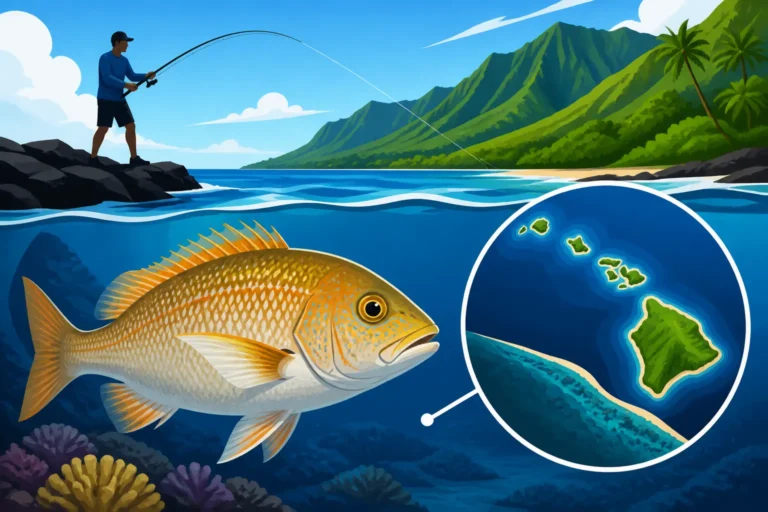
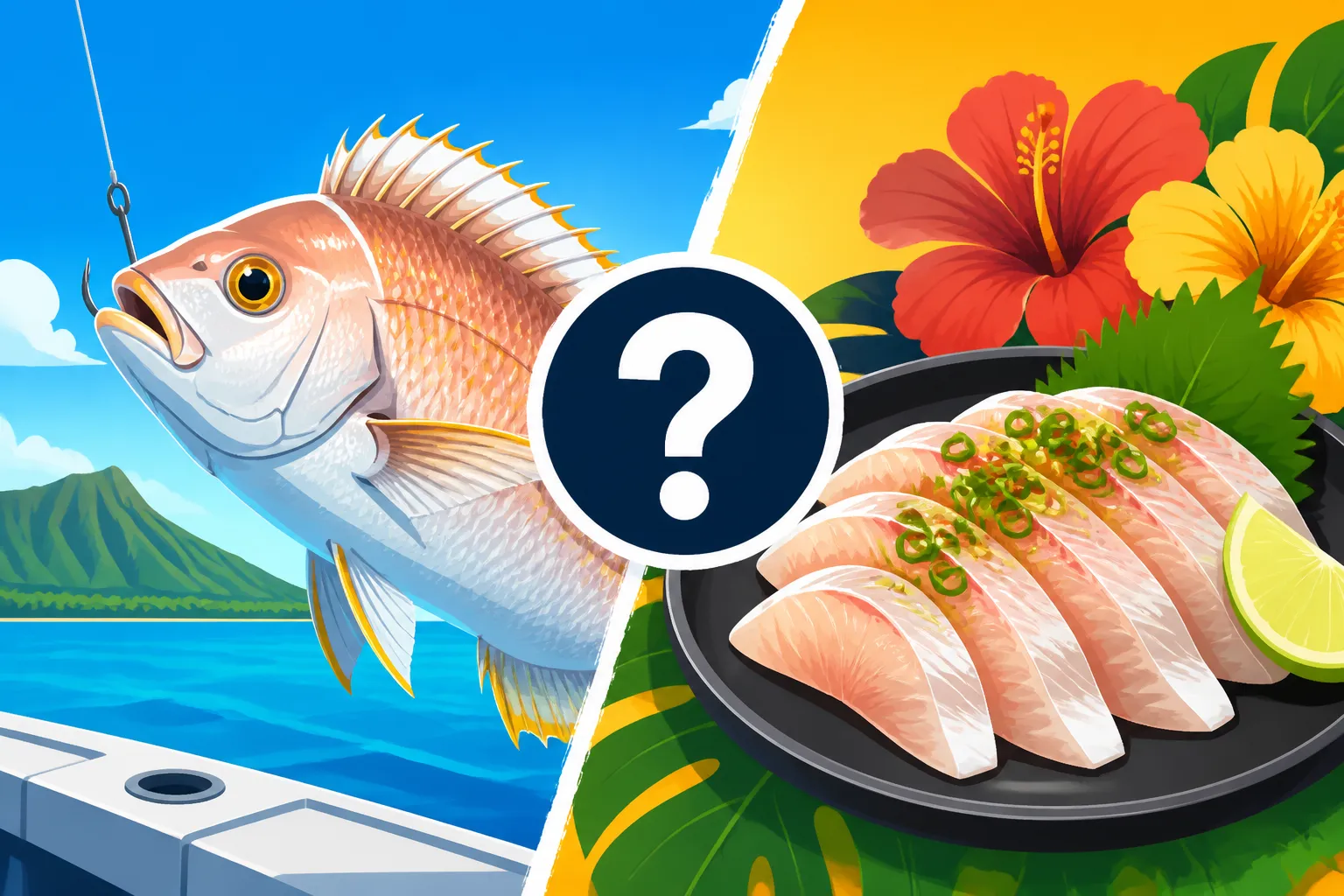
If you've spent any time looking at restaurant menus in Hawaii or talking to local fishermen, you've probably heard hushed, reverent tones whenever the name "Onaga" comes up. This stunning ruby-red snapper, pulled from the deep, dark waters surrounding our islands, is undeniably considered a delicacy here. It's not just another fish; it's a culinary experience, revered for its exquisite flavor and delicate texture, making it one of the most sought-after catches in Hawaii.
The Allure of Onaga: Why This Ruby Snapper is a Hawaiian Treasure
Onaga, also known as Longtail Red Snapper, isn't just a pretty face in the fish market; it holds a special place in the hearts and on the plates of those who appreciate fine seafood in Hawaii. Its reputation precedes it, often fetching premium prices and gracing the tables of the most discerning diners. But what exactly makes this deep-water dweller so incredibly special?
Distinctive Flavor Profile and Texture
The primary reason Onaga is elevated to such a high status is its incredible taste and melt-in-your-mouth texture. Unlike some stronger-flavored ocean fish, Onaga offers a delicate, sweet, and mild flavor that truly shines with minimal preparation. It's a clean taste, without being overly "fishy," making it appealing even to those who might typically shy away from seafood.
The flesh of the Onaga is firm yet incredibly tender, with large, succulent flakes that separate easily. When cooked, it retains its moisture beautifully, making it versatile for various culinary applications. Whether it's served as sashimi, gently steamed, or pan-seared, the natural qualities of the Onaga are always the star. You won't find yourself needing heavy sauces or strong marinades to mask any undesirable notes; instead, the best preparations enhance its inherent deliciousness. This delicate balance of flavor and texture is what sets it apart and cements its status as a true Hawaiian delicacy.
Rarity and Fishing Challenge
Part of Onaga's prestige also stems from its elusive nature and the inherent challenges involved in catching it. These fish aren't found in shallow reef waters; they inhabit deep, rocky bottoms, typically at depths ranging from 600 to 1,200 feet or more. This means specialized fishing techniques and equipment are required, which automatically adds to the cost and reduces its availability compared to shallower-dwelling species.
Fishermen targeting Onaga often employ deep-drop fishing methods, utilizing electric reels and heavy weights to get their lines down to where these magnificent fish reside. It's a time-consuming and labor-intensive process, often battling strong currents and the sheer distance to the ocean floor. The deep-water environment where they live also means that fewer boats are equipped or willing to pursue them, contributing to their scarcity. When you consider the effort, skill, and specialized gear required – much of which can be found on platforms like Amazon if you're outfitting your own deep-drop setup – it's easy to understand why fresh Onaga is a prized catch. This rarity, combined with the delicious taste, creates an undeniable mystique around the fish, making every successful catch a reason for celebration. Learning about the Onaga (Ruby Snapper) Habits helps one truly appreciate the difficulty in harvesting these deep-sea gems.
From Ocean Depths to Dinner Plates: Culinary Significance and Preparation
Once an Onaga is successfully brought to the surface, its journey from the deep ocean to a culinary masterpiece begins. Its delicate nature demands respect and specific preparation methods to truly honor its flavor and texture.
Traditional Hawaiian and Pacific Rim Dishes
In Hawaii, Onaga is celebrated in a variety of traditional and modern Pacific Rim dishes. One of the most common and revered ways to enjoy Onaga is simply as sashimi or poke. The raw flesh is absolutely stunning: translucent, firm, and bursting with that subtle, sweet ocean flavor. A skilled chef might slice it thinly and serve it with a light ponzu sauce or a whisper of ginger and shoyu, allowing the fish itself to be the star.
Beyond raw preparations, steaming is another popular method that preserves the fish's moisture and highlights its delicate taste. Steamed Onaga, often prepared "whole fish" style with ginger, green onions, and a touch of sesame oil and shoyu, is a staple at family gatherings and fine dining establishments alike. The gentle cooking allows the flesh to flake perfectly, absorbing just enough of the aromatic broth. Grilling or pan-searing with a light crust is also fantastic, providing a slightly crisp exterior while keeping the inside tender and juicy. No matter the method, the goal is always to enhance, not overpower, the natural qualities of the fish.
Sourcing Fresh Onaga: From Boat to Table
Getting your hands on truly fresh Onaga can be a bit of an adventure, even in Hawaii. Unlike more common reef fish, Onaga isn't something you'll always find in abundance at every grocery store fish counter. Most of the premium Onaga goes directly from the fishing boats to high-end restaurants or is sold quickly through local fish markets where demand often outstrips supply.
When you do find it, checking for vibrant red skin, clear eyes, and firm flesh is crucial. A fresh Onaga will practically glow with its ruby hue. Many local fishermen have a direct relationship with chefs or repeat customers, making truly "boat-to-table" sourcing a reality for those in the know. If you're looking to replicate some of these amazing dishes at home, consider investing in a good fish scaler and a sharp fillet knife, both readily available on Amazon, to ensure you can properly prepare your prized catch. For those adventurous enough to try Bottomfishing in Hawaii themselves, the reward of a fresh Onaga is unparalleled.
The Economics of Delicacy: What Makes Onaga So Prized and Pricey
The term "delicacy" often comes with a certain price tag, and Onaga is no exception. Its status is intrinsically linked to the economics of its harvest and the high demand it commands.
Deep-Water Habitat and Sustainable Fishing Practices
As we discussed, Onaga live in incredibly deep waters, making them challenging to catch. This isn't just about specialized gear; it also means more fuel, more time on the water, and often, smaller catches per trip compared to shallower fisheries. The specialized techniques like Best Techniques for Deep Drop Bottomfishing are precision operations that require skill and patience. These operational costs are directly reflected in the market price of the fish.
Furthermore, there's a growing emphasis on sustainable fishing practices in Hawaii. The deep-water species, while not as prolific as some shallower fish, are a precious resource. Regulations are in place to manage these fisheries, ensuring that populations remain healthy for future generations. This can sometimes mean limits on catch sizes or seasons, which further impacts availability and price. When you purchase Onaga, you're not just paying for a piece of fish; you're often contributing to a system that supports local fishermen and aims to protect the fragile deep-sea ecosystem. Understanding How deep bottomfish species live provides insight into why these efforts are so important.
Market Demand and Availability
Onaga's reputation as a delicacy creates an intense market demand, especially from high-end restaurants, hotels, and discerning consumers looking for that special meal. This demand often exceeds the supply, particularly for the freshest, highest-quality fish. As with any prized commodity, when demand is high and supply is limited, prices naturally climb.
You'll find Onaga prices can fluctuate based on the season, weather conditions (which affect fishing trips), and local events. During peak tourist seasons or holidays, the demand can be even higher. This combination of challenging harvest, limited supply due to deep-water habitats and sustainable practices, and consistent high demand from both locals and visitors solidifies Onaga's position as a premium seafood choice in Hawaii. For those looking to enjoy it at home, sometimes the best bet is to check with local fish markets early in the morning or cultivate a relationship with a trusted fishmonger. If you're a serious angler, ensure you have the best gear for deep dropping, checking out options for quality electric reels and lines on Amazon.
Onaga vs. The Rest: How it Stacks Up Against Other Prized Bottomfish
Hawaii is blessed with a bounty of incredible bottomfish, each with its own unique characteristics. While Onaga stands out, it's worth understanding how it compares to its deep-sea cousins.
Onaga vs. Opakapaka: A Tale of Two Snappers
When talking about Hawaiian bottomfish, Onaga and Opakapaka (Pink Snapper) are often mentioned in the same breath. Both are highly prized, beautiful, and delicious, but they do have distinct differences that make them unique. Opakapaka is another deep-water snapper, known for its pale pink flesh and slightly firmer texture than Onaga. Its flavor is also delicate and sweet, though some might argue it has a subtle richness that differs from Onaga's almost ethereal lightness.
Many chefs appreciate Opakapaka for its versatility in cooking, as it can hold up well to a wider range of preparations, including baking and broiling, without losing its integrity. While both are considered delicacies, Onaga typically commands a slightly higher price point and is often reserved for those truly special occasions or specific preparations where its unique delicacy can be fully appreciated, such as sashimi. Opakapaka is more widely available and still a fantastic choice, but Onaga often wins out for its unparalleled tenderness and pristine flavor. You can dive deeper into the differences by exploring Opakapaka (Pink Snapper) Habits.
Broader Bottomfish Delicacies
Beyond Onaga and Opakapaka, Hawaii's deep waters are home to other highly sought-after bottomfish, each contributing to the islands' rich culinary landscape. Species like Hapu'upu'u (Sea Bass or Grouper), Ehu (Red Snapper, smaller than Onaga), and the elusive Gindai (Pristipomoides amoenus) also grace the menus of top restaurants. Each has its own distinct texture and flavor profile, from the rich, buttery meat of Hapu'upu'u to the lean, flaky flesh of Ehu.
While all these species are cherished for their quality and the challenge of catching them, Onaga consistently ranks at the very top for its unique combination of delicate flavor, tender texture, and striking appearance. It's the "wow" factor fish, the one that often leaves a lasting impression. Anglers targeting these deep-sea wonders often refer to these combined species as the "Precious Seven" of Hawaiian bottomfish, and successfully jigging for them, as described in Jigging for Bottomfish in Hawaii, is a badge of honor among local fishermen.
| Fish Species | Common Name | Flavor Profile | Texture | Typical Depth (ft) | Culinary Reputation |
|---|---|---|---|---|---|
| Onaga | Longtail Snapper | Delicate, sweet, pristine | Very tender, large, succulent flakes | 600-1200+ | Highly prized, top-tier delicacy |
| Opakapaka | Pink Snapper | Mild, sweet, slightly richer | Firm, moist, flaky | 300-800 | Prized, versatile, excellent delicacy |
| Hapu'upu'u | Sea Bass/Grouper | Rich, buttery | Firm, dense, moist | 200-1000 | Excellent for roasting, hearty dishes |
| Ehu | Red Snapper | Mild, clean, slightly sweet | Fine, moist, flaky | 200-800 | Highly regarded, delicate |
| Uku | Gray Snapper | Firm, savory, slightly stronger | Firm, meaty | 100-300 | Great for grilling, poke, often raw |
| Kalekale | Pink Snapper | Mild, delicate, subtle sweetness | Delicate, fine flakes | 150-400 | Valued, similar to Opakapaka but smaller |
| Lehi | Squirrelfish Snapper | Rich, slightly sweet | Firm, somewhat oily | 300-600 | Good for grilling, smoking |
In conclusion, yes, Onaga is absolutely considered a delicacy in Hawaii. Its unparalleled delicate flavor, exquisite texture, and the challenging nature of its deep-water harvest all contribute to its esteemed status. It's a fish that embodies the spirit of Hawaii's ocean bounty, a true treasure from the deep that graces our tables with its ruby-red beauty and unforgettable taste. So, if you ever have the chance to savor fresh Onaga, know that you're experiencing one of the finest culinary offerings our islands have to offer.
Disclaimer
This article is for general informational purposes only and does not constitute professional advice. Laws, prices and regulations vary by location and change over time. Consult a qualified professional for guidance on your specific situation.