Best Guided Bonefishing Trips on Oahu
Navigating the vast, shallow flats of Oahu to find the elusive bonefish can feel like searching for a ghost in paradise if you're not armed with local knowledge. Many anglers, especially those visiting our beautiful islands, get frustrated trying to decipher tides, currents, and fish movements on their own. This guide is here to unravel that mystery, helping you discover the absolute best guided bonefishing trips on Oahu, ensuring your Hawaiian fishing adventure is both fruitful and unforgettable.
Why Oahu is a Bonefishing Paradise and a Challenge
Oahu, with its diverse coastline ranging from bustling cityscapes to tranquil, untouched stretches of reef and sand, offers some truly world-class bonefishing opportunities. These shallow water environments, known as "flats," are teeming with life, and for the savvy angler, the chance to hook into a hard-fighting Hawaiian bonefish, or oio as we call them here, is a powerful draw. However, don't let the beauty fool you; these fish are notoriously difficult to catch without a deep understanding of their habitat and behavior.
The Elusive "Ghost of the Flats"
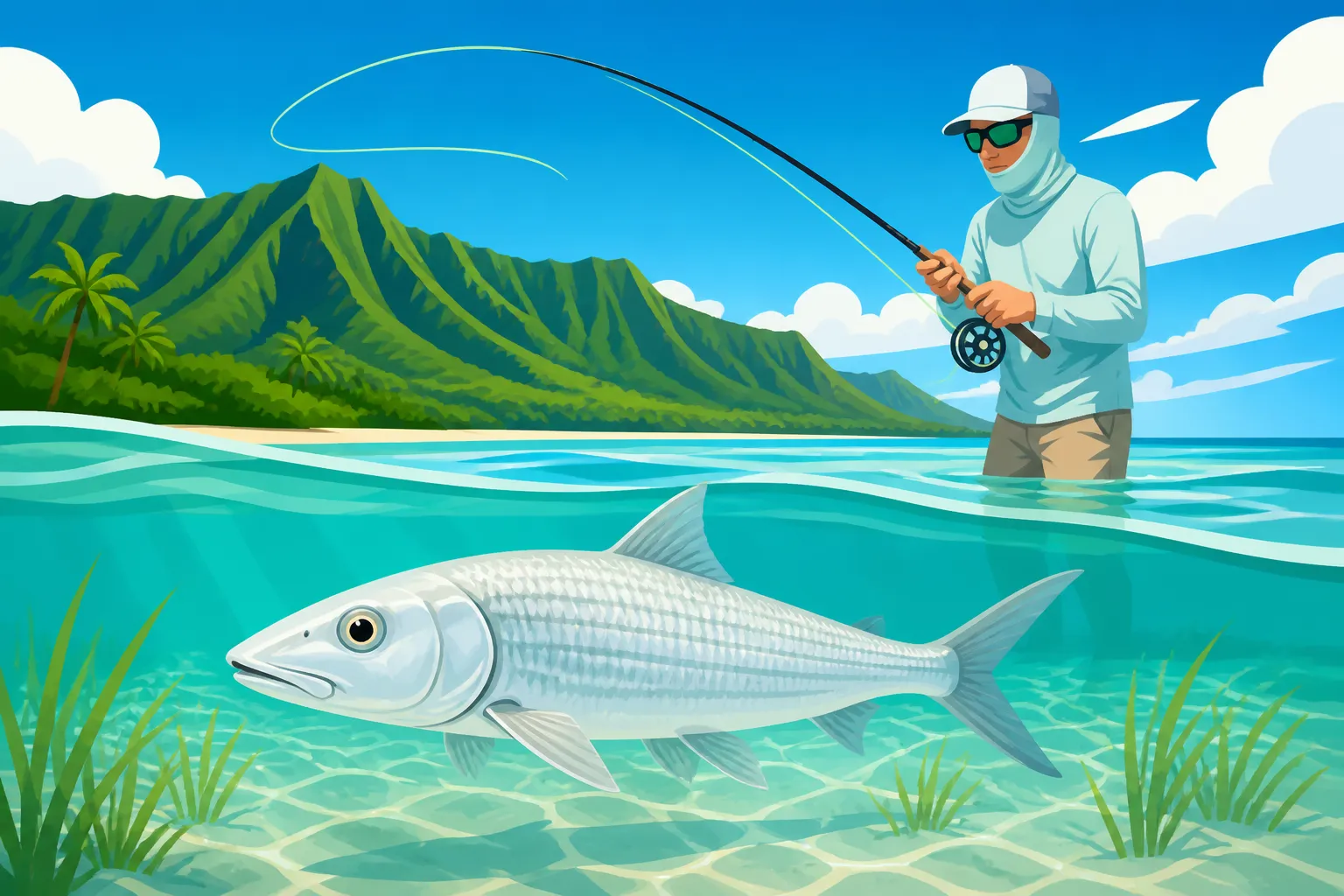
Bonefish have earned their nickname, the "ghost of the flats," for a very good reason. Their silvery, camouflage-like scales allow them to blend seamlessly with the sandy or coral-laden bottoms of the shallow water. One moment you're scanning a flat, seeing nothing but shimmering water, and the next, a school of these powerful fish materializes as if from thin air. They are incredibly wary, easily spooked by noise, sudden movements, or even a shadow passing over the water. This heightened sense of caution is precisely what makes them such a coveted catch for experienced anglers seeking a true challenge.
Beyond their camouflage, their feeding habits add another layer of complexity. Bonefish are bottom feeders, constantly rooting around in the sand and mud for small crabs, shrimp, and other invertebrates. This means you need to present your fly or bait right in their feeding zone, often in very shallow water, without alarming them. The clear Hawaiian waters, while beautiful, also mean the fish have an excellent view of you, demanding a stealthy approach and precise casting. It’s a delicate dance between angler and fish, one that often requires guidance to master.
The Importance of Local Expertise
This is where a local Oahu bonefishing guide becomes not just helpful, but almost essential. Unlike many other forms of fishing, flats fishing is incredibly nuanced. A guide who has spent years, often decades, observing these particular flats understands the tides, the currents, the seasonal movements of the fish, and even the subtle changes in the bottom structure that hold bait. They know exactly where the bonefish are likely to be feeding at any given time of day, depending on the conditions. This isn't knowledge you can gain from a quick online search or a few hours on the water.
Local guides also possess an intimate understanding of the unique challenges presented by Oahu's specific flats, from the coral heads near Kaneohe Bay to the sandy stretches of Keehi Lagoon. They can read the water, spot the faint "tails" of feeding bonefish in the chop, or identify a subtle puff of mud that signals a fish has just rooted for food. This expertise is invaluable for minimizing wasted time and maximizing your chances of a successful hook-up, turning a potentially frustrating day into an exhilarating one. Without this deep local knowledge, you're essentially guessing, and with bonefish, guessing rarely pays off.
What Makes a Great Oahu Bonefishing Guide?
Choosing the right guide can make or break your bonefishing experience on Oahu. It's not just about finding someone with a boat; it's about finding a true professional who understands the nuances of the fishery, values the experience of their clients, and operates with a keen sense of ethics and conservation. A great guide acts as your coach, your spotter, and your local expert, all rolled into one.
Experience and Knowledge of the Flats
The bedrock of any excellent bonefishing guide is their experience and profound knowledge of the specific flats they fish. This isn't just about knowing where the bonefish are generally found, but understanding the intricate details of each flat—its unique currents, bottom composition, and how different tidal stages influence fish behavior. A seasoned guide can predict where the fish will be moving as the tide changes, anticipate their feeding patterns, and identify subtle signs that an inexperienced eye would miss entirely. They're often out on the water almost daily, constantly updating their mental maps and refining their strategies.
Beyond location, a top-tier guide also has an in-depth understanding of the bonefish themselves. They know what the oio are eating, what patterns or baits will entice them, and how they react to different weather conditions. They understand the lifecycle of the fish and the broader ecosystem of the flats, ensuring they fish responsibly and sustainably. This kind of deep, intuitive knowledge only comes from countless hours spent on the water, observing and learning from the fish and their environment. Look for guides with years of specific Oahu bonefishing experience, not just general fishing experience in Hawaii.
Essential Gear and Professionalism
A great guide comes prepared with top-quality, well-maintained gear suited for the specific challenges of bonefishing. This includes appropriate rods and reels (often light-tackle spin setups or fly fishing gear), a variety of proven flies or baits, leaders, and tippets designed for stealth and strength. Their boat, typically a shallow-draft skiff or bay boat, should be clean, safe, and equipped with features like a casting platform and a poling platform, allowing them to quietly navigate the flats and give you the best vantage point for spotting fish. Maintenance is key; nothing is more frustrating than gear malfunctions cutting a trip short.
Professionalism extends beyond just equipment. It encompasses punctuality, clear communication before and during the trip, a focus on safety, and a genuinely positive attitude. A professional guide prioritizes your experience, offers patient instruction if needed, and maintains a calm demeanor even when fishing is tough. They understand that while catching fish is the goal, the overall enjoyment and learning experience are just as important. They are licensed, insured, and operate within all local regulations, ensuring a worry-free outing. Platforms like FishingBooker often list guides with verified credentials and client reviews, making it easier to gauge their professionalism.
Guiding Style and Client Communication
Every guide has a unique style, and finding one whose approach aligns with your preferences is crucial for a successful trip. Some guides are more hands-on, offering constant coaching and spotting, perfect for beginners or those new to flats fishing. Others might be more laid-back, allowing experienced anglers to work the water more independently while providing strategic advice. Discussing your experience level and expectations beforehand is a good practice to ensure a good match. Do you want to learn how to spot fish yourself, or do you prefer the guide to point out every target?
Excellent communication is a hallmark of a great guide. This starts from the initial inquiry, where they should be responsive and transparent about what to expect, what to bring, and any potential challenges. During the trip, they should be clear with instructions, provide encouraging feedback, and maintain an open dialogue about conditions and strategies. A good guide will explain why they're making certain decisions, enriching your understanding of the fishery. They also excel at spotting fish, not just pointing, but verbally guiding your cast ("eleven o'clock, fifty feet, leading by three feet"). This clear guidance dramatically increases your chances of a hook-up.
Types of Guided Bonefishing Trips on Oahu
Oahu offers a variety of guided bonefishing experiences, catering to different skill levels, preferences, and budgets. Understanding the options available can help you select the perfect trip to pursue these challenging fish. Whether you prefer to stalk the flats on foot or glide across them in a specialized skiff, there's an adventure waiting for you.
Skiff-Based vs. Wade Fishing Excursions
The choice between a skiff-based and a wade fishing excursion often comes down to personal preference and the specific conditions of the day. Skiff-based trips typically involve a shallow-draft boat that a guide poles stealthily across the flats. This allows for covering more ground, accessing areas that might be too deep to wade, and providing an elevated platform for better visibility to spot fish. Anglers usually cast from the deck of the boat. It's often less physically demanding than wading, making it a popular choice for many. Guides operating skiffs usually have sophisticated electronics to help locate deeper channels or structure where fish might hold.
Wade fishing, on the other hand, is a much more intimate experience. You'll be walking the flats, often in knee-to-waist deep water, stealthily stalking fish on foot. This method allows for an incredibly quiet approach, as there's no boat noise to spook wary bonefish. It's a truly immersive experience, connecting you directly with the environment, and many purists find it the most rewarding way to hunt for oio. It does require a certain level of physical fitness and comfort in the water, as you'll be navigating uneven bottoms and potentially strong currents. Some guides offer a hybrid approach, using the skiff to access remote flats, then having clients disembark to wade. Wading Techniques for Hawaii Shore Fishing can give you a better idea of what's involved.
Half-Day vs. Full-Day Adventures
When planning your Oahu bonefishing trip, you'll generally find options for both half-day and full-day excursions. A half-day trip, typically 4-5 hours, is an excellent choice for beginners, those with limited time, or anglers who want a taste of bonefishing without committing to an entire day on the water. It's also a good option if you're not sure how you'll handle the intense focus required for flats fishing, or if you're prone to seasickness, although most flats fishing is in calm, protected waters. While shorter, a good half-day trip can still be incredibly productive if the conditions are right and your guide is dialed in.
Full-day trips, usually 8-9 hours, offer the maximum amount of time on the water, providing ample opportunity to explore various flats, adapt to changing conditions, and target bonefish during different tidal movements. This extended time allows for a more relaxed pace, more coaching, and the chance to potentially land multiple fish. For serious anglers or those looking for a comprehensive bonefishing experience, a full-day adventure is often the preferred choice. It maximizes your investment and provides a deeper immersion into the sport. Many guides will also include a lunch break, often packed for convenience, giving you a chance to refuel and recharge. Best Full-Day Fishing Charters in Hawaii might be useful for understanding broader full-day options.
Fly Fishing vs. Spin Fishing Focus
Oahu bonefishing guides often specialize or are proficient in both fly fishing and spin fishing techniques for oio. Fly fishing for bonefish is widely considered the pinnacle of the sport. It demands precision casting, delicate presentations, and keen eyesight to spot the fish. The thrill of presenting a small crab or shrimp imitation on a fly line and watching a bonefish suck it in is unparalleled. Most fly fishing guides provide high-quality 8-weight or 9-weight fly rods and reels, along with a selection of proven fly patterns like the Gotcha, Bonefish Scampi, or Crazy Charlie. If you're passionate about fly fishing, seek out guides specifically known for their fly fishing expertise and patience in teaching. Best Fly Fishing Access for Bonefish on Oahu is a great resource if this is your chosen method.
Spin fishing for bonefish, while perhaps less traditional than fly fishing, is incredibly effective and can be more accessible for anglers new to flats fishing or those who prefer conventional gear. Guides will typically equip you with light-tackle spinning rods and reels spooled with braid, often with a fluorocarbon leader. Small jigs, soft plastics, or live bait (like small shrimp or crabs) are cast ahead of cruising fish. The key is still a delicate presentation and accuracy. Many guides are happy to accommodate both methods, or even switch between them if one isn't proving effective. It's a great option for maximizing your chances and enjoying the fight of these powerful fish without the steep learning curve of fly casting on the flats.
| Feature | Skiff-Based Fishing | Wade Fishing |
|---|---|---|
| Mobility | Covers more ground, accesses deeper areas | Slower pace, limited by water depth |
| Visibility | Elevated platform for better spotting | Eye-level with the water, intimate view |
| Stealth | Poling can be very quiet | Extremely quiet, minimal disturbance |
| Effort | Less physically demanding | Requires good physical fitness |
| Accessibility | Good for all skill levels and mobility | Better for agile anglers |
| Immersiveness | Connects with the environment from boat | Direct connection, in the water |
| Gear | Rods, reels, flies/baits, casting platform | Rods, reels, flies/baits, wading boots |
| Cost | Often higher due to boat maintenance | Can be slightly less expensive |
Key Bonefishing Locations and What to Expect
Oahu boasts several prime locations for bonefishing, each with its own character and challenges. While bonefish can be found on flats all around the island, some areas are particularly renowned for their consistent action and the presence of larger fish. Knowing these spots and what to expect can help you zero in on the best guided trips available.
Keehi Lagoon's Productive Flats
Keehi Lagoon, located near Honolulu International Airport, is arguably one of Oahu's most famous and productive bonefishing destinations. Its extensive shallow flats, fed by tidal flows, provide a rich foraging ground for bonefish. The lagoon offers a mix of sandy bottom and scattered coral, creating ideal habitat for the crabs and shrimp that oio love to eat. This area is known for consistently holding good numbers of bonefish, and even some true trophy-sized specimens. The challenge here is often dealing with the backdrop of city noise and occasional boat traffic, which requires a guide adept at stealth and finding quieter pockets.
Guides operating in Keehi Lagoon will often focus on tide movements, as the changing water levels greatly influence where the fish will be feeding. On an incoming tide, bonefish push onto the shallowest parts of the flats, becoming more visible as their tails break the surface. On an outgoing tide, they'll often stack up in slightly deeper channels, waiting for the next push of water. A guided trip here offers the opportunity to experience both wade fishing and skiff fishing across these diverse flats. It’s a fantastic proving ground for any angler, and you’ll find many excellent guides specializing in Best Bonefishing Flats in Keehi Lagoon.
Sand Island's Hidden Gems
Just south of Keehi Lagoon lies Sand Island, another fantastic but often more overlooked bonefishing locale. Sand Island's flats can be incredibly productive, offering a slightly different environment than Keehi. Here, you might encounter more expansive sandy stretches, interspersed with rocky outcrops and smaller channels. The proximity to deeper water makes it a potential staging area for larger bonefish moving in and out with the tides. While perhaps not as vast as Keehi, the flats around Sand Island can hold some real surprises, including schools of feeding fish that are less pressured than those in more accessible areas.
Fishing around Sand Island typically involves a mix of wading and skiff fishing, depending on the specific flat and tidal conditions. The water here can be incredibly clear, demanding extra stealth and long, accurate casts. A good guide will know the intricacies of the channels and drop-offs that edge these flats, often where bigger oio might lurk. They’ll also be aware of the varying bottom compositions, from soft sand to firmer coral, helping you navigate safely and effectively. It’s an ideal spot for anglers looking for a slightly more secluded experience while still having access to world-class bonefish. You can learn more about this area in Best Bonefishing Spots Near Sand Island.
Other Promising Oahu Areas
While Keehi Lagoon and Sand Island are renowned, Oahu offers other promising areas for guided bonefishing trips that a skilled guide might explore. The shallow reef flats along the Ewa Beach coastline, for instance, can hold good numbers of oio, particularly in calmer conditions. These flats are often less fished than the more central lagoons, potentially offering a more private experience. Similarly, certain stretches of the North Shore, during periods of calm winter surf, can become prime bonefishing grounds, though these are often more challenging to access and fish due to their exposure.
Guides with extensive local knowledge might also take you to smaller, less-known flats tucked away in various bays or protected areas around the island. These hidden gems often require specific tidal windows and conditions to fish effectively, which is precisely where a guide's expertise shines. While these spots might not offer the sheer numbers seen in the main lagoons, they can provide opportunities for truly unpressured fish and a unique Hawaiian flats fishing experience away from the crowds. Always trust your guide's judgment on where the best fishing will be for any given day.
Booking Your Oahu Bonefishing Guide
Once you've decided that a guided bonefishing trip on Oahu is for you, the next step is finding and booking the right guide. This process involves a bit of research, clear communication, and understanding what you're paying for to ensure a smooth and successful experience.
Researching and Vetting Potential Guides
The first step in booking your trip is thorough research. Start by looking for guides who specialize in Oahu bonefishing, not just general Hawaii fishing charters. Websites like FishingBooker are excellent resources, as they often feature detailed profiles of guides, including their experience, specialties (fly vs. spin), types of trips offered, and most importantly, client reviews. These reviews can provide invaluable insights into a guide's professionalism, patience, and ability to put clients on fish. Pay attention to comments regarding communication, equipment, and overall client satisfaction.
Don't hesitate to reach out to potential guides with specific questions. Inquire about their experience on Oahu's flats, their preferred fishing methods, and what they typically target. Ask about their guiding philosophy—are they patient with beginners? Do they prioritize teaching? A good guide will be happy to answer your questions thoroughly and transparently. Consider how quickly they respond and the clarity of their communication; this is often a good indicator of what you can expect during the trip itself. Best Guided Bonefishing Trips on Oahu should also yield good results for finding specific guides.
Understanding Pricing and Inclusions
Guided bonefishing trips on Oahu, like any specialized charter, come with varying price points. These costs are typically influenced by factors such as the length of the trip (half-day vs. full-day), whether it's a private or shared charter, the type of boat, and the guide's experience level. When comparing prices, always clarify what is included in the cost. Most reputable guides will include all necessary fishing gear (rods, reels, flies/baits, tackle), and often cooler space for drinks and snacks. Some may also include non-alcoholic beverages.
However, certain items are typically not included. This almost always involves your Hawaii fishing license—be sure to purchase one in advance. Also, consider gratuities for your guide; tipping is a customary way to show appreciation for a job well done. It’s also wise to ask about their cancellation policy, especially regarding weather, as conditions on the flats can change rapidly. Make sure you understand payment terms, such as deposit requirements and final payment methods. A clear understanding of these inclusions and exclusions prevents any surprises on the day of your trip.
Maximizing Your Trip Success (Preparation Tips)
Once booked, a little preparation on your part can significantly enhance your bonefishing experience. First and foremost, secure your Do You Need a Fishing License in Hawaii well in advance. Without it, your trip won't happen. Next, pack appropriately for a day on the water: light, long-sleeved clothing for sun protection, a wide-brimmed hat, polarized sunglasses (absolutely essential for spotting fish!), reef-safe sunscreen, and comfortable wading boots or shoes if you plan to wade. Bring plenty of water and snacks.
Listen carefully to your guide's instructions before and during the trip. They are the experts in this environment. Practice your casting if you're fly fishing, aiming for accuracy and minimal false casts. The quicker and more accurately you can present your fly or bait, the better your chances. Maintain a positive attitude, even if the fish aren't cooperating immediately. Bonefishing requires patience and persistence. Most importantly, relax and enjoy the incredible beauty of Oahu's flats and the thrill of pursuing one of the ocean's most challenging and rewarding game fish. You can find general tips for preparing for any guided trip in What to Bring on a Hawaii Fishing Charter.
Disclaimer
This article is for general informational purposes only and does not constitute professional advice. Laws, prices and regulations vary by location and change over time. Consult a qualified professional for guidance on your specific situation.