Average cost of a half-day marlin charter in Kona
Oh, the dream of hooking into a magnificent marlin off the Kona Coast! It's an experience many anglers yearn for, a true bucket-list adventure. But before you can feel that thrilling tug on your line, a common question pops up: "What's this going to set me back?" Figuring out the average cost of a half-day marlin charter in Kona can feel like deciphering an ancient scroll, with so many variables at play. This guide will help you understand the factors that influence charter prices, what you can expect for your money, and how to plan for an unforgettable trip without breaking the bank.
Understanding Kona's Marlin Fishing Scene and Why it Costs What it Does
Kona is legendary, plain and simple. It's often called the "Marlin Capital of the World," and for good reason. The unique geography of the Big Island creates incredibly calm, deep waters just a short run from shore, making it prime hunting grounds for some of the ocean's most magnificent predators. But this world-class fishing, combined with the logistics of operating a top-tier fishing vessel, naturally comes with certain costs.
The Allure of Kona Marlin Fishing
Imagine stepping onto a sleek sportfishing boat, the sun just beginning to warm the Pacific, and the deep blue expanse stretching endlessly before you. This isn't just fishing; it's an immersion into a unique ocean environment. The Kona coast boasts incredible depths close to shore, which means less travel time to productive fishing grounds. This, combined with consistent weather patterns, makes it an ideal spot for targeting pelagic species like marlin. It's not uncommon for anglers here to chase "grand slam" dreams, aiming to catch multiple billfish species in a single day. The reputation, the potential for truly massive fish, and the generally excellent conditions are all part of what makes Kona such a sought-after destination, and these elements collectively influence the pricing of charters.
When you're out there, the anticipation is palpable. You're not just hoping for any fish; you're hoping for a striped marlin, a powerful shortbill spearfish, or even the ultimate prize, a majestic blue marlin. The captains and crews who work these waters are often veterans, with decades of experience tracking these elusive giants. They know the currents, the bait movements, and the specific techniques needed to entice a bite, making your half-day adventure much more than just a boat ride. If you're keen to learn more about the target, check out Marlin Fishing off the Kona Coast.
Factors Influencing Charter Costs
The price you pay for a half-day marlin charter in Kona isn't just pulled out of thin air. Several significant factors contribute to the overall cost, reflecting the quality of the experience and the operational expenses involved. Think about it: a well-maintained fishing vessel, especially one equipped for offshore sportfishing, is a complex machine. There's the initial investment in the boat itself, which can be substantial, along with ongoing costs for insurance, moorage, and regular maintenance to keep it seaworthy and safe. A typical sportfishing boat needs constant attention, from engine upkeep to hull cleaning and tackle refreshing.
Then there's the fuel. Running a powerful offshore boat for several hours burns through a considerable amount of fuel, and those costs fluctuate. Add to that the expertise of the captain and crew. These aren't just boat drivers; they're skilled professionals with years, sometimes decades, of experience on the Kona grounds. Their knowledge of fish behavior, navigation, safety protocols, and how to effectively fish for big game is invaluable. They're also there to assist you, ensure your safety, and make your trip enjoyable, often handling everything from rigging baits to gaffing fish. Their wages and tips are a significant part of the operational cost.
Finally, consider the quality of the fishing gear itself. Top-of-the-line rods, reels, lines, lures, and terminal tackle capable of handling powerful marlin are expensive. Charters invest heavily in this equipment to ensure you have the best chance of landing a trophy fish, and to withstand the immense pressure these fish exert. All these elements combined mean that a Kona fishing charter, even for a half-day, is a premium experience.
Deconstructing the "Half-Day" Charter Experience
When you book a "half-day" charter, it's important to understand what that term truly implies in the Kona sportfishing world. It's not just about the duration, but also about the style of fishing, the types of fish typically targeted, and the overall rhythm of the trip. Knowing these details will help you set realistic expectations and appreciate the value of your investment.
What a Half-Day Typically Entails
A half-day marlin charter in Kona generally runs for about four to five hours. Most boats offer two primary half-day slots: a morning trip, often departing around 6:00 AM or 7:00 AM, and an afternoon trip, usually leaving around 12:00 PM or 1:00 PM. The early morning departure is particularly popular, as it often coincides with prime feeding times for many pelagic species, when the water is still calm and the sun is just rising over the Big Island, creating a magical atmosphere.
During these hours, the crew will typically run a spread of lures or baits specifically designed to attract marlin. While blue marlin are often the primary target, you're also in prime territory for other exciting species. It's very common to hook into striped marlin, especially during certain seasons, and you might even encounter the fast and acrobatic shortbill spearfish. Additionally, species like mahimahi (dolphin fish) and ono (wahoo) are frequently caught while trolling for marlin, adding to the thrill and potentially providing some delicious table fare.
The limited duration of a half-day trip means the captain will focus on getting to productive waters quickly and maximizing fishing time. It’s a concentrated effort to put you on fish, making it perfect for those with limited time, or who are testing the waters of big game fishing. For more insights on what to expect, read What to Expect on a Hawaii Fishing Charter.
Comparing Private vs. Shared Charters
One of the most significant cost differences you'll encounter when looking into half-day marlin charters is whether you book a private trip or a shared trip. This choice fundamentally alters both the price point and the experience itself.
Private Charters: This is when you book the entire boat for your group, whether it's just you, a couple, or up to six anglers. With a private charter, you have complete control over the boat's schedule (within reason), the fishing focus, and the overall atmosphere. You decide who's on board, and the captain and crew are exclusively dedicated to your party. This means more one-on-one attention, more space to move around, and the ability to tailor the experience to your preferences – perhaps focusing on a specific type of marlin, spending more time in a certain area, or even taking a break for some sightseeing if the bite is slow. Naturally, this exclusive experience comes at a higher cost, as you are covering the full operational expense of the boat yourself. It's ideal for families, groups of friends, or serious anglers who want a dedicated experience.
Shared Charters (or "Split Charters"): With a shared charter, you book a single spot on a boat, and you'll be fishing alongside other individuals or small groups who have done the same. The cost per person is significantly lower than a private charter, as the overall boat cost is divided among all the passengers. This is an excellent option for solo anglers, couples, or those on a tighter budget who still want to experience Kona's legendary marlin fishing. The trade-off is that you'll be sharing the deck, the fishing opportunities (fish are typically rotated among anglers), and the captain's attention. The boat's schedule and fishing plan are set, and you'll need to be flexible and collaborative with your fellow anglers. If you're looking to connect with other fishing enthusiasts, this can also be a great social experience. Websites like FishingBooker often facilitate finding and booking shared spots on various boats.
Inclusions and Exclusions
When you're looking at charter prices, it's crucial to understand what's typically included and what might be an extra cost. This helps prevent any unwelcome surprises when it's time to settle up. Most reputable Kona marlin charters will include several key components in their quoted price.
Typical Inclusions:
- Boat and Crew: The use of the vessel and the expertise of the licensed captain and experienced deckhand are always part of the package. Their knowledge and hard work are central to your fishing success and safety.
- Fishing Gear: High-quality rods, reels, lines, and terminal tackle specifically chosen for targeting marlin and other pelagic species are provided. You won't need to bring your own heavy-duty gear unless you prefer to.
- Bait and Lures: All necessary live bait, dead bait, and a variety of trolling lures will be supplied by the charter. The crew spends time preparing these, ensuring you have the best presentations for the fish.
- Basic Beverages: Many charters offer bottled water, soft drinks, and sometimes a cooler of ice for your personal items.
- Safety Equipment: All Coast Guard-mandated safety equipment, including life jackets, first-aid kits, and communication devices, will be on board. Hawaii Boating Laws for Anglers provides more on these requirements.
Common Exclusions (Potential Extra Costs):
- Food/Snacks: While some charters might offer light snacks, it's generally a good idea to bring your own lunch and additional snacks, especially for longer trips or if you have specific dietary needs.
- Alcohol: If you want alcoholic beverages, you'll almost always need to bring your own, though check with the charter in advance about their policy.
- Fish Processing: If you catch a fish and want to keep some of it (and it's within legal limits and the charter's policy), there might be a fee for cleaning, filleting, and bagging your catch. Some boats will do a basic cut for free, while others charge for full processing.
- Gratuity for Crew: This is probably the most significant "hidden" cost if you don't budget for it. Tipping your captain and especially the deckhand is customary and highly encouraged. They work incredibly hard to make your trip successful and enjoyable. We'll dive into this a bit more, but typically a percentage of the charter fee is expected. Read more about Tipping Etiquette for Hawaii Fishing Charters.
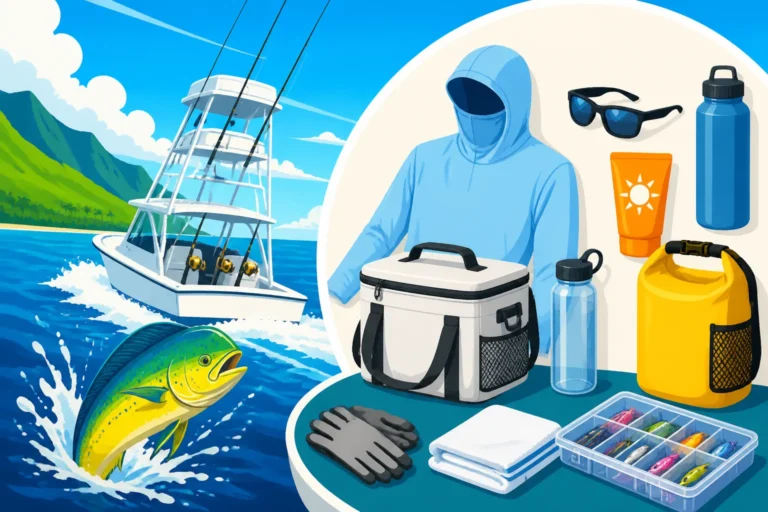
- Sunscreen and Personal Items: Bring your own reef-safe sunscreen, hats, sunglasses, and any motion sickness medication you might need.
- Photography: While many crews will take photos for you, professional photographers sometimes offer their services for an additional fee.
Always clarify with the charter operator or check their website for a detailed list of what's included and excluded before booking. This transparency helps manage expectations and ensures a smooth, enjoyable experience.
Navigating the Cost Spectrum: What to Expect
Understanding the range of costs for half-day marlin charters in Kona requires looking at the nuances of the market. Since I can't give you exact numbers, I'll describe the tiers of pricing and what generally influences where a particular charter falls within that spectrum. Remember, prices can vary based on season, demand, boat size, reputation, and even fuel costs.
The Range of Half-Day Private Charter Costs
Private half-day marlin charters represent the premium end of the spectrum for this type of trip. You're getting an exclusive experience tailored to your group, and the pricing reflects that exclusivity and the full operational costs of the vessel.
- Entry-Level/Budget-Friendly Private Options: Some smaller, perhaps older, but still perfectly capable boats might offer more accessible private half-day charters. These boats will get you out on the water, provide good gear, and have an experienced crew, but they might not have all the bells and whistles of a luxury sportfisher. They often focus on the core fishing experience without extra amenities. You're still getting the privacy and dedicated crew, which is a huge benefit. These are great options for those who prioritize a private trip but need to be mindful of their budget.
- Mid-Range Private Charters: This is where many excellent, well-maintained sportfishing boats fall. They offer a comfortable experience, often with a bit more space, newer equipment, and a well-established reputation. The captains and crews are typically seasoned veterans of the Kona waters, known for their consistent success and excellent customer service. These charters strike a good balance between comfort, professionalism, and price, providing a fantastic overall experience for a private group.
- Premium/Luxury Private Charters: At the top end, you'll find larger, newer, often air-conditioned vessels with state-of-the-art electronics, immaculate interiors, and luxurious amenities. These are often famous boats with legendary captains who have decades of experience, sometimes even specializing in hunting "grander" marlin. While the fishing techniques might be similar, the level of comfort, service, and prestige is elevated. If you're looking for an unforgettable, high-end experience with all the trimmings, these are the charters to consider. They are an investment, but for many, the unparalleled experience is worth it.
Regardless of the tier, it's essential to always check the most current rates directly with the charter operator or through a booking platform like FishingBooker. Prices can fluctuate.
The Range of Half-Day Shared Charter Costs
Shared half-day charters offer a much more budget-friendly entry point into Kona's marlin fishing scene, as the cost of the boat is divided among several individuals. The experience will be different from a private charter, but no less exciting, especially if you're open to sharing the deck.
- Standard Shared Spots: Most boats offering shared charters will have a fairly consistent per-person rate. This rate typically reflects a comfortable, well-run boat with good gear and an experienced crew. You'll be one of usually 4-6 anglers, and the fishing opportunities (like who gets to fight the next fish) are usually rotated fairly among the group. This is the most common and accessible option for many visitors.
- Value Shared Spots: Occasionally, you might find slightly lower per-person rates on shared trips, perhaps on boats that are a bit older, or during off-peak times. While still providing a legitimate marlin fishing experience, these might offer fewer amenities or a more "no-frills" approach. It's a great way to get out on the water and experience the thrill of the bite without a substantial financial commitment.
- Premium Shared Spots: Some higher-end boats that primarily offer private charters might open up shared spots if they have availability, or if a group cancels, creating an opportunity for individuals to experience a more luxurious vessel at a shared-trip price. These spots might be slightly more expensive than standard shared rates but offer the chance to fish on a top-tier boat.
The key benefit of a shared charter is the reduced individual cost, making the dream of marlin fishing more attainable. It's important to remember that the quality of the fishing itself can be just as good on a shared trip as on a private one; it's primarily the exclusivity and personalized service that you're paying more for on a private booking. You can often find and compare these shared opportunities through platforms like FishingBooker, which makes it easy to see what's available and book your spot. If you're comparing options, consider Hawaii Fishing Charter Cost Guide for broader financial planning.
Hidden Costs and How to Avoid Surprises
Even after booking your charter, there are a few additional expenses that can pop up if you're not prepared. Being aware of these "hidden costs" ensures your trip remains enjoyable and within budget.
The most significant and often overlooked additional cost is tipping the crew. While not mandatory in the strictest sense, it is a deeply ingrained custom in the charter fishing industry, especially in a service-oriented place like Hawaii. The deckhand, in particular, works incredibly hard before, during, and after your trip – rigging baits, setting lines, assisting with catches, cleaning the boat, and even helping to process fish. A good rule of thumb is to budget a percentage of your charter fee (often in the range of 15-20%) for the crew. This shows your appreciation for their hard work and expertise. Many anglers provide this directly to the deckhand, who typically shares it with the captain.
Another potential cost is fish processing. While many boats are catch-and-release focused for marlin, if you catch a delicious pelagic like a mahimahi or ono, and it's legal to keep, you might want to take some home. Some charters offer basic filleting for free, but others might charge a nominal fee for more thorough processing, vacuum sealing, or packaging for travel. If you're planning to take fish home, clarify this policy beforehand.
Finally, think about personal amenities. While charters provide basic beverages, you might want specific snacks, a larger meal, or alcoholic drinks. Bringing your own ensures you have exactly what you want. Also, consider motion sickness medication if you're prone to seasickness, as the open ocean, while generally calm off Kona, can still be a factor for some. Investing in some non-drowsy seasickness remedies beforehand can save your trip! Always ask questions when booking your charter – a good operator will be transparent about all potential costs and happily answer any queries you have about How to Choose a Hawaii Fishing Charter.
Making Your Kona Marlin Charter Dream a Reality
Now that you have a clearer picture of the costs and what goes into a half-day marlin charter in Kona, let's talk about how to actually make this dream trip happen. Planning ahead and knowing where to look can make all the difference in securing the best experience for your budget.
Tips for Finding the Best Value
Finding the "best value" doesn't always mean finding the cheapest option; it means finding the right balance of cost, experience, and reliability that fits your expectations.
- Book in Advance: Especially if you're traveling during peak season (which can vary for different species, but generally summer months and around major holidays are busy), booking your charter well in advance is crucial. The most popular and well-regarded boats, which often offer excellent value, get booked up quickly. Don't wait until the last minute, or you might be left with fewer choices or boats that don't quite meet your needs.
- Read Reviews and Do Your Research: Platforms like FishingBooker are invaluable for this. They allow you to read honest reviews from previous anglers, see photos of the boats and their catches, and compare different captains and their offerings side-by-side. Look for consistent positive feedback about the crew's professionalism, the boat's condition, and the overall fishing experience. A few hours of research can save you from a disappointing trip.
- Don't Be Afraid to Ask Questions: Contact the charter operator directly with any questions you have. A reputable company will be happy to provide details on inclusions, exclusions, fish policies, and anything else you need to know. Clarity upfront prevents misunderstandings later. Ask about their cancellation policy, especially regarding weather, as unforeseen circumstances can arise.
- Consider the Season: While Kona fishing is generally good year-round, certain species might be more abundant during specific seasons. For example, blue marlin tend to be more prevalent in the warmer months. If you're flexible with your travel dates, researching best time of year to book a marlin charter might allow you to target specific fish or even find better rates during shoulder seasons when demand is slightly lower.
Maximizing Your Half-Day Experience
You've done the research, you've booked your trip, and now it's almost time to hit the water! Here are a few final tips to ensure you get the absolute most out of your half-day marlin charter.
- Communicate Your Expectations: When you board the boat, have a brief chat with the captain and crew. Let them know if you're a seasoned angler or a complete novice. Tell them if your main goal is to catch a specific species, or if you're just happy to catch anything and enjoy the ride. The more they know about your preferences, the better they can tailor the experience for you. If you're interested in How to Catch Ahi in Hawaii or How to Catch Mahimahi in Hawaii, mention it, as these are often caught incidentally while trolling for marlin.
- Be Realistic, But Optimistic: Fishing, by its very nature, involves an element of luck. While Kona has an incredible reputation, there are no guarantees when it comes to catching fish. Go into the trip with an open mind, ready to enjoy the beautiful ocean, the thrill of the chase, and the company of the crew. Be optimistic that you'll get a bite, but don't let a slow day ruin your enjoyment of being out on the Pacific.
- Listen to Your Crew: Your captain and deckhand are the experts. They know these waters intimately. Pay attention to their instructions, especially when a fish is on the line. They'll guide you through the process of fighting a big marlin, ensuring both your safety and the best chance of landing the fish. Their advice on things like proper reeling technique, body posture, and when to pump the rod can make a huge difference, particularly with powerful fish.
- Embrace the Journey: A half-day charter is more than just catching a fish; it's about the entire experience. It's the sunrise over Mauna Kea, the endless expanse of the deep blue, the salty air, and the anticipation of a strike. Even if the big one doesn't bite, cherish the opportunity to be out on the world-famous Kona grounds, experiencing a piece of Hawaiian fishing heritage. And if you do hook into a marlin? That's a memory that will last a lifetime, regardless of the cost! Consider reading Best Fishing Charters in Hawaii for general advice on choosing quality operations.
Disclaimer
This article is for general informational purposes only and does not constitute professional advice. Laws, prices and regulations vary by location and change over time. Consult a qualified professional for guidance on your specific situation.