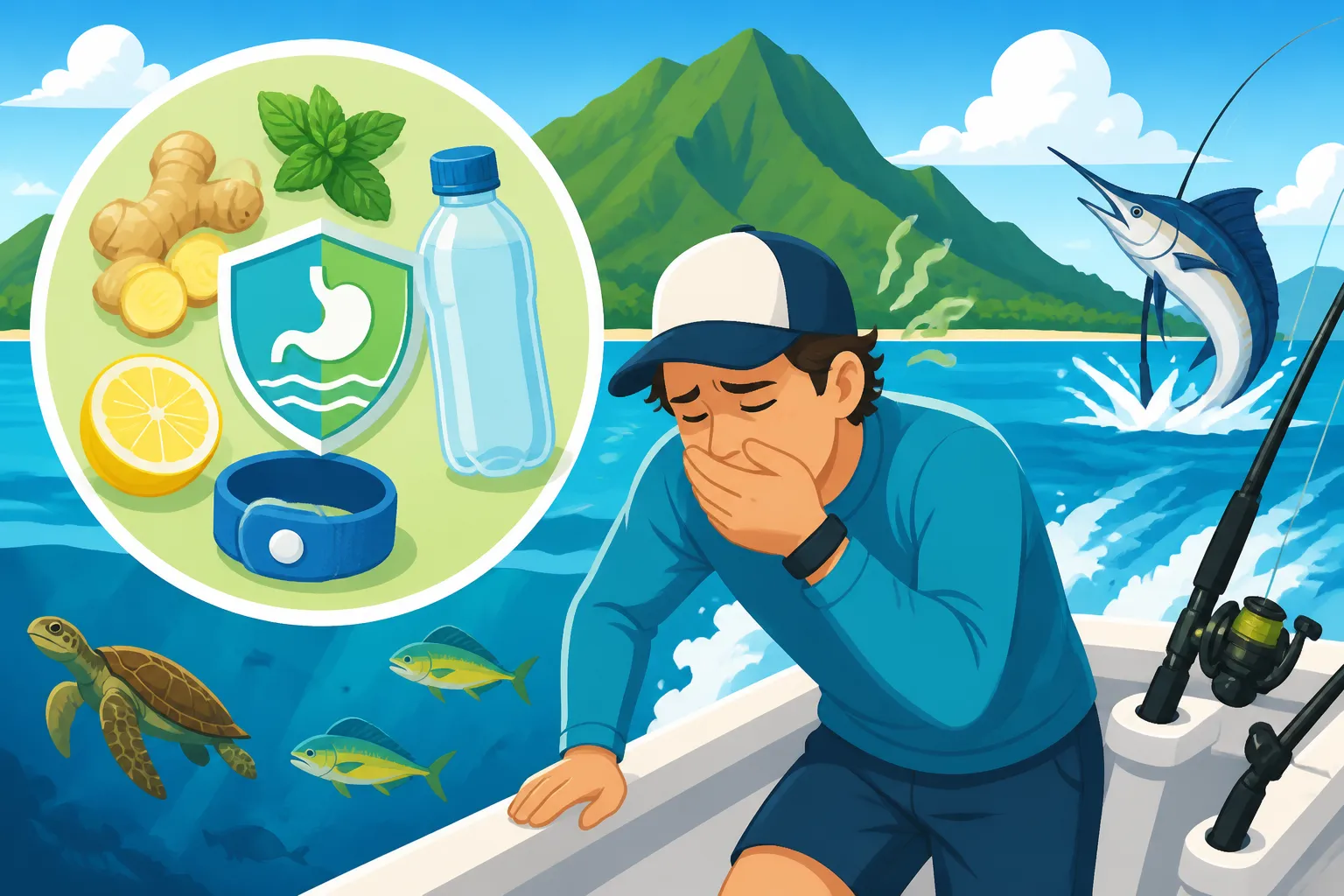
Seasickness tips for a Hawaii fishing charter
There's nothing quite like the excitement of heading out for a Hawaii fishing charter, whether you're dreaming of reeling in a magnificent marlin off the Kona Coast or battling a feisty mahimahi closer to shore. However, for many, that anticipation can quickly turn to dread at the thought of seasickness, which can unfortunately ruin an otherwise incredible day on the water. This guide is here to offer you practical, empathetic, and realistic tips to help you conquer seasickness and ensure your Hawaiian fishing adventure is memorable for all the right reasons.
Understanding Seasickness: Why It Happens on the Water
Seasickness, or motion sickness, is a surprisingly common affliction that can hit even seasoned anglers. It's not a sign of weakness; it's a natural physiological response to conflicting sensory information, and understanding why it happens is the first step toward preventing and managing it.
The Science Behind the Sways: Inner Ear vs. Vision
Imagine your inner ear, which is responsible for your sense of balance, telling your brain one thing – "Hey, we're moving, swaying, pitching!" – while your eyes are fixated on the relatively stable interior of a boat cabin, telling your brain another – "Nope, everything's still here." This sensory mismatch is the root cause of seasickness. Your brain gets confused, trying to reconcile these conflicting signals, and the result is often nausea, dizziness, cold sweats, and a general feeling of malaise. It’s like your body is in an argument with itself, and you’re caught in the middle.
Common Triggers and Individual Susceptibility
While the core mechanism of seasickness is universal, what triggers it and how intensely you feel it can vary wildly. Some folks are fine as long as they stay above deck with a clear view of the horizon, while others might feel green just looking at a boat from the dock. Triggers often include rough sea conditions, being below deck with no view of the outside, reading or focusing on small objects, strong smells (like diesel fumes or bait), and even just anxiety about getting sick. It's important to remember that almost anyone can get seasick under the right (or wrong!) circumstances, so don't feel embarrassed if you're prone to it.
Dispelling Myths and Facing Realities
There are a lot of old wives' tales about seasickness, but let's clear up a few things. No, "getting your sea legs" isn't a guaranteed cure for everyone, though some people do acclimate. And no, powering through it rarely works; often, it just makes you more miserable. The reality is that if you're prone to seasickness, proactive measures are usually far more effective than hoping for the best. Acknowledging that you might get sick is actually a powerful step, as it allows you to plan and prepare without shame.
Before You Go: Proactive Prevention Strategies
The absolute best way to combat seasickness is to prevent it from starting in the first place. Once those symptoms really kick in, it can be incredibly hard to get them under control. Think of this as your pre-flight checklist for a smooth sailing experience.
Medication Matters: Over-the-Counter and Prescription Options
For many, medication is the most reliable defense. You have a few options, so it's worth exploring them well before your trip.
- Over-the-Counter Heroes: Dramamine (dimenhydrinate) and Bonine (meclizine) are popular choices. The key with these is timing. You absolutely must take them before you get on the boat – typically 30-60 minutes prior, sometimes longer depending on the specific product. Don't wait until you feel a little queasy, because by then, it might be too late for them to be fully effective. Read the package directions carefully. Bonine is often preferred by anglers because it's less likely to cause drowsiness than regular Dramamine.
- The Power of Patches: Scopolamine patches (Transderm Scop) are a prescription-only option that many swear by. These small patches are placed behind the ear and release medication slowly over three days, offering continuous relief. Again, timing is crucial: apply it several hours, or even the night before, your charter. Consult your doctor to see if this is a good option for you, especially if you have other medical conditions.
- Ginger, the Natural Ally: Many people find natural remedies helpful, particularly ginger. You can try ginger chews, ginger capsules, ginger ale (real ginger ale, not just ginger-flavored soda), or even fresh ginger tea. While it might not be as potent as pharmaceuticals for severe cases, it can certainly help settle a nervous stomach and is a great addition to your anti-seasickness arsenal.
Fueling Your Body Right: Food and Drink Choices
What you put into your body before and during your trip can make a significant difference.
- Avoid Heavy, Greasy Meals: That plate of loco moco might sound delicious, but a heavy, fatty breakfast right before hitting the swells can sit in your stomach like a lead weight, making nausea much worse. Opt for light, bland foods like toast, crackers, a banana, or a plain bagel.
- Stay Hydrated, But Wisely: Dehydration can exacerbate seasickness symptoms. Drink plenty of water in the days leading up to your trip. However, on the boat, avoid excessive amounts of sugary drinks, caffeine, and especially alcohol. Alcohol not only dehydrates you but can also mess with your inner ear's balance mechanisms, making you more susceptible to motion sickness. Stick to water and perhaps some light juice.
- Small, Frequent Snacks: Even if you feel a little queasy, an empty stomach can sometimes make nausea worse. Nibble on bland crackers, pretzels, or even a piece of fruit periodically throughout the trip. This keeps your stomach gently occupied without overloading it.
Strategic Sleep and Relaxation
Fatigue and stress are known culprits for worsening motion sickness. Giving your body a fighting chance means being well-rested and calm.
- Get Good Zzz's: Make sure you get a full, restful night's sleep before your fishing charter. Being tired makes your body more vulnerable to any kind of discomfort, including motion sickness. A well-rested body is a more resilient body.
- Manage Pre-Trip Anxiety: If you know you're prone to seasickness, the anxiety leading up to the trip can sometimes make you feel sick before you even step foot on the boat. Try relaxation techniques like deep breathing or meditation. Remind yourself that you've taken preventive steps and you're prepared. This mental game can be surprisingly powerful.
Picking the Right Charter and Conditions
Sometimes, prevention starts with choosing the right conditions and the right boat. While you can't control the ocean, you can make informed decisions.
- Consider the Weather Forecast: If you have flexibility, check the marine forecast before booking or confirming your trip. Calmer seas generally mean less motion. While Hawaii's waters are often stunning, there are days when the ocean can be a bit more spirited.
- Boat Size Matters: Larger boats tend to be more stable than smaller ones, as they cut through waves rather than bouncing over them. If you're particularly sensitive, asking about boat size or opting for a larger charter might be a good idea. Many reputable charters, which you can often find listed on platforms like FishingBooker, will be transparent about their vessel size.
- Half-Day vs. Full-Day: For your first trip or if you're very prone to seasickness, consider a Best Half-Day Charters in Hawaii instead of a full-day adventure. A shorter trip allows you to test the waters, so to speak, and build confidence.
- Communicate with the Crew: Don't hesitate to let the captain or crew know you're prone to seasickness when you book or board. They've seen it all and can often offer advice, point you to the best spots on the boat, or even adjust their course slightly if conditions allow. They want you to have a good time! If you're using a service like FishingBooker, you can often message the captain directly beforehand to discuss your concerns.
During the Trip: Managing Symptoms on Board
Despite all your best efforts, sometimes seasickness still sneaks up on you. Don't panic! There are still things you can do to manage the symptoms and make the trip more bearable.
Finding Your Horizon: Visual Fixation Techniques
This is one of the oldest and most effective tricks in the book.
- Look Out, Not In: As soon as you feel a hint of queasiness, get outside and fix your gaze on the horizon. The horizon provides a stable visual reference point that helps your brain reconcile the motion your inner ear is detecting. It essentially tells your brain, "See? We are moving together!" Avoid looking down at your phone, books, or anything inside the cabin that lacks a stable reference.
- Stay Above Deck: Being in the fresh air and having a clear view is usually much better than being below deck where the motion feels amplified and you have no visual cues. If you're feeling ill, try to position yourself near the stern (back) of the boat, as the motion there tends to be less pronounced than at the bow (front).
Breathing and Positioning: Small Changes, Big Impact
How you hold your body and how you breathe can make a difference in your comfort.
- Deep, Controlled Breathing: Hyperventilating or shallow breathing can worsen anxiety and nausea. Focus on slow, deep breaths. Inhale slowly through your nose, hold for a few seconds, and exhale slowly through your mouth. This can help calm your nervous system.
- Recline, If Possible: Sometimes lying down in a position where your head is supported and you're looking at the horizon can help. If you're able to recline with a clear view, it minimizes head movement and can reduce the sensory input to your inner ear.
- Avoid Strong Odors: The smell of diesel fumes, bait, or even certain foods can trigger or worsen nausea. Try to position yourself upwind or in an area with better ventilation. The crew on a Hawaii Fishing Charter Cost Guide boat will typically be very understanding if you need to move to a different spot.
Hydration and Light Snacks
Even if you're feeling sick, it's important to keep a little something in your stomach.
- Sip Water Slowly: Dehydration can make everything worse. Even if you're struggling, try to sip small amounts of water or clear liquids. Avoid gulping, as that can upset your stomach further.
- Bland Bites: Keep those crackers or ginger chews handy. A small bite here and there can help absorb stomach acids and prevent your stomach from feeling completely empty, which can sometimes trigger nausea.
When to Speak Up: Communicating with Your Crew
Never suffer in silence! The crew on a Hawaii fishing charter is there to help and wants you to have a good experience.
- Alert the Captain or Deckhand: As soon as you start feeling unwell, tell a crew member. They are experienced and often have tricks or suggestions. They might be able to offer a different perspective, suggest a better spot on the boat, or even offer a cold compress. Many have dealt with seasickness countless times and know how to offer support without judgment.
- Don't Be Embarrassed: Seriously, it happens to almost everyone at some point. The crew would much rather help you manage it early than have you be miserable or, worse, make a mess on their boat without warning. They are professionals and will handle it discreetly and empathetically. Knowing what to expect on a What to Expect on a Hawaii Fishing Charter can also alleviate some pre-trip stress.
After the Trip: Recovery and Future Preparations
You've made it back to shore, hopefully with some fish stories (and maybe a fish or two!). The battle isn't over just yet, but the worst is definitely behind you.
Post-Trip Recovery: Easing Back to Land
It's common to still feel a bit "land sick" after a boat trip, where you feel like you're still swaying even on solid ground. This usually passes quickly.
- Rest and Recuperate: Give your body some time to readjust. A nap or a relaxing evening can do wonders.
- Eat Lightly: Don't rush into a huge, heavy meal immediately. Stick to bland, easy-to-digest foods until your stomach feels completely settled.
- Stay Hydrated: Continue to drink plenty of water to rehydrate, especially if you experienced vomiting.
Evaluating Your Experience for Next Time
Every experience is a learning opportunity, especially when it comes to managing seasickness.
- What Worked, What Didn't? Take a mental note (or even a written one) of what strategies helped and which didn't. Did the medication kick in effectively? Did focusing on the horizon make a difference? This personal data will be invaluable for future trips.
- Consider Different Charters: Perhaps the type of boat or the typical fishing grounds weren't ideal for your sensitivity. If you booked through a platform like FishingBooker, you can browse different types of Best Fishing Charters in Hawaii with various vessel sizes and trip durations, which might offer a more stable experience.
- Refine Your Pre-Trip Routine: Maybe you needed to take your medication earlier, or perhaps you didn't get enough sleep. Adjust your routine for your next adventure. If you're planning another trip, you can even explore more specific options like Best Season to Book a Marlin Charter and tailor your seasickness prevention to those conditions.
Long-Term Strategies for Frequent Anglers
If you're truly hooked on Hawaii fishing and plan to be a regular on the water, you might want to consider some longer-term approaches.
- Acupressure Bands: While not a magic bullet for everyone, some people find acupressure wristbands helpful. They apply pressure to a specific point on your wrist believed to alleviate nausea. They're inexpensive, drug-free, and worth a try.
- Biofeedback or Therapy: For severe cases, some individuals explore biofeedback training or cognitive behavioral therapy to help manage their body's response to motion. This is a more intensive approach but can be very effective.
- Gradual Exposure: For some, slowly increasing their time on the water, starting with calm conditions and shorter trips, can help their body adapt over time. Think of it like training your brain to get used to the motion.
- Investing in Gear: While not directly for seasickness, ensuring you have the right What to Bring on a Hawaii Fishing Charter like appropriate clothing, sunglasses, and a hat can enhance your overall comfort and reduce discomfort that might contribute to feeling unwell.
Conquering seasickness is absolutely possible, and it shouldn't hold you back from enjoying the incredible fishing experiences Hawaii has to offer. By being prepared, proactive, and open to trying different strategies, you can turn your focus from feeling green to reeling in the big one.
Disclaimer
This article is for general informational purposes only and does not constitute professional advice. Laws, prices and regulations vary by location and change over time. Consult a qualified professional for guidance on your specific situation.